Lance Leaved Moonwort
Botrychium lanceolatum
Overview
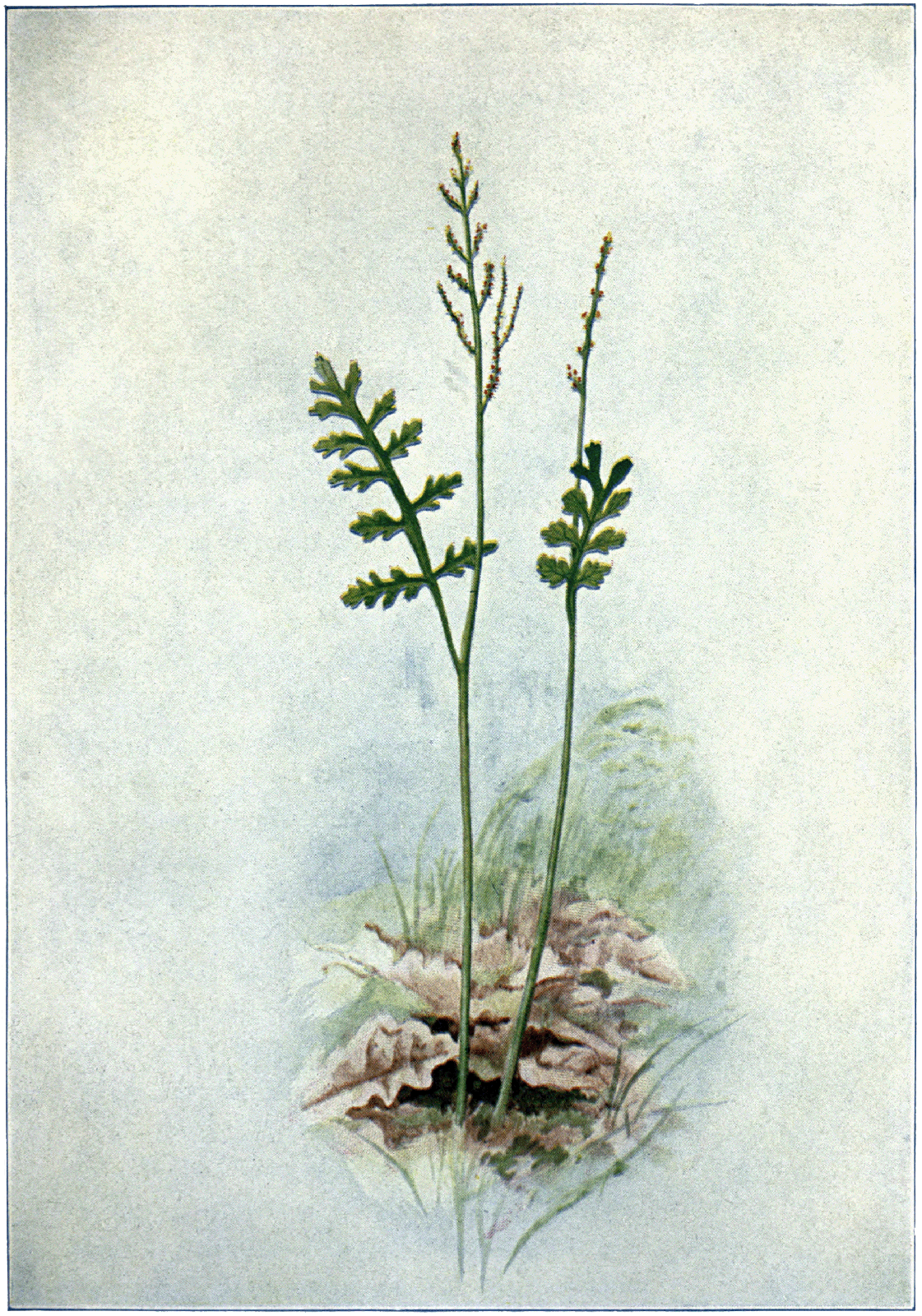
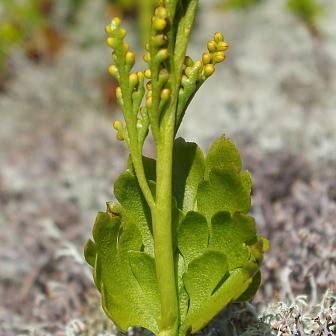
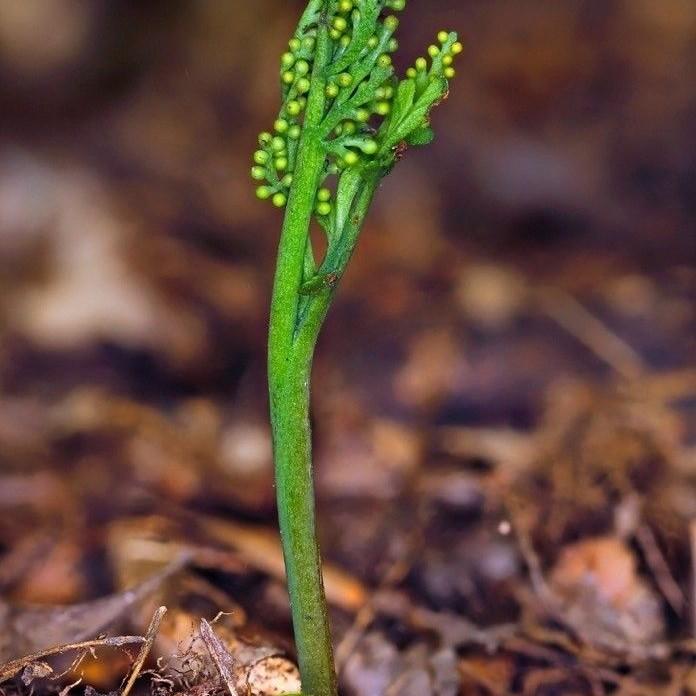
Lance Leaved Moonwort is a diminutive, spore-bearing fern ally that produces two distinct fronds: a sterile, lance-shaped photosynthetic frond and a separate fertile frond bearing sporangia. It forms a symbiotic relationship with mycorrhizal fungi, relying on the fungi for a portion of its nutrient uptake, especially in its early growth stages. Most of its life cycle is spent underground as a gametophyte, with visible above-ground fronds emerging only when conditions are favorable, making it a rare sight in its native habitats.
Care Guide
Watering
This species prefers consistently moist but well-drained soil, never allowed to dry out completely. Overwatering that leads to saturated soil will damage its delicate root system and associated mycorrhizae, so water only when the top 1 inch of soil feels slightly damp. Use rainwater or distilled water free of chlorine and other additives to avoid disrupting the plant's fungal symbionts.
Light
Lance Leaved Moonwort thrives in partial to dappled shade, mimicking the light conditions of its native open woodland or grassland edge habitats. It can tolerate short periods of direct morning sun, but harsh midday or afternoon sun will scorch its delicate fronds and reduce growth vigor. When cultivated indoors, place it near a north-facing window or under low-intensity grow lights set to a 12-hour photoperiod.
Soil
It requires nutrient-poor, sandy-loam or gravelly soil with a slightly acidic to neutral pH between 5.5 and 7.0. The soil must be exceptionally well-drained, as standing water will quickly cause root rot. It is critical to include soil from its native habitat or a commercial mycorrhizal inoculant formulated for ferns to support its essential symbiotic fungal relationship.
Fertilizer
Lance Leaved Moonwort is adapted to low-nutrient environments and does not require regular fertilization. Excess nitrogen and other nutrients will harm its mycorrhizal symbionts and can kill the plant, so avoid all synthetic fertilizers entirely. If grown in a container, a single annual application of very dilute, organic, low-nitrogen fertilizer may be used only if fronds show signs of severe nutrient deficiency.
Temperature
This cool-temperate species prefers average growing temperatures between 50 and 70°F (10 and 21°C) during its active growth period in spring and summer. It can tolerate short periods of freezing temperatures down to 20°F (-7°C) when dormant, but prolonged frost will damage underground structures. It does not thrive in temperatures above 75°F (24°C) for extended periods, so indoor plants require consistent cooling in warm climates.
Pruning
Pruning is minimal for Lance Leaved Moonwort; only remove brown, dead fronds at the base using sterile, sharp scissors to maintain a tidy appearance. Avoid cutting green, healthy fronds, as they are the plant's only source of photosynthetic energy, and it produces very few fronds per growing season. Do not disturb the fertile fronds until they have fully released their spores, typically in late summer or early fall.
Propagation
Propagation is extremely difficult for home growers, as it relies on specific mycorrhizal fungi to support gametophyte development. Spores collected from mature fertile fronds must be sown on sterile, low-nutrient medium inoculated with the correct symbiotic fungi, and kept in dark, cool, moist conditions for 1 to 2 years before gametophytes mature and produce small sporophytes. Division of wild-collected clumps is not recommended, as this species is rare in most of its range, and disturbance often kills the plant.
Humidity
Lance Leaved Moonwort prefers moderate to high humidity levels between 50 and 70% to support its delicate, thin fronds. Indoor plants will benefit from regular misting with room-temperature rainwater, placement on a pebble tray filled with water, or use of a small humidifier to maintain consistent humidity levels. Avoid placing it near heating or cooling vents, which create dry air drafts that desiccate its fronds.
Repotting
Repotting should be done as infrequently as possible, ideally only once every 3 to 4 years when the plant has completely outgrown its container, as disturbance to its root system and mycorrhizal network often causes stress or death. When repotting, retain as much of the original root ball and surrounding soil as possible to preserve the mycorrhizal community, and use a pot that is only 1 to 2 inches larger than the current container. Repot only during late dormancy, just before new fronds emerge in early spring, to minimize stress.
Uses & Symbolism
Lance Leaved Moonwort has limited traditional uses, with some Indigenous North American groups using small amounts of the plant as a topical remedy for minor wounds and skin irritations. It is rarely cultivated commercially, but is sometimes grown in specialized native plant gardens or fern collections for conservation and educational purposes, as it is a threatened or endangered species in many regions due to habitat loss. It has no edible uses, as its small size and low nutrient content make it impractical for consumption.
Diseases & Pests
Lance Leaved Moonwort is susceptible to root rot caused by overwatering or poorly drained soil, which can kill the plant quickly if not corrected. Its delicate fronds may be damaged by aphids, spider mites, and slugs, especially in high-humidity environments with poor air circulation. Fungal leaf spot can occur if water is left sitting on the fronds for extended periods, so avoid overhead watering and ensure adequate air flow around the plant.
Related plants
Other plants you might like if you grow Lance Leaved Moonwort.