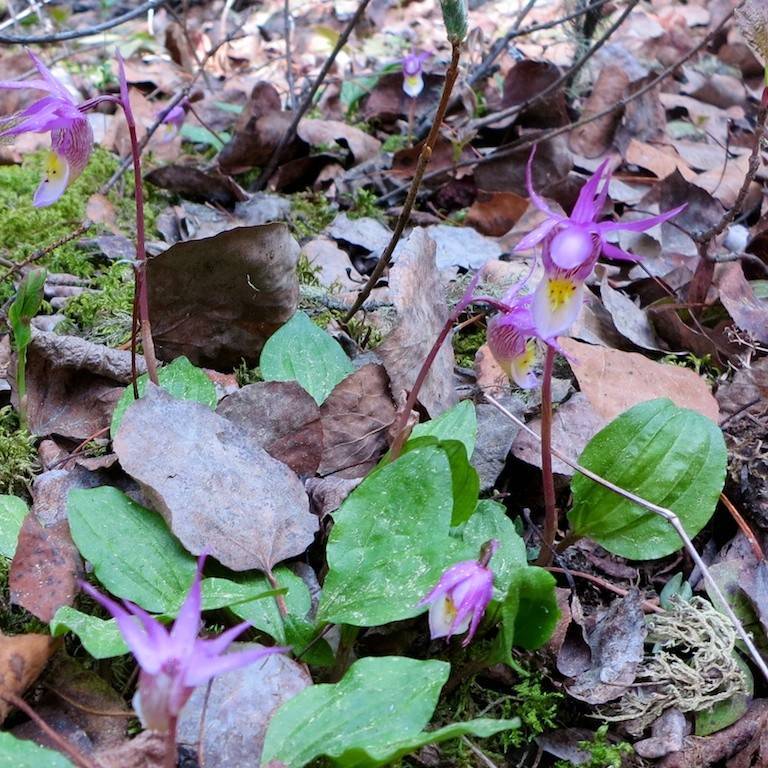
Fairy Slipper
Calypso bulbosa
Overview
The fairy slipper is the only species in the Calypso genus, recognizable by its single, pleated basal leaf and intricate, fragrant bloom that emerges in early spring. It forms specialized mycorrhizal relationships with soil fungi to obtain nutrients, making it highly adapted to undisturbed coniferous and mixed forest floors. Due to its strict habitat requirements and sensitivity to disturbance, it is classified as threatened or endangered in many regions across its range.
Care Guide
Watering
Fairy slippers require consistently moist, well-drained soil that never dries out completely, but also never becomes waterlogged to avoid root rot. In cultivation, mimic natural forest conditions by watering regularly with rainwater or distilled water, avoiding chlorinated tap water that can damage sensitive roots. During dormancy in late summer and winter, reduce watering significantly to keep the soil only slightly damp.
Light
This forest understory orchid thrives in bright, dappled shade, similar to the filtered light it receives under a canopy of coniferous or deciduous trees. Avoid direct, intense midday sun, which can scorch its single delicate leaf and dry out the soil too rapidly. In indoor cultivation, place it near a north-facing window or under sheer curtains to provide gentle, indirect light year-round.
Soil
Fairy slippers require extremely well-aerated, acidic soil rich in organic matter, and must contain the specific mycorrhizal fungi it relies on for nutrient uptake. A typical mix includes shredded conifer bark, leaf mold, sphagnum moss, and small amounts of native forest soil from its natural habitat to introduce the necessary symbiotic fungi. Avoid heavy, clay-rich soils or mixes with high nutrient content, as these will kill the sensitive mycorrhizae and the orchid.
Fertilizer
Fairy slippers do not tolerate standard fertilizers, as their mycorrhizal fungi provide all required nutrients naturally. Applying any commercial fertilizer will disrupt the symbiotic relationship and likely kill the plant, so no supplemental feeding is recommended in cultivation. If growing in a container with a mature mycorrhizal colony, add small amounts of fresh conifer leaf litter annually to support the fungi and provide slow, natural nutrients.
Temperature
This cool-climate orchid prefers temperatures between 50-65°F (10-18°C) during its active spring growing season, and requires a cold dormancy period with temperatures between 20-40°F (-7-4°C) for 3-4 months in winter to trigger blooming. It is hardy to USDA zones 3-7, but cannot tolerate high heat above 75°F (24°C) for extended periods, which will cause the plant to go dormant prematurely. In indoor cultivation, avoid placing it near heating vents or warm appliances that create consistent warm temperatures.
Pruning
Fairy slippers require very little pruning; simply snip off the spent flower stalk after blooming is complete to redirect energy back to the corm and leaf. Allow the single basal leaf to yellow and die back naturally in late summer, as it transfers stored nutrients to the underground corm for the next growing season. Do not remove green foliage prematurely, as this will weaken the plant and may prevent it from blooming the following year.
Propagation
Fairy slippers are extremely difficult to propagate, as their seeds are dust-like and contain no nutrient reserves, requiring specific mycorrhizal fungi to germinate and grow. Wild collection is strictly prohibited in most areas due to its protected status, so any cultivated plants must be nursery-propagated from seed with the correct symbiotic fungi present. Division of mature corms is possible only for well-established, large colonies, but this carries a high risk of damaging the delicate root system and disrupting the mycorrhizal relationship.
Humidity
Fairy slippers thrive in high humidity levels between 60-80%, mimicking the moist understory of its native forest habitat. In dry indoor environments, use a humidity tray filled with water and pebbles, or a cool-mist humidifier to maintain consistent moisture in the air around the plant. Avoid placing it near drafty windows or air vents that can dry out the foliage and surrounding air rapidly.
Repotting
Fairy slippers rarely need repotting, as they have small, delicate root systems and are highly sensitive to disturbance of their mycorrhizal soil community. Only repot if the container is completely overcrowded and the soil has broken down, doing so during the winter dormancy period to minimize stress to the plant. When repotting, retain as much of the original soil around the roots as possible to preserve the mycorrhizal fungi, and use a pre-prepared mix with the correct acidic, organic composition.
Uses & Symbolism
Fairy slippers are primarily valued for their ecological importance as a native forest understory species, supporting specialized pollinators including bumblebees that feed on its small amounts of nectar. They are occasionally grown in specialized native plant gardens or orchid collections by experienced horticulturists, but are not suitable for general garden or houseplant use. Historically, some Indigenous North American communities used small portions of the plant for medicinal purposes, though its protected status makes wild harvesting illegal in most regions.
Diseases & Pests
Fairy slippers are highly susceptible to root rot caused by overwatering or poorly drained soil, which can kill the plant rapidly by damaging its delicate root system and the associated mycorrhizal fungi. They may be affected by common orchid pests including aphids, spider mites, and slugs, which feed on the soft foliage and flower stalks, especially in overly moist or humid conditions. Fungal leaf spot can also occur if water is left sitting on the single basal leaf for extended periods, so avoid overhead watering and ensure good air circulation around the plant.
Related plants
Other plants you might like if you grow Fairy Slipper.
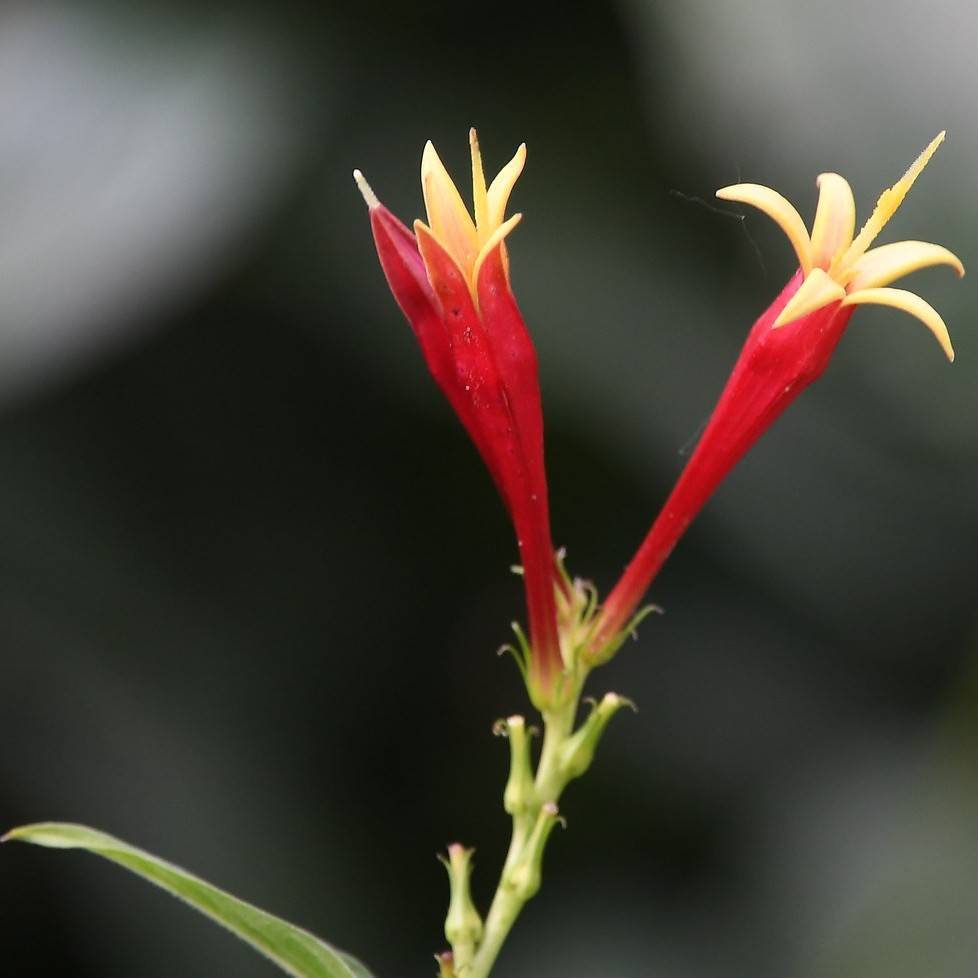
Indian Pink
Spigelia marilandica
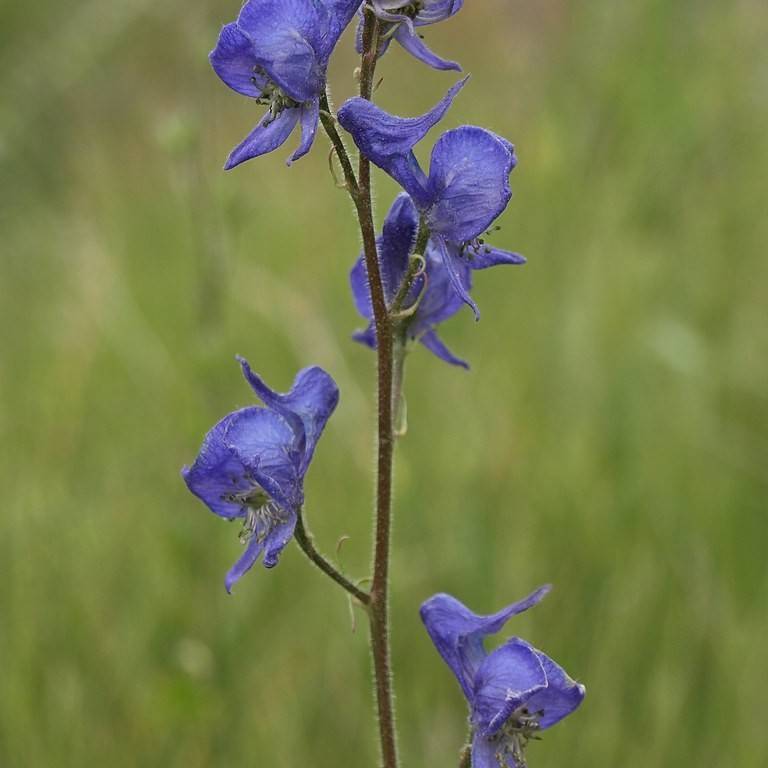
Columbia Monkshood
Aconitum columbianum
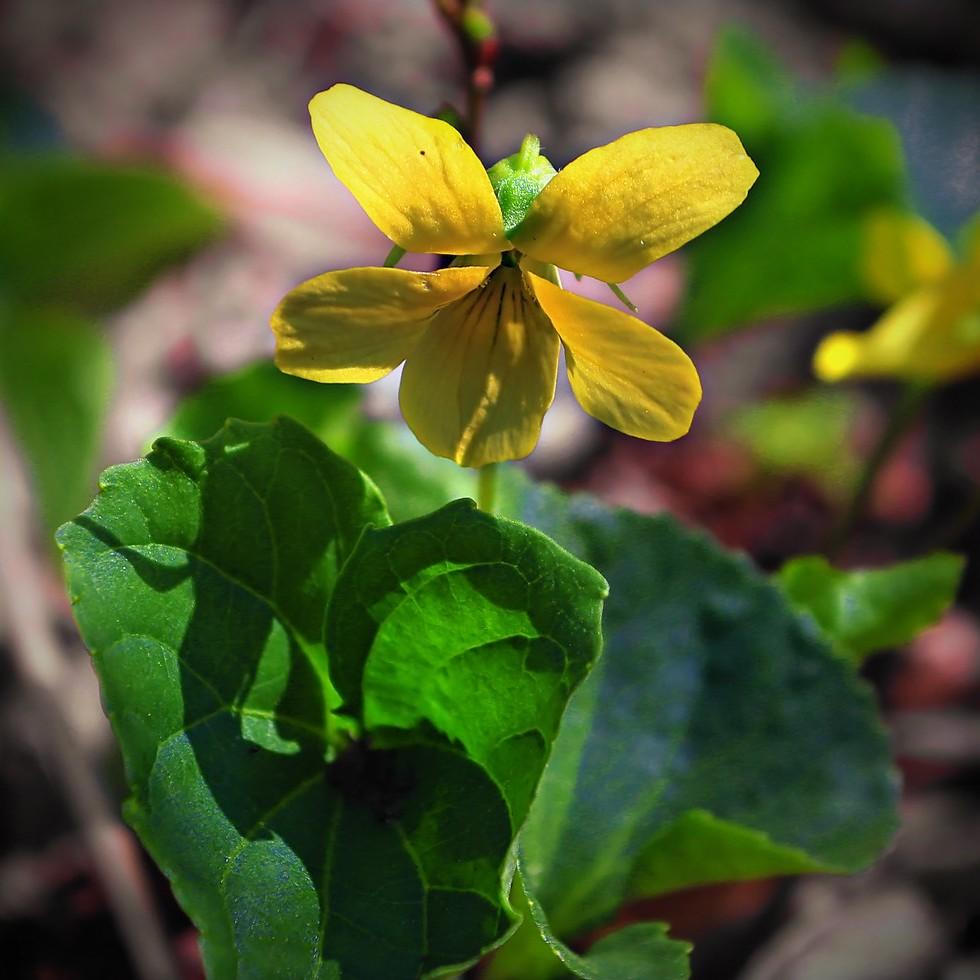
Eastern Round Leaved Violet
Viola rotundifolia
%22%2F%3E%0A%20%20%20%20%20%20%3Ccircle%20cx%3D%22920%22%20cy%3D%22180%22%20r%3D%2290%22%20fill%3D%22%23cfe8d5%22%2F%3E%0A%20%20%20%20%20%20%3Cpath%20d%3D%22M600%20590c-90-180-215-255-310-280%200%20165%20118%20296%20270%20296h40z%22%20fill%3D%22%2379b88e%22%2F%3E%0A%20%20%20%20%20%20%3Cpath%20d%3D%22M600%20590c80-150%20198-212%20302-228-8%20142-123%20255-270%20255h-32z%22%20fill%3D%22%235c9f73%22%2F%3E%0A%20%20%20%20%20%20%3Cpath%20d%3D%22M600%20610V360%22%20stroke%3D%22%234f8c64%22%20stroke-width%3D%2218%22%20stroke-linecap%3D%22round%22%2F%3E%0A%20%20%20%20%20%20%3Ctext%20x%3D%22600%22%20y%3D%22700%22%20text-anchor%3D%22middle%22%20font-family%3D%22Arial%2C%20sans-serif%22%20font-size%3D%2244%22%20fill%3D%22%23365c45%22%3E%0A%20%20%20%20%20%20%20%20Plant%20image%20coming%20soon%0A%20%20%20%20%20%20%3C%2Ftext%3E%0A%20%20%20%20%3C%2Fsvg%3E%0A%20%20)
Fernald's Milk Vetch
Astragalus fernaldii
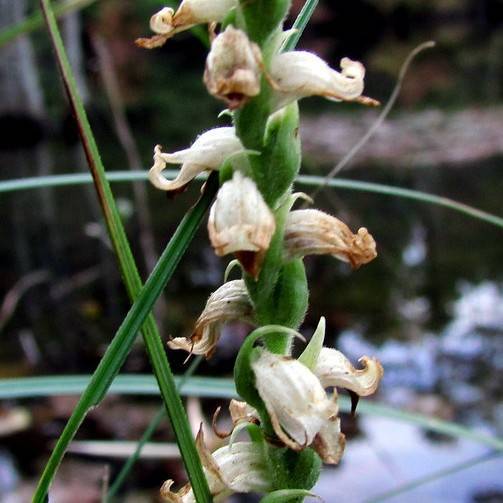
Common Ladies' Tresses
Spiranthes spiralis
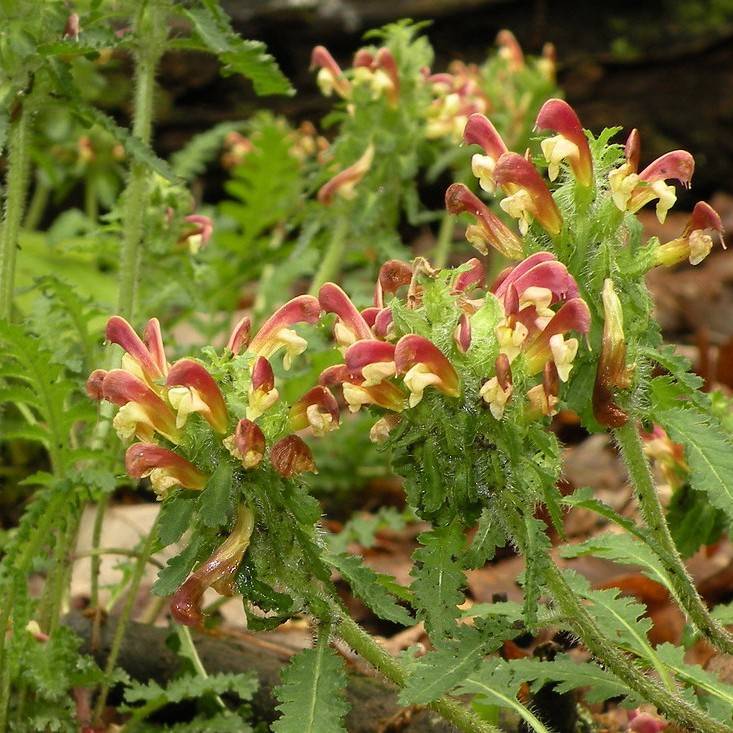
Common Lousewort
Pedicularis sylvatica
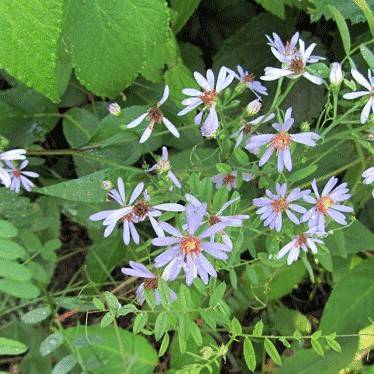
Drummond Aster
Symphyotrichum drummondii
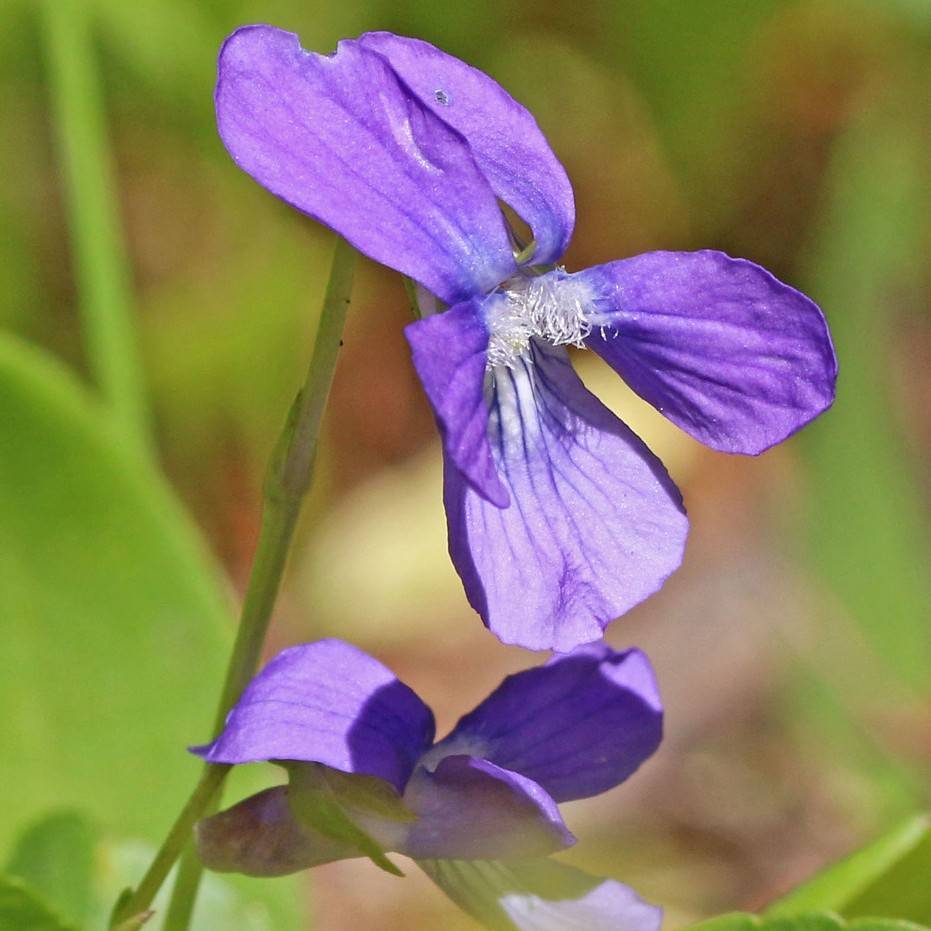
Early Blue Violet
Viola adunca