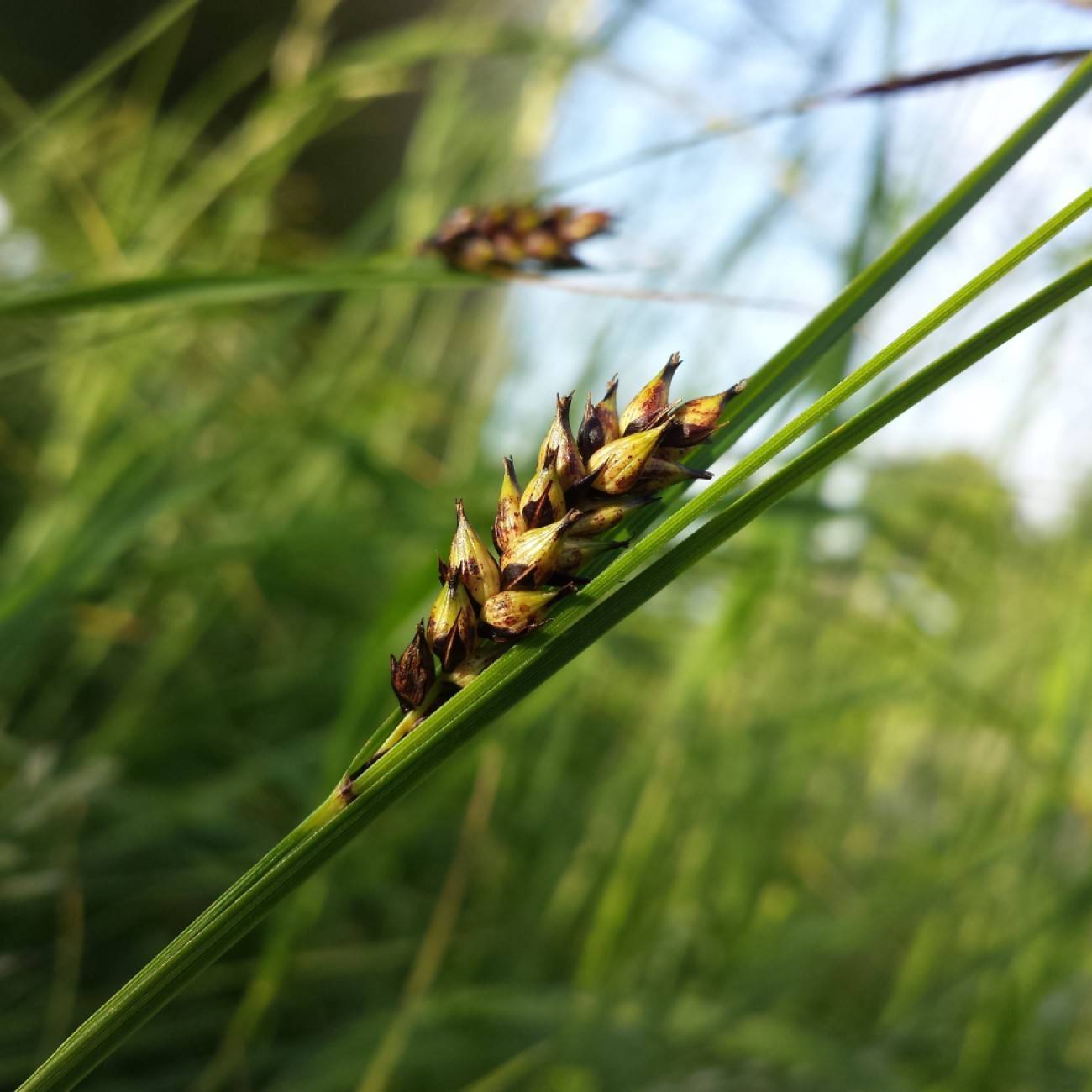
Black Spiked Sedge
Carex nigra
Overview
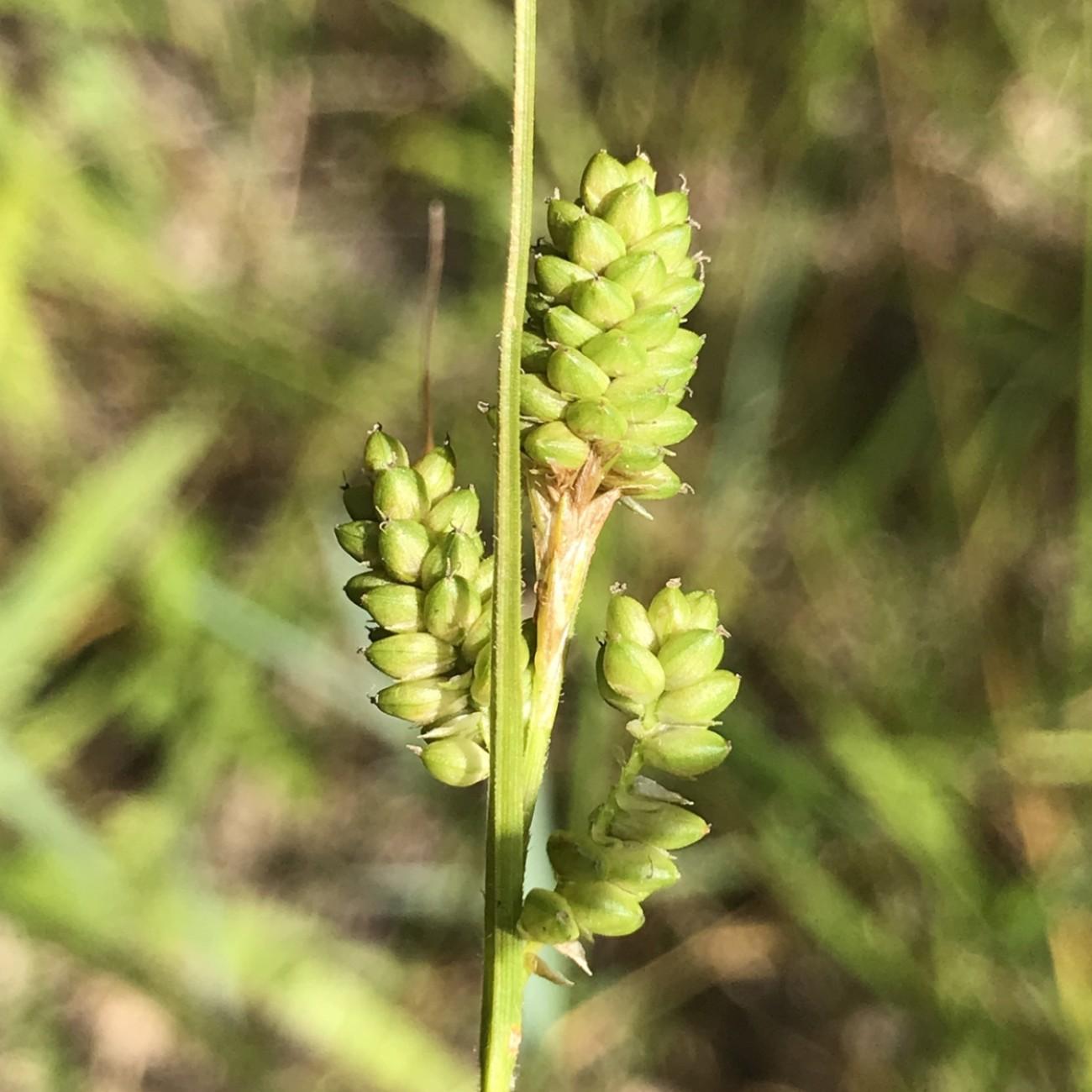
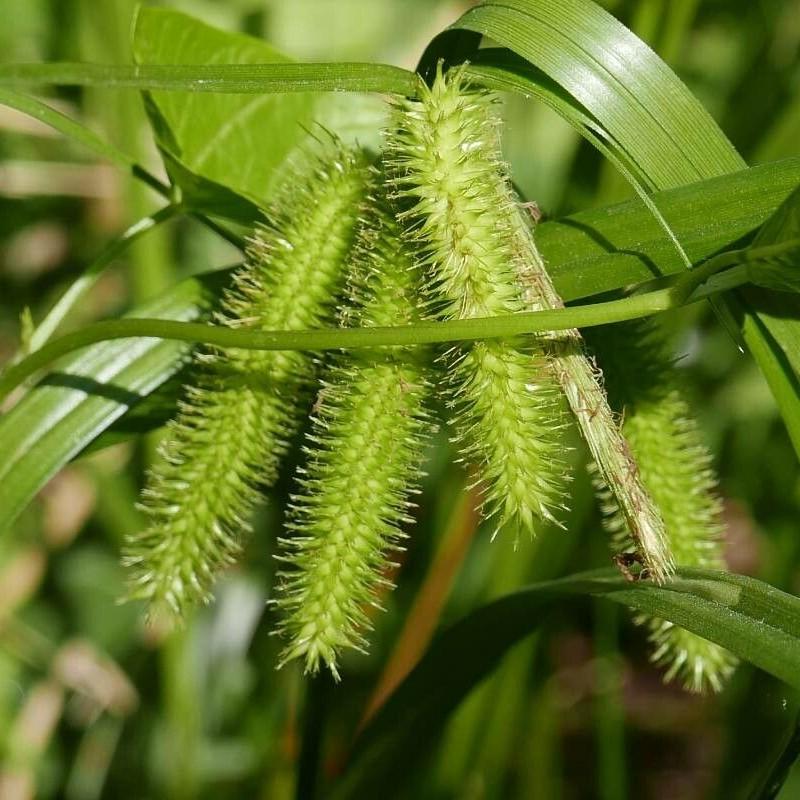
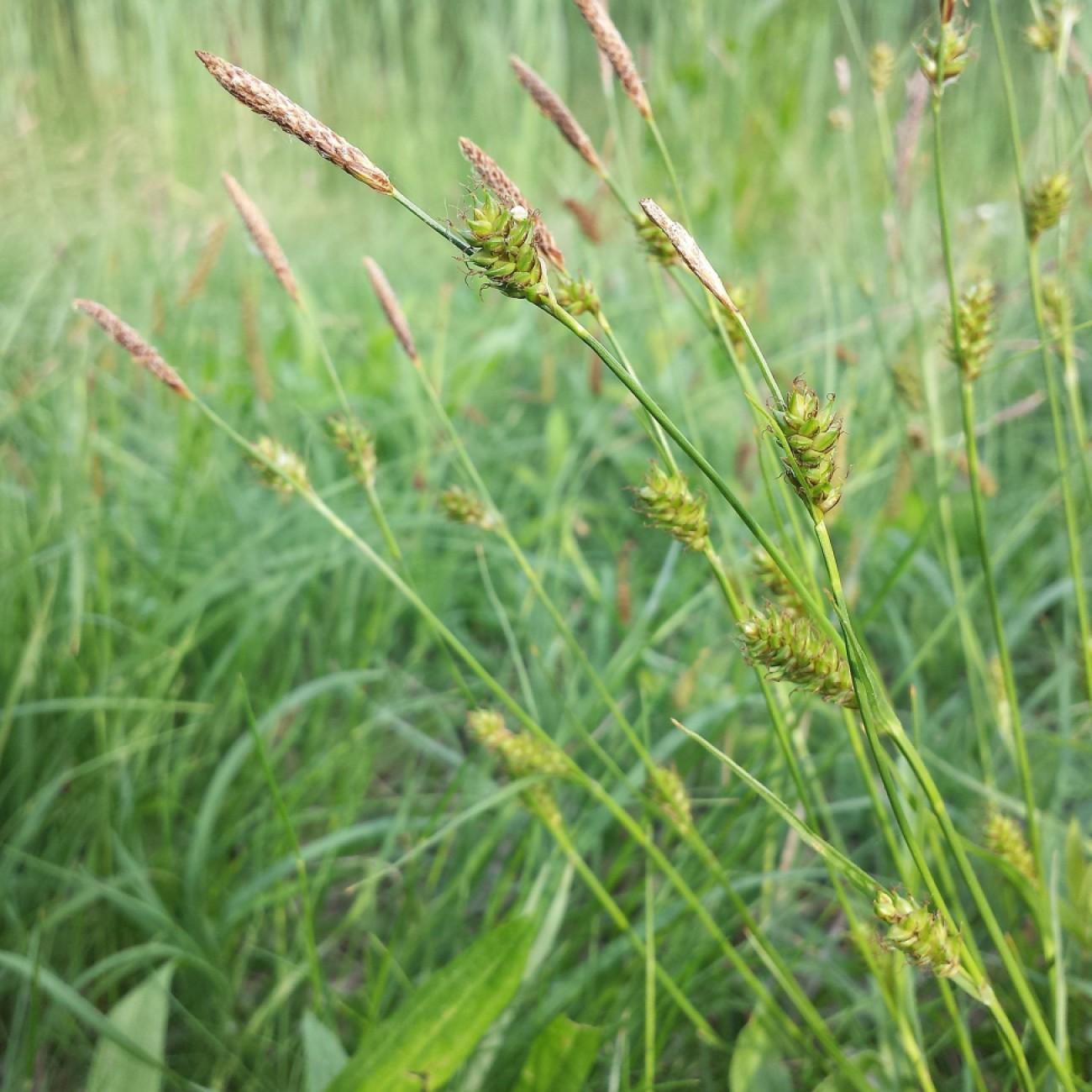
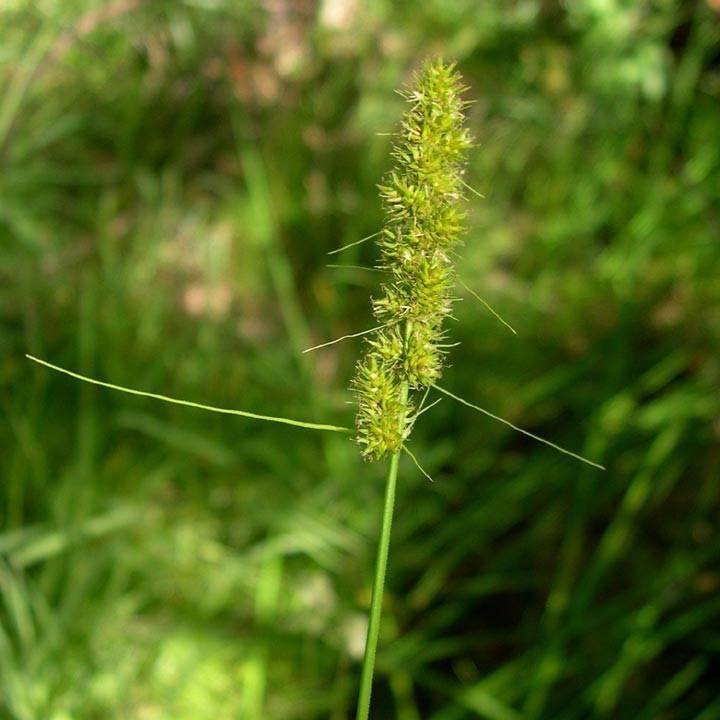
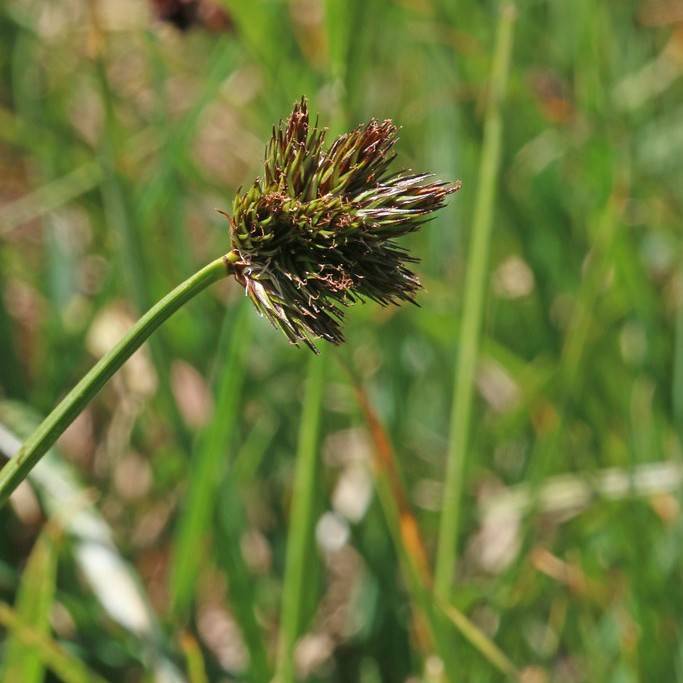
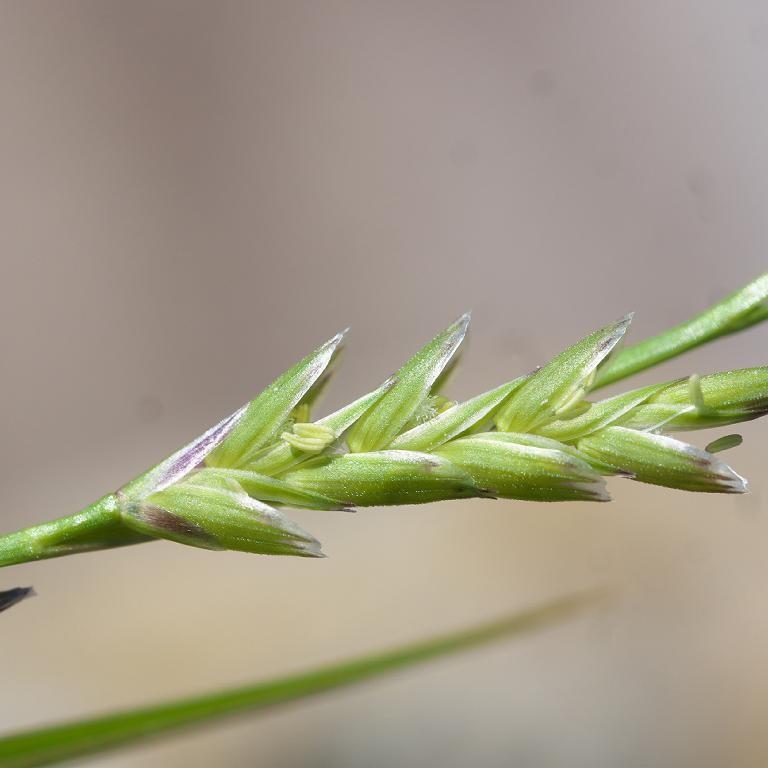
Black Spiked Sedge is a rhizomatous perennial sedge that forms dense, tufted clumps of slender, arching green leaves. In late spring to early summer, it produces stiff, upright stems topped with 2-4 narrow, jet-black spikelets that create a sharp contrast against its foliage. Adapted to saturated soils, it is a staple species in wetland ecosystems, helping to stabilize shorelines and filter runoff, while also serving as a food source for waterfowl and small wildlife.
Care Guide
Watering
Black Spiked Sedge thrives in consistently moist to wet soil, and can tolerate standing water up to 6 inches deep for extended periods. Water frequently to keep soil saturated, especially if planted in upland locations that do not receive regular natural precipitation. Drought is poorly tolerated, so avoid letting the root zone dry out completely even during periods of low rainfall.
Light
This sedge performs best in full sun to partial shade, with at least 4 hours of direct sunlight daily to support robust growth and abundant spike production. In hotter southern portions of its range, it benefits from afternoon shade to prevent leaf scorch during periods of extreme heat. Too much deep shade will lead to sparse foliage and reduced flowering.
Soil
It prefers acidic, loamy or sandy soils with high organic matter content, though it can adapt to heavy clay soils as long as drainage is poor to moderate. Soil pH between 4.5 and 6.5 is optimal, but it can tolerate slightly alkaline conditions for short periods. Avoid fast-draining, sandy soils that do not retain consistent moisture.
Fertilizer
Black Spiked Sedge rarely requires fertilization when grown in its native wetland habitat or organically rich garden soils. If planted in poor, low-nutrient soil, apply a slow-release, balanced 10-10-10 fertilizer once in early spring before new growth emerges. Do not over-fertilize, as this can lead to excessive leaf growth at the expense of flower spike production and may cause runoff damage to adjacent waterways.
Temperature
It is cold hardy in USDA zones 3 through 8, tolerating winter temperatures as low as -40°F (-40°C) without additional protection. Summer temperatures up to 85°F (29°C) are well tolerated, though extended periods above 90°F (32°C) may cause leaf tip browning if soil moisture is insufficient. It does not thrive in tropical or subtropical climates with consistently hot, humid summers.
Pruning
Prune back dead foliage and old flower stems in late winter or early spring before new growth emerges to keep clumps looking tidy and encourage fresh, healthy leaf production. You can shear entire clumps to 2-3 inches above the soil line during this time without damaging the plant. Remove any stray rhizomatous spread periodically if you wish to contain the plant to a specific planting area.
Propagation
Black Spiked Sedge is most easily propagated by division in early spring or late fall, when you can split mature clumps into smaller sections each with a portion of the rhizome and healthy foliage, then replant immediately at the same depth as the parent plant. It can also be grown from seed sown directly in wet soil in late fall, as seeds require a period of cold stratification to germinate successfully. Seed-grown plants will typically reach mature size in 2-3 growing seasons.
Humidity
This species tolerates a wide range of humidity levels, from 40% to 80%, as long as soil moisture remains consistent. It thrives in the high humidity typical of wetland, riparian, and coastal environments, but can adapt to average garden humidity if watered appropriately. Low indoor humidity below 30% will cause leaf desiccation, making it poorly suited for most indoor growing conditions.
Repotting
If grown in containers, repot every 2-3 years in early spring, moving to a slightly larger pot with a loamy, moisture-retentive potting mix amended with peat moss or compost to maintain acidity. Ensure the container has drainage holes, though you can place a saucer under the pot to hold standing water to mimic its natural wetland habitat. Trim back any overgrown rhizomes during repotting to prevent the plant from becoming root-bound.
Uses & Symbolism
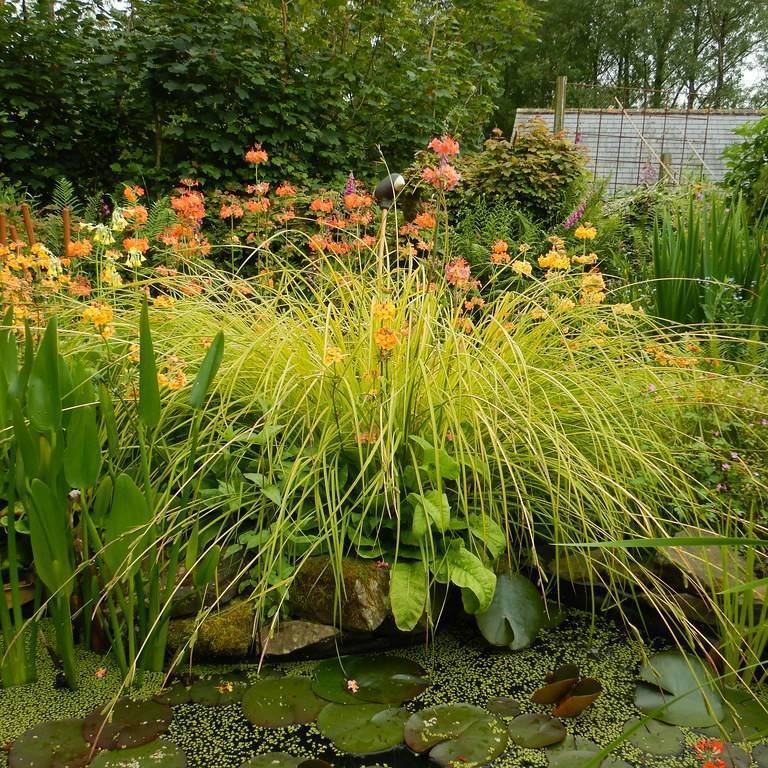
Black Spiked Sedge is widely used in rain gardens, bioswales, and shoreline restoration projects to stabilize soil, filter stormwater runoff, and support native pollinators and wildlife. It is a popular ornamental plant in water gardens and boggy landscape beds, where its dark black spikes provide dramatic textural and color contrast against lighter green foliage and flowering plants. Historically, its tough, flexible stems were used by Indigenous communities to weave baskets and mats.
Diseases & Pests
Black Spiked Sedge is largely pest and disease resistant, though it may occasionally develop foliar rust or smut in overly humid, poorly ventilated conditions. Root rot can occur if the plant is grown in fast-draining soil that is allowed to dry out and then re-saturated repeatedly, though it is immune to rot in consistently wet, anaerobic soils. Aphids and spider mites may infest stressed plants, particularly those grown in too much shade or with insufficient moisture.
Related plants
Other plants you might like if you grow Black Spiked Sedge.