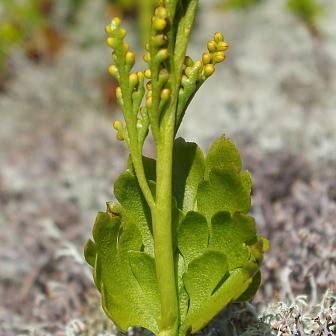
Boreal Moonwort
Botrychium pinnatum
Overview
Boreal Moonwort is a diminutive, non-flowering vascular plant belonging to the adder’s-tongue fern family, distinct for its dimorphic frond structure. It grows from a small, fleshy underground caudex, often forming small colonies in undisturbed, nutrient-poor habitats such as montane meadows, open woodlands, and rocky alpine slopes. Unlike many ferns, it relies on symbiotic mycorrhizal fungi for a significant portion of its nutrient uptake, and may remain dormant underground for multiple years during unfavorable conditions.
Care Guide
Watering
Boreal Moonwort requires consistently moist but sharply drained soil that never becomes waterlogged, as its fleshy underground structures are prone to rot in saturated conditions. Water lightly and frequently during the short growing season to maintain even moisture, reducing watering entirely once the above-ground fronds die back in late summer. Avoid overwatering during dormancy, as this can kill the dormant caudex.
Light
This species thrives in partial dappled shade, mimicking the filtered light of open boreal woodlands or alpine meadows with low, sparse vegetation. It can tolerate short periods of full sun in cooler northern climates, but intense direct sun in warmer regions will scorch its delicate fronds and stunt growth. Provide 3-6 hours of indirect sunlight daily for optimal health.
Soil
Boreal Moonwort needs very nutrient-poor, slightly acidic to neutral soil with high drainage, ideally a mix of sandy loam, crushed rock, and small amounts of decomposed organic matter. It requires the presence of its specific symbiotic mycorrhizal fungi to survive, so soil collected from its native habitat is often necessary for successful cultivation. Heavy, clay-rich, or highly fertile soils will kill this species rapidly.
Fertilizer
No fertilization is required for Boreal Moonwort, as it is adapted to extremely low-nutrient environments and excess nutrients will damage its delicate root system and disrupt its mycorrhizal symbiosis. Even mild, diluted fertilizers can cause root burn and kill the plant, so avoid adding any nutrient amendments to its growing medium.
Temperature
This cold-hardy species is adapted to cool boreal and alpine climates, thriving in growing season temperatures between 50-70°F (10-21°C) and tolerating winter temperatures as low as -40°F (-40°C) during its dormant period. It cannot tolerate prolonged temperatures above 75°F (24°C), making it unsuitable for cultivation in warm or temperate regions without specialized cold-frame or alpine house conditions. A prolonged cold dormancy period of 4-6 months with temperatures below 40°F (4°C) is required for it to re-emerge in spring.
Pruning
Pruning is not necessary for Boreal Moonwort, as it only produces one or two fronds per growing season that die back naturally at the end of summer. Simply remove any dead, brown frond material once it has fully senesced to prevent fungal growth around the base of the plant. Avoid trimming green, living fronds, as this reduces the plant’s ability to photosynthesize and may kill it.
Propagation
Propagation of Boreal Moonwort is extremely difficult, as it relies on specific mycorrhizal fungi and produces tiny, dust-like spores that require sterile, controlled conditions to germinate. Spores take 2-5 years to develop into mature gametophytes, which also depend on the same symbiotic fungi to produce new sporophytes. Vegetative propagation is rarely successful, as dividing the caudex usually damages the delicate root and mycorrhizal network.
Humidity
Boreal Moonwort prefers moderate humidity levels between 40-60%, typical of its native boreal and alpine habitats. It can tolerate brief periods of lower humidity, but prolonged dry air will cause its delicate fronds to desiccate and die back prematurely. Avoid placing it near heating vents or other sources of dry, forced air in cultivation.
Repotting
Repotting is not recommended for Boreal Moonwort, as disturbing its root system and mycorrhizal network almost always results in plant death. If absolutely necessary, repot only during full dormancy, taking care to keep the entire root ball and surrounding soil intact to preserve the symbiotic fungi. Use a shallow pot with plenty of drainage holes to avoid water buildup around the caudex.
Uses & Symbolism
Boreal Moonwort has no significant edible or medicinal uses, though it is sometimes studied by botanists for its unique mycorrhizal dependencies and unusual fern ally biology. It is occasionally grown in specialized alpine plant collections or native plant gardens for conservation purposes, as some regional populations are threatened by habitat loss and disturbance. It has no ornamental value for mainstream gardening due to its small size and extremely specific cultivation requirements.
Diseases & Pests
Boreal Moonwort is rarely affected by pests, but root rot from overwatering is the most common issue in cultivation, caused by fungal pathogens that thrive in saturated soil. It is also highly susceptible to damage from slugs and snails, which will consume its delicate fronds rapidly in moist conditions. Habitat disturbance, nutrient pollution, and disruption of its mycorrhizal symbiosis are the primary threats to wild populations.
Related plants
Other plants you might like if you grow Boreal Moonwort.
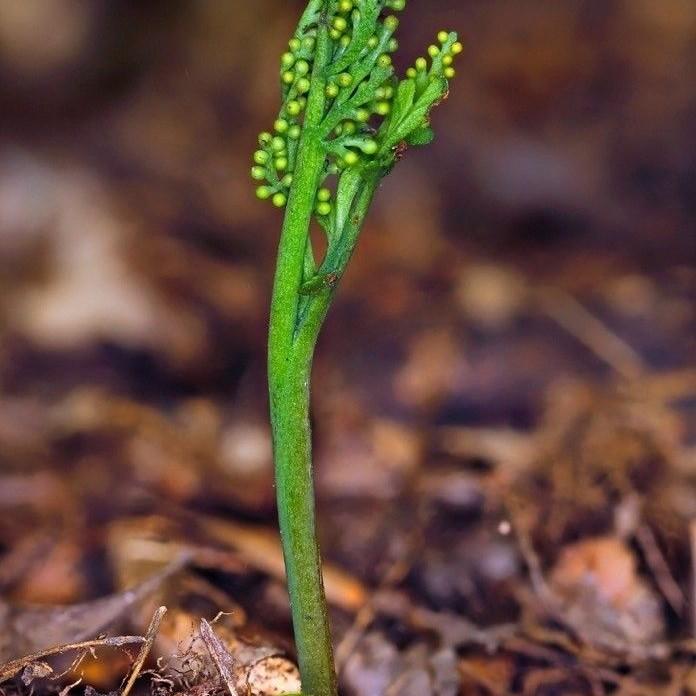
Lance Leaved Moonwort
Botrychium lanceolatum
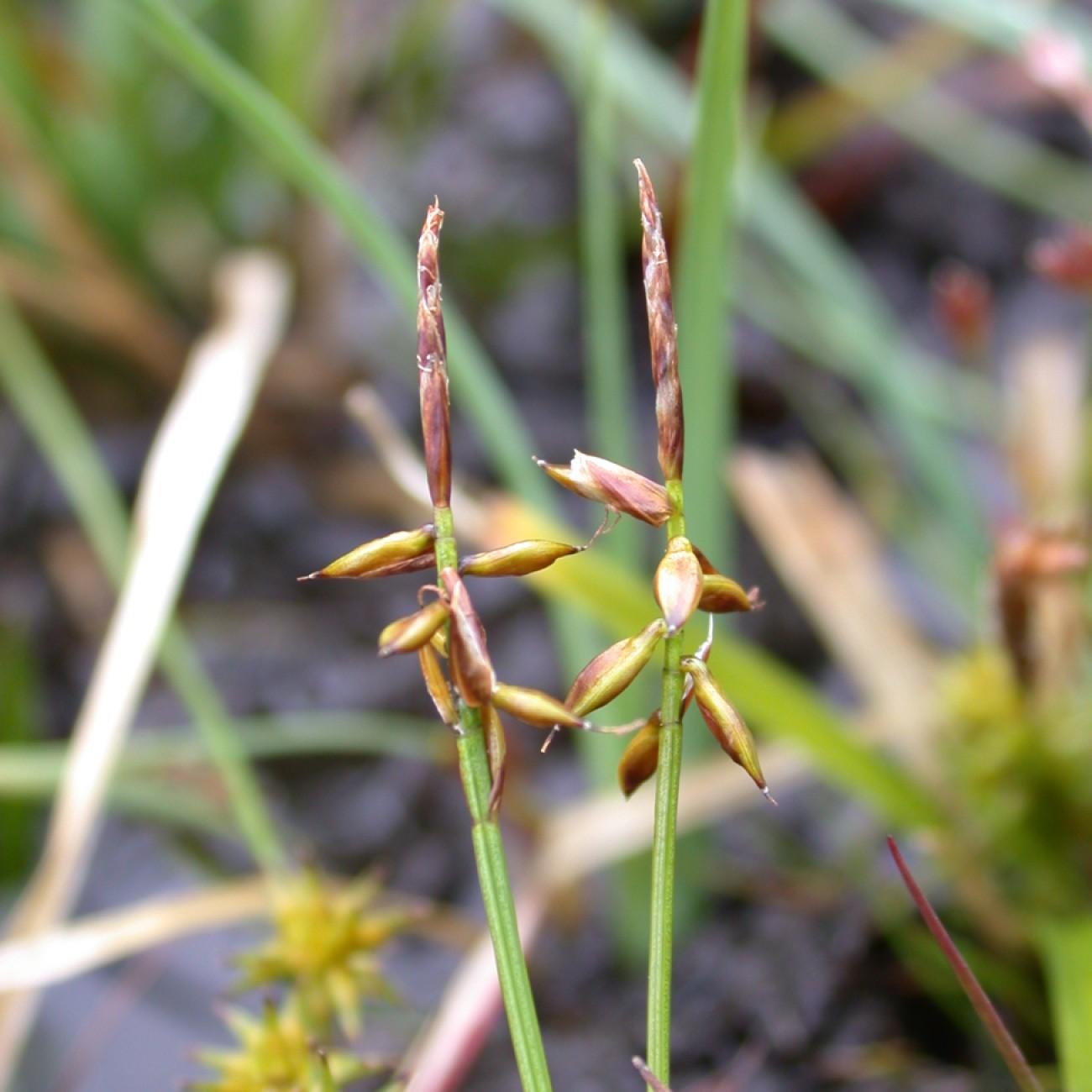
Few Flowered Sedge
Carex pauciflora
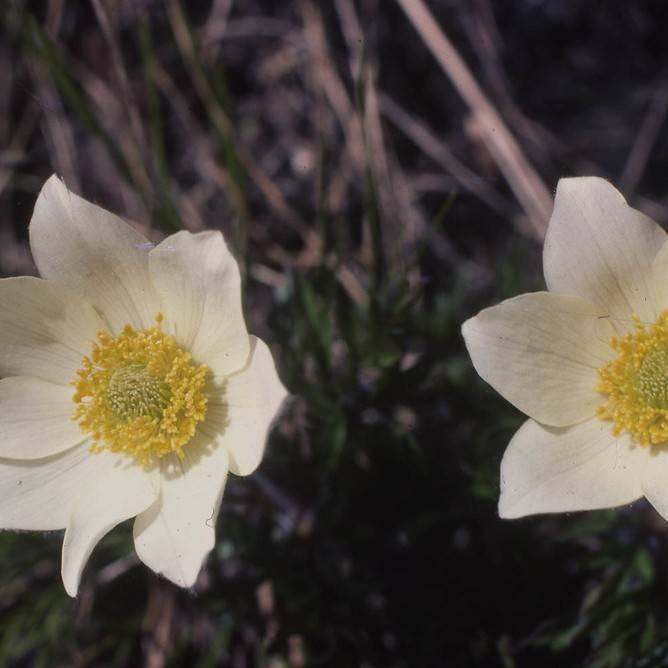
Alpine Anemone
Anemone alpina
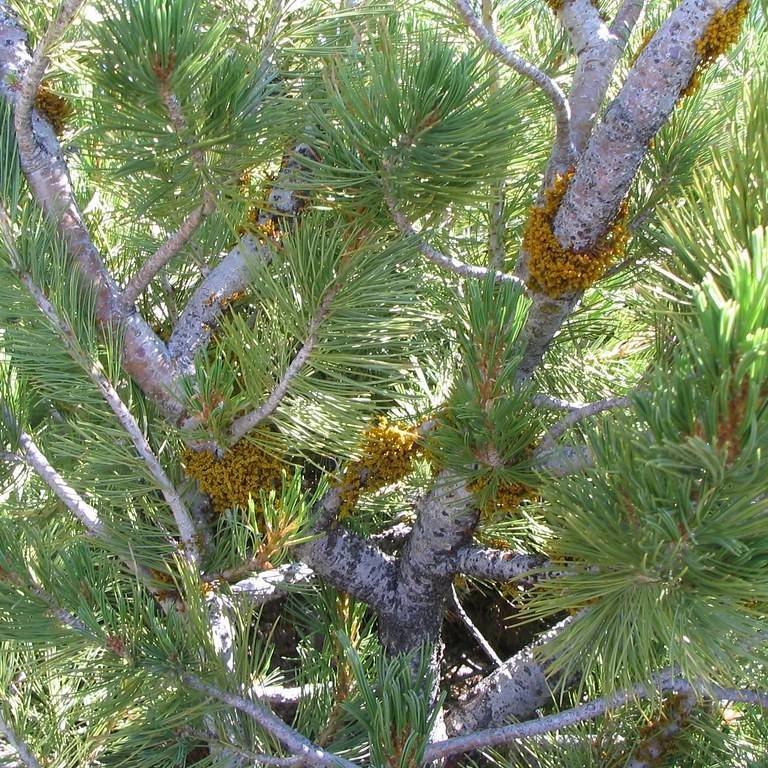
Larch Dwarf Mistletoe
Arceuthobium laricis
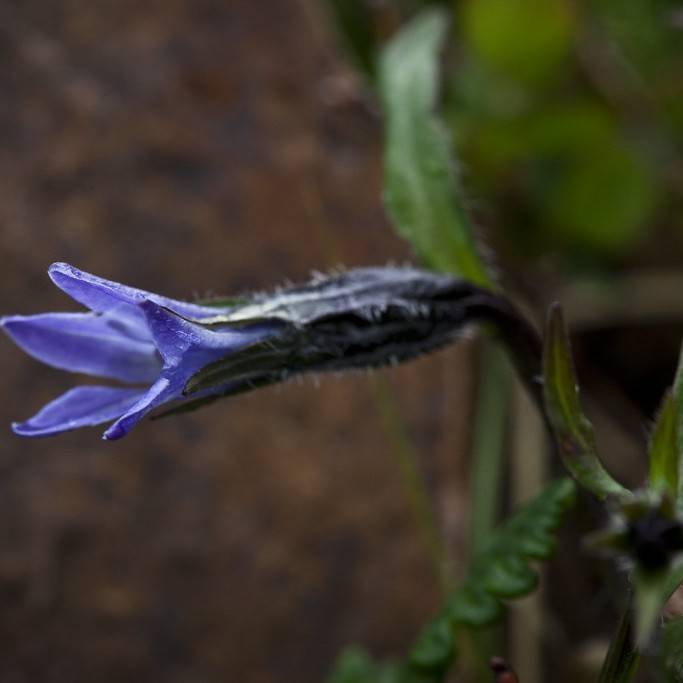
Arctic Harebell
Campanula uniflora
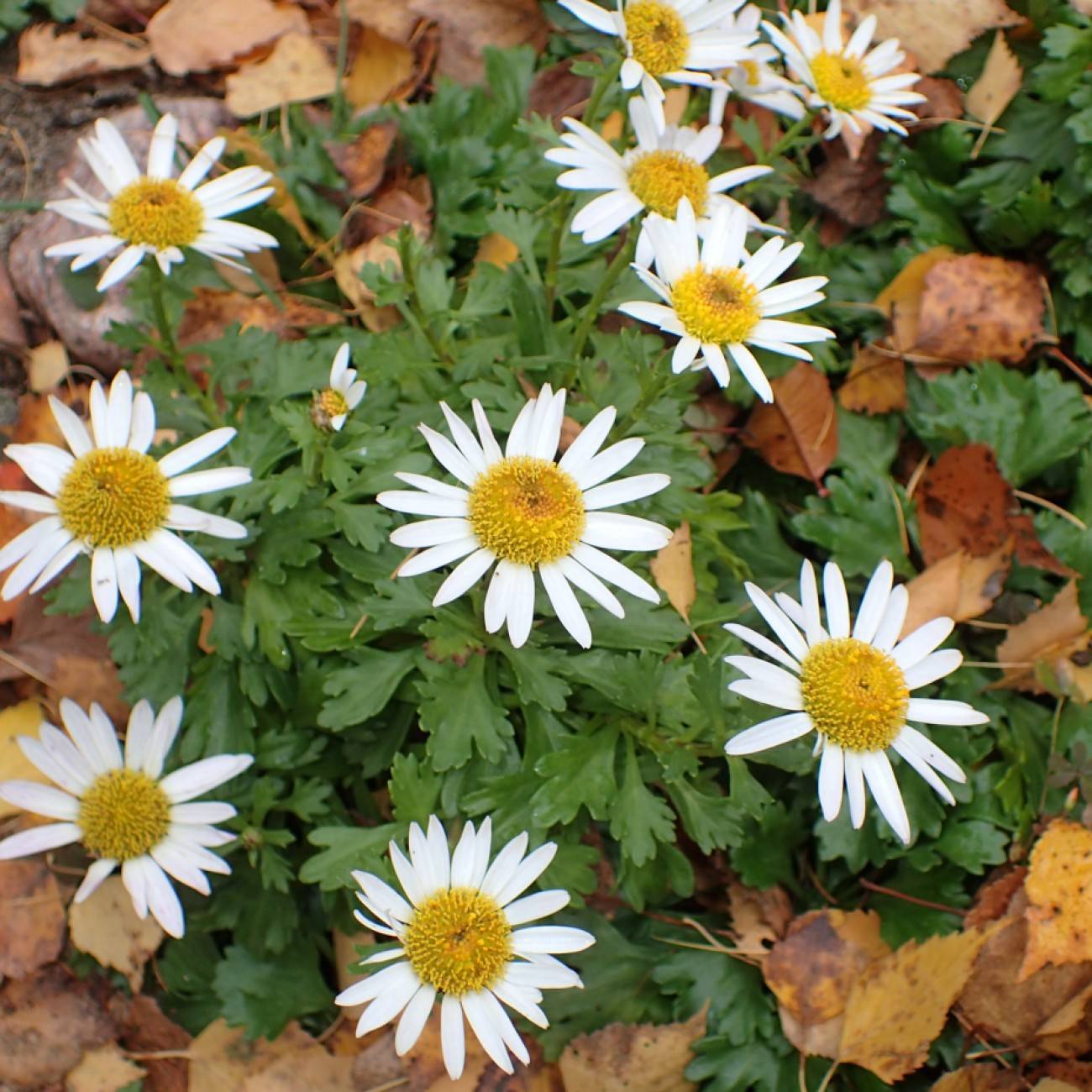
Arctic Daisy
Arctanthemum arcticum (syn. Chrysanthemum arcticum)
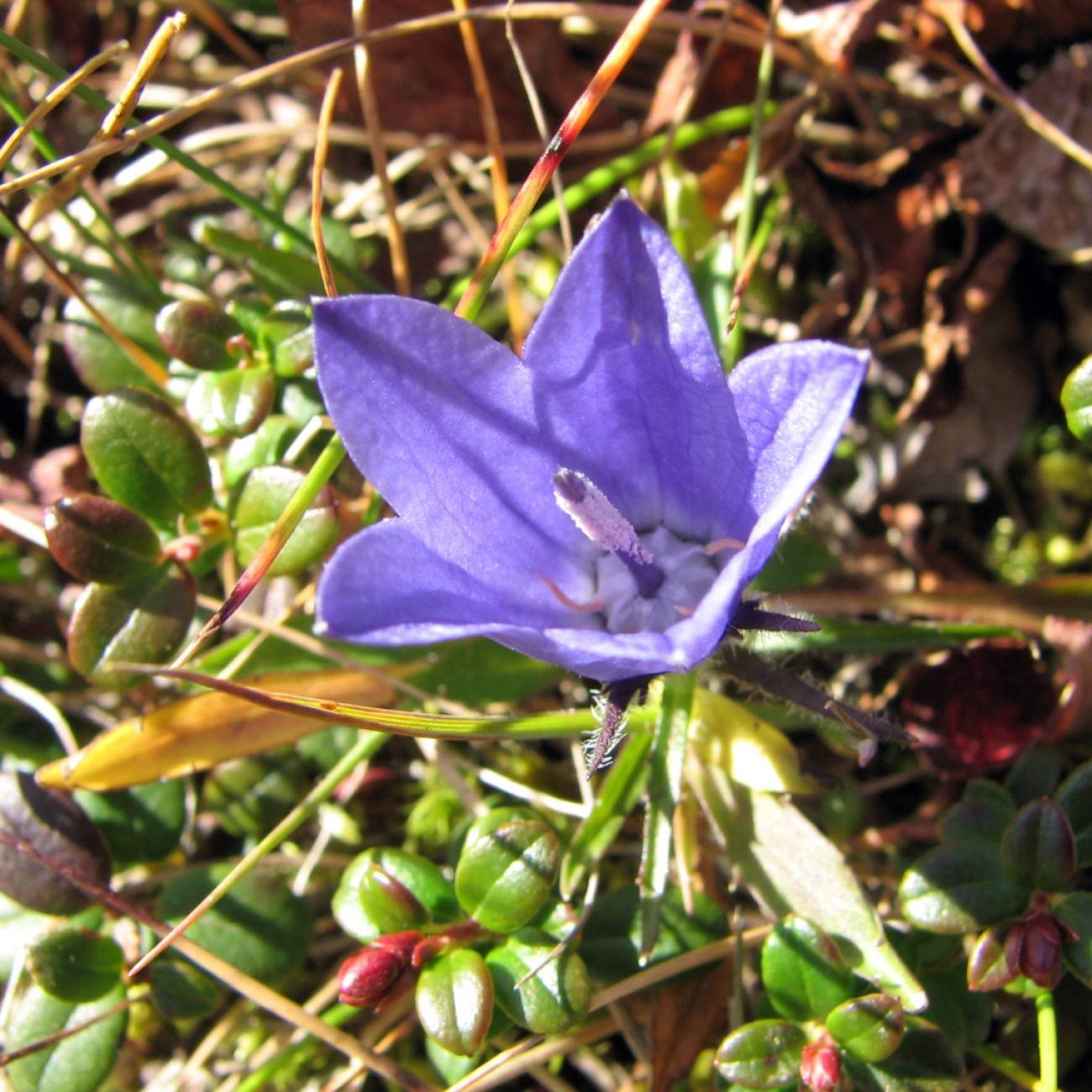
Alaska Bellflower
Campanula alaskana
European Woodland Sedge
Carex sylvatica