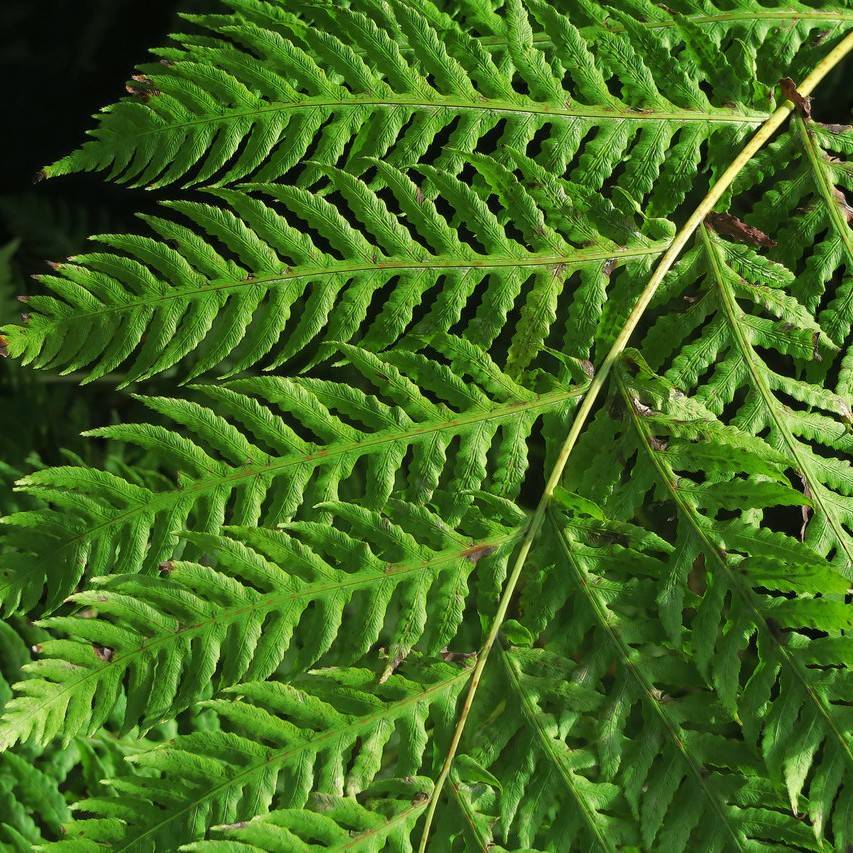
Giant Chain Fern
Woodwardia fimbriata
Overview
Giant Chain Fern is the largest native fern in western North America, recognizable by its long, arching, deeply pinnate fronds that form dense, spreading clumps. Its common name derives from the linear, chain-shaped sori (spore-producing structures) that run in parallel rows along the underside of fertile fronds. It thrives in damp, woodland environments, often growing near streams, seeps, or in wet coniferous understories at elevations up to 8,000 feet.
Care Guide
Watering
Keep soil consistently moist but not waterlogged, as standing water can cause root rot. Water more frequently during hot, dry periods to prevent frond browning, and reduce watering slightly in winter when growth slows. Avoid allowing the top 2 inches of soil to dry out completely between waterings.
Light
Prefers partial to full shade, with protection from direct midday sun that can scorch frond tips. Dappled sunlight under mature tree canopies is ideal, though it can tolerate short periods of gentle morning sun in cooler climates. Too much direct light will cause yellowing and premature dieback of foliage.
Soil
Requires rich, humus-heavy, well-draining soil with a slightly acidic to neutral pH (5.5 to 7.0). Amend planting sites with plenty of compost, leaf mold, or well-rotted manure to improve water retention and nutrient content. Heavy clay soils should be loosened and amended with organic matter to improve drainage.
Fertilizer
Feed lightly in early spring with a balanced, slow-release organic fertilizer formulated for acid-loving plants. Avoid over-fertilizing, as excess nitrogen can cause weak, leggy frond growth and increase susceptibility to pest damage. No additional fertilization is needed through the rest of the growing season for in-ground plants; potted specimens can receive a diluted liquid feed once in mid-summer.
Temperature
Cold hardy to USDA zones 5 to 9, tolerating winter lows as low as -20°F (-29°C) when dormant. It prefers cool, mild summer temperatures between 60 and 75°F (15 to 24°C), and may go partially dormant during extended periods of heat above 90°F (32°C) if moisture is insufficient. Winter frost will kill back above-ground fronds, which can be trimmed to the ground in late winter before new growth emerges.
Pruning
Remove brown, dead, or damaged fronds at the base in late winter or early spring to make room for new, fresh growth. Trim off any fronds that show signs of disease or pest infestation promptly to prevent spread to healthy foliage. Avoid pruning healthy green fronds during the growing season, as they provide energy for the plant’s root system.
Propagation
Most easily propagated by division of established clumps in early spring before new fronds unfurl, carefully separating rhizome sections with at least 2 to 3 growing points per division. It can also be grown from spores collected from mature fertile fronds in late summer, sown on moist, sterile sphagnum moss under high humidity, though this method is slow and takes 2 to 3 years to produce mature plants. Wild collection of plants is discouraged, as many native populations are protected in parts of their range.
Humidity
Thrives in moderate to high humidity levels between 50 and 70%, typical of its native woodland habitat. In dry climates or indoor growing conditions, mist fronds regularly, place a tray of pebbles and water beneath potted specimens, or use a humidifier to raise ambient humidity. Low humidity will cause frond edges to turn brown and crispy over time.
Repotting
Potted specimens should be repotted every 2 to 3 years in early spring, moving to a container 1 to 2 inches larger in diameter than the current pot. Use a high-quality potting mix amended with extra compost and perlite to improve drainage and nutrient content. Take care not to damage the shallow, fleshy rhizomes when repotting, and plant at the same depth as it was growing in the previous container.
Uses & Symbolism
Giant Chain Fern is widely used in shade gardens, woodland landscapes, and rain gardens for its dramatic, arching foliage and ability to thrive in damp, low-light sites where many other plants struggle. It is also planted for erosion control along stream banks and moist slopes, as its dense rhizome network holds soil effectively. Indigenous peoples of western North America historically used the fronds for basketry and as a lining for food storage containers.
Diseases & Pests
Common pests include aphids, scale insects, and fern mites, which can be controlled with insecticidal soap or neem oil sprays applied to affected fronds. Fungal diseases such as rust, leaf spot, and root rot can occur in overly wet, poorly drained soil or with excessive overhead watering. Good air circulation around plants, proper watering practices, and removal of infected foliage will prevent most disease issues.
Related plants
Other plants you might like if you grow Giant Chain Fern.
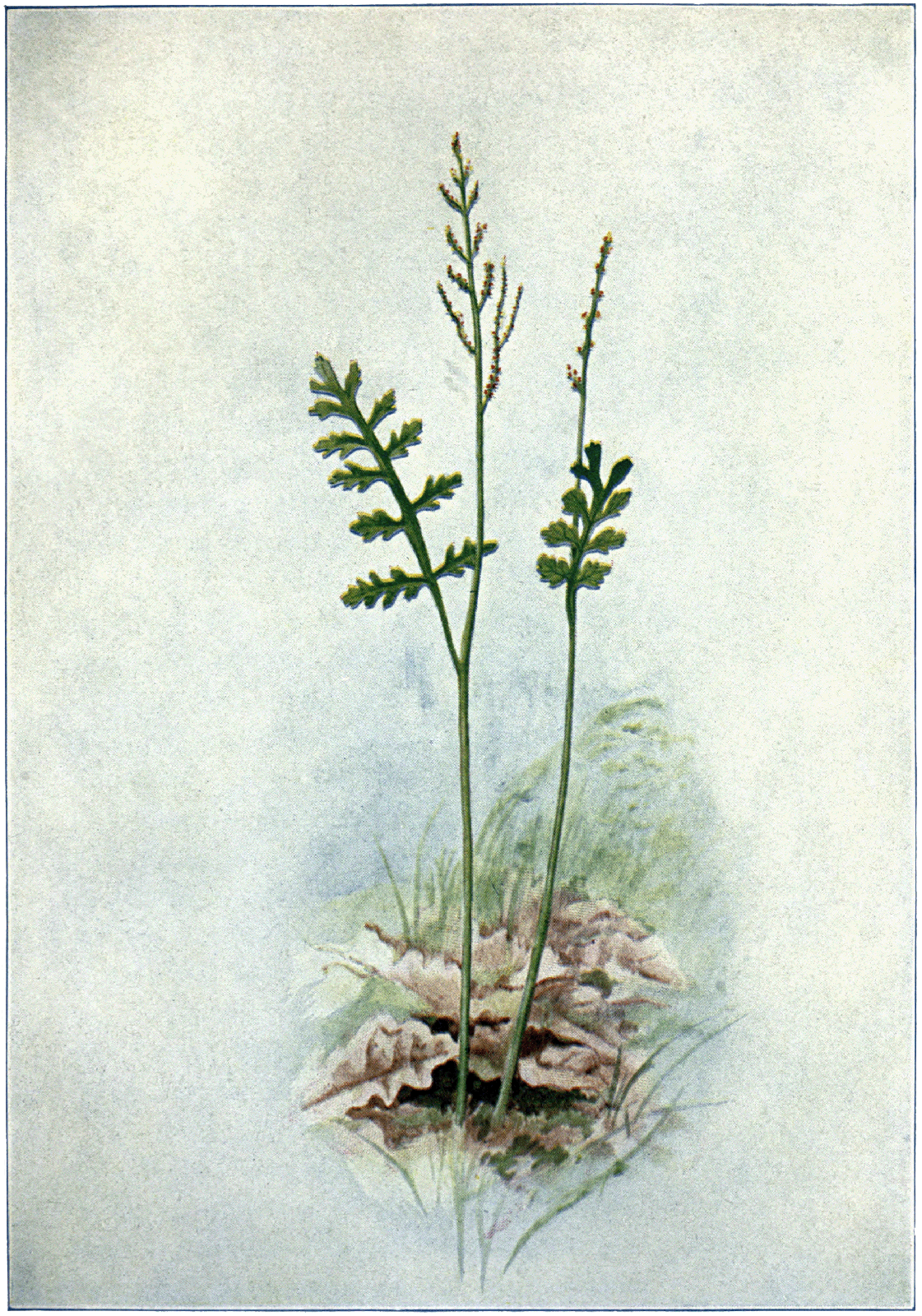
Chamomile Grape Fern
Botrychium matricariifolium
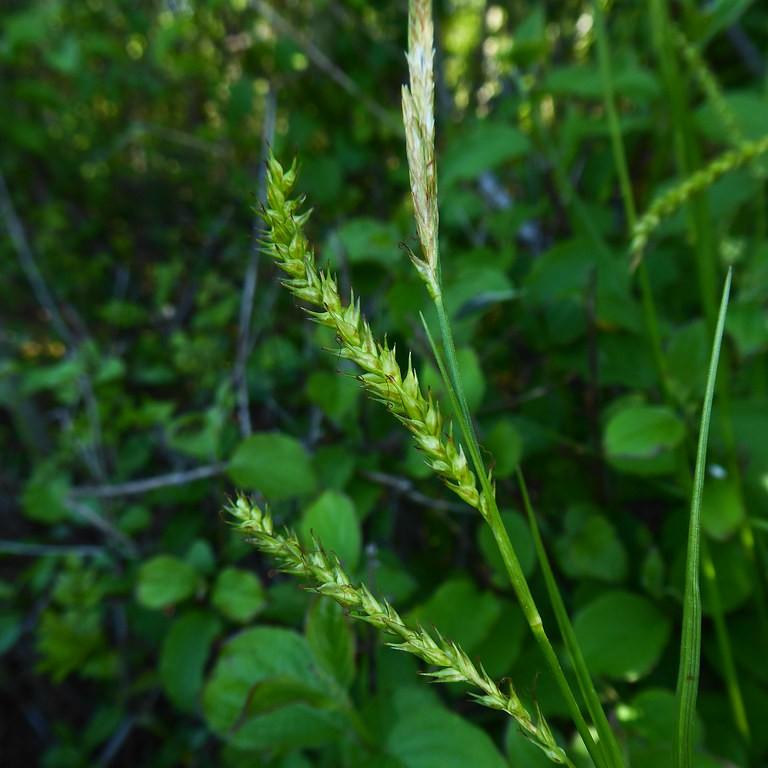
European Woodland Sedge
Carex sylvatica
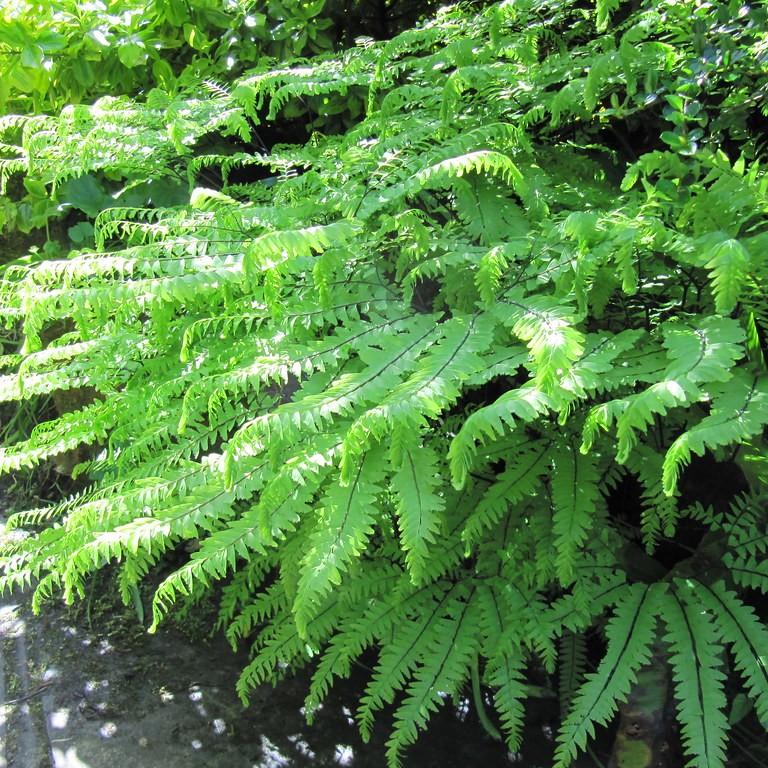
Dwarf Coastal Maidenhair Fern
Adiantum aleuticum 'Subpumilum'
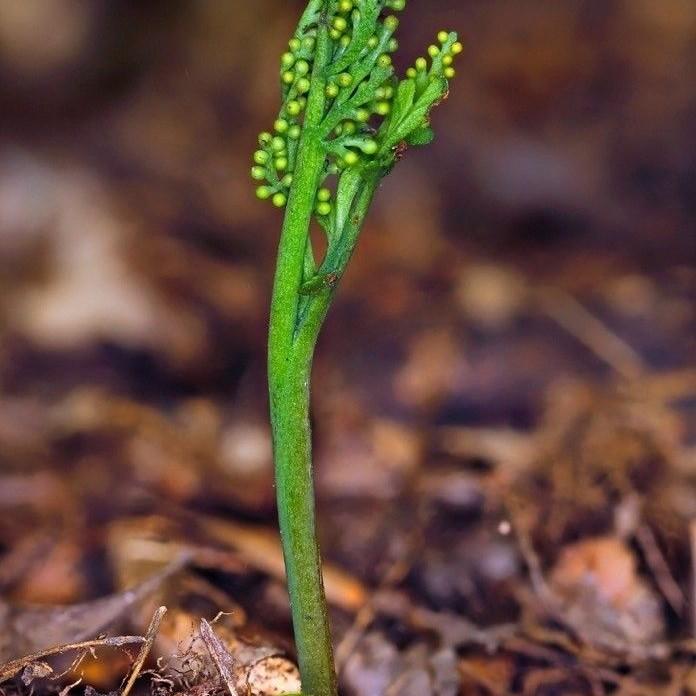
Lance Leaved Moonwort
Botrychium lanceolatum
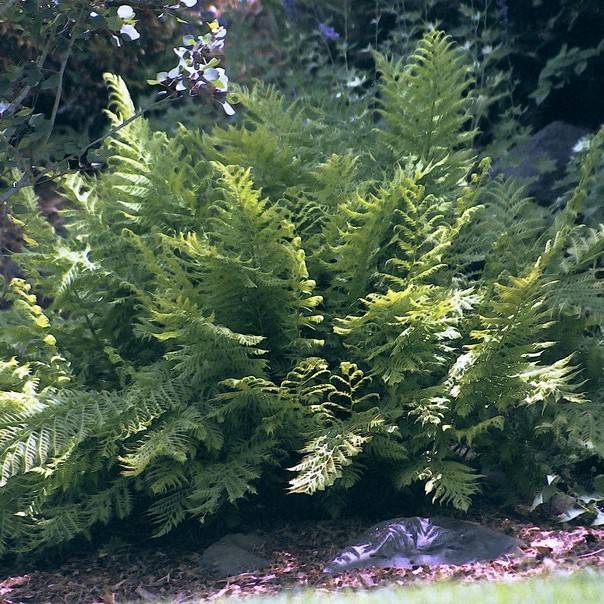
American Alpine Lady Fern
Athyrium americanum
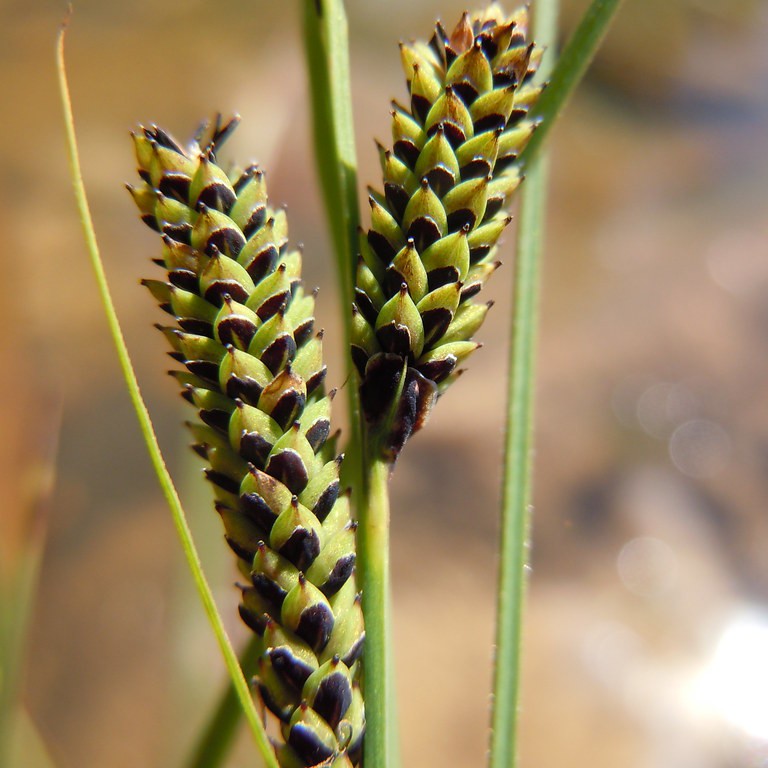
Calcareous Water Sedge
Carex viridula
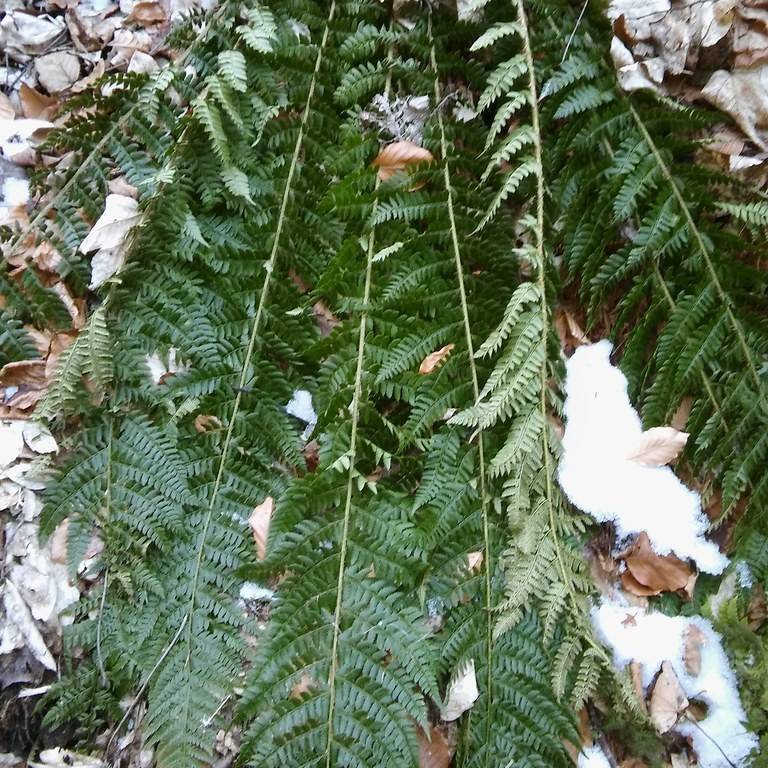
Braun's Holly Fern
Polystichum braunii
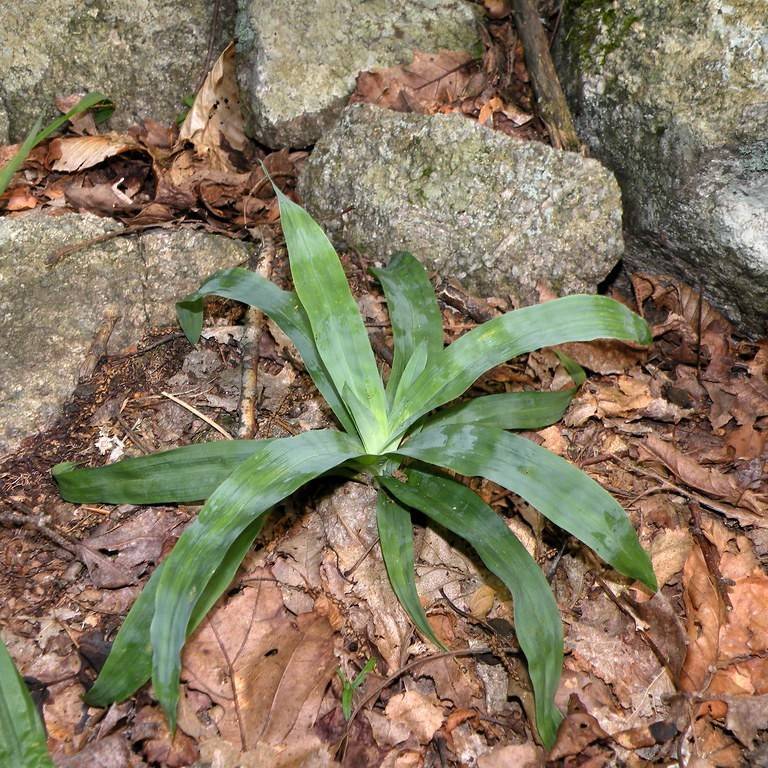
Broad Leaved Sedge
Carex platyphylla