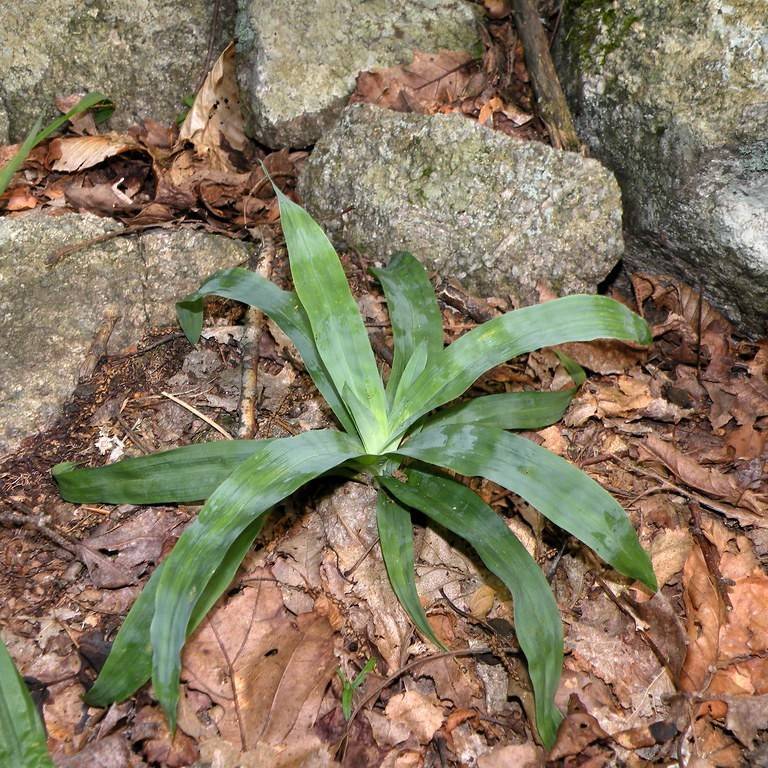
Broad Leaved Sedge
Carex platyphylla
Overview
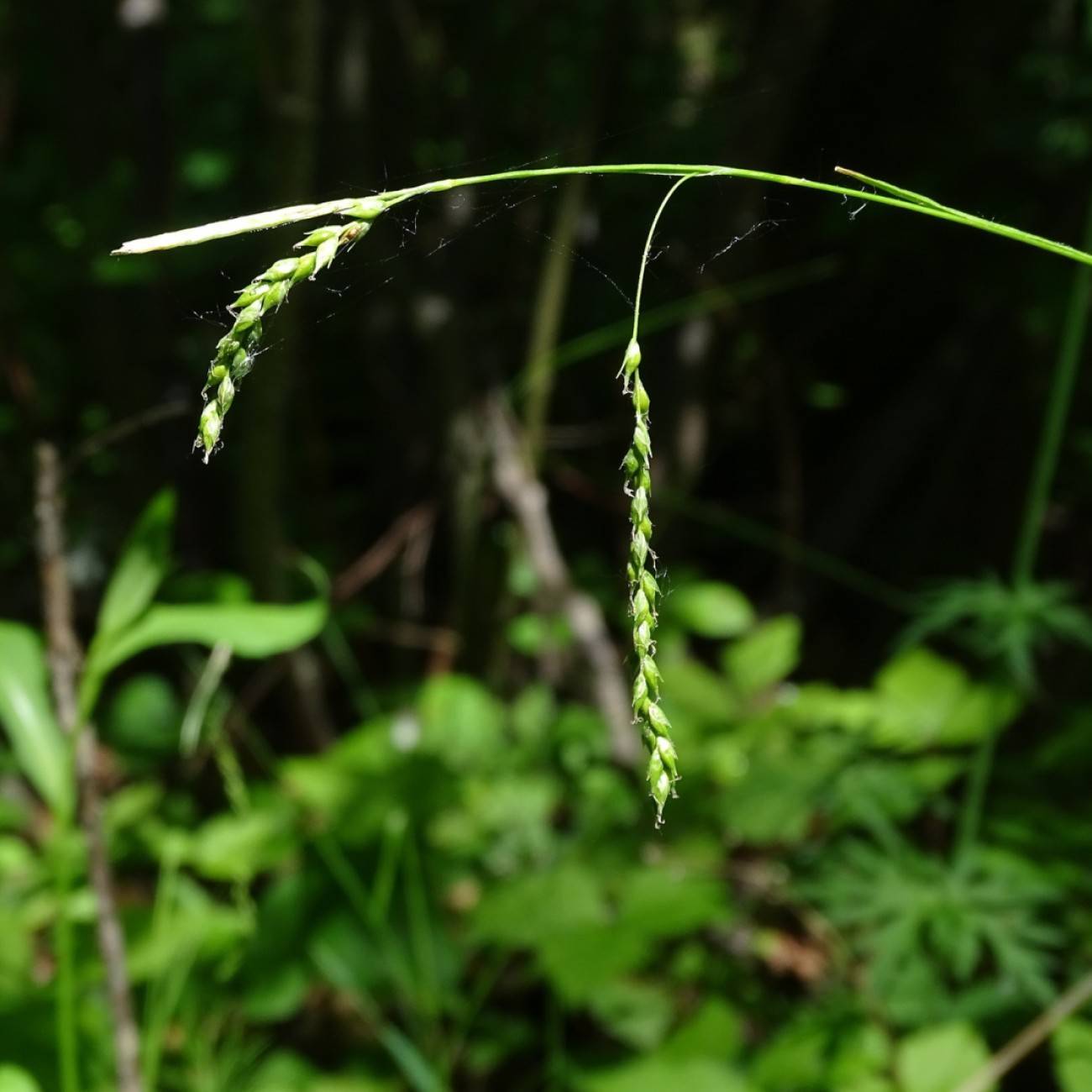
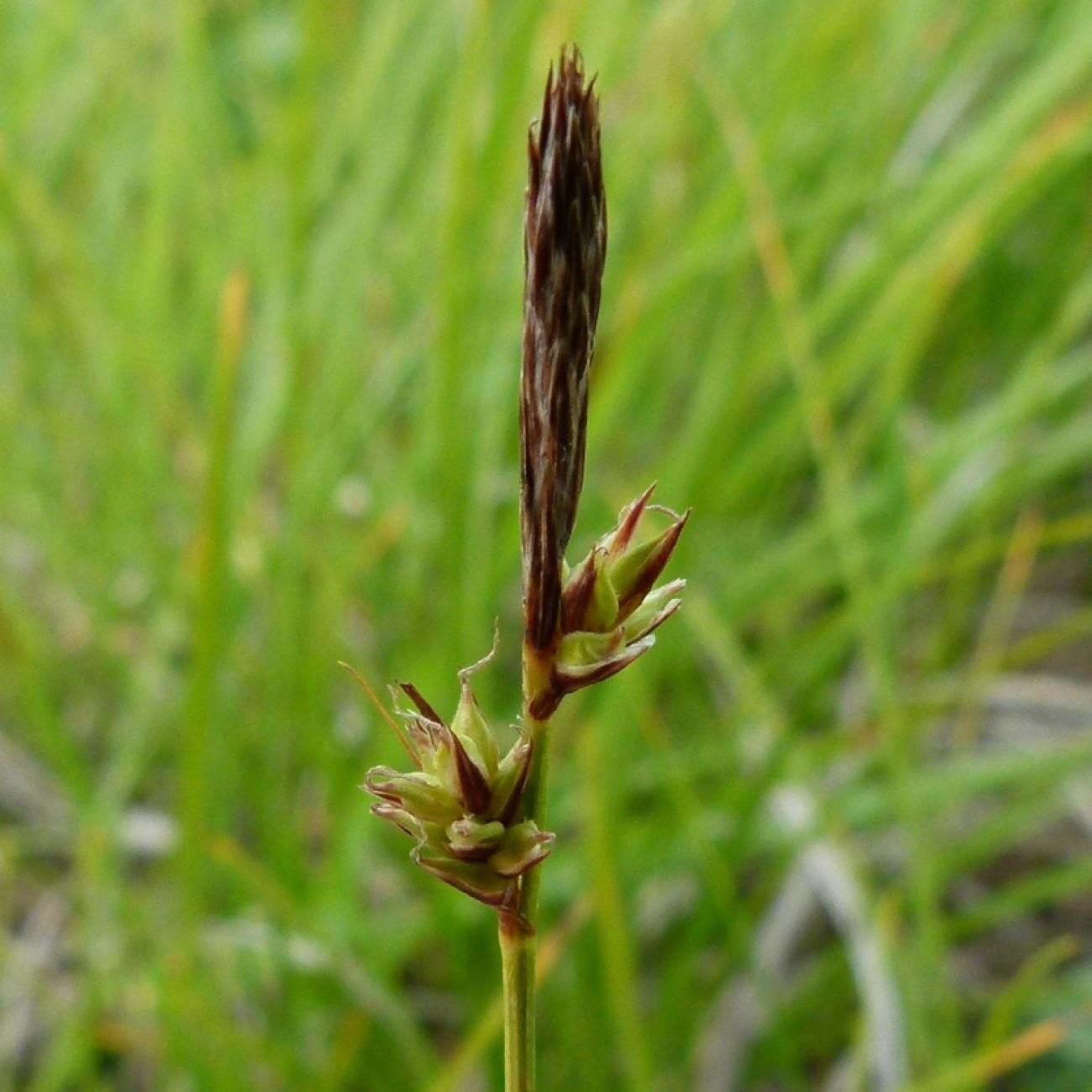
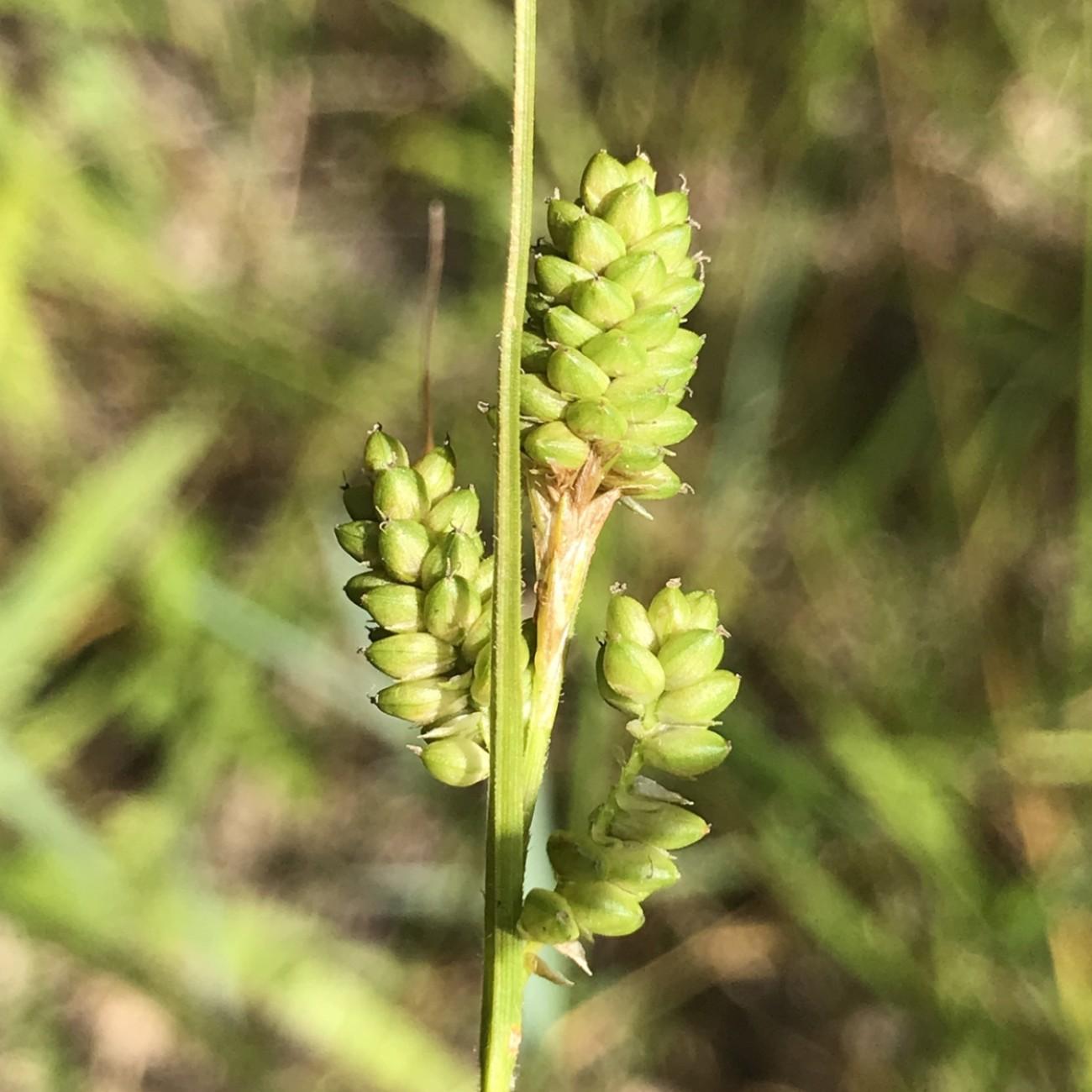
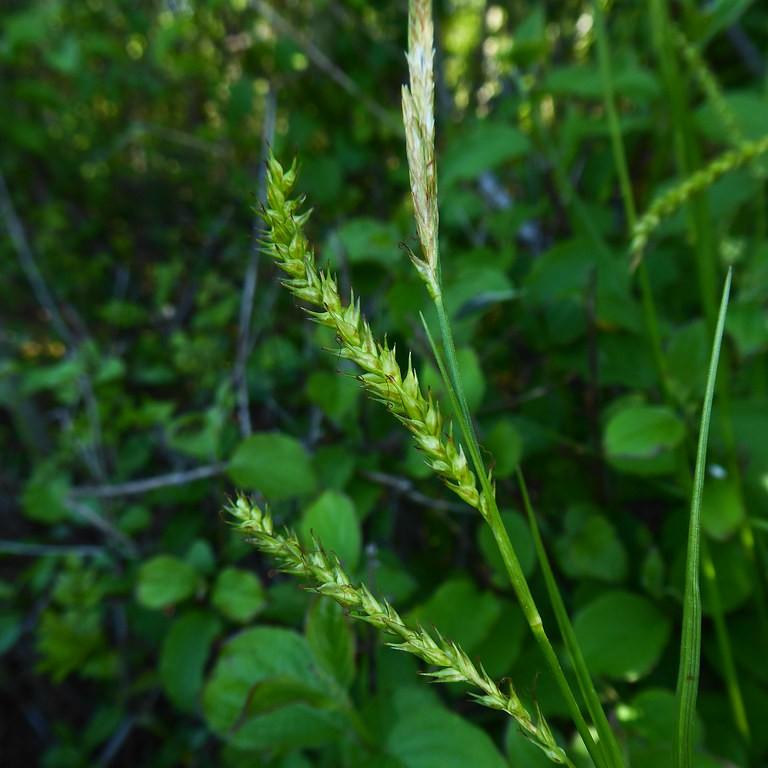
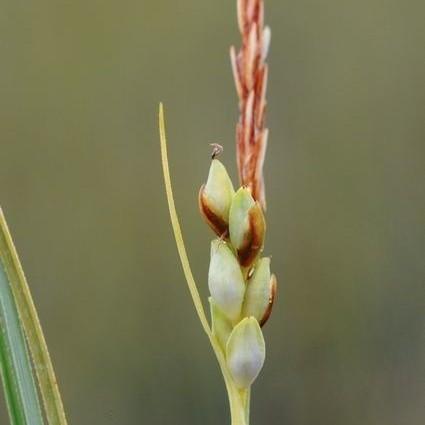
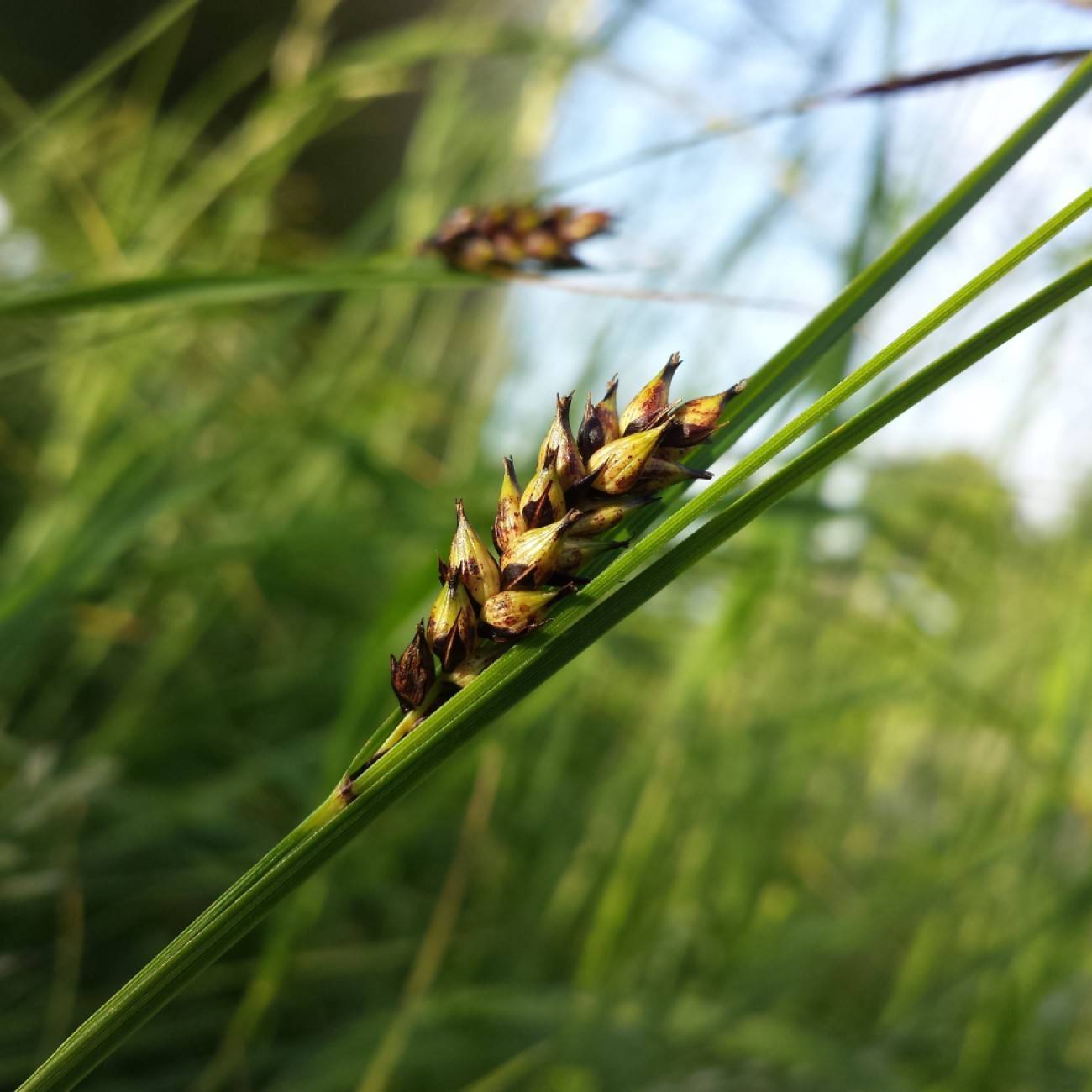
Broad leaved sedge is a cool-season, evergreen perennial that forms dense, mounded clumps of wide, arching foliage with a distinctive silvery-blue sheen. Native to rich deciduous woodlands, it thrives in low-light conditions where many other ground covers struggle, providing year-round visual interest. It is a cool-season grower, putting on most of its new foliage in spring and fall, and remains semi-evergreen through mild winters.
Care Guide
Watering
Keep soil consistently moist but not waterlogged, especially during the first growing season as the plant establishes its root system. Once established, it has moderate drought tolerance, but will look its best with regular watering during extended dry periods. Avoid overwatering in heavy clay soils to prevent root rot.
Light
Performs best in partial to full shade, mimicking its native woodland understory habitat. It can tolerate dappled morning sun, but harsh midday or afternoon sun will scorch its foliage and cause unsightly browning at the leaf tips. In deep full shade, growth may be slightly slower but foliage will retain its vibrant silvery color.
Soil
Prefers rich, well-drained, loamy or sandy soil with high organic matter content, similar to the forest floors it naturally inhabits. It tolerates a wide pH range from slightly acidic to slightly alkaline, but thrives in neutral to slightly acidic conditions. Heavy clay soils should be amended with compost or leaf mold to improve drainage before planting.
Fertilizer
Apply a balanced, slow-release granular fertilizer in early spring before new growth emerges, using a formulation designed for shade-loving perennials. Avoid over-fertilizing, as this can cause overly lush, floppy growth that is more prone to pest damage. If grown in soil rich in organic matter, it may only require fertilization once every 2 to 3 years.
Temperature
Hardy in USDA zones 3 to 8, tolerating winter temperatures as low as -40°F (-40°C) without damage. It is a cool-season grower, thriving in temperatures between 50-75°F (10-24°C), and may go semi-dormant during extended periods of summer heat above 90°F (32°C). Winter snow cover helps protect its evergreen foliage in colder northern regions.
Pruning
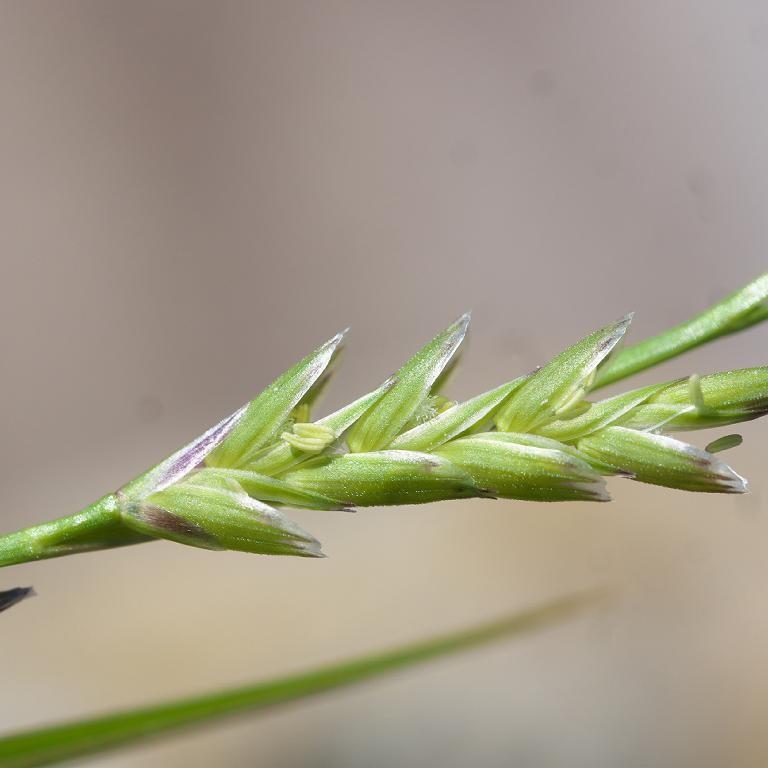
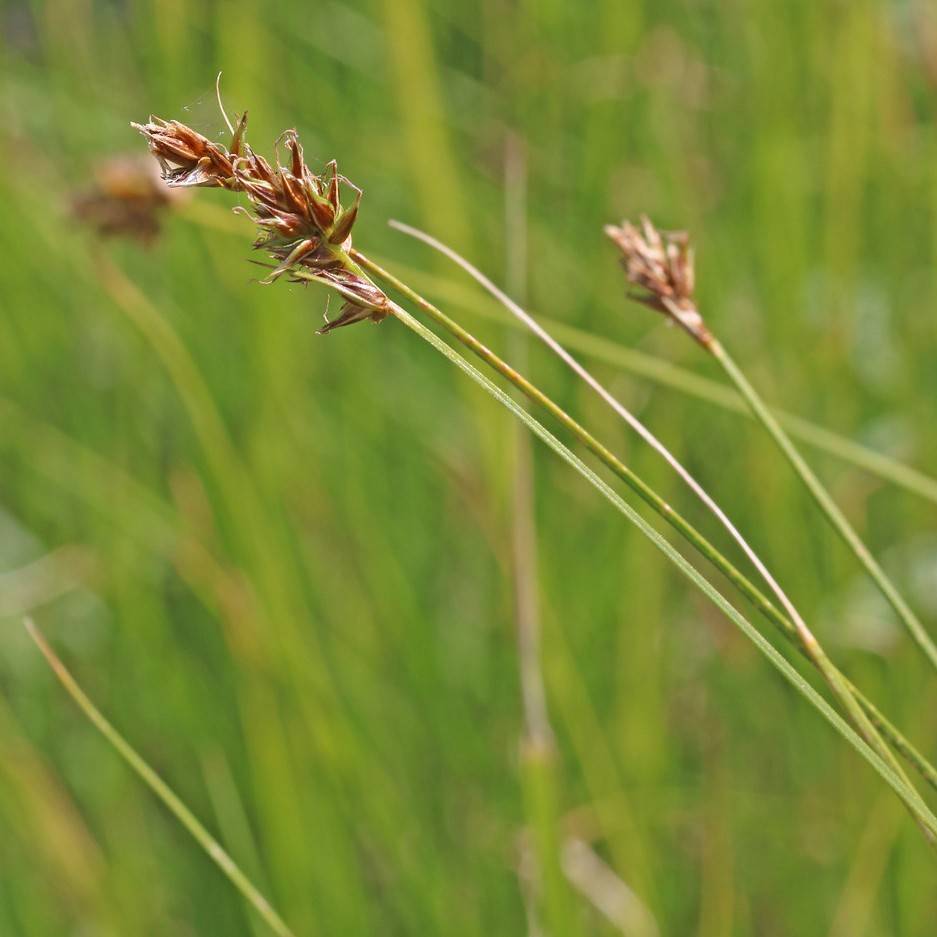
Trim back any tattered or browned foliage in early spring before new growth emerges to encourage fresh, healthy leaf production. Remove any flower stalks after blooming if you prefer a neater, purely foliage-focused appearance, though the subtle brown seed heads provide mild winter interest. No regular shearing is required, as the plant maintains its compact, mounded shape naturally.
Propagation
Easiest propagated by division in early spring or late fall, when the plant is not actively growing during hot summer weather. Dig up mature clumps, gently separate them into smaller sections with a sharp knife, ensuring each section has a healthy root mass and several growing points, then replant immediately at the same depth as the original plant. It can also be grown from seed, though seed germination is slow and plants will take 2 to 3 years to reach mature size.
Humidity
Tolerates average ambient humidity levels common in its native range, between 40-70%. It does not require additional humidity when grown outdoors, though consistent soil moisture helps it thrive in drier air conditions. Indoor-grown specimens benefit from occasional misting if indoor humidity drops below 30% during winter heating months.
Repotting
If grown in containers, repot every 2 to 3 years in early spring, moving to a pot one size larger once roots begin to grow through the drainage holes. Use a high-quality potting mix amended with leaf mold or compost to mimic its preferred woodland soil conditions. Ensure the pot has adequate drainage holes to prevent waterlogging of the root system.
Uses & Symbolism
Broad leaved sedge is widely used as a low-maintenance ground cover in shade gardens, woodland landscapes, and underplanting for trees and large shrubs, where it suppresses weeds and reduces erosion. Its silvery-blue foliage provides excellent contrast to dark green hostas, ferns, and wildflowers in native plant gardens, and its semi-evergreen habit offers year-round visual interest. It is also a valuable plant for pollinator and wildlife gardens, providing seed for birds and shelter for small beneficial insects.
Diseases & Pests
Broad leaved sedge is largely pest and disease resistant, with few serious issues when grown in its preferred conditions. Overly wet, poorly drained soils can lead to root rot and fungal leaf spot diseases, which can be prevented by ensuring proper soil drainage and avoiding overhead watering. Rarely, it may be affected by aphids or spider mites, which can be treated with insecticidal soap or neem oil applications.
Related plants
Other plants you might like if you grow Broad Leaved Sedge.