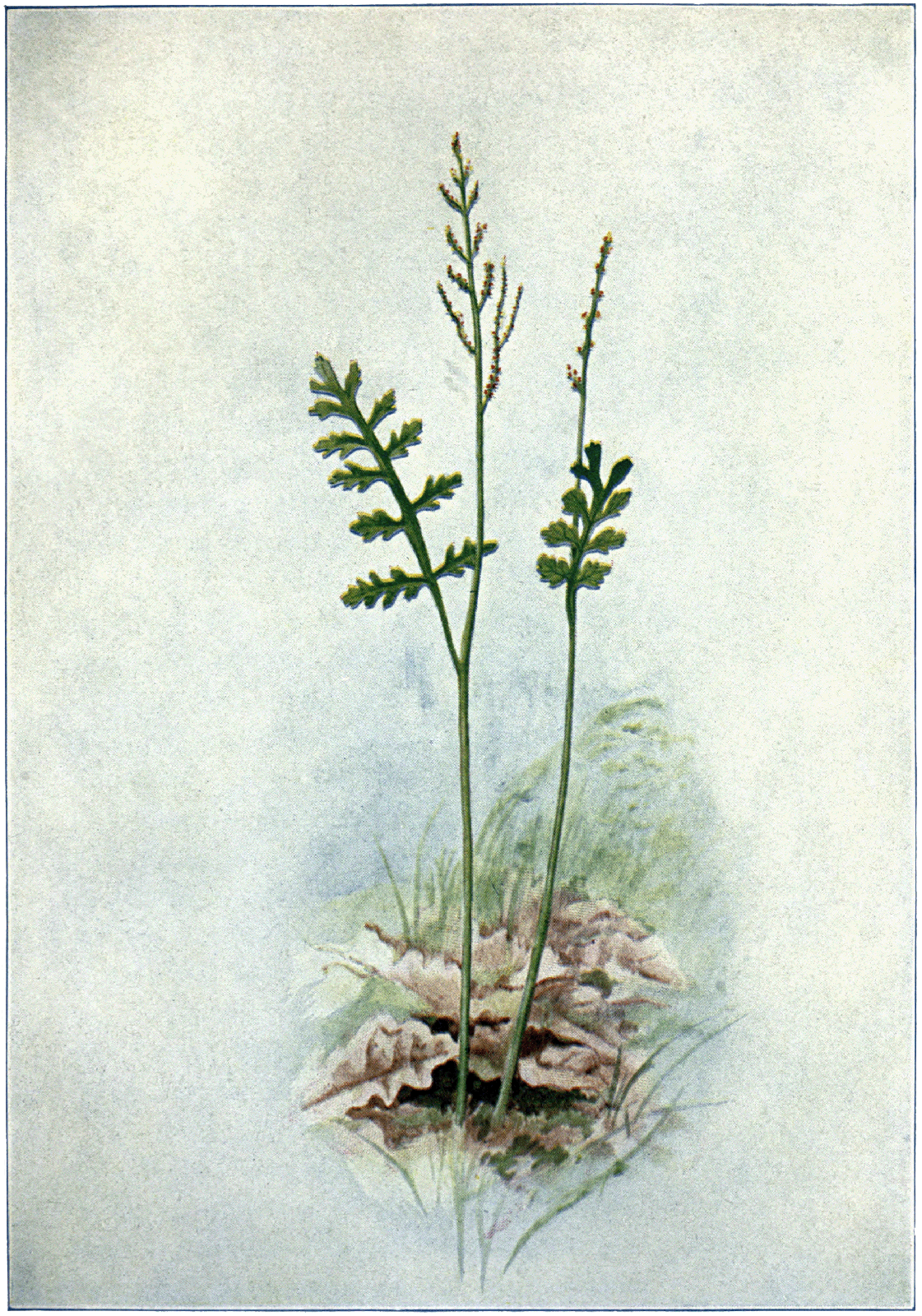
Chamomile Grape Fern
Botrychium matricariifolium
Overview
Chamomile Grape Fern is a low-growing, deciduous fern recognized for its two distinct frond types: a sterile, finely divided green frond that resembles chamomile foliage, and a separate fertile frond that produces small, spherical sporangia clustered like unripe grapes. It typically grows in moist, shaded meadows, open woodlands, and grassy slopes, often forming small, scattered colonies rather than dense patches. Unlike many common ferns, it produces spores in late spring to early summer rather than on the underside of its sterile foliage.
Care Guide
Watering
Keep the soil consistently moist but not waterlogged, as this fern is sensitive to both drought and saturated root conditions. Water deeply when the top 1 inch of soil feels dry to the touch, reducing frequency slightly during winter dormancy. Avoid overhead watering that can damage delicate fronds, directing water directly to the soil around the plant’s base.
Light
Thrives in partial to full shade, mimicking the dappled sunlight of its native woodland and meadow understory habitats. Avoid direct, intense midday sun, which can scorch its thin, delicate fronds and cause rapid moisture loss. It can tolerate very low light conditions but will produce lusher foliage with 2-4 hours of filtered morning sun daily.
Soil
Requires well-draining, humus-rich soil with a neutral to slightly acidic pH, ideally amended with leaf mold or compost to replicate its natural woodland growing medium. Heavy clay soils should be loosened and mixed with peat moss or perlite to improve drainage and prevent root rot. Sandy soils need added organic matter to retain sufficient moisture for healthy root growth.
Fertilizer
Feed sparingly once per year in early spring with a diluted, balanced liquid organic fertilizer, as excessive nutrients can damage its sensitive root system. Avoid synthetic, high-nitrogen fertilizers, which can cause lush, weak growth that is more susceptible to pest and disease damage. No additional fertilization is needed for plants grown in soil already rich in organic matter.
Temperature
Prefers cool temperate climates, thriving in average daytime temperatures between 55-75°F (13-24°C) and cooler nighttime temperatures down to 40°F (4°C). It is winter hardy to USDA zones 3-7, dying back completely to the ground in winter and resprouting from underground rhizomes in early spring. Protect from extreme heat above 85°F (29°C) with additional shade and regular moisture to prevent dormancy.
Pruning
Requires very little pruning; simply remove brown, wilted fronds at the base in late fall or early spring before new growth emerges to keep the planting area tidy. Avoid cutting green, healthy fronds, as they produce energy for the plant’s rhizome to support future growth and spore production. If fronds become damaged by pests or disease, remove them promptly to prevent spread to healthy foliage.
Propagation
Most reliably propagated by dividing mature underground rhizomes in early spring just as new growth begins to emerge, taking care to keep each division attached to a small section of rhizome with intact roots. It can also be grown from spores, though this process is very slow, taking 2-3 years for plants to reach mature size, and requires sterile, moist growing medium and consistent cool, shaded conditions. Wild specimens should not be collected, as many regional populations are sensitive to habitat disturbance.
Humidity
Thrives in moderate to high humidity levels between 50-70%, typical of its native shaded, moist habitats. If grown indoors, place the pot on a tray filled with pebbles and water to raise ambient humidity around the plant, avoiding misting that can promote fungal growth on delicate fronds. Low humidity below 40% can cause frond edges to brown and curl, requiring regular moisture adjustments to maintain healthy growth.
Repotting
Repot container-grown specimens every 2-3 years in early spring before new growth emerges, using a fresh, humus-rich potting mix to replenish nutrients and improve drainage. Choose a pot only 1-2 inches larger than the current root ball, as this fern prefers tight root conditions and excess soil can hold too much moisture and cause root rot. Handle the delicate rhizome carefully during repotting to avoid damaging fine, shallow roots.
Uses & Symbolism
Chamomile Grape Fern is occasionally grown in native plant gardens, shaded rock gardens, and woodland restoration projects to support local biodiversity and provide natural ground cover in low-light areas. Historically, some Indigenous North American communities used small amounts of the plant in traditional herbal remedies for minor ailments, though it is not widely used in modern herbalism due to its low abundance and similarity to toxic fern species. It is also valued by fern enthusiasts for its unique, delicate appearance and unusual spore-bearing structure.
Diseases & Pests
The most common issues affecting Chamomile Grape Fern are root rot caused by overwatering or poorly draining soil, and fungal leaf spots that develop in overly humid, poorly ventilated conditions. Slugs and snails may feed on young, tender fronds in moist, shaded areas, especially during cool spring weather. It is generally resistant to most common fern pests, though aphids may occasionally colonize new growth, which can be removed with a gentle stream of water or insecticidal soap.
Related plants
Other plants you might like if you grow Chamomile Grape Fern.
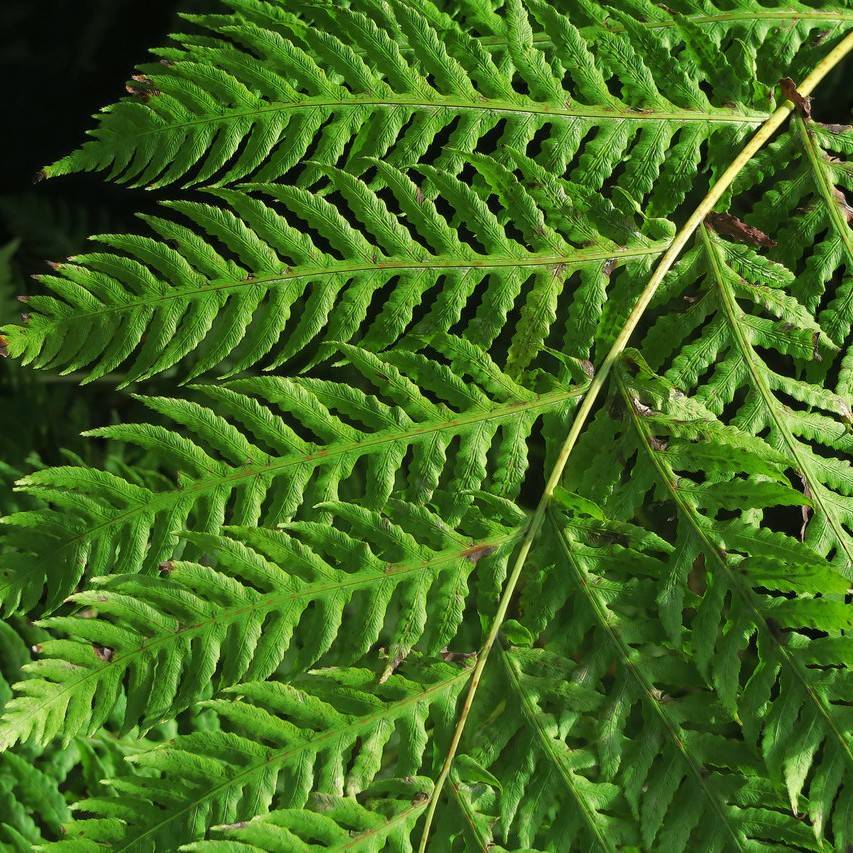
Giant Chain Fern
Woodwardia fimbriata
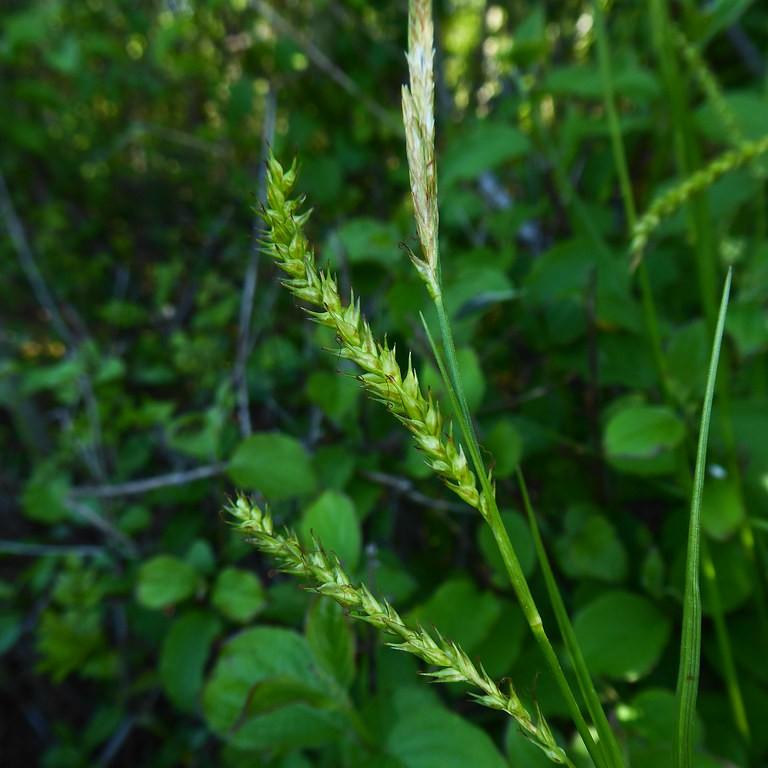
European Woodland Sedge
Carex sylvatica
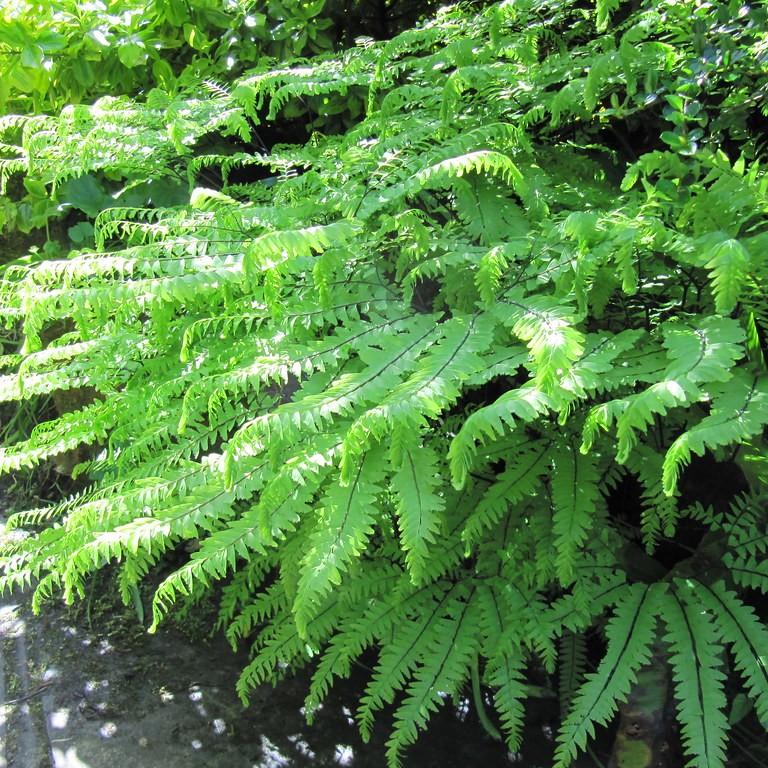
Dwarf Coastal Maidenhair Fern
Adiantum aleuticum 'Subpumilum'
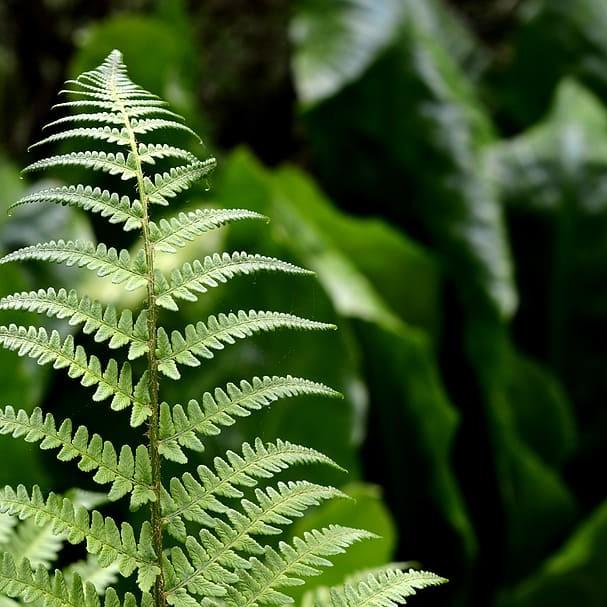
Beech Fern
Phegopteris connectilis
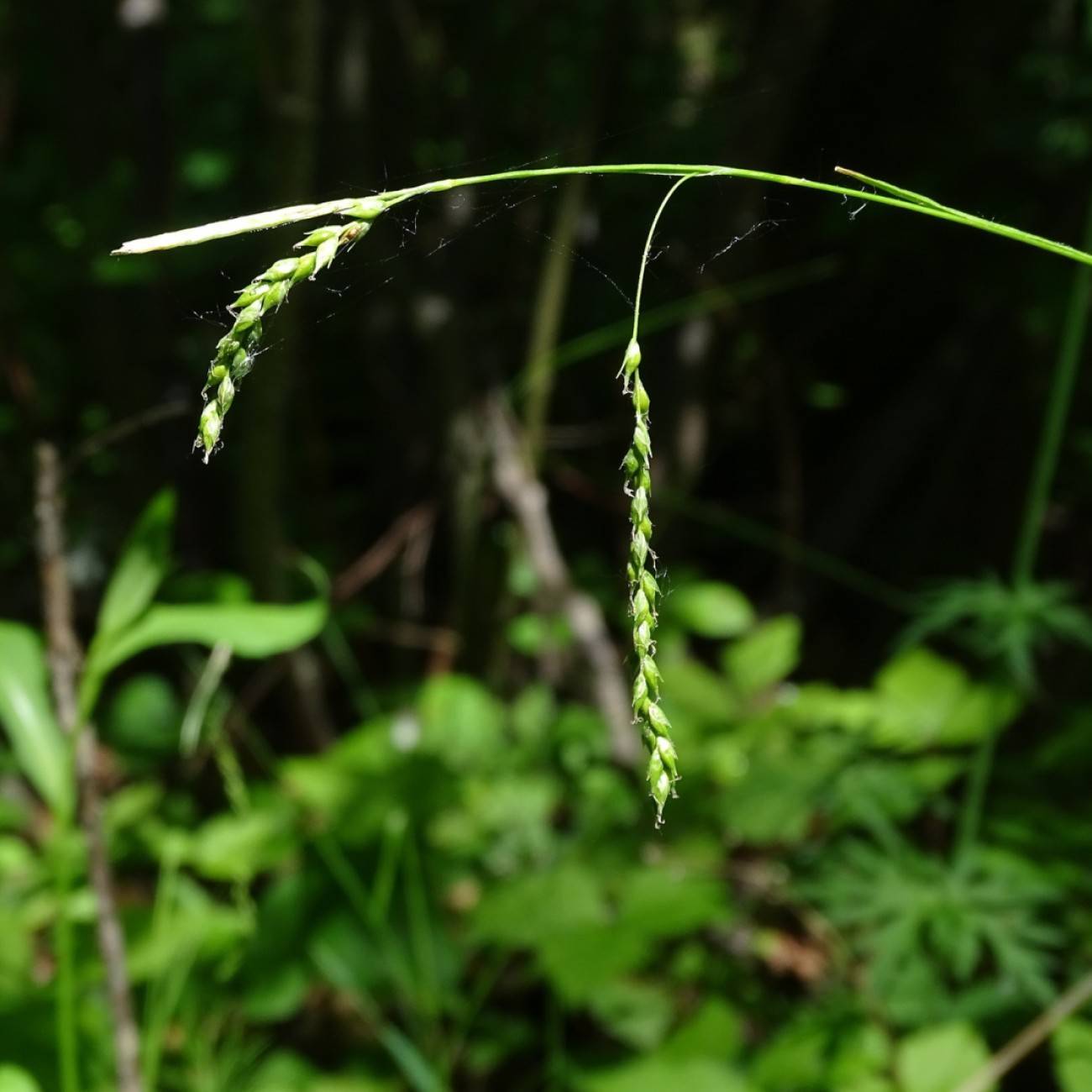
Drooping Wood Sedge
Carex arctata
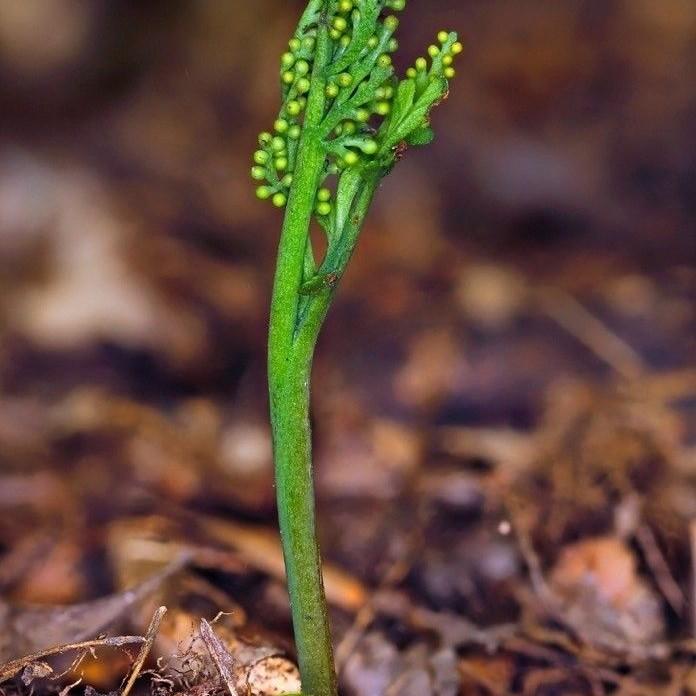
Lance Leaved Moonwort
Botrychium lanceolatum
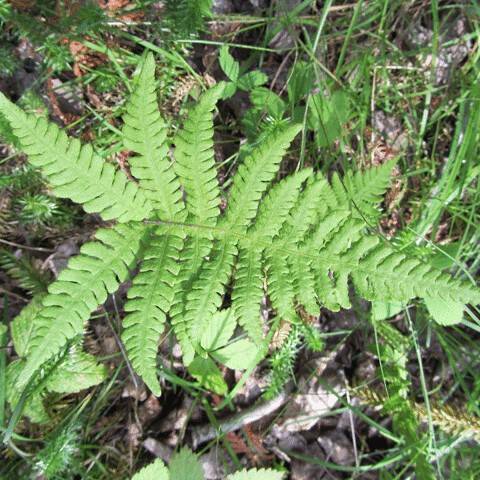
Broad Beech Fern
Phegopteris hexagonoptera
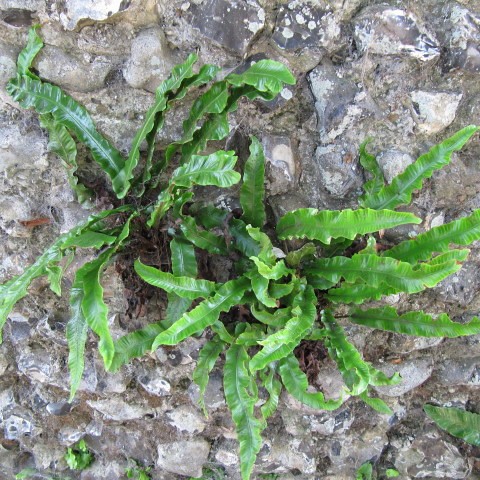
European Hart's Tongue Fern
Asplenium scolopendrium