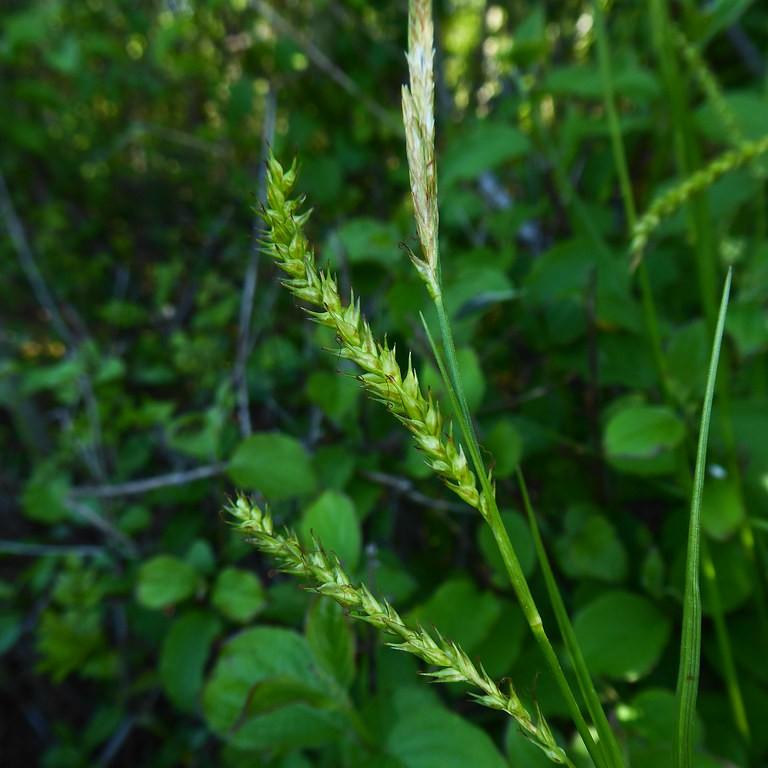
European Woodland Sedge
Carex sylvatica
Overview
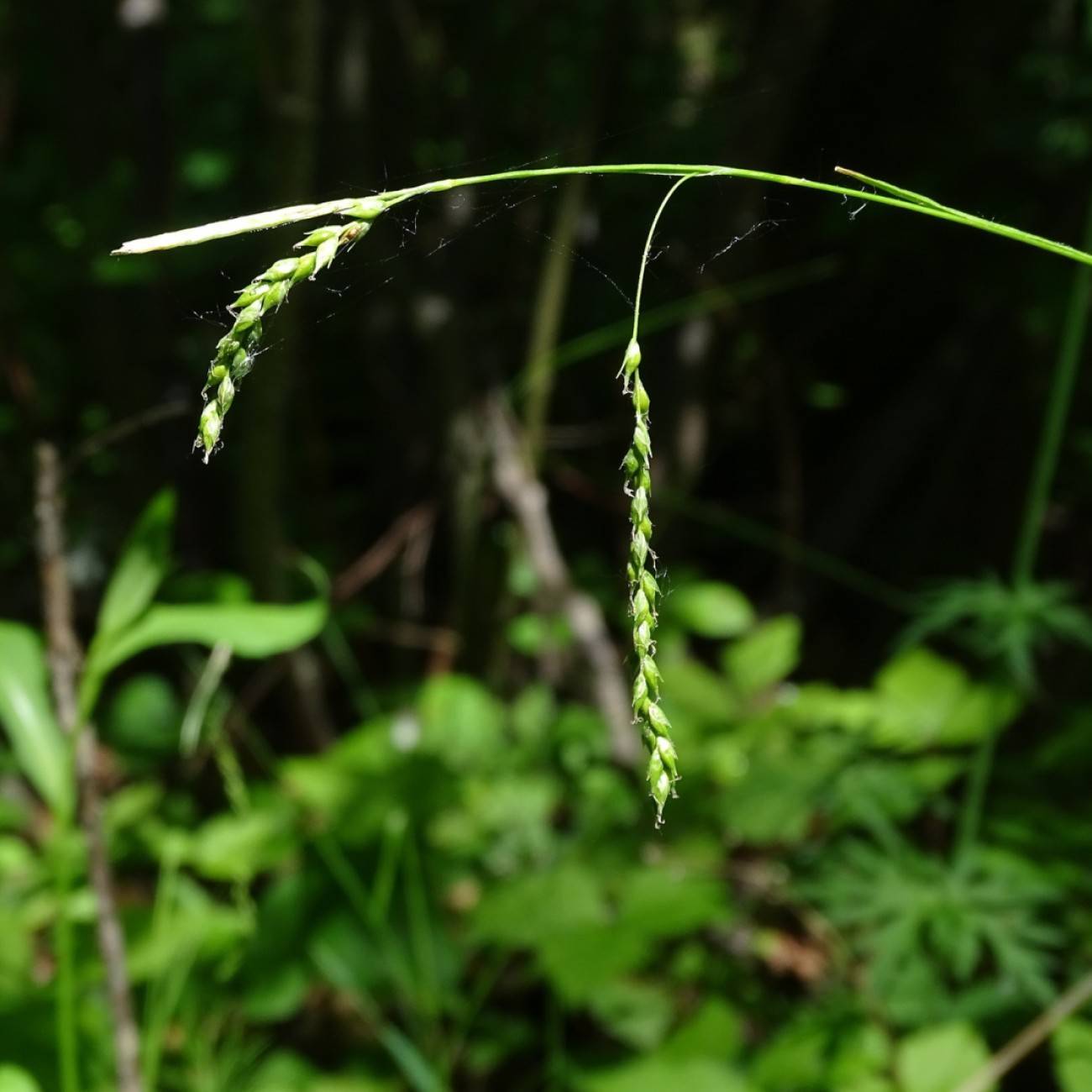
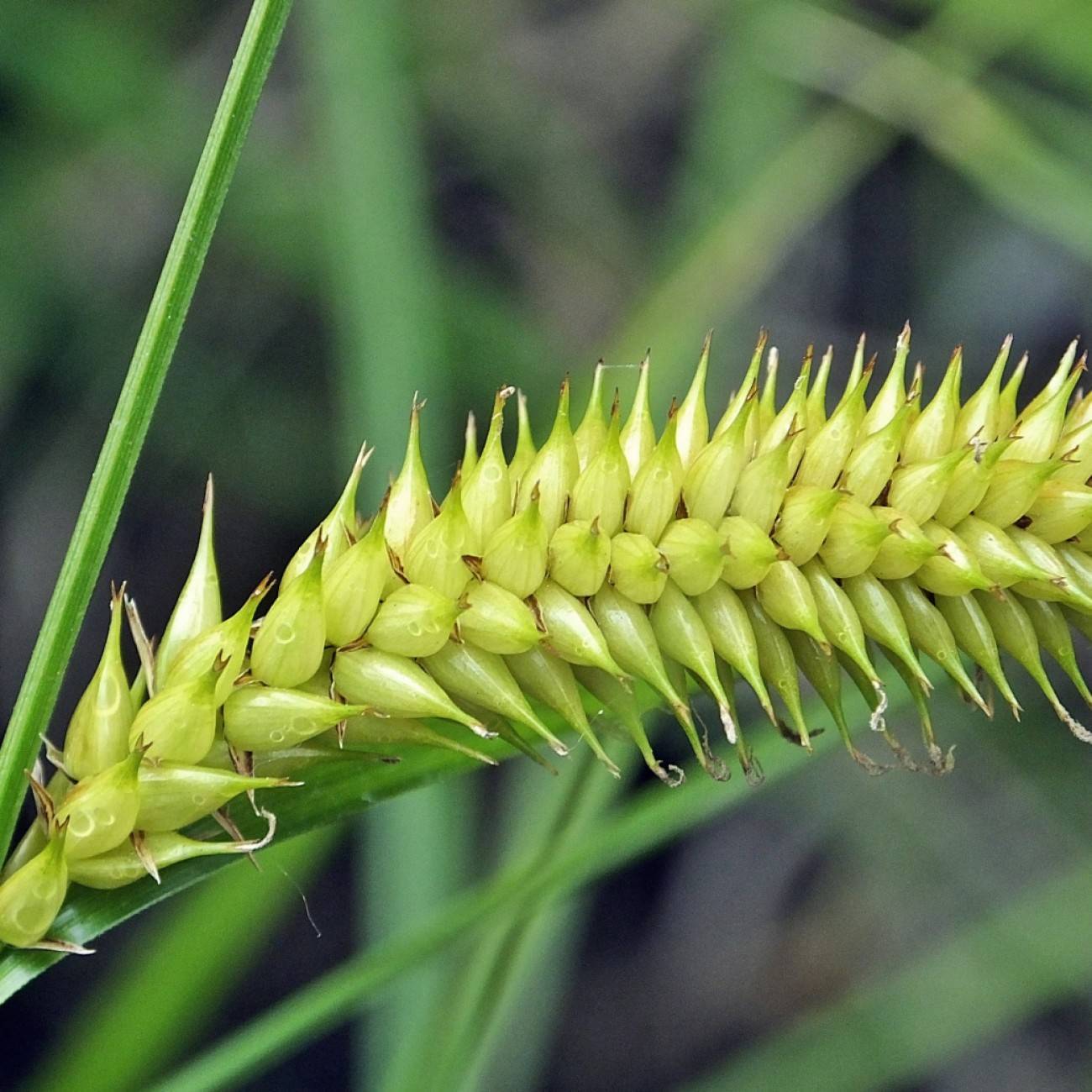
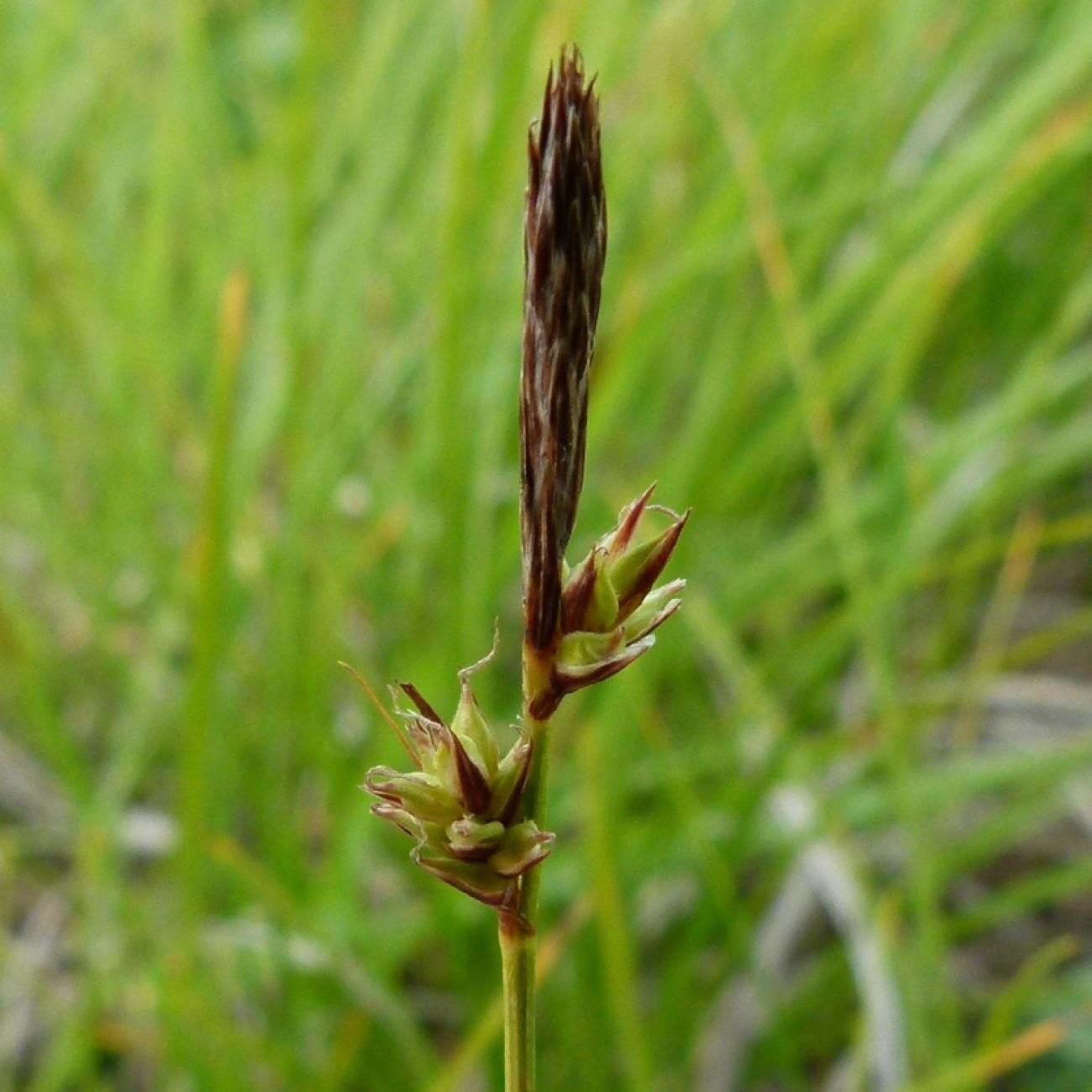
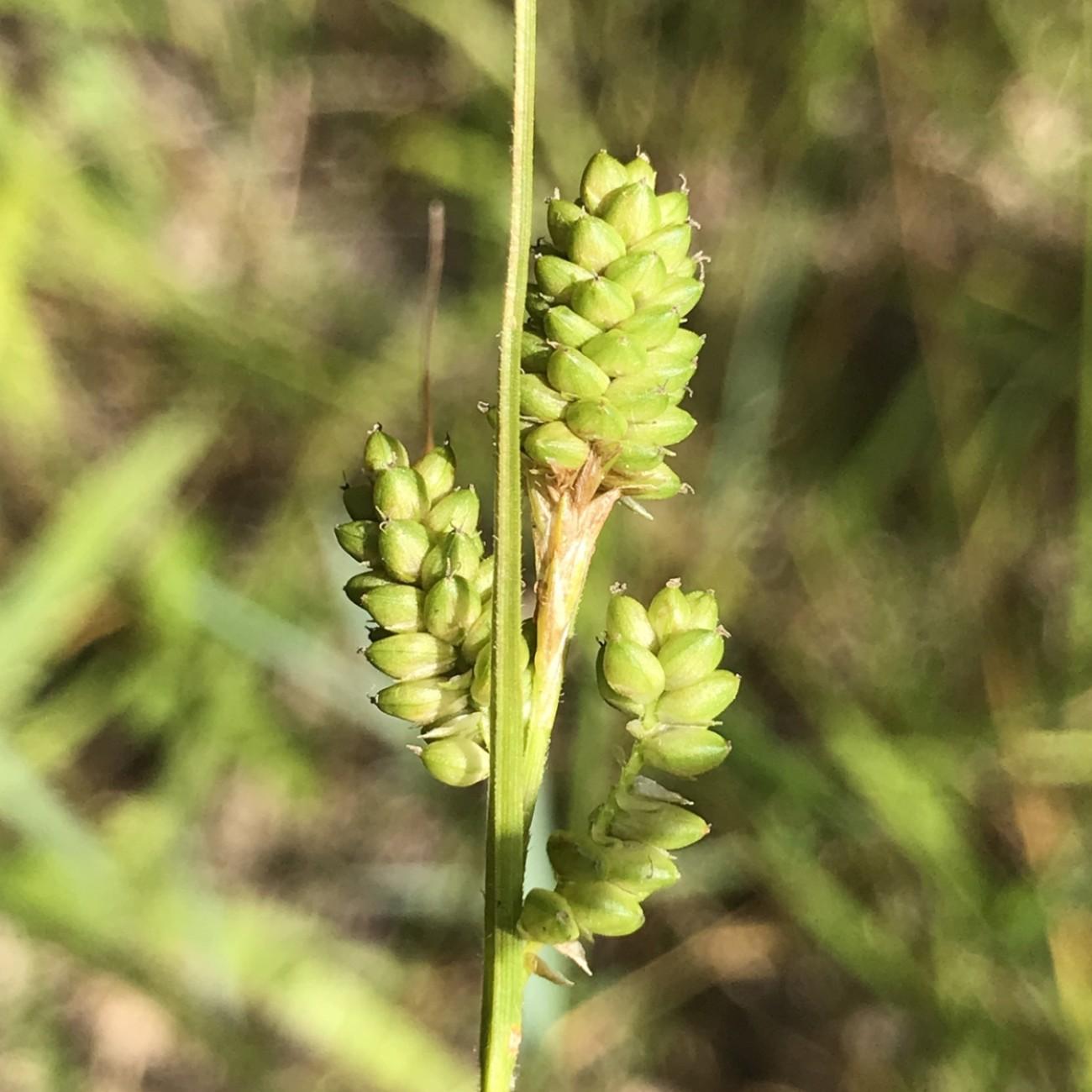
European woodland sedge is a low-growing, tufted herbaceous perennial that forms dense mounds of soft, linear foliage, making it an ideal ground cover for shaded areas. Unlike true grasses, it produces small, inconspicuous brownish flower spikes in late spring, held above the foliage on slender stems. It is highly adapted to low-light, moist woodland habitats, and spreads slowly via short rhizomes without becoming aggressively invasive in garden settings.
Care Guide
Watering
Keep the soil consistently moist but not waterlogged, as this species naturally thrives in damp woodland soils. Water regularly during dry periods to prevent the soil from drying out completely, and reduce watering frequency in the cooler winter months when growth slows. Avoid overhead watering to minimize the risk of foliar fungal issues.
Light
Prefers partial to full shade, mimicking its native dappled woodland habitat. It can tolerate small amounts of morning sun, but harsh midday or afternoon sun will scorch its delicate foliage and cause it to yellow. In indoor settings, place it in a north-facing window or a spot with bright, indirect light away from direct sun exposure.
Soil
Grows best in fertile, humus-rich, well-draining soil with a slightly acidic to neutral pH. Amending garden soil with leaf mold, compost, or well-rotted manure will replicate the organic woodland topsoil it prefers. For container growth, use a peat-free multipurpose compost mixed with perlite to improve drainage while retaining moisture.
Fertilizer
Feed once annually in early spring with a balanced, slow-release organic fertilizer to support new seasonal growth. Over-fertilization will cause excessive, leggy growth that disrupts the plant’s natural clumping habit, so avoid frequent or high-nitrogen feeds. No additional fertilization is needed for plants grown in rich, organic garden soil that is top-dressed with compost each year.
Temperature
Thrives in cool to moderate temperatures between 50-75°F (10-24°C), and is hardy to USDA zones 4-8, tolerating winter temperatures as low as -30°F (-34°C) when planted outdoors. It dislikes prolonged heat above 85°F (29°C), which can cause foliage to brown at the tips, so provide extra shade and moisture during summer heatwaves. Indoor specimens should be kept away from direct heat sources like radiators to prevent foliage desiccation.
Pruning
Trim back any brown, dead, or damaged foliage in late winter or early spring before new growth emerges to keep the clump looking tidy. If the plant becomes overly large or untidy, you can cut the entire clump back to 2-3 inches (5-7 cm) above the soil line in early spring, and it will regrow vigorously over the growing season. Remove spent flower spikes after blooming if desired, though leaving them in place provides food for small seed-eating birds.
Propagation
The easiest method is division of established clumps in early spring or early fall, when the plant is not in active growth. Dig up the entire clump, gently separate it into smaller sections with a sharp knife, ensuring each section has a healthy portion of roots and foliage, then replant immediately at the same depth as the original plant. It can also be grown from seed sown in fall directly outdoors, as the seeds require a period of cold stratification to germinate, though this method takes longer to produce mature plants.
Humidity
Prefers moderate to high humidity levels between 50-70%, consistent with its native damp woodland environment. Indoor specimens benefit from regular misting with room-temperature water, or placement on a pebble tray filled with water to raise ambient humidity around the plant. Avoid placing it in very dry, air-conditioned environments, as this will cause leaf tips to turn brown.
Repotting
Container-grown specimens only need repotting every 2-3 years, when the roots have filled the pot and begin to grow out of the drainage holes. Repot in early spring before new growth starts, using a slightly larger pot with fresh, organic potting mix amended with leaf mold. Take care not to plant it too deeply, as this can cause root rot, and water thoroughly after repotting to settle the soil around the roots.
Uses & Symbolism
European woodland sedge is widely used as a low-maintenance ground cover in shaded garden beds, woodland gardens, and underplanting for large shrubs and trees, where it suppresses weeds and prevents soil erosion. It is also a popular choice for rain gardens and damp, shaded areas where many other plants struggle to thrive, and it provides habitat and food for small pollinators, caterpillars, and seed-eating birds. In floristry, its delicate arching foliage is sometimes used as a filler in cut flower arrangements for its soft, natural texture.
Diseases & Pests
This species is largely pest and disease resistant, but can be susceptible to aphids and spider mites in dry, low-humidity indoor environments, which can be treated with insecticidal soap or neem oil. Overly waterlogged soil or poor drainage can lead to root rot, so ensure the soil never sits in standing water for extended periods. Fungal leaf spot may occur in very humid, poorly ventilated conditions, which can be managed by removing affected foliage and improving air circulation around the plant.
Related plants
Other plants you might like if you grow European Woodland Sedge.