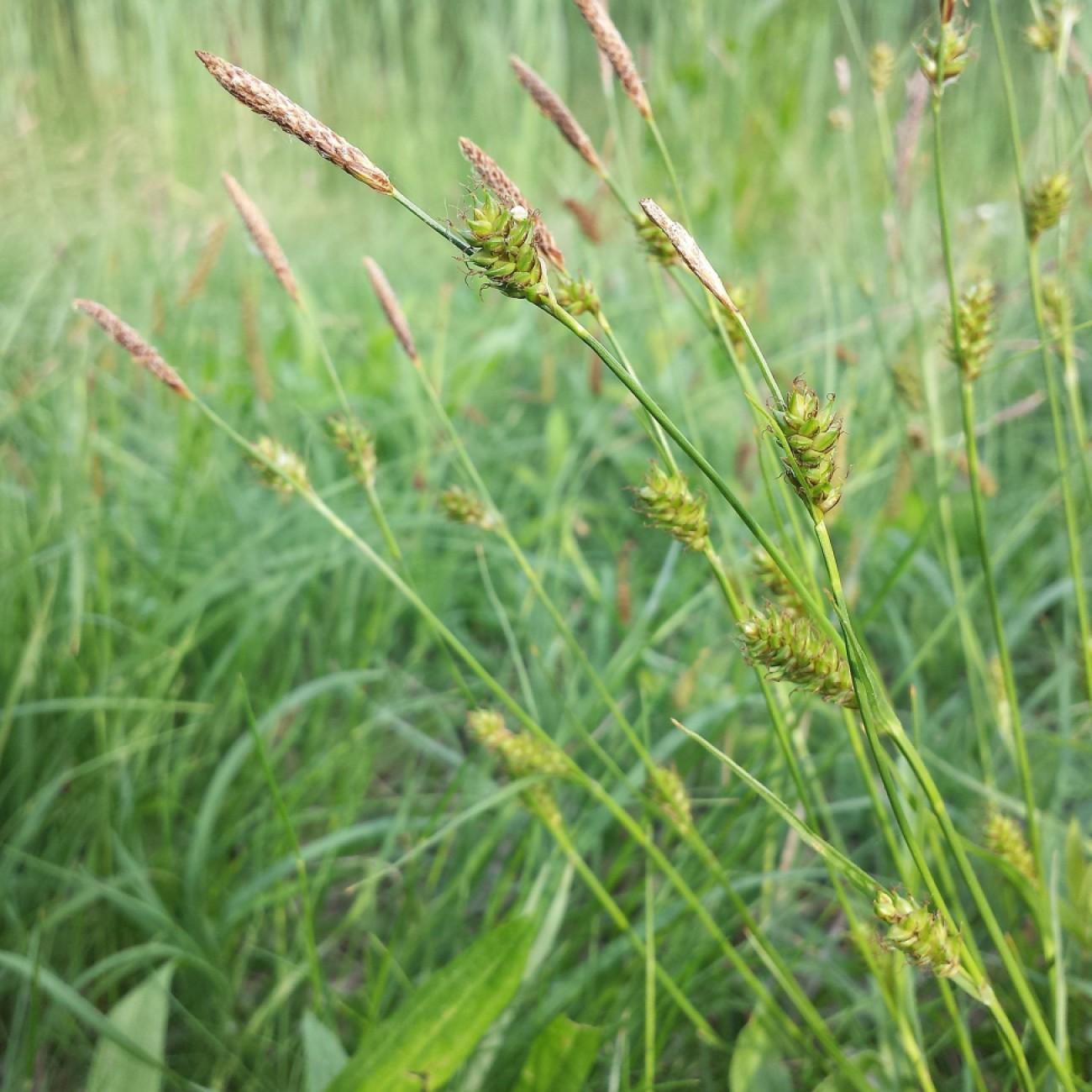
Distant Sedge
Carex distans
Overview
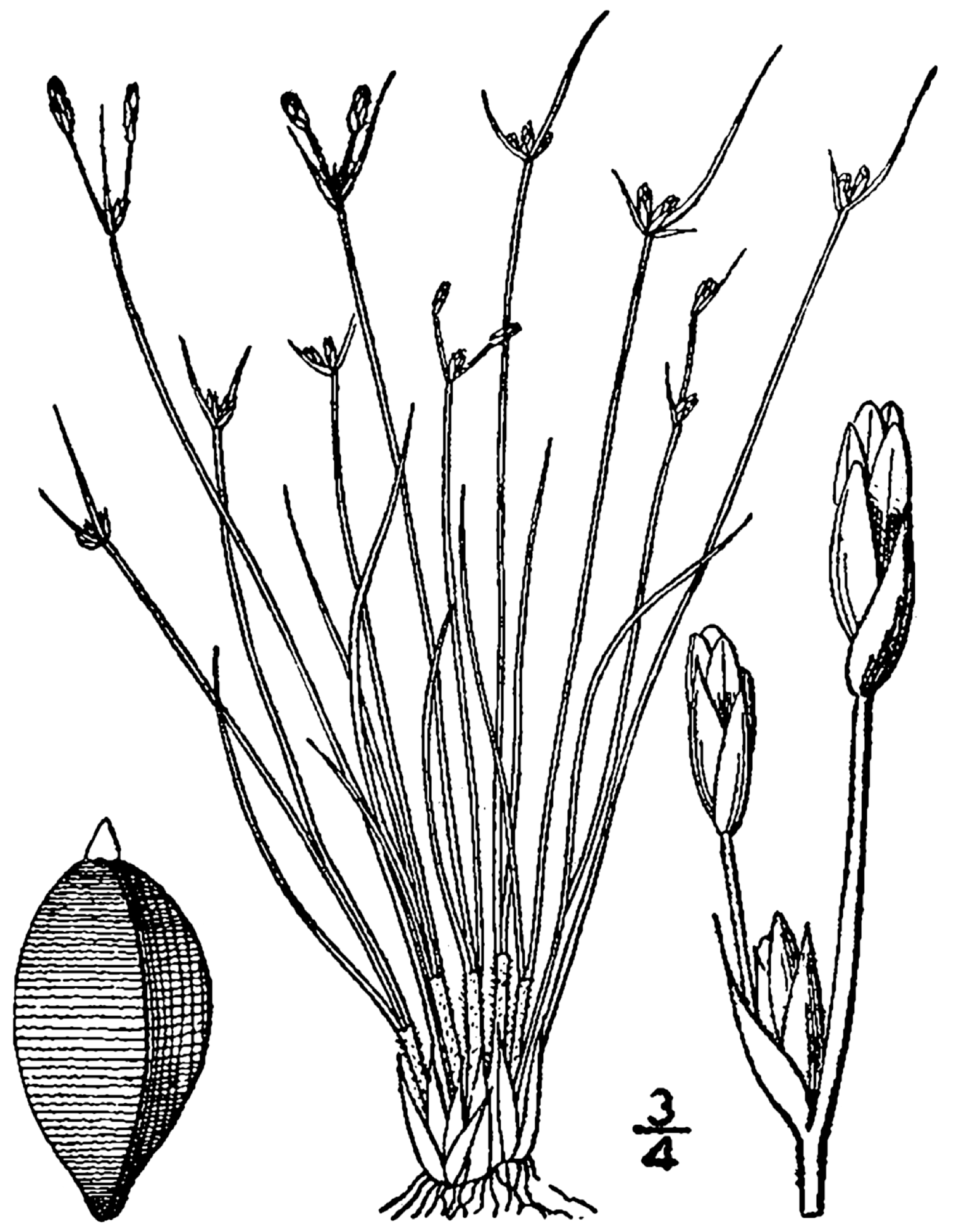
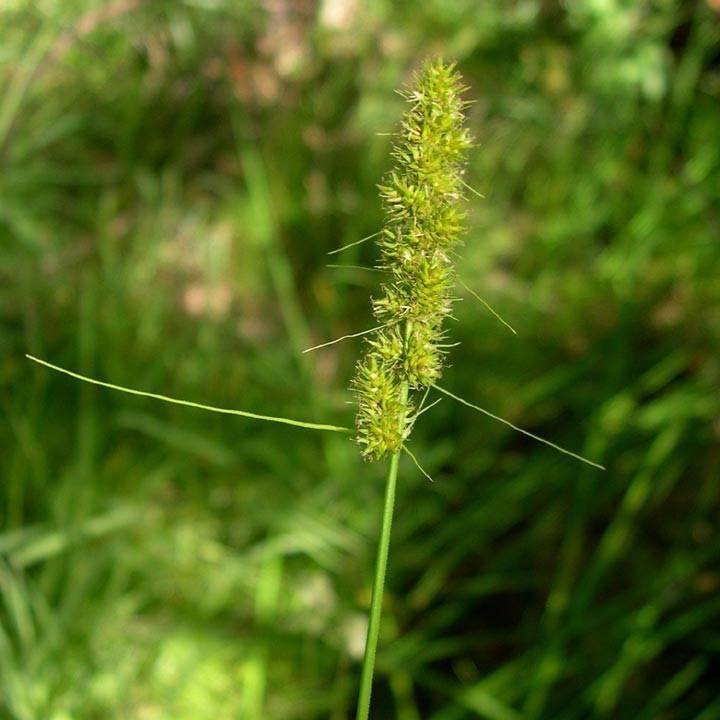
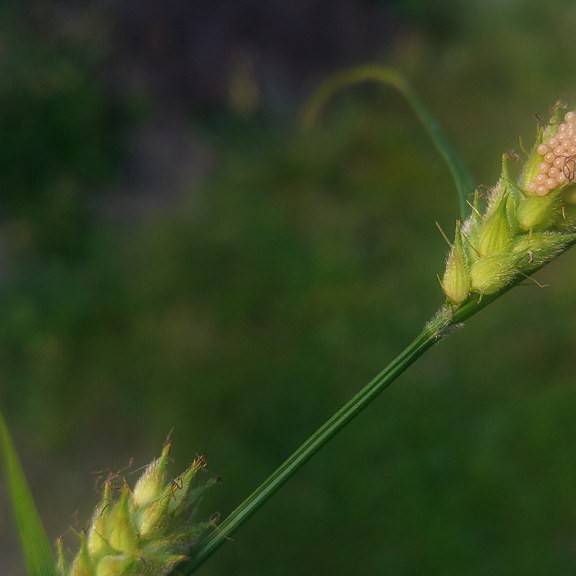
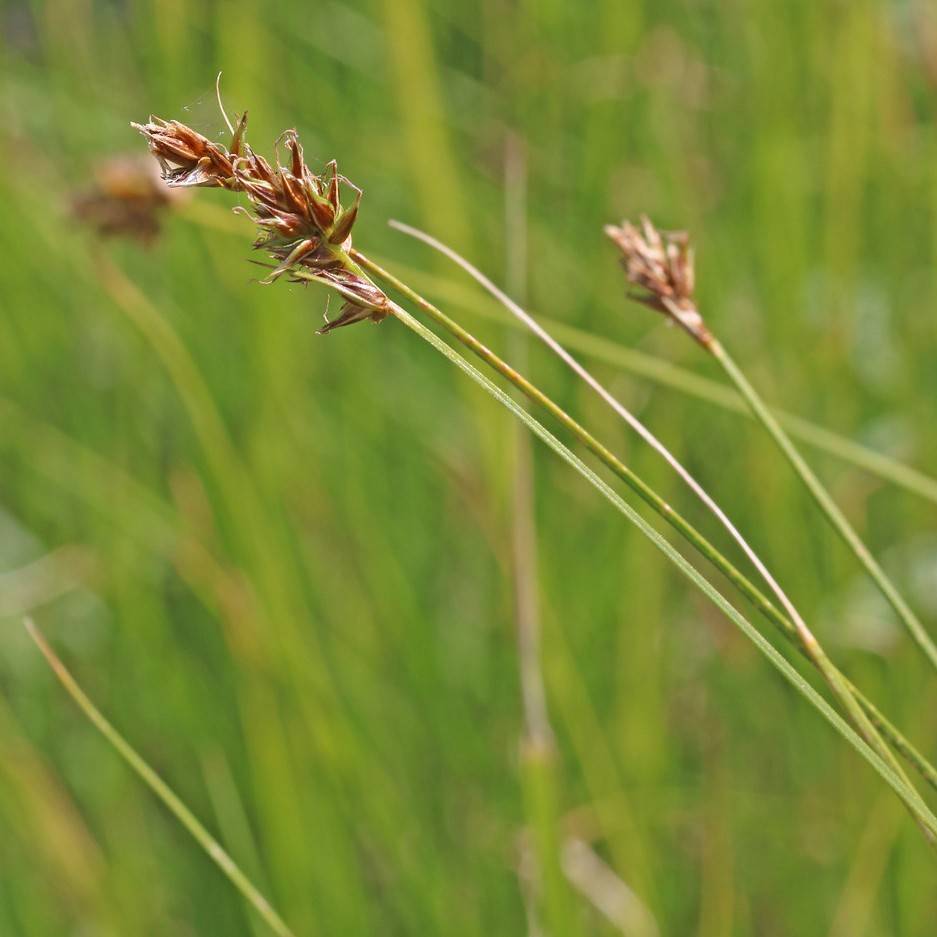
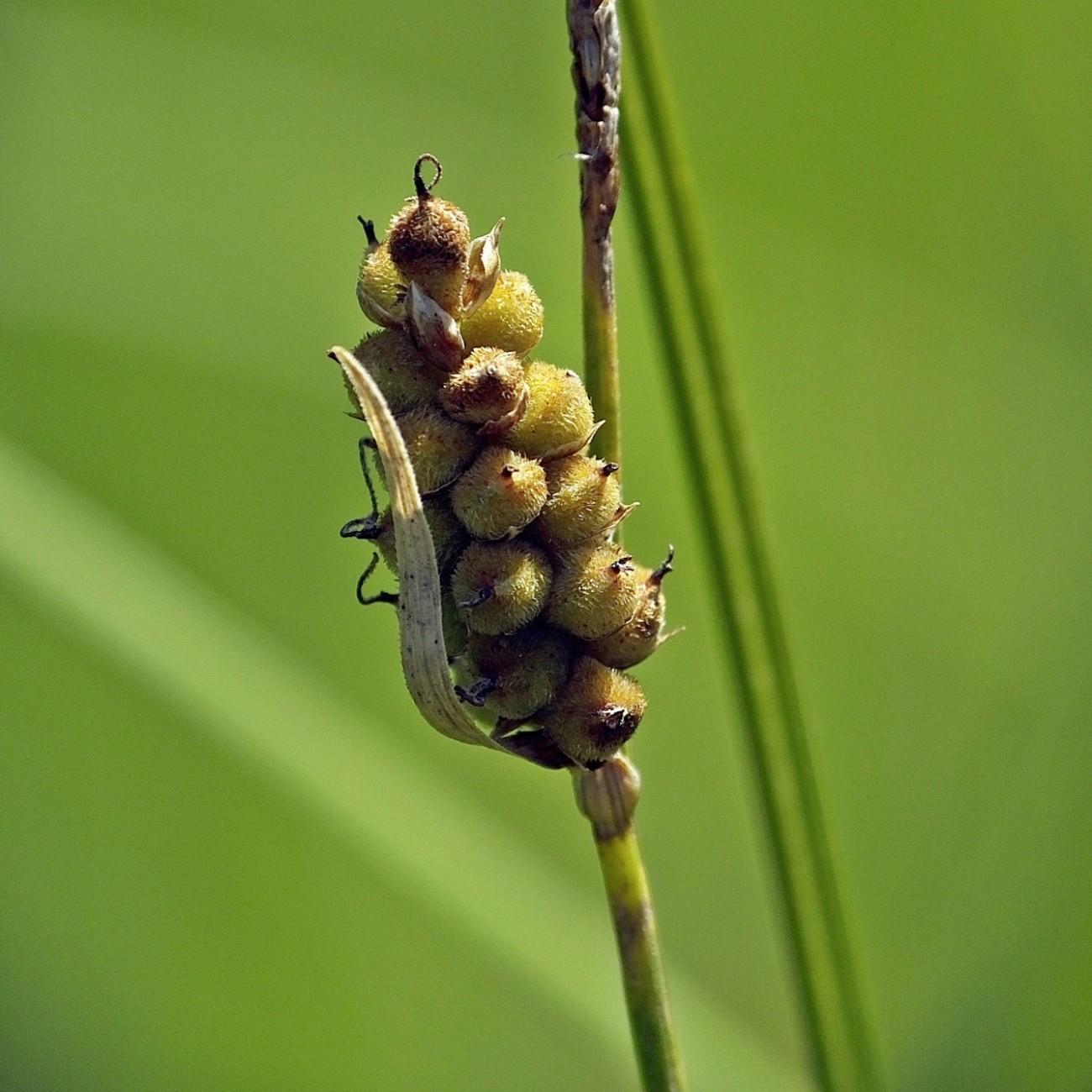
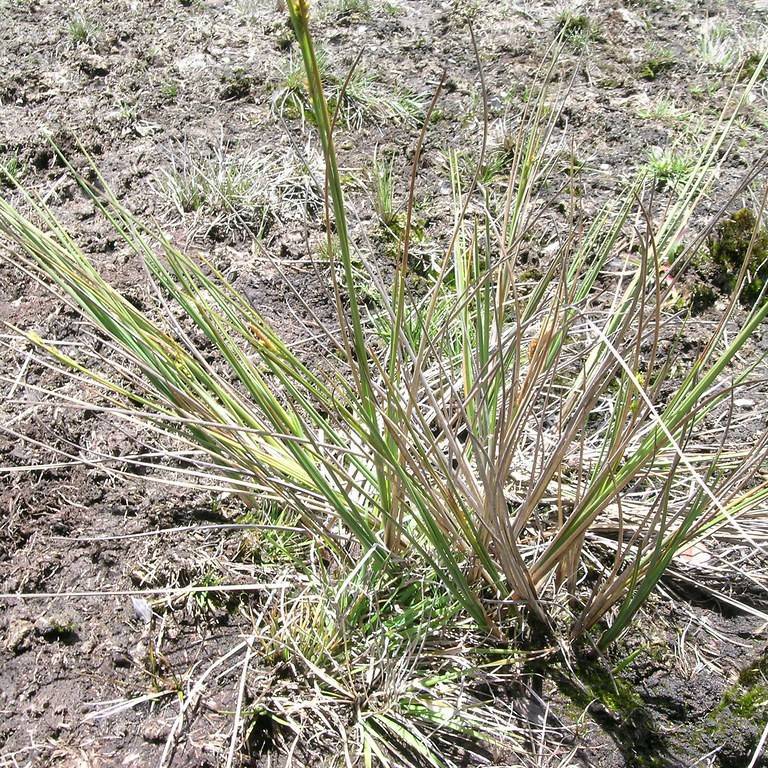
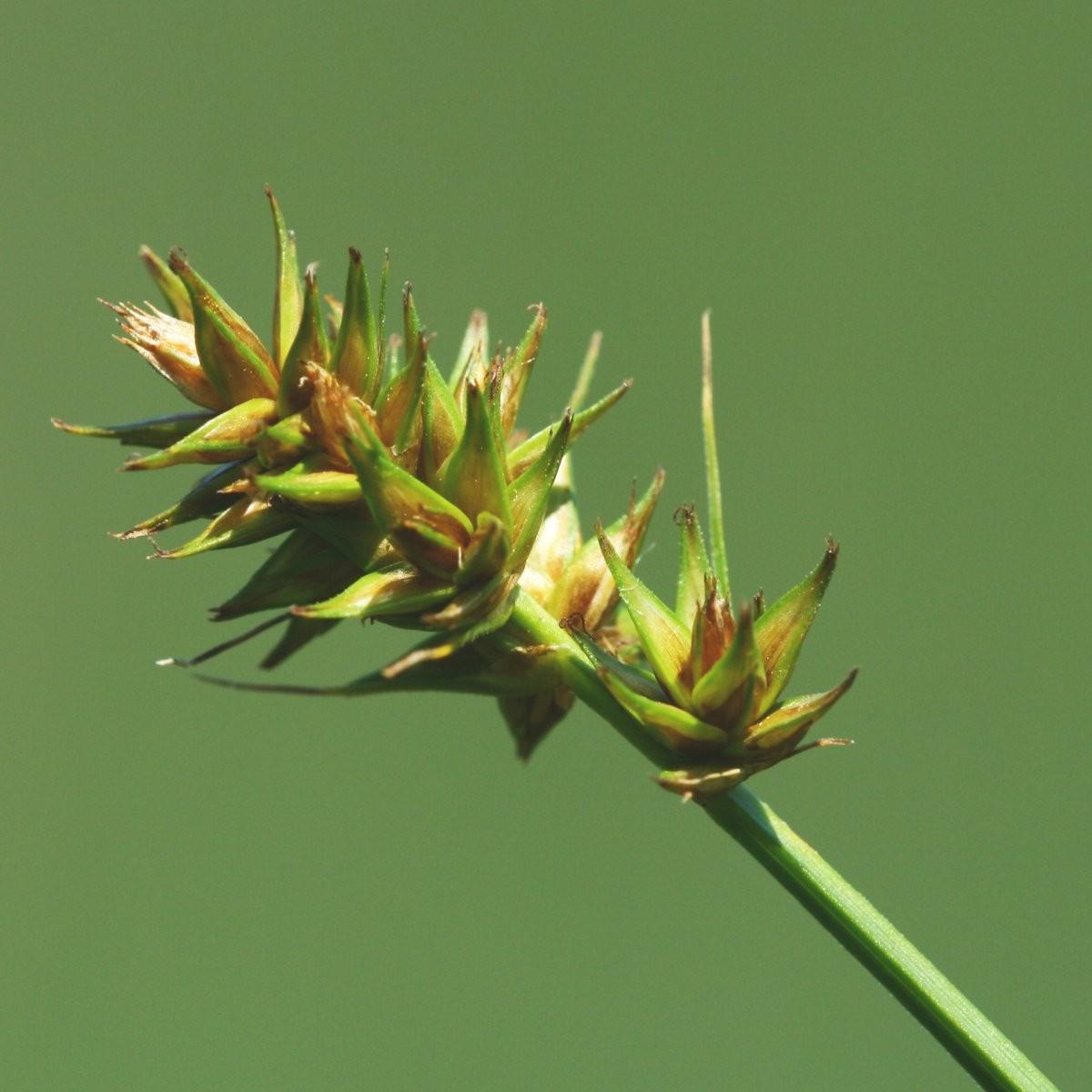
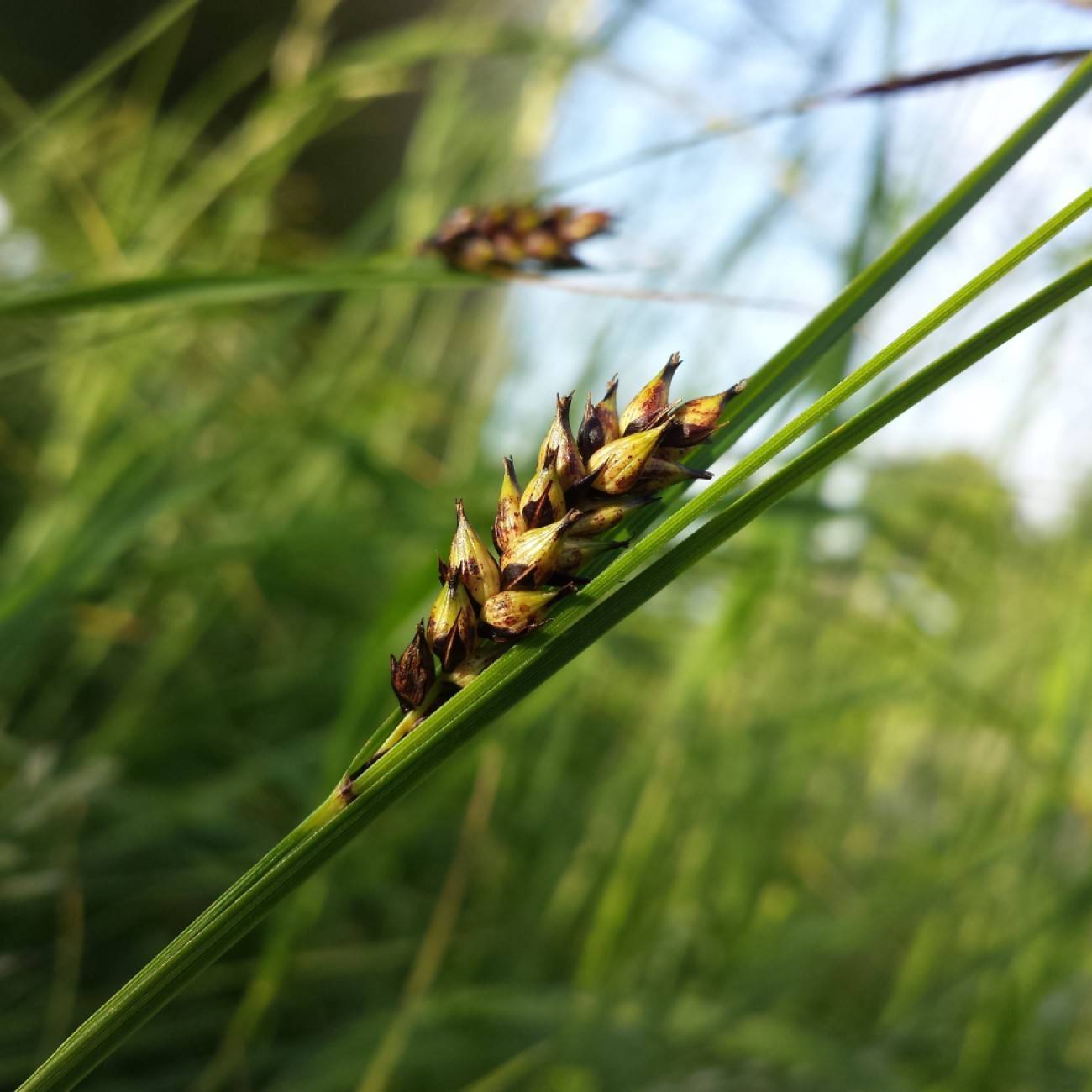
Distant Sedge is a clumping, grass-like perennial distinguished by its slender, arching green leaves and upright triangular stems that bear small, brown spikelet flower clusters in late spring. It thrives in a wider range of moisture conditions than many sedge species, tolerating both seasonal flooding and periodic drought once established. It is often found in coastal meadows, marshes, riparian zones, and disturbed grasslands, where it forms dense mats that stabilize soil.
Care Guide
Watering
Water regularly to keep soil consistently moist during the first growing season to help roots establish fully. Once mature, it tolerates short periods of drought but performs best with occasional supplemental watering during extended dry spells; avoid overwatering in poorly drained sites to prevent root rot. It can withstand seasonal shallow flooding for several weeks at a time without damage.
Light
Grows best in full sun to partial shade, with full sun exposure encouraging denser clumping and more abundant flowering. In hotter climates, provide afternoon shade to prevent foliage scorching and reduce moisture stress. It can survive in full shade but will produce sparser growth and fewer flower spikes.
Soil
Adaptable to a wide range of soil types, including sandy loam, clay, and alkaline or saline soils common in coastal regions. It prefers moderately fertile, moist soil with a pH between 6.0 and 8.5, but will grow in poor, low-nutrient soils with minimal support. Good drainage is ideal, though it tolerates waterlogged soil for short periods.
Fertilizer
Fertilizer is rarely needed for established plants, as Distant Sedge thrives in low to moderate nutrient soils. If growth appears stunted, apply a balanced, slow-release granular fertilizer in early spring at half the recommended rate for ornamental grasses. Avoid high-nitrogen fertilizers, which can cause overly lush growth that is prone to lodging.
Temperature
Cold hardy in USDA zones 4 through 8, tolerating winter temperatures as low as -30°F (-34°C) without protection. It prefers cool spring and fall growing conditions, and may go semi-dormant during extended periods of summer heat above 90°F (32°C). Late spring frosts rarely damage new growth, as the plant emerges slowly as temperatures warm.
Pruning
Cut back entire clumps to 2-3 inches above the soil line in late winter or early spring before new growth emerges to remove dead foliage and encourage fresh, tidy growth. Remove any damaged or yellowed leaves throughout the growing season as needed to maintain appearance. If grown in a naturalized area, pruning can be skipped entirely, as dead foliage provides winter shelter for beneficial insects.
Propagation
Most easily propagated by division in early spring or late fall, when the plant is dormant; dig up mature clumps, split them into smaller sections with healthy roots and at least 3-5 growing points, and replant immediately at the same depth as the parent plant. It can also be grown from seed sown directly outdoors in fall, as cold stratification over winter improves germination rates. Seed-grown plants typically take 2-3 years to reach mature clumping size.
Humidity
Adaptable to a wide range of humidity levels, thriving in the moderate to high humidity of wetland and coastal environments. It tolerates average indoor humidity if grown as a container plant, but may benefit from occasional misting in very dry indoor conditions. No special humidity adjustments are needed for outdoor-grown plants.
Repotting
If grown in containers, repot every 2-3 years in early spring before new growth begins, using a general-purpose potting mix with added perlite for drainage. Choose a pot that is 2-3 inches wider than the root ball to accommodate slow clump expansion, and ensure the container has drainage holes to prevent waterlogging. Trim back up to one-third of the root mass during repotting to control size if desired.
Uses & Symbolism
Distant Sedge is widely used in riparian restoration and erosion control projects, as its dense fibrous root system stabilizes stream banks and coastal slopes while filtering runoff pollutants. It is planted in rain gardens, bioswales, and native wildlife gardens, where its seed heads provide food for songbirds and waterfowl, and its foliage offers shelter for small mammals and beneficial insects. It is also grown as a low-maintenance ornamental grass alternative in naturalistic landscapes and xeriscapes, where it provides year-round green texture with minimal care.
Diseases & Pests
Distant Sedge is largely pest and disease resistant, with no major common issues affecting healthy plants. Overly wet, poorly drained soil may lead to root rot or fungal leaf spots, which can be avoided by ensuring proper drainage and avoiding overhead watering in cool, humid weather. Occasional infestations of aphids or spider mites may occur, particularly on stressed plants, and can be treated with insecticidal soap or neem oil sprays.
Related plants
Other plants you might like if you grow Distant Sedge.