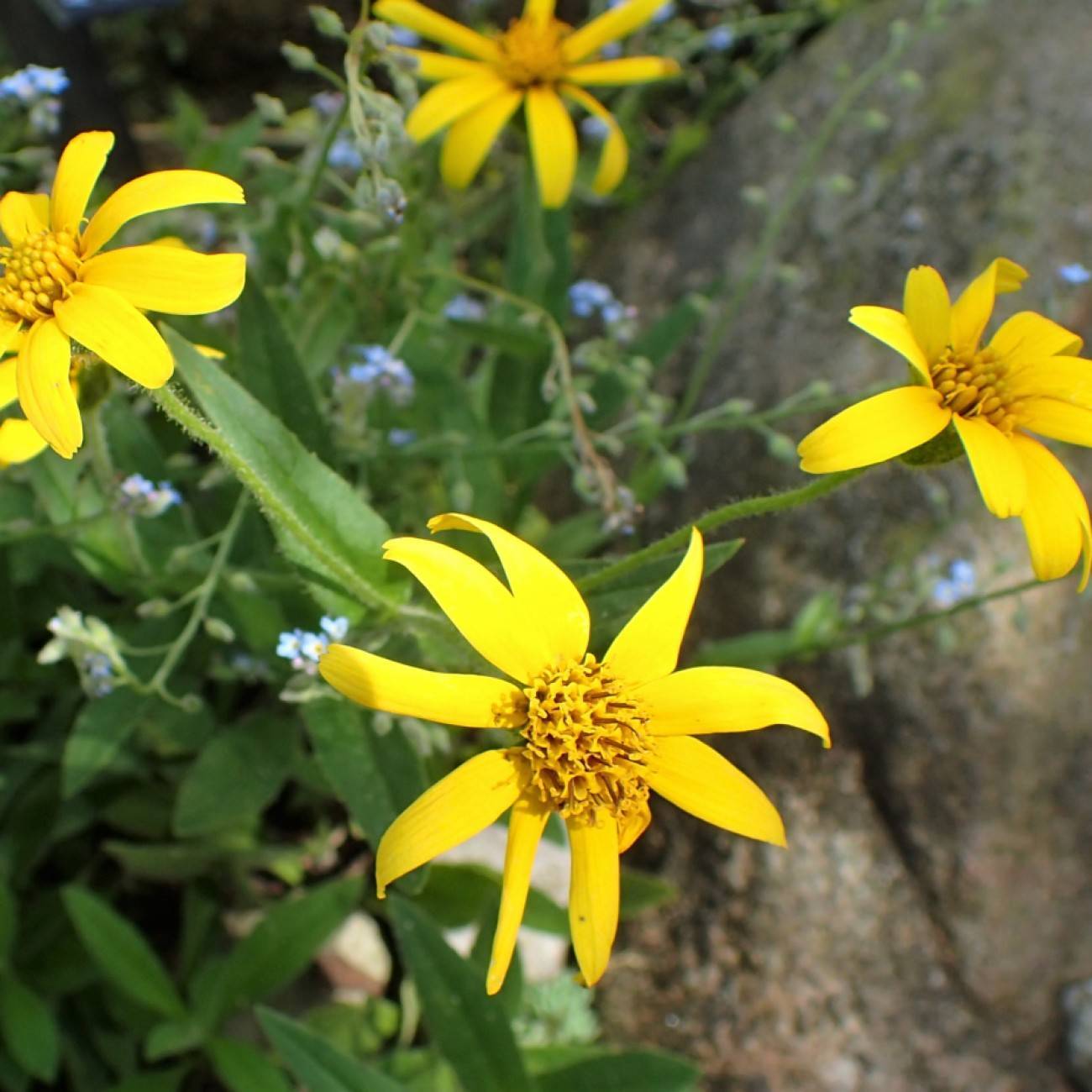
Lance Leaved Arnica
Arnica lanceolata
Overview
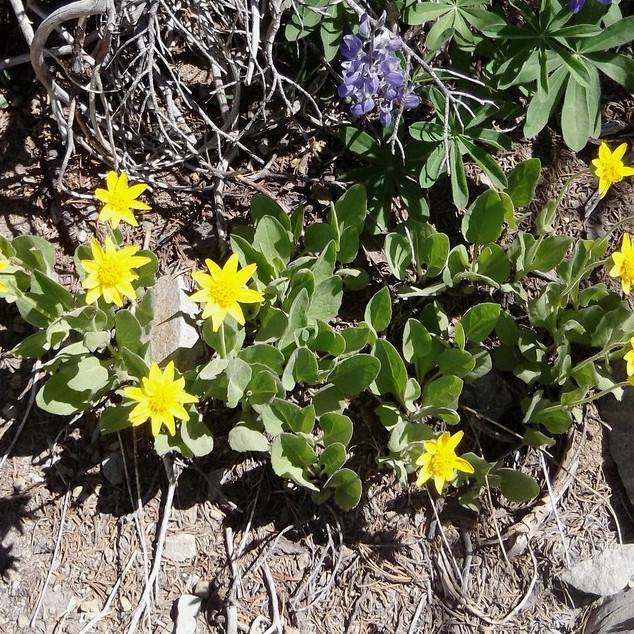
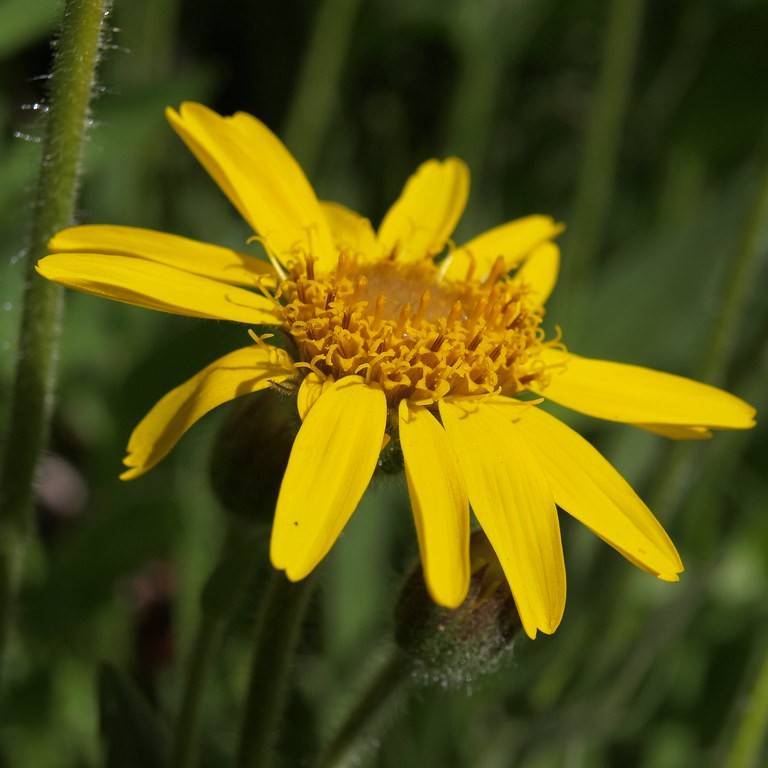
Lance Leaved Arnica thrives in moist, open mountain habitats such as meadows, stream banks, and coniferous forest clearings, typically found at elevations between 3,000 and 10,000 feet. It produces upright, hairy stems topped with clusters of 1 to 5 bright yellow flower heads that bloom in mid to late summer, attracting native pollinators including bees and butterflies. This species is closely related to common arnica (Arnica montana) and is often harvested as a regional alternative for topical medicinal preparations.
Care Guide
Watering
Lance Leaved Arnica prefers consistently moist, well-drained soil and does not tolerate prolonged drought; water regularly during the growing season to keep the root zone evenly damp, avoiding waterlogging that can cause root rot. Reduce watering in fall once foliage begins to die back, and keep the soil only slightly moist during its winter dormant period.
Light
This species grows best in full sun to partial shade; in hotter, lower-elevation cultivation sites, provide afternoon shade to prevent leaf scorch, while full sun is ideal in cooler mountain or northern growing regions. Insufficient light will lead to leggy growth and reduced flowering.
Soil
Plant in humus-rich, slightly acidic to neutral soil with excellent drainage; amend heavy garden soil with peat moss, compost, or coarse sand to improve porosity and mimic its native mountain meadow substrate. Avoid heavy clay soils that retain standing water, as this will quickly kill the plant’s shallow, fibrous root system.
Fertilizer
Lance Leaved Arnica is a light feeder that requires little supplemental fertilization; apply a thin layer of well-rotted compost around the base of the plant in early spring to provide sufficient nutrients for the growing season. Avoid high-nitrogen synthetic fertilizers, as these will encourage excessive foliage growth at the expense of flower production.
Temperature
This cold-hardy perennial thrives in cool to moderate summer temperatures between 60 and 75°F (15 and 24°C), and is adapted to survive winter temperatures as low as -30°F (-34°C) in USDA hardiness zones 3 to 7. It does not tolerate high heat and humidity above 85°F (29°C) for extended periods, which can cause foliage wilt and plant stress.
Pruning
Deadhead spent flower heads throughout the blooming period to encourage additional flower production and prevent unwanted self-seeding if desired. Cut back all dead foliage to the ground in late fall after the plant enters dormancy to reduce overwintering habitat for pests and disease pathogens.
Propagation
Lance Leaved Arnica can be propagated from seed sown in fall directly outdoors, as the seeds require a 3-month cold stratification period to germinate successfully; sow seeds on the soil surface, as they need light to germinate. It can also be propagated by root division in early spring before new growth emerges, carefully separating clumps into smaller sections with intact roots and at least one growing bud per division.
Humidity
This species prefers moderate humidity levels between 40 and 60%, typical of its native mountain environments; it does not tolerate high, stagnant humidity common in low-elevation subtropical regions, which increases the risk of foliar fungal diseases. Provide good air circulation around plants to reduce humidity buildup around foliage in more humid growing areas.
Repotting
If grown in containers, repot Lance Leaved Arnica every 2 to 3 years in early spring before new growth begins, using a well-draining, humus-rich potting mix. Choose a pot with ample drainage holes that is only 1 to 2 inches larger than the current root ball to avoid excess soil moisture buildup around the roots.
Uses & Symbolism
Lance Leaved Arnica is most commonly harvested for its flowers and foliage, which are used to prepare topical creams, ointments, and tinctures for the relief of muscle soreness, bruising, and minor skin irritation, though internal consumption is unsafe. It is also planted in native wildflower gardens and pollinator habitats to support native bees and butterflies, and its bright yellow flowers make an attractive, short-lived cut flower for small arrangements.
Diseases & Pests
Lance Leaved Arnica is relatively pest-resistant, but can be susceptible to foliar fungal diseases including powdery mildew and leaf spot in conditions of high humidity, poor air circulation, or overhead watering. Aphids and spider mites may occasionally infest new growth, particularly on plants grown in partial shade or stressed by drought, and can be controlled with insecticidal soap or neem oil applications.
Related plants
Other plants you might like if you grow Lance Leaved Arnica.