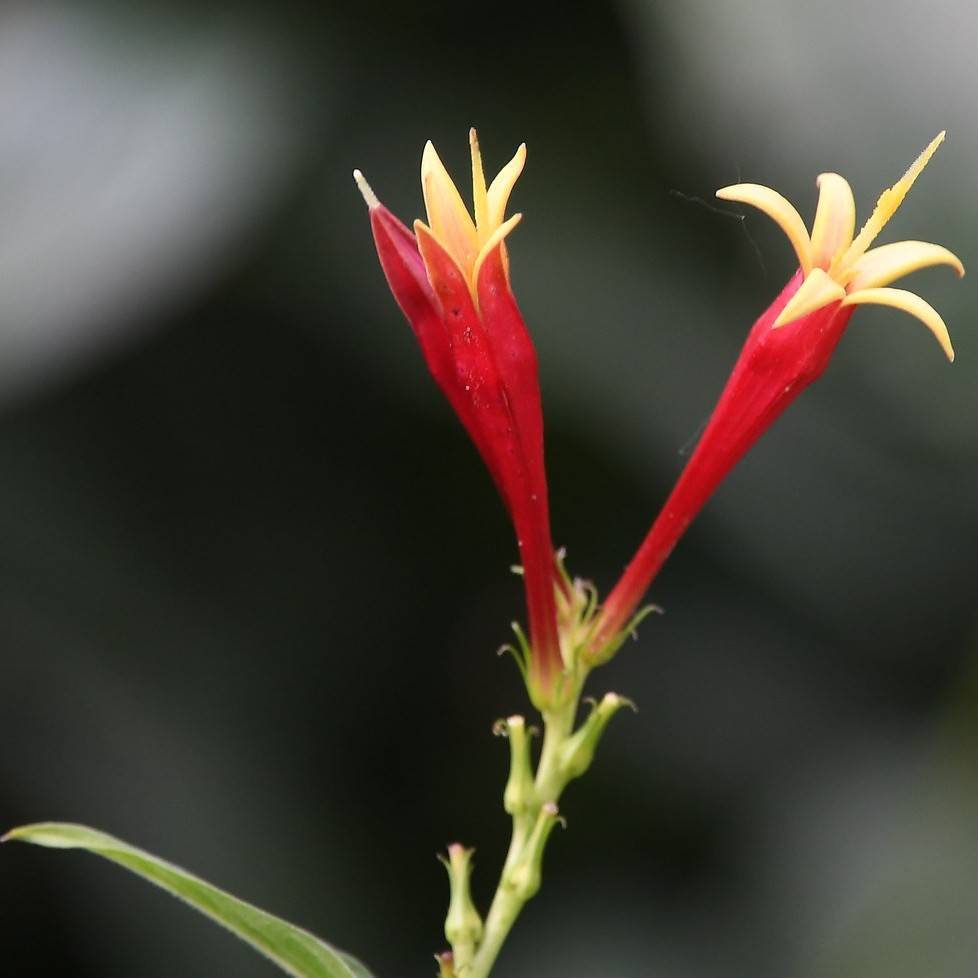
Indian Pink
Spigelia marilandica
Overview
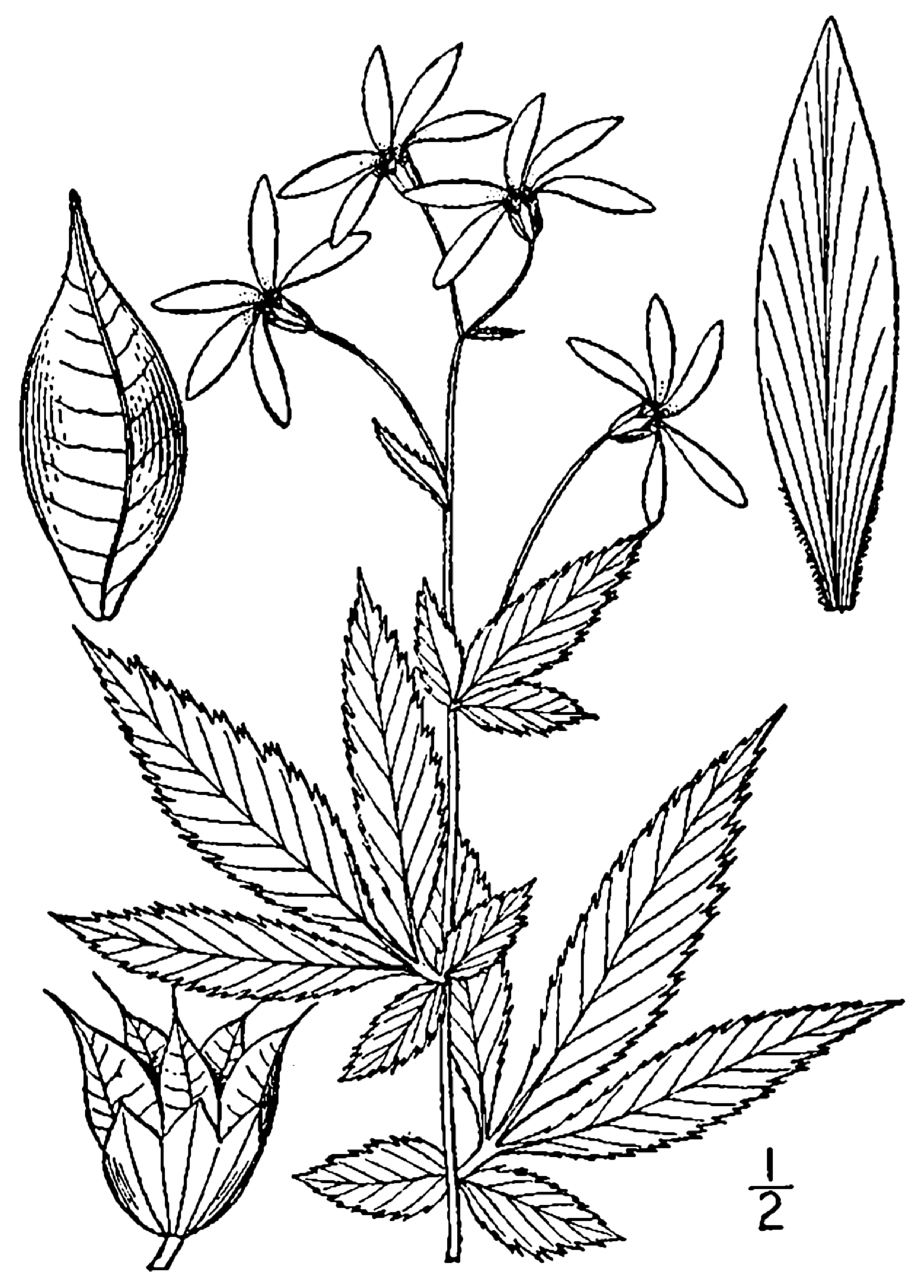
Indian Pink is a herbaceous perennial native to rich woodland edges, stream banks, and moist shaded slopes across eastern North America. It produces upright stems lined with glossy, lance-shaped deep green leaves, topped with terminal clusters of upward-facing trumpet blooms that unfurl from late spring to early summer. The plant is highly valued for its ability to thrive in partial shade, its long bloom period, and its exceptional attractiveness to hummingbirds and native butterflies.
Care Guide
Watering
Keep soil consistently moist but not waterlogged, especially during the first growing season as the plant establishes its root system. Reduce watering slightly in the dormant winter months, but avoid letting the soil dry out completely for extended periods. Drought stress can cause leaf yellowing and premature bloom drop.
Light
Thrives in partial to full shade, making it ideal for dappled woodland gardens or areas with morning sun and afternoon shade. It can tolerate a few hours of direct morning sun, but prolonged midday or afternoon sun will scorch its foliage and reduce flowering. Deep full shade may result in fewer blooms and leggier growth.
Soil
Prefers rich, humus-dense, well-drained soil with a slightly acidic to neutral pH range of 5.5 to 7.0. Amend heavy clay or sandy soils with compost, leaf mold, or well-rotted manure before planting to improve nutrient content and drainage. Avoid compacted, poorly drained soils that can lead to root rot.
Fertilizer
Apply a balanced, slow-release organic fertilizer in early spring just as new growth emerges to support healthy foliage and bloom development. A top-dressing of 1 to 2 inches of compost or leaf mold each spring can also supply sufficient nutrients without the need for synthetic fertilizers. Avoid over-fertilizing, as this can cause excessive leggy growth and reduce flowering.
Temperature
Grows best in USDA hardiness zones 5 through 9, tolerating winter temperatures as low as -20°F (-29°C) when dormant. It prefers moderate summer temperatures between 65°F and 80°F (18°C to 27°C), and may benefit from extra mulch in hotter zones to keep root systems cool. Late spring frosts can damage newly emerging growth, so cover young shoots if a hard frost is forecast.
Pruning
Deadhead spent flower clusters after blooming finishes to encourage a possible second flush of smaller blooms later in the season. Cut back dead, yellowed foliage to the ground in late fall or early winter after the plant goes dormant, to reduce overwintering sites for pests and disease. Thin out overcrowded clumps every 3 to 4 years during division to improve air circulation and prevent fungal issues.
Propagation
Most commonly propagated by root division in early spring before new growth starts, or in fall after blooming has finished, separating clumps into smaller sections with at least 2 to 3 growth buds each. It can also be grown from fresh seed sown immediately after ripening in late summer, though seed-grown plants may take 2 to 3 years to reach flowering maturity. Stem cuttings are generally less successful and require consistent moisture and rooting hormone to root properly.
Humidity
Adaptable to average ambient humidity levels between 40% and 60% typical of its native woodland habitats. It does not require extra humidity in most garden settings, but in very dry climates, occasional misting or a nearby water feature can help maintain favorable conditions. High humidity paired with poor air circulation can increase risk of foliar fungal diseases, so ensure proper spacing between plants.
Repotting
If grown in containers, repot every 2 to 3 years in early spring, moving to a pot one size larger with fresh, humus-rich potting mix amended with perlite for drainage. Ensure the container has adequate drainage holes to prevent waterlogging, which can quickly cause root rot. Add a 1-inch layer of mulch on top of the potting soil after repotting to help retain moisture and keep roots cool during hot summer months.
Uses & Symbolism
Indian Pink is a popular addition to native plant gardens, shade gardens, pollinator gardens, and rain gardens, where its bright blooms provide striking color contrast against dark foliage. It is also grown as a cut flower for arrangements, as its blooms hold up well in vases for up to a week. Historically, Indigenous peoples used small, carefully prepared doses of the plant to treat intestinal parasites, though it is not recommended for medicinal use today due to its toxicity.
Diseases & Pests
Indian Pink is relatively pest and disease resistant, but can be susceptible to root rot in poorly drained, waterlogged soils. Foliar fungal diseases such as powdery mildew and leaf spot may occur in areas with high humidity and poor air circulation, especially if plants are overcrowded. Slugs and snails may occasionally feed on young, tender foliage in moist, shaded areas, and can be controlled with bait, diatomaceous earth, or manual removal.
Related plants
Other plants you might like if you grow Indian Pink.