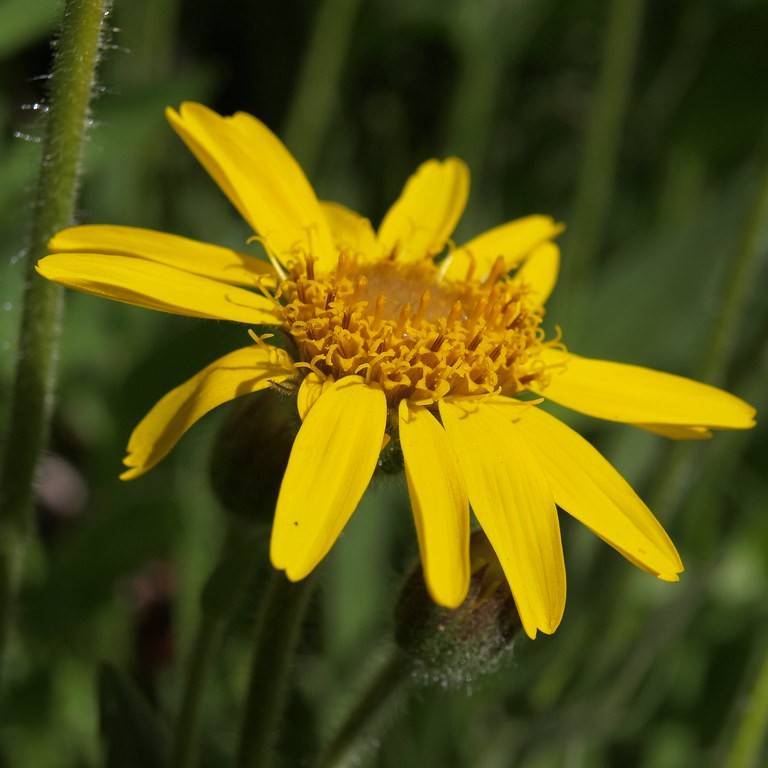
Hairy Arnica
Arnica mollis
Overview
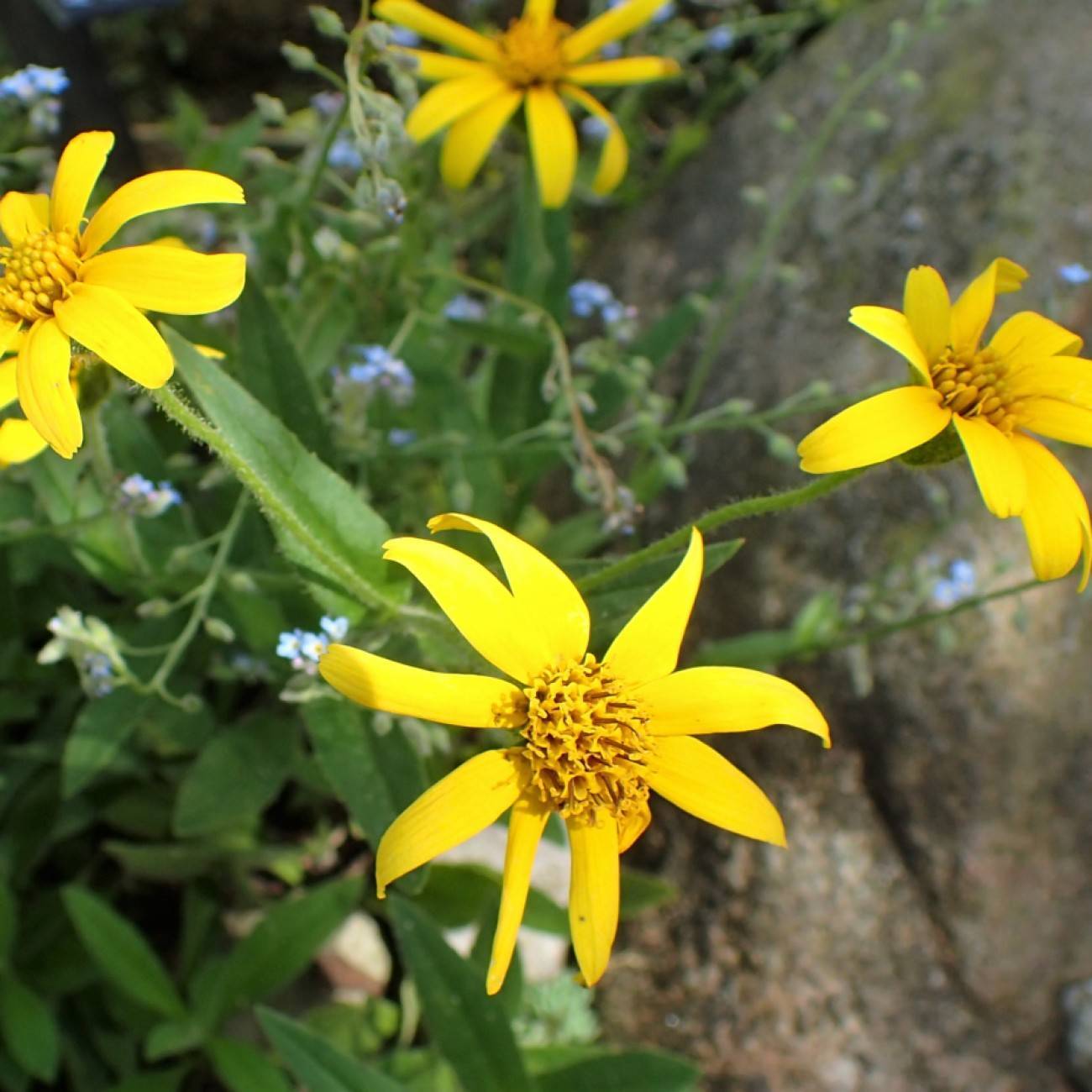
Hairy arnica is a herbaceous perennial named for the soft, dense trichomes covering its stems and foliage, which help it retain moisture in harsh, exposed alpine environments. It produces bright yellow, daisy-like composite flowers from mid to late summer that attract native pollinators including bumblebees and butterflies. It naturally grows in moist meadows, stream banks, and open coniferous forest edges at high elevations, adapting well to cool, short growing seasons.
Care Guide
Watering
Hairy arnica prefers consistently moist, well-drained soil, so water regularly to keep the root zone damp but never waterlogged, especially during active spring and summer growth. Reduce watering frequency in fall as the plant enters dormancy, only providing enough moisture to prevent the soil from drying out completely over winter. Avoid overhead watering to reduce the risk of foliar fungal diseases, targeting water directly at the base of the plant instead.
Light
This species thrives in full sun to partial shade, performing best with at least 6 hours of direct sunlight daily in cool alpine and temperate climates. In regions with hot, intense summer sun, provide light afternoon shade to prevent leaf scorch and reduce moisture loss from the fuzzy foliage. Too much deep shade will cause sparse growth and reduced flowering, so avoid heavily shaded planting sites.
Soil
Hairy arnica requires nutrient-poor to moderately fertile, well-drained soil with a slightly acidic to neutral pH between 5.5 and 7.0. It naturally grows in rocky, gravelly, or sandy loam soils rich in organic matter, so amend heavy clay soils with coarse sand and compost to improve drainage before planting. Avoid overly rich, fertilized soils, as these can cause leggy, weak growth that is prone to flopping.
Fertilizer
This low-maintenance alpine plant has low nutrient needs and typically does not require regular fertilization if planted in soil with small amounts of organic matter. If growth is sparse or pale, apply a dilute, balanced all-purpose fertilizer once in early spring, taking care not to overfertilize, as excess nutrients will reduce flowering and damage its delicate root system. Avoid high-nitrogen fertilizers entirely, as these promote excessive foliage growth at the expense of blooms.
Temperature
Hairy arnica is extremely cold-hardy, tolerating winter temperatures as low as -40°F (-40°C) in USDA hardiness zones 3 through 7. It prefers cool summer temperatures between 55°F and 75°F (13°C and 24°C), and will struggle in prolonged heat above 85°F (29°C), often going dormant early in hot, humid climates. Provide extra mulch in late fall to insulate roots from extreme temperature fluctuations in regions with harsh, snow-free winters.
Pruning
Deadhead spent flower heads regularly throughout the blooming season to encourage additional flower production and prevent unwanted self-seeding if you wish to control spread. Cut back the entire plant to 2-3 inches above the soil line in late fall after foliage dies back for the winter, to reduce pest and disease overwintering sites. Remove any damaged, yellowed, or diseased foliage as it appears during the growing season to keep the plant healthy and tidy.
Propagation
Hairy arnica is most commonly propagated by seed sown directly outdoors in fall, as the seeds require a 3-month period of cold stratification to germinate successfully. You can also divide mature clumps in early spring before new growth emerges, carefully separating the rhizomatous root systems and replanting divisions at the same depth they were growing previously. Take softwood stem cuttings in late spring, rooting them in moist, sandy potting mix under bright, indirect light for 4-6 weeks before transplanting.
Humidity
This species prefers moderate to low humidity levels between 30% and 60%, matching its native dry alpine and mountain meadow habitats. It does not tolerate high, prolonged humidity well, as excess moisture on its fuzzy foliage can lead to powdery mildew and other fungal infections. Ensure good air circulation around plants if grown in more humid regions to reduce disease risk.
Repotting
Hairy arnica is rarely grown in containers, as it prefers to spread its rhizomatous root system freely in garden soil, but if potted, repot every 2-3 years in early spring before new growth begins. Use a porous, well-draining alpine potting mix with added perlite or coarse sand, and select a pot that is 2 inches wider than the previous one to accommodate slow root growth. Avoid overpotting, as excess unused potting soil can hold too much moisture and cause root rot.
Uses & Symbolism
Hairy arnica is most widely known for its medicinal uses; diluted extracts of its flowers are used topically to reduce inflammation, soothe muscle aches, and speed healing of minor bruises and sprains, though internal consumption is unsafe. It is also planted in native wildflower gardens, alpine rock gardens, and pollinator gardens to support native bees and butterflies, and its bright yellow flowers make attractive, long-lasting cut flowers for small arrangements. Indigenous communities of western North America have historically used topical preparations of the plant to treat wounds, sore throats, and rheumatism.
Diseases & Pests
Hairy arnica is relatively pest and disease resistant when grown in its preferred conditions, but can be susceptible to powdery mildew and leaf spot fungi in humid, poorly ventilated sites or with excessive overhead watering. Root rot can occur if plants are grown in heavy, poorly drained soil or overwatered, especially during dormancy. Aphids and spider mites may occasionally infest new growth, which can be controlled with insecticidal soap or a strong spray of water to dislodge the pests.
Related plants
Other plants you might like if you grow Hairy Arnica.