British Yellowhead
Inula britannica
Overview
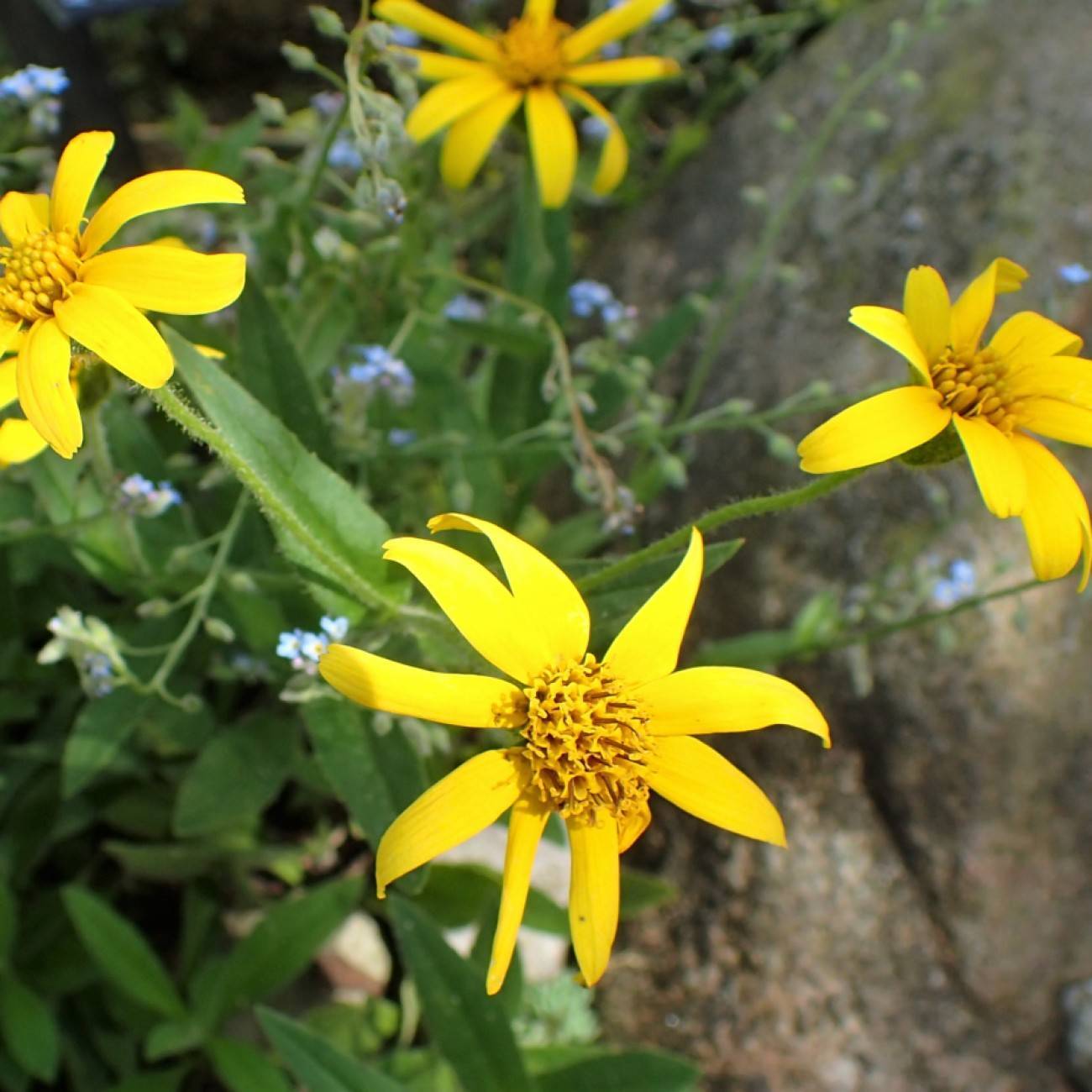
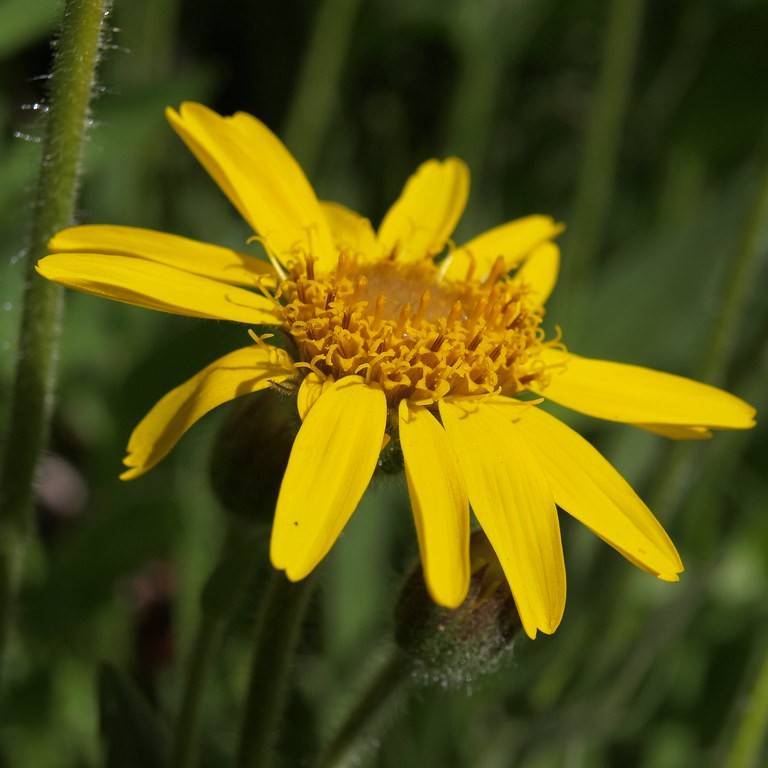
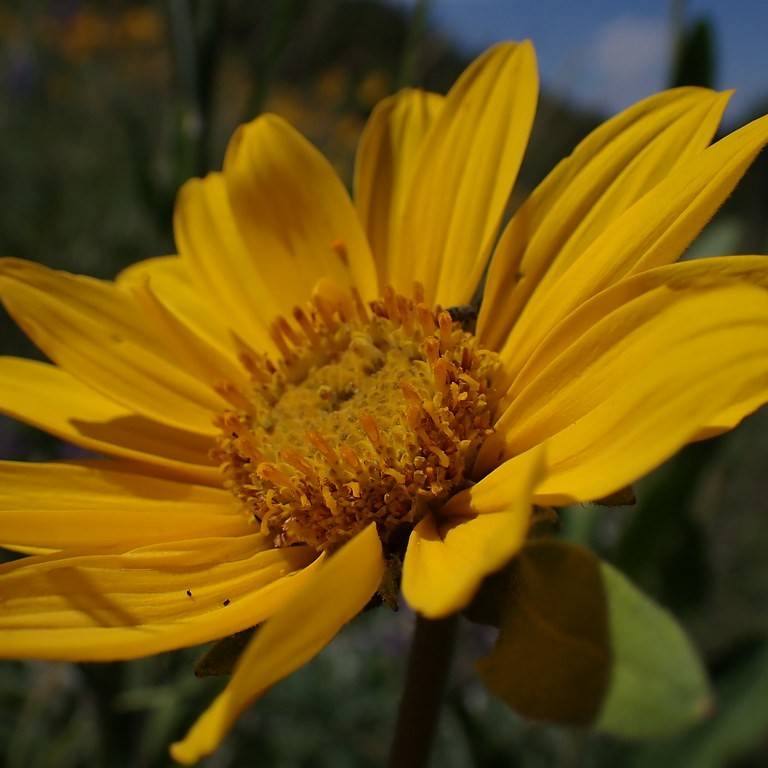
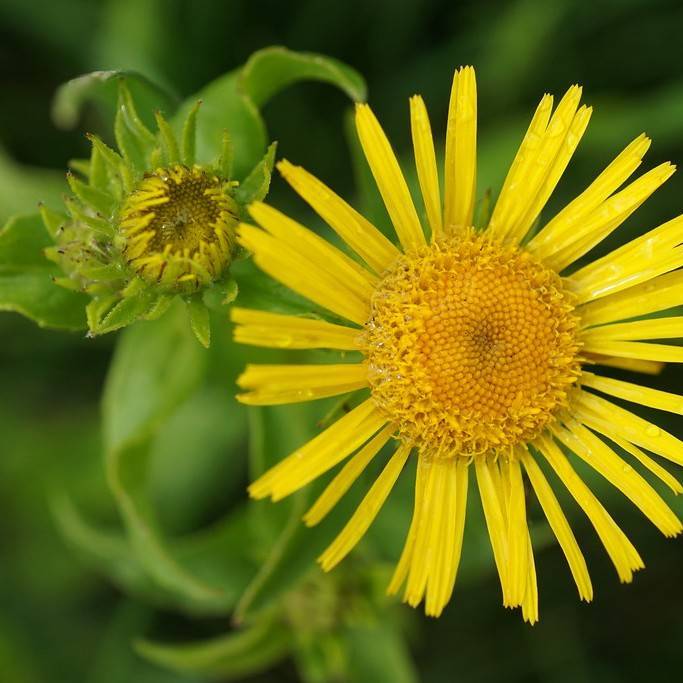
British Yellowhead, also called meadow fleabane, produces clusters of vivid golden-yellow flower heads from mid to late summer, each with a central disc surrounded by narrow ray petals. Its lance-shaped, slightly hairy leaves grow alternately along sturdy, upright stems, forming clumping colonies in moist, open habitats. It is valued for its long blooming period and ability to attract pollinators including bees, butterflies, and hoverflies to garden spaces.
Care Guide
Watering
British Yellowhead prefers consistently moist, well-drained soil and tolerates occasional flooding, making it ideal for rain gardens or riparian plantings. Water regularly during dry spells to prevent the soil from drying out completely, especially for plants grown in containers or sunny, exposed sites. Avoid overwatering in poorly draining soil, as this can lead to root rot over time.
Light
This species thrives in full sun, requiring at least 6 hours of direct sunlight daily to produce abundant flowers and maintain sturdy, upright growth. It can tolerate partial shade, though plants in shadier positions may become leggy and produce fewer blooms. In very hot, arid climates, light afternoon shade can help prevent leaf scorch during the warmest summer months.
Soil
British Yellowhead adapts to a wide range of soil types including loam, clay, and silt, as long as the substrate retains moisture without becoming waterlogged. It tolerates slightly acidic to slightly alkaline pH levels, with a preferred range of 6.0 to 7.5 for optimal growth. Amending heavy clay soil with organic matter such as compost can improve drainage while still retaining the moisture this plant prefers.
Fertilizer
This low-maintenance plant generally requires minimal fertilization, thriving in moderately fertile soil without additional feeding in most garden settings. If grown in poor, nutrient-depleted soil, apply a balanced, slow-release 10-10-10 fertilizer in early spring just as new growth emerges to support healthy foliage and flower development. Avoid overfertilizing, as this can lead to excessive leaf growth at the expense of blooms and weak stems that may flop over.
Temperature
British Yellowhead is cold-hardy in USDA zones 4 through 8, tolerating winter temperatures as low as -30°F (-34°C) when established. It prefers mild to warm summer temperatures between 60°F and 80°F (15°C to 27°C), though it can tolerate short periods of higher heat if provided with adequate moisture. Frost will kill back above-ground growth in autumn, and the plant will regrow from its underground root system the following spring.
Pruning
Deadhead spent flower heads regularly throughout the blooming season to encourage continuous flower production and prevent unwanted self-seeding in garden beds. In late autumn after the first frost, cut back all dead above-ground stems to 2-3 inches (5-7 cm) above the soil line to keep the planting area tidy and reduce overwintering sites for pests and disease. If clumps become too dense or spread beyond their desired area, divide them every 3-4 years in early spring to maintain vigorous growth.
Propagation
British Yellowhead is most easily propagated by division in early spring just as new growth emerges, or in early autumn after flowering has finished. Dig up mature clumps, separate them into smaller sections with a sharp knife, ensuring each section has a healthy portion of roots and at least one growing shoot, then replant immediately at the same depth as the original plant. It can also be grown from seed sown directly outdoors in autumn or started indoors 6-8 weeks before the last expected frost, with seeds requiring light to germinate so they should be sown on the soil surface without covering.
Humidity
This species tolerates a wide range of humidity levels, thriving in the moderate humidity typical of its native temperate grassland and riparian habitats. It does not require extra humidity when grown outdoors, though it may benefit from occasional misting if grown as a potted houseplant in very dry indoor environments. High humidity combined with poor air circulation can increase the risk of fungal leaf diseases, so ensure plants are spaced appropriately to allow for good airflow.
Repotting
If grown in containers, British Yellowhead should be repotted every 2-3 years in early spring before new growth begins, to refresh the soil and provide extra room for expanding roots. Choose a pot with drainage holes that is 1-2 inches (2-5 cm) larger in diameter than the current container, and use a moisture-retentive potting mix amended with compost to support healthy growth. After repotting, water thoroughly to settle the soil around the roots and place the pot in a sunny location.
Uses & Symbolism
British Yellowhead is a popular addition to wildflower meadows, pollinator gardens, rain gardens, and riparian plantings, where its bright blooms provide nectar for beneficial insects and its deep root system helps stabilize soil along waterways. It has a long history of use in traditional herbal medicine, with dried leaves and flowers used to make teas and tinctures to treat respiratory issues, digestive complaints, and minor skin irritations, though medical use should be done under the guidance of a qualified practitioner. It also makes a long-lasting cut flower for fresh floral arrangements, with sturdy stems and blooms that last up to 10 days in a vase.
Diseases & Pests
The most common diseases affecting British Yellowhead are fungal leaf spot and powdery mildew, which occur most frequently in conditions of high humidity and poor air circulation. These can be prevented by spacing plants appropriately to allow airflow around foliage, avoiding overhead watering that wets the leaves, and removing any infected plant material promptly to prevent spread. Root rot may occur in poorly draining, waterlogged soil, so ensure planting sites have adequate drainage or amend heavy soil with organic matter before planting.
Related plants
Other plants you might like if you grow British Yellowhead.