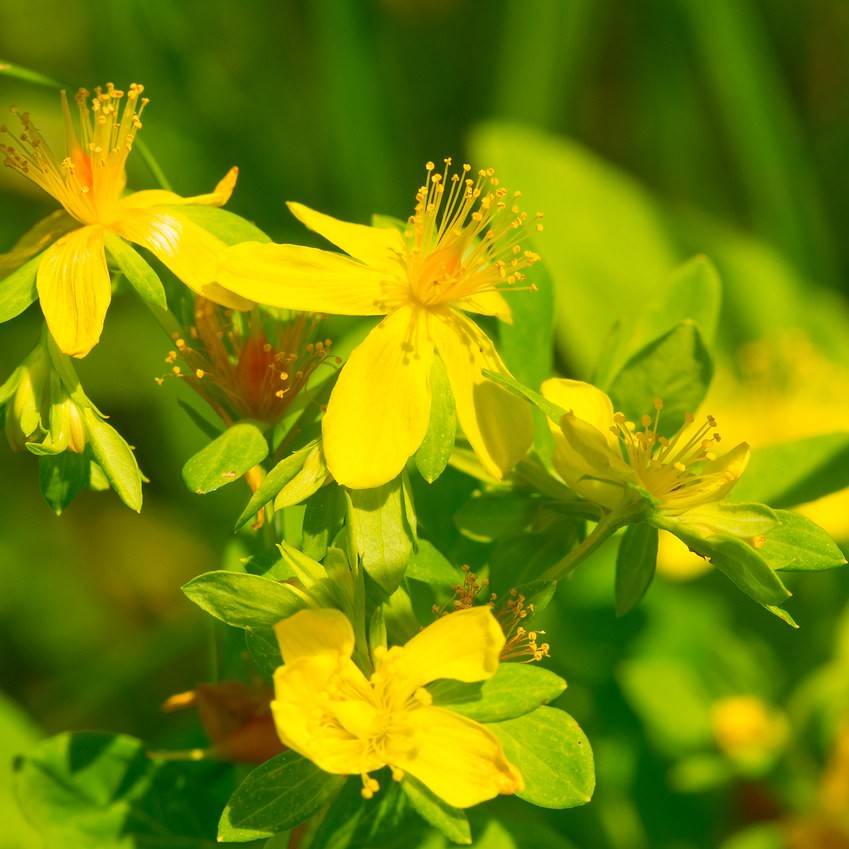
Great St John's Wort
Hypericum ascyron
Overview
Great St John's Wort is a herbaceous perennial distinguished by its upright, branching stems, large lance-shaped foliage, and clusters of bright five-petaled yellow flowers with prominent golden stamens. It naturally grows in moist meadows, stream banks, and open woodland edges across its native range, thriving in both full sun and partial shade. The plant gets its common name from its traditional bloom period around the feast of St. John the Baptist in late June, and it has a long history of use in folk medicine across Eurasia and North America.
Care Guide
Watering
Keep soil consistently moist but not waterlogged, as Great St John's Wort prefers damp growing conditions similar to its native riparian habitats. Reduce watering slightly in winter when the plant dies back to the ground, avoiding prolonged sogginess that can rot the root crown. Drought-tolerant once established, but extended dry periods will reduce flowering and cause leaf browning.
Light
Grow in full sun to partial shade, with full sun promoting the heaviest bloom production in cooler climates. In regions with hot, intense summer sun, provide afternoon shade to prevent leaf scorch and reduce water stress. Too much deep shade will result in leggy growth and sparse flowering.
Soil
Adaptable to a wide range of soil types, including clay, loam, and sandy soils, as long as drainage is adequate. It prefers slightly acidic to neutral soil pH between 5.5 and 7.0, and benefits from the addition of organic matter such as compost or well-rotted manure at planting time to improve moisture retention. Avoid excessively sandy, fast-draining soils unless amended to hold more moisture.
Fertilizer
Feed with a balanced, slow-release 10-10-10 fertilizer in early spring just as new growth emerges to support robust stem and foliage development. Avoid over-fertilizing, as this can lead to excessive leaf growth at the expense of flowers and make stems prone to flopping. No additional fertilization is needed during the growing season for plants grown in moderately fertile soil.
Temperature
Thrives in USDA hardiness zones 3 to 7, tolerating winter temperatures as low as -40°F (-40°C) once established. It prefers average summer temperatures between 60 and 80°F (15 to 27°C), and may go dormant early if exposed to prolonged temperatures above 90°F (32°C). Mulch around the root zone in late fall to insulate roots from extreme winter temperature fluctuations in colder zones.
Pruning
Cut back all stems to 2-3 inches above the soil line in late fall after the foliage dies back, or in early spring before new growth emerges. Deadhead spent flowers throughout the summer to encourage reblooming and prevent aggressive self-seeding in garden settings. If plants become leggy mid-season, cut them back by one-third to promote bushier, more compact growth.
Propagation
Most commonly propagated by division of mature clumps in early spring or fall, splitting the root crown into sections with at least 2-3 growing points each before replanting. Can also be grown from seed sown directly outdoors in fall or cold-stratified for 30 days before sowing indoors in late winter. Softwood cuttings taken from new growth in early summer root readily in moist potting mix with bottom heat.
Humidity
Tolerates a wide range of humidity levels, from 40% to 80%, thriving in the moderate humidity common to its native temperate habitats. No additional humidity supplementation is needed for outdoor plants, though indoor-grown specimens benefit from occasional misting if indoor air is very dry during winter. High humidity combined with poor air circulation can increase the risk of foliar fungal diseases.
Repotting
For container-grown specimens, repot every 2-3 years in early spring before new growth begins, moving to a pot one size larger with fresh, organic-rich potting mix. Ensure the pot has ample drainage holes to prevent waterlogging, as standing water around the roots will quickly cause rot. Trim back any damaged or circling roots during repotting to encourage healthy new root growth.
Uses & Symbolism
Widely cultivated as an ornamental perennial for cottage gardens, rain gardens, and native plant borders, its bright yellow blooms attract bees, butterflies, and other pollinators throughout the summer. It has a long history of use in traditional herbal medicine to treat mild anxiety, depression, wounds, and inflammation, though medicinal use requires consultation with a healthcare provider due to toxicity risks and drug interactions. Its sturdy stems and long-lasting blooms also make it a popular cut flower for fresh floral arrangements.
Diseases & Pests
Great St John's Wort is relatively pest and disease resistant, but may be affected by powdery mildew and leaf spot in warm, humid conditions with poor air circulation. Root rot can occur if plants are grown in poorly drained, waterlogged soil for extended periods. Common pests include aphids, scale insects, and St John's Wort beetles, which feed on foliage and can defoliate plants if populations are left unmanaged.
Related plants
Other plants you might like if you grow Great St John's Wort.
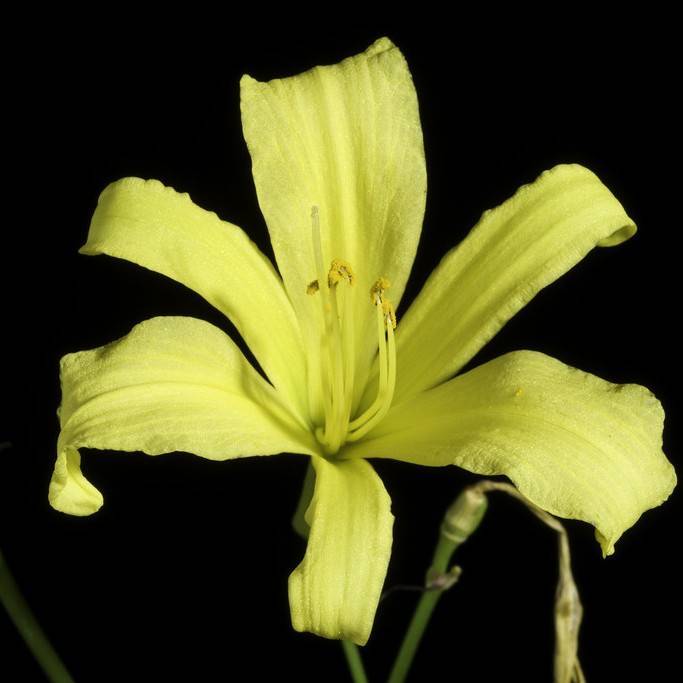
Citron Daylily
Hemerocallis citrina
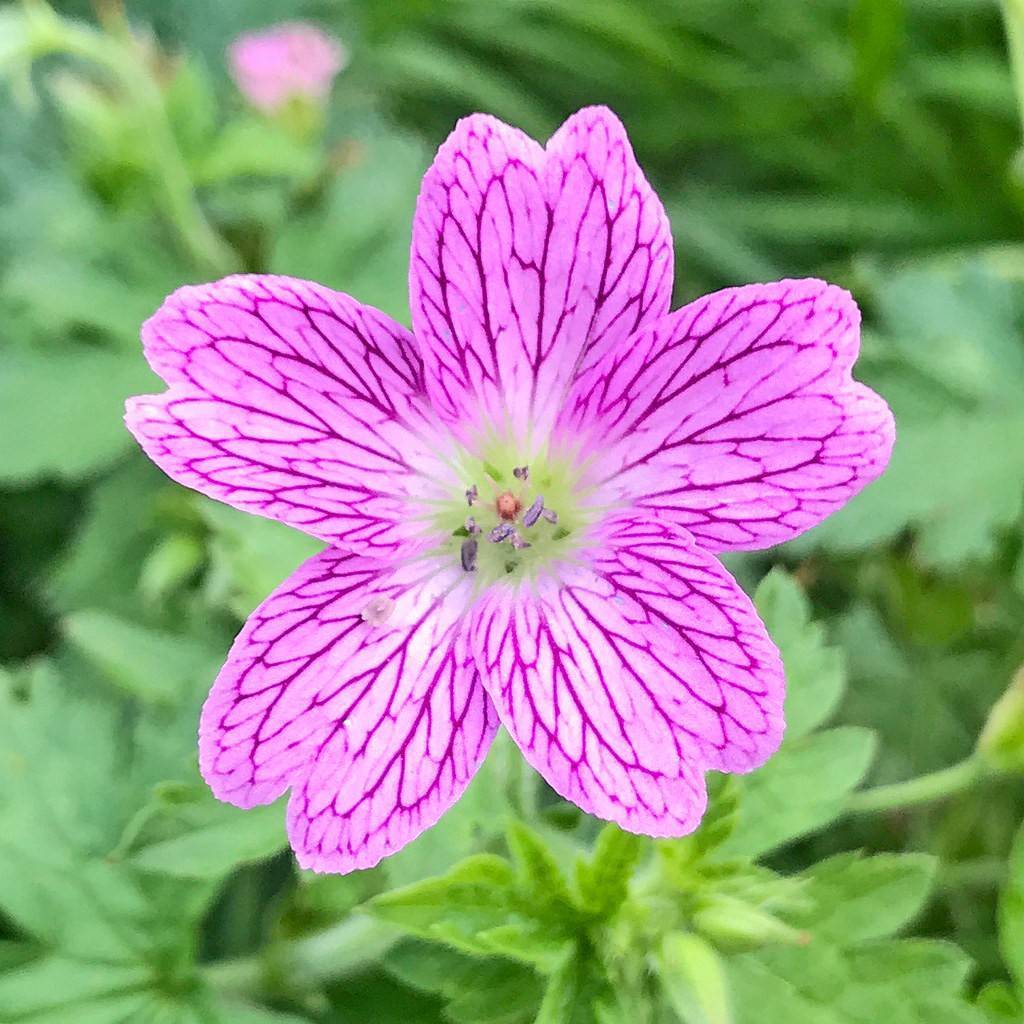
Endres's Cranesbill
Geranium endressii

Kalimeris
Kalimeris indica
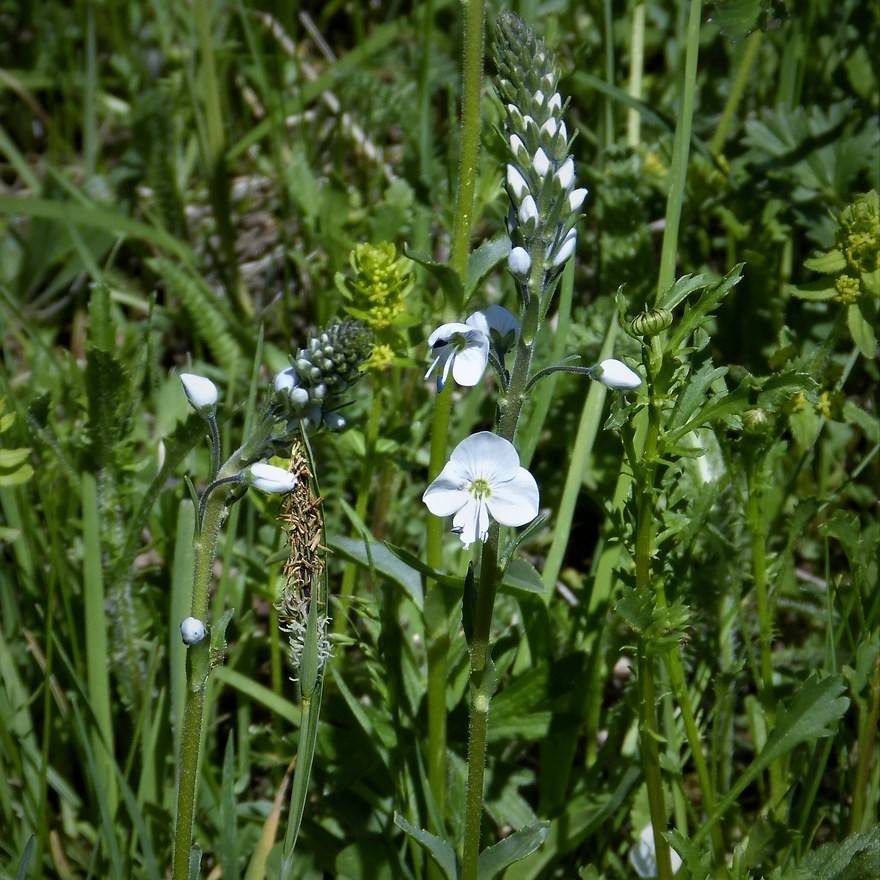
Gentian Speedwell
Veronica gentianoides
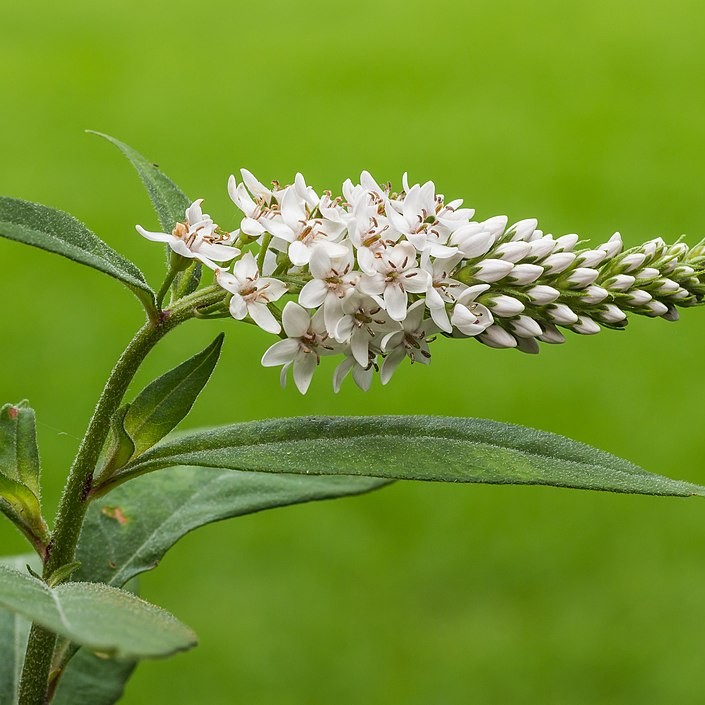
Gooseneck Loosestrife
Lysimachia clethroides
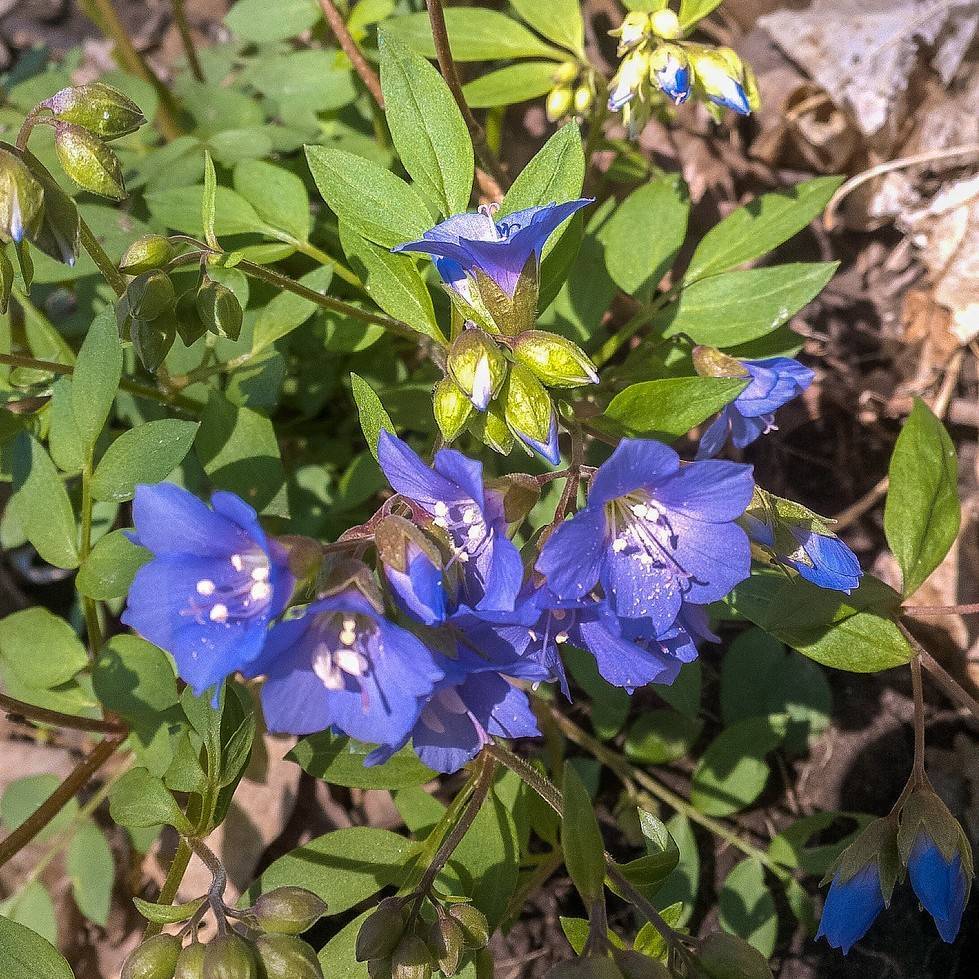
Jacob's Ladder
Polemonium caeruleum
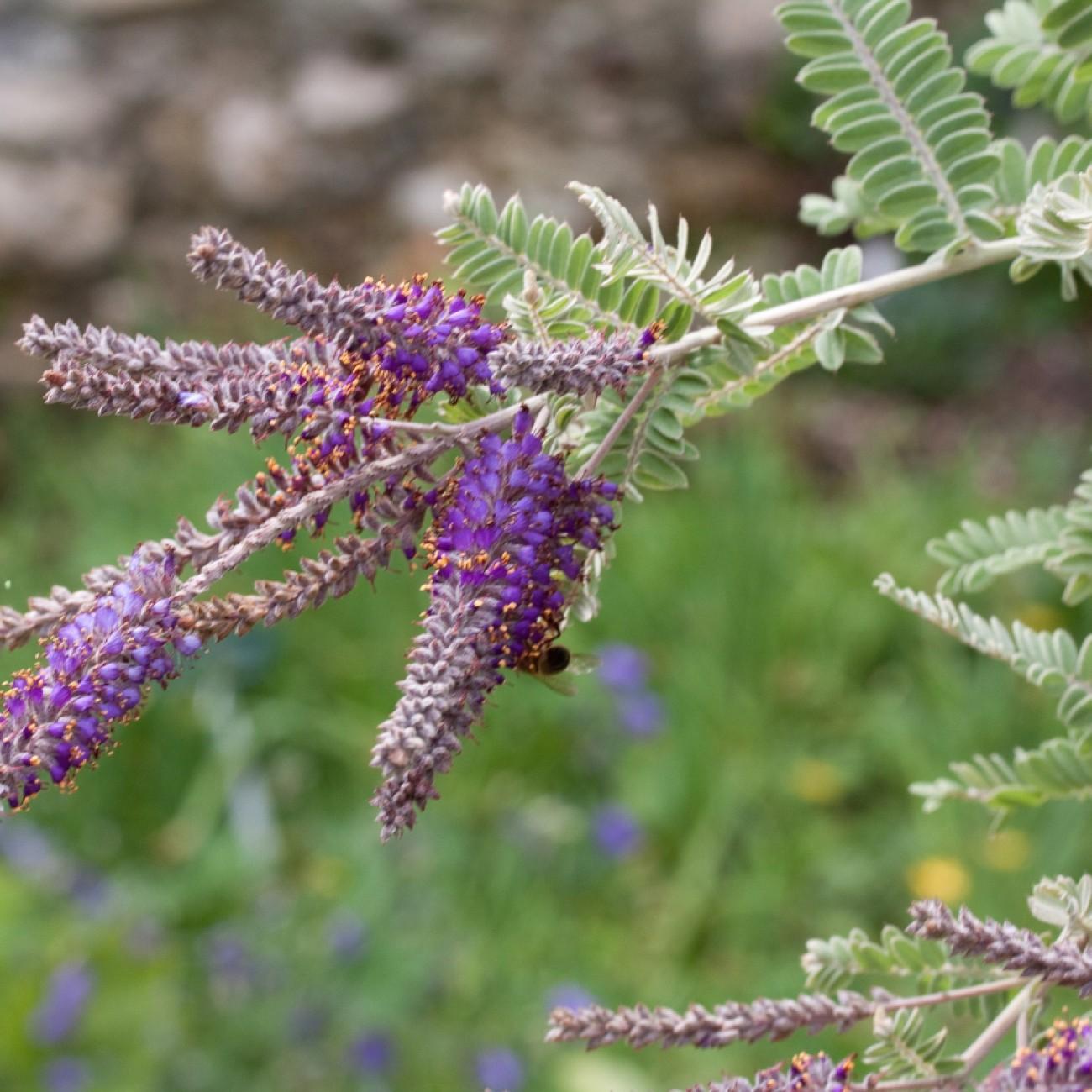
Dwarf False Indigo
Baptisia australis var. minor
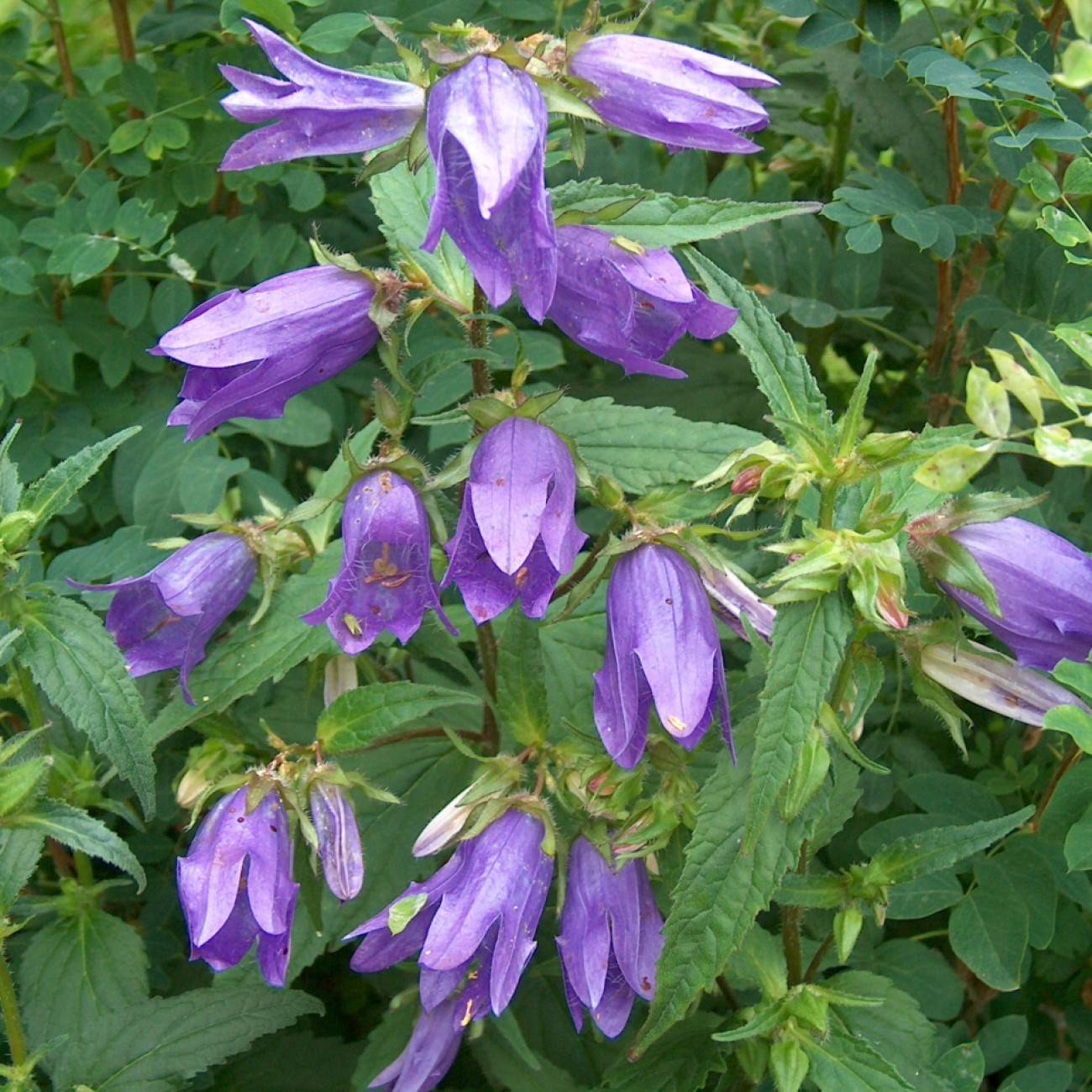
Giant Bellflower
Campanula latifolia 'Gantel E'