Clammy Campion
Silene rotundifolia
Overview
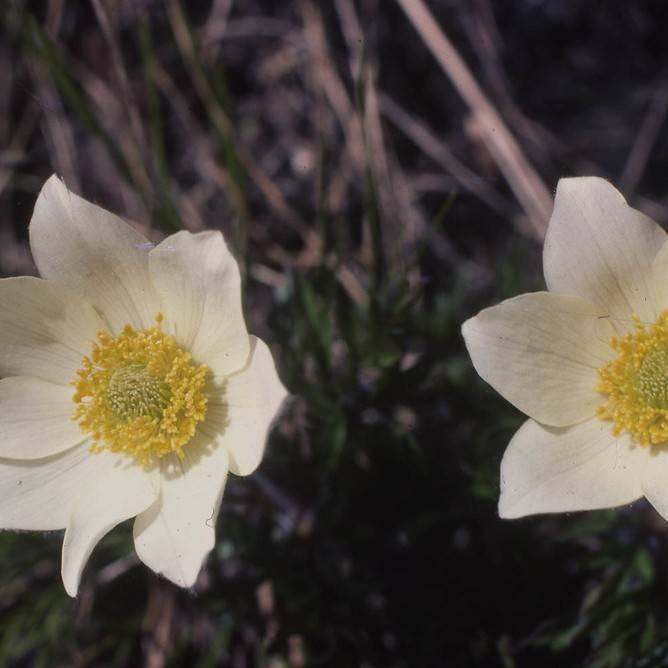
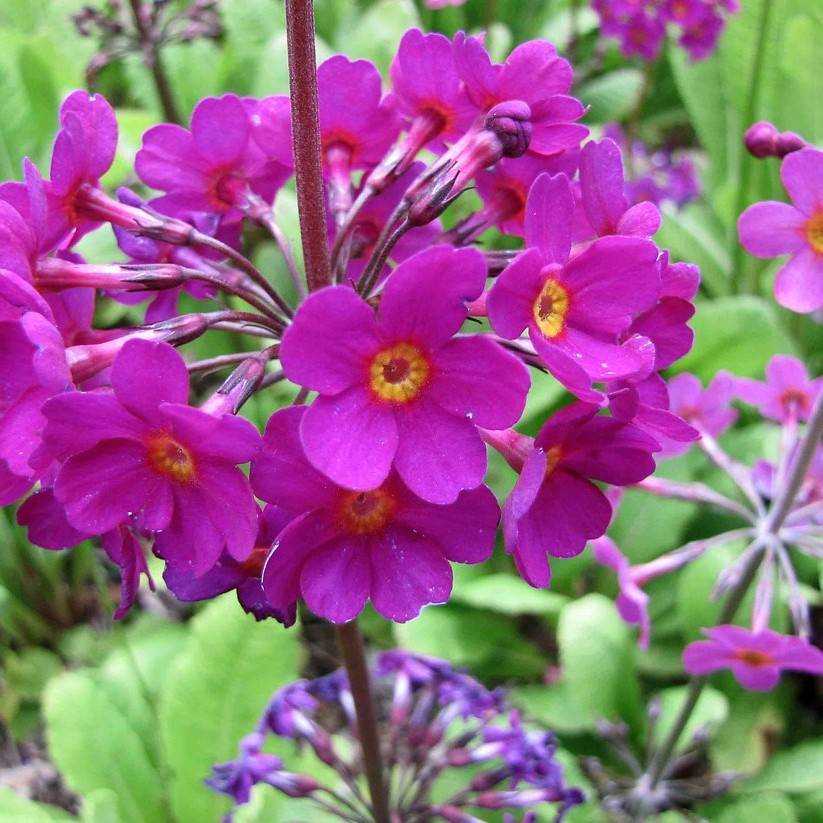
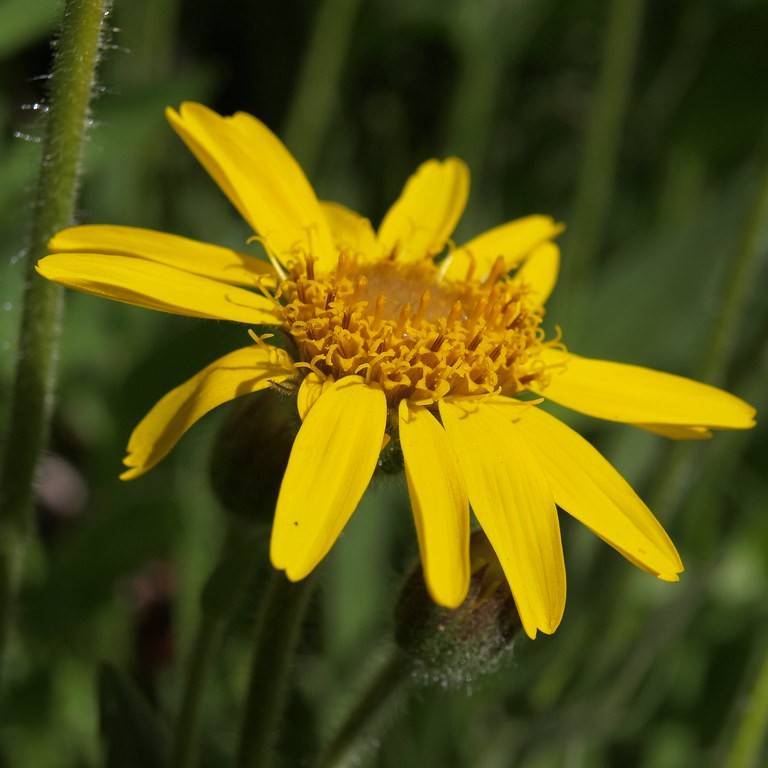
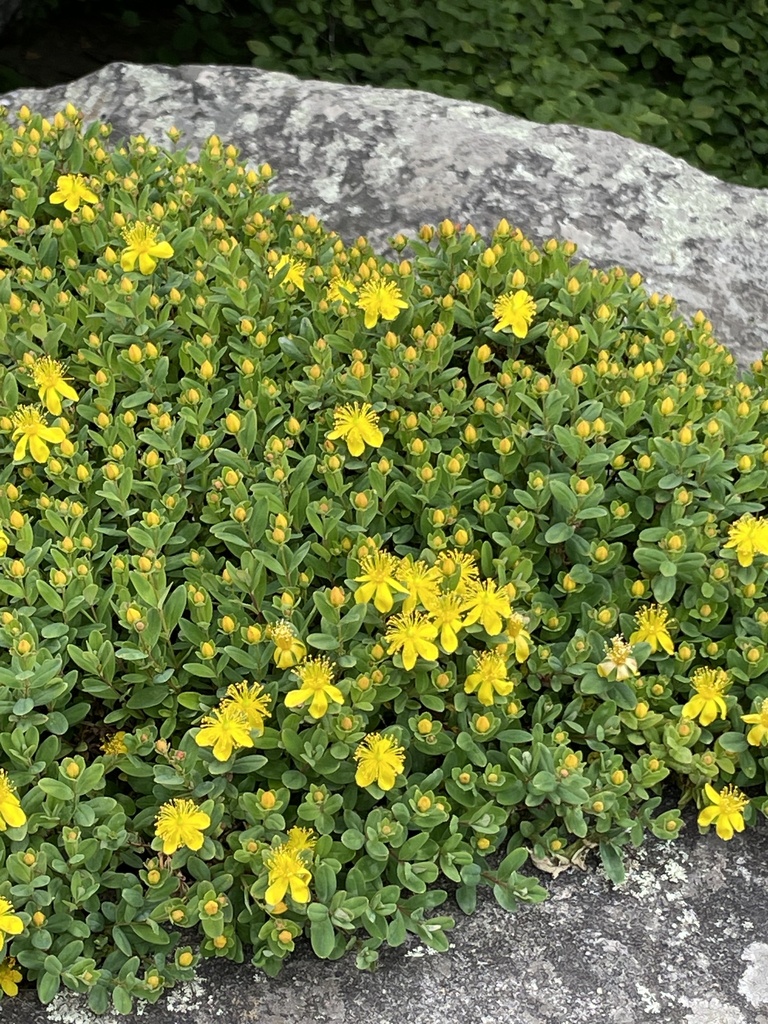
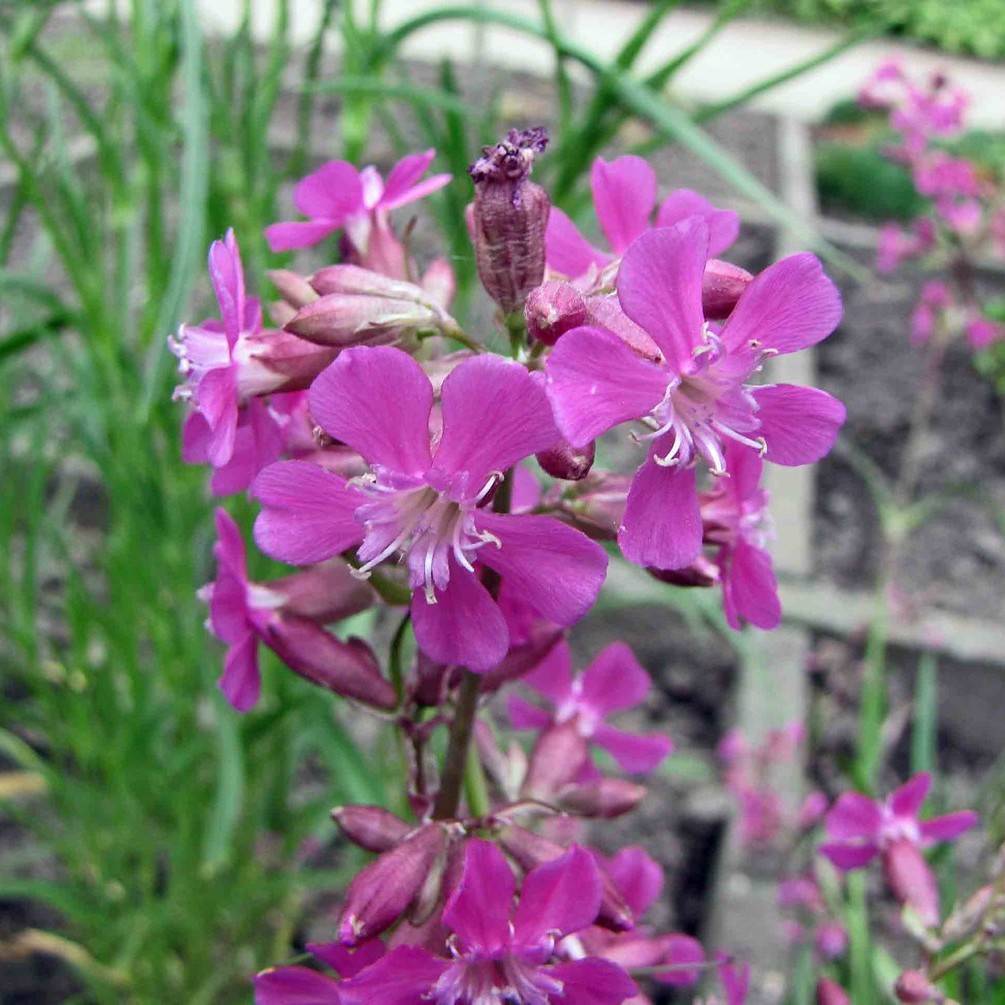
Clammy Campion gets its common name from the sticky, glandular hairs covering its stems and foliage, which deter small crawling insects from stealing nectar from its flowers. It produces rounded, basal leaves and loose clusters of 5-petaled, notched blooms that range in color from pale pink to bright white, appearing to glow lightly in dappled shade. As a native wildflower, it supports a range of pollinators including moths, bees, and butterflies, and is well adapted to poor, rocky soils where many other flowering plants struggle to establish.
Care Guide
Watering
Clammy Campion prefers consistently moist but well-drained soil, and should be watered whenever the top 1-2 inches of soil feel dry to the touch, particularly during extended periods of summer drought. Avoid overwatering or allowing the plant to sit in standing water, as this can quickly cause root rot and damage the shallow root system. In its native woodland habitat, it receives regular natural rainfall, so replicate this moisture level without saturating the growing medium.
Light
This species thrives in partial to full shade, mirroring the dappled sunlight it receives under the tree canopy in its native woodland range. It can tolerate short periods of direct morning sun, but harsh midday or afternoon sun will scorch its foliage and cause the plant to wilt prematurely. For indoor cultivation, place it near a north-facing or east-facing window where it will receive bright, indirect light for most of the day.
Soil
Clammy Campion requires well-drained, nutrient-poor to moderately fertile soil with a slightly acidic to neutral pH, ideally with a high proportion of grit, sand, or rocky material to replicate its native rocky hillside habitat. Heavy clay soils that retain moisture are unsuitable, as they will cause root rot and stunted growth. Amending garden soil with compost, perlite, or coarse sand before planting will improve drainage and create the ideal growing conditions.
Fertilizer
This wildflower is adapted to low-nutrient soils, so it requires very little supplemental fertilization to thrive. A single light application of balanced, slow-release fertilizer in early spring, at half the recommended strength for flowering plants, is sufficient to support healthy growth and blooming throughout the season. Over-fertilizing will cause excessive, leggy foliage growth at the expense of flowers, and may reduce the plant's overall lifespan.
Temperature
Clammy Campion is hardy in USDA zones 4 through 8, tolerating winter temperatures as low as -30°F (-34°C) when planted in the ground. It prefers cool summer temperatures between 60-75°F (15-24°C), and may go dormant early if exposed to prolonged temperatures above 85°F (29°C) without sufficient shade and moisture. For indoor cultivation, maintain consistent room temperatures and avoid placing the plant near heat vents or drafty windows.
Pruning
Prune Clammy Campion lightly in late fall after flowering has finished, cutting back spent flower stems to just above the basal foliage to tidy the plant and prevent unwanted self-seeding if desired. Remove any yellowed or damaged foliage throughout the growing season to improve air circulation and reduce the risk of fungal disease. Avoid heavy pruning, as this can damage the plant's shallow root system and reduce flowering in the following year.
Propagation
Clammy Campion is most easily propagated by seed, which can be sown directly outdoors in fall for cold stratification over winter, or started indoors 8-10 weeks before the last spring frost after a 30-day period of cold stratification in the refrigerator. It can also be propagated by division of mature clumps in early spring, before new growth begins, taking care to preserve as much of the root system as possible when separating sections. Stem cuttings are rarely successful for this species, as the sticky glandular hairs impede root formation.
Humidity
This plant prefers moderate humidity levels between 40-60%, consistent with its native woodland habitat. It can tolerate average household humidity levels when grown indoors, but may benefit from occasional misting during periods of very low humidity in winter. Avoid placing it in overly dry environments near heating or cooling units, as this will cause the foliage to dry out and wilt.
Repotting
When grown in containers, Clammy Campion should be repotted every 2-3 years in early spring, just before new growth emerges. Choose a pot with drainage holes that is only 1-2 inches larger in diameter than the current pot, as overly large pots will retain excess moisture and increase the risk of root rot. Use a well-drained, rocky potting mix formulated for woodland wildflowers, and avoid disturbing the root ball more than necessary during repotting.
Uses & Symbolism
Clammy Campion is a popular choice for native wildflower gardens, rock gardens, and shaded woodland borders, where it provides long-lasting color and supports local pollinator populations. Its sticky foliage is sometimes studied for its ability to deter non-pollinating insect pests, making it a useful companion plant for other shade-loving garden species. Historically, some Indigenous communities used small amounts of the plant topically to treat minor skin irritations, though it has no widespread modern medicinal uses.
Diseases & Pests
Clammy Campion is relatively pest and disease resistant, but it can be susceptible to fungal diseases such as powdery mildew and rust if grown in poorly ventilated areas with overly high humidity. Aphids and spider mites may occasionally infest the foliage, particularly when grown indoors in dry conditions, and can be controlled with insecticidal soap or neem oil applications. Root rot is the most common issue for this plant, caused by overwatering or poorly drained soil, and can be prevented by allowing the top layer of soil to dry out between waterings.
Related plants
Other plants you might like if you grow Clammy Campion.