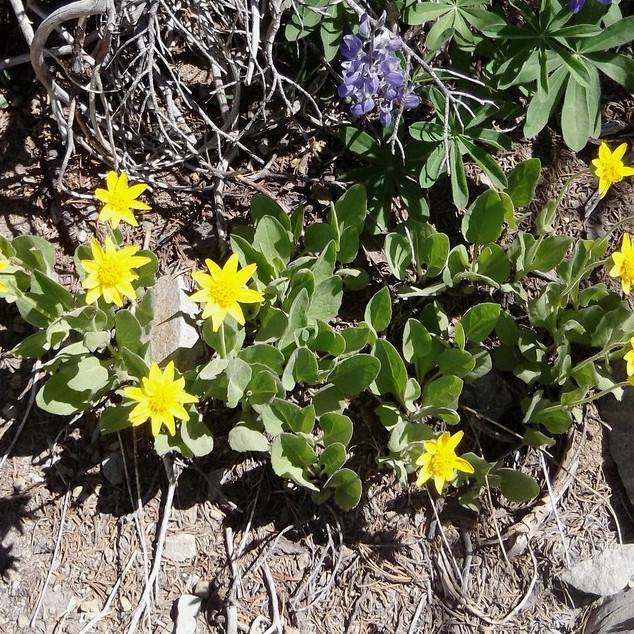
Heartleaf Arnica
Arnica cordifolia
Overview
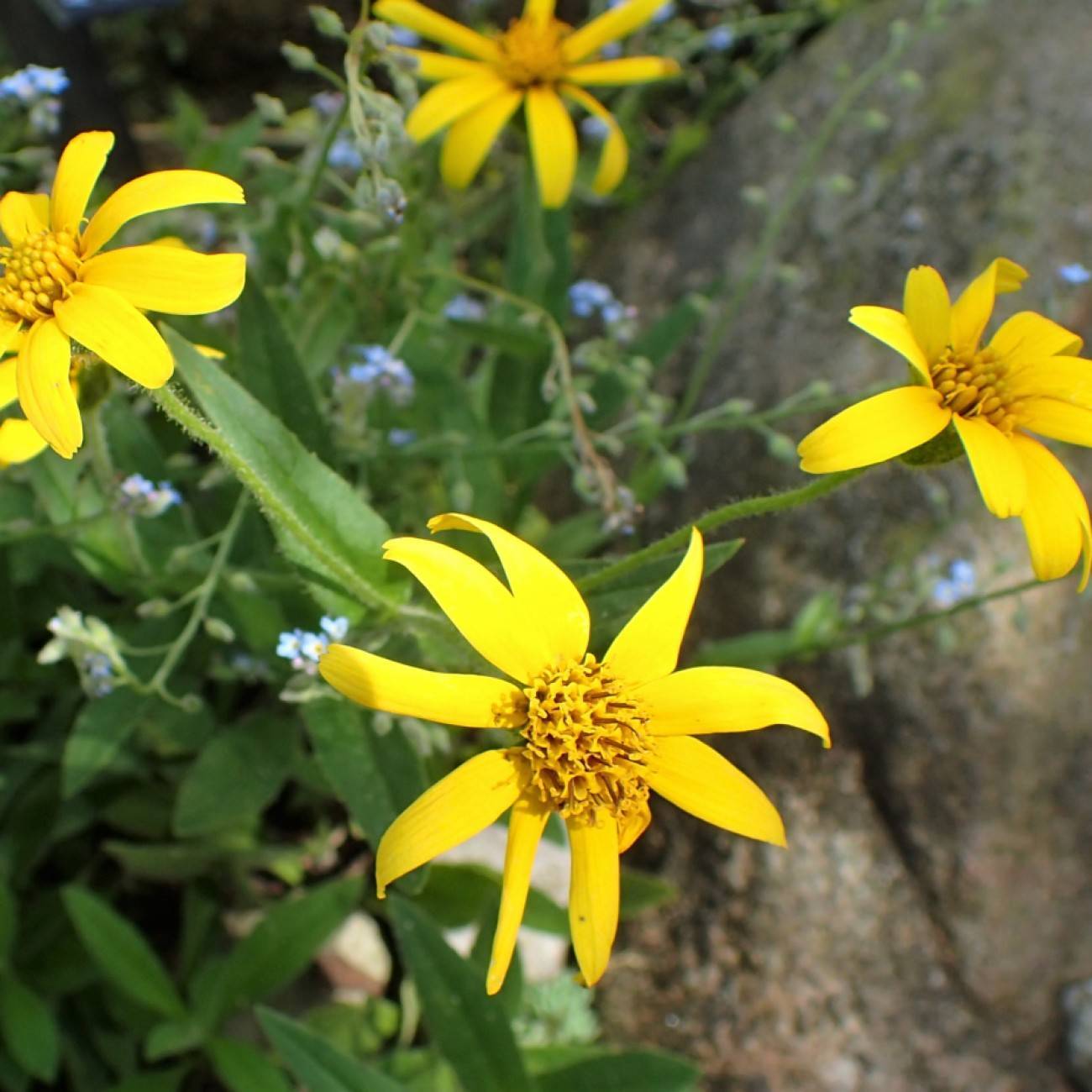
Heartleaf arnica is a hardy herbaceous perennial that thrives in cool, moist mountain meadows, open woodlands, and coniferous forest understories. It produces soft, fuzzy heart-shaped basal leaves and cheerful yellow composite flowers on slender stalks from late spring to mid-summer, supporting native pollinators including bumblebees and solitary bees. A close relative of sunflowers and daisies, it has a long history of use in traditional Indigenous and herbal medicine for topical pain relief.
Care Guide
Watering
Heartleaf arnica prefers consistently moist, well-drained soil and should be watered regularly during the growing season, allowing the top 1 inch of soil to dry slightly between waterings to prevent root rot. Reduce watering frequency in fall and winter once the plant enters dormancy, keeping soil only barely moist to avoid rotting the underground rhizomes. Avoid overhead watering to minimize fungal leaf spot risks, aiming water directly at the base of the plant.
Light
This species grows best in partial shade, mimicking its native dappled forest understory habitat, though it can tolerate full sun in cooler, high-elevation regions with consistent moisture. In warmer lowland areas, provide protection from intense midday and afternoon sun to prevent leaf scorch and wilting. Too much deep shade will reduce flowering and lead to leggy, sparse growth.
Soil
Heartleaf arnica requires nutrient-poor to moderately fertile, well-drained soil with a slightly acidic to neutral pH between 5.5 and 7.0, ideal for its shallow, rhizomatous root system. Sandy loam or loamy soil amended with organic matter such as pine needles or leaf mold mimics its native mountain soil conditions and supports healthy growth. Heavy, compacted, or waterlogged soils will quickly cause root rot, so amend heavy clay soils with coarse sand or perlite to improve drainage before planting.
Fertilizer
This wildflower is adapted to low-nutrient mountain soils and requires very little fertilization; an annual top dressing of well-rotted leaf mold or compost in early spring is sufficient to support growth. Avoid high-nitrogen synthetic fertilizers, which can cause excessive leaf growth at the expense of flowers and weaken the plant’s natural disease resistance. If grown in containers, apply a diluted, balanced organic liquid fertilizer once per year in early spring at half the recommended strength.
Temperature
Heartleaf arnica thrives in cool temperatures between 40-75°F (4-24°C) and is extremely cold hardy, surviving winter temperatures down to -40°F (-40°C) in USDA hardiness zones 3 through 8. It does not tolerate high heat and humidity well, and will struggle in regions with sustained summer temperatures above 85°F (29°C), often going dormant early in hot conditions. Mulch around the base of the plant in fall with pine straw or leaf litter to insulate roots during extreme cold and regulate soil temperature in summer.
Pruning
Pruning is minimal for heartleaf arnica; spent flower stalks can be deadheaded after blooming to encourage a tidier appearance and prevent unwanted self-seeding if desired. In late fall after foliage dies back, cut back dead stems to ground level to reduce overwintering pest and fungal disease habitat. Avoid removing green foliage during the growing season, as the leaves support the plant’s rhizome energy storage for the following year’s growth.
Propagation
Heartleaf arnica is most easily propagated by dividing mature clumps in early spring just as new growth emerges, carefully separating rhizome sections with at least one healthy growth bud and replanting immediately at the same depth as the original plant. It can also be grown from seed, which requires a 3-month cold stratification period to break dormancy, sown outdoors in fall or refrigerated in moist sand before sowing in spring. Seed-grown plants typically take 2-3 years to reach flowering maturity, while divided clumps will often bloom in their first year after transplanting.
Humidity
This species prefers moderate to high humidity levels between 40-70%, typical of its native mountain forest and meadow habitats. In dry indoor or low-humidity environments, misting around the plant regularly or placing it near a pebble tray filled with water can help raise ambient humidity levels to prevent leaf edge browning. Avoid placing it near dry heating or cooling vents, which can cause rapid moisture loss and stress the plant.
Repotting
If grown in containers, heartleaf arnica should be repotted every 2-3 years in early spring before new growth begins, using a well-draining acidic potting mix designed for wildflowers or woodland plants. Choose a wide, shallow pot to accommodate its spreading rhizomatous root system, ensuring the container has adequate drainage holes to prevent waterlogging. Avoid planting it too deeply; keep the crown of the plant at soil level to prevent rot, and water lightly after repotting to settle the soil around roots.
Uses & Symbolism
Heartleaf arnica is most widely known for its medicinal use; diluted extracts of its flowers and leaves are used topically in creams, salves, and tinctures to soothe muscle aches, bruises, and minor skin irritations, though internal consumption is not recommended without medical supervision. It is also a popular addition to native wildflower gardens, pollinator gardens, and woodland landscape plantings, providing bright seasonal color and supporting native bee populations. Indigenous communities across its native range have historically used it for a variety of medicinal purposes, including treating sore throats, wounds, and rheumatic pain.
Diseases & Pests
Heartleaf arnica is relatively pest and disease resistant when grown in its preferred conditions, but overwatering or poorly drained soil can lead to root rot, powdery mildew, and fungal leaf spots. Aphids and spider mites may occasionally infest the foliage, especially in dry, low-humidity conditions, and can be controlled with insecticidal soap or a strong spray of water to dislodge the pests. Slugs and snails may feed on young tender foliage in damp, shaded areas, and can be deterred with copper tape, diatomaceous earth, or hand removal during evening hours.
Related plants
Other plants you might like if you grow Heartleaf Arnica.