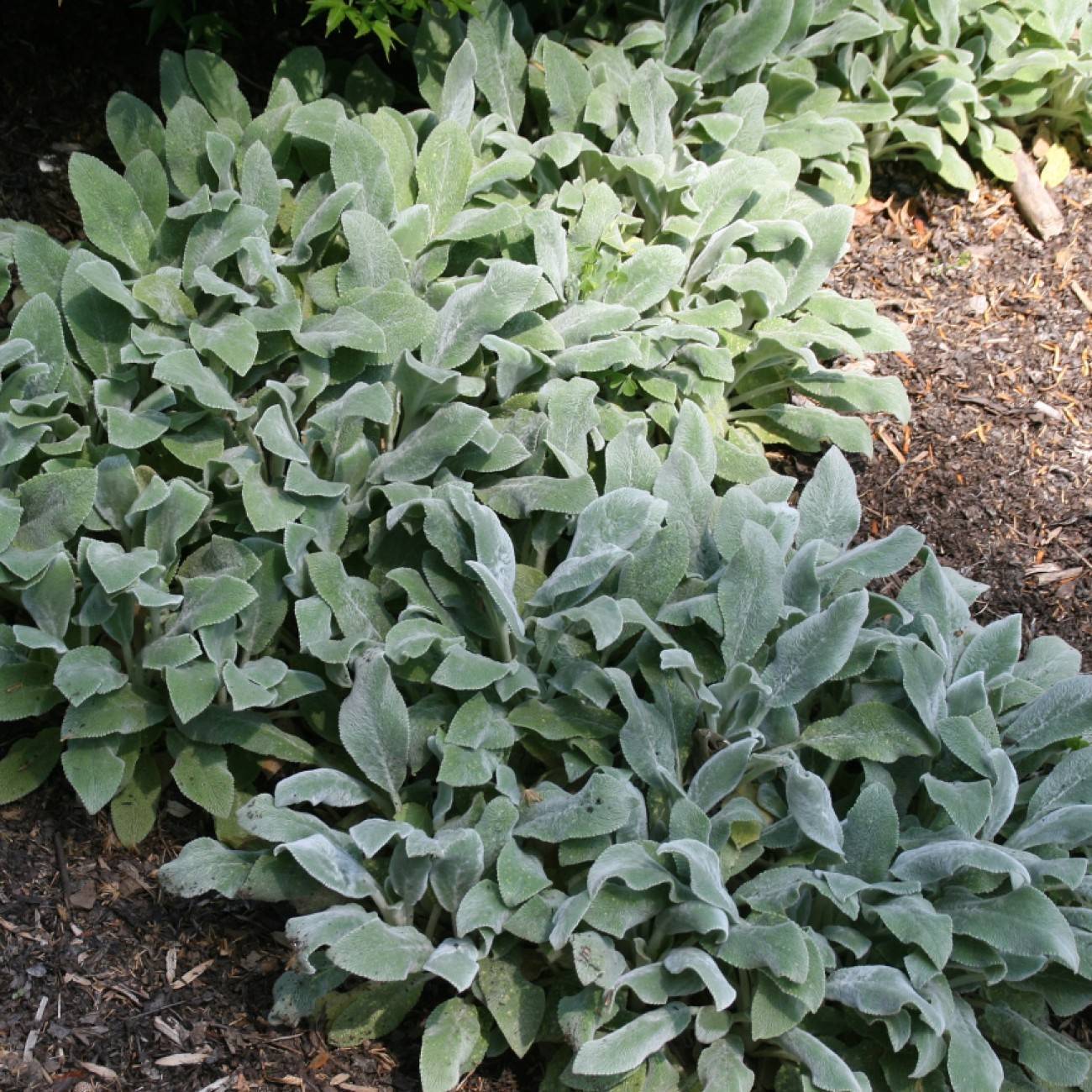
Lambs Ears
Stachys byzantina
Overview
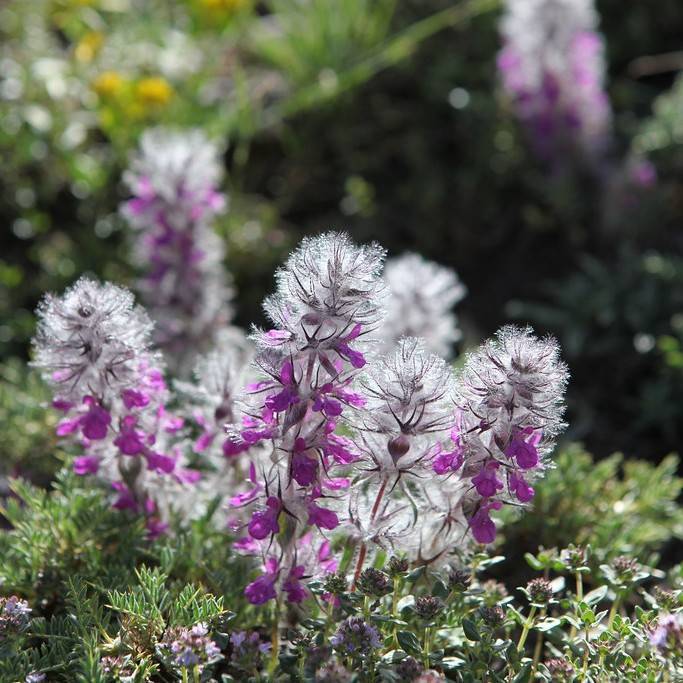
Lambs ears gets its common name from the thick, velvety, oval-shaped silver-gray leaves that resemble the soft ears of a lamb, creating a striking textural contrast in garden settings. It produces small, muted purple or pink flower spikes on tall stalks in late spring to early summer, though many growers remove these to focus on the attractive foliage. Adapted to dry, rocky slopes in its native range, it is widely cultivated as a hardy, low-growing ground cover or edging plant in temperate gardens worldwide.
Care Guide
Watering
Lambs ears is highly drought-tolerant once established, requiring only occasional deep watering during prolonged dry spells, and overwatering is the most common cause of plant failure. Allow the top 2 to 3 inches of soil to dry out completely between waterings, and avoid wetting the foliage directly to prevent rot and fungal issues. In areas with regular rainfall, supplemental watering is rarely needed, and potted specimens should be watered sparingly, with excess water drained promptly from the saucer.
Light
This plant thrives in full sun, requiring at least 6 hours of direct sunlight per day to maintain its dense growth habit and vibrant silvery leaf color. It can tolerate light partial shade, especially in regions with extremely hot summer afternoons, but too much shade will cause it to become leggy, lose its fuzzy texture, and develop greener, less attractive foliage. Indoor specimens should be placed in a south or west-facing window with unobstructed light for most of the day.
Soil
Lambs ears prefers well-drained, sandy or loamy soil with a neutral to slightly alkaline pH range of 6.0 to 7.5, and will not survive in heavy, compacted clay soils that retain moisture for long periods. Amending heavy garden soil with coarse sand, perlite, or gravel at planting time will improve drainage enough to support healthy growth, and a light layer of gravel mulch around the base of the plant will keep foliage dry and prevent rot. Potted plants do best in a fast-draining cactus or succulent potting mix, with extra perlite added if the mix is too moisture-retentive.
Fertilizer
This low-maintenance plant requires very little fertilizer, as rich or overly fertile soil will cause it to grow leggy and lose its compact, dense form. A single light application of balanced, slow-release 10-10-10 fertilizer in early spring, at half the recommended strength, is sufficient for the entire growing season for garden-grown specimens. Potted lambs ears can be given a diluted liquid fertilizer once every 2 to 3 months during active growth, but fertilization should be stopped entirely in fall and winter to allow the plant to go dormant.
Temperature
Lambs ears is cold-hardy in USDA zones 4 through 8, tolerating winter temperatures as low as -30°F (-34°C) when planted in well-drained soil, and can survive short periods of summer heat up to 100°F (38°C) with adequate airflow. High humidity combined with warm temperatures is the biggest stressor for this plant, as moist air trapped around the fuzzy foliage can lead to fungal infections and leaf rot, so proper spacing between plants is critical in humid climates. Indoor specimens prefer average room temperatures between 65°F and 75°F (18°C to 24°C), and should be kept away from cold drafts and heating vents that can cause rapid moisture loss.
Pruning
Prune lambs ears in early spring to remove any dead, damaged, or browned foliage from the winter, cutting back the entire plant to 2 to 3 inches above the soil line if it has become sparse or leggy. Many gardeners remove flower stalks as soon as they appear to redirect the plant’s energy toward foliage production, as the flowers are not particularly showy and allowing them to go to seed can cause the plant to spread aggressively beyond its intended area. Throughout the growing season, pluck any yellow or rotting leaves from the base of the plant to improve airflow and prevent fungal issues from developing.
Propagation
Lambs ears is most easily propagated by division in early spring or early fall, when the plant is not in active flower, by digging up established clumps and separating them into smaller sections with healthy roots and foliage. It can also be grown from seed sown directly in the garden after the last frost date, though seed-grown plants may take 2 to 3 years to reach full maturity and develop their characteristic thick, fuzzy foliage. Stem cuttings can be rooted in well-drained potting mix during the summer months, though division has a much higher success rate and produces mature plants much faster.
Humidity
This plant prefers low to moderate humidity levels between 30% and 50%, and is well-adapted to dry indoor air and arid outdoor climates. High humidity levels above 60% can cause the fuzzy leaves to trap moisture against their surface, leading to powdery mildew, leaf spot, and crown rot, so ensure plants have plenty of space for airflow around their foliage in humid regions. Indoor specimens do not require misting, and should be kept away from humid areas like bathrooms and kitchen sinks to avoid excess moisture exposure.
Repotting
Potted lambs ears only needs to be repotted every 2 to 3 years, when it has outgrown its current container and roots are growing out of the drainage holes. Repot in early spring before new growth begins, selecting a container only 1 to 2 inches larger than the current one to avoid excess soil that holds unnecessary moisture, and use a fast-draining cactus or succulent mix as the growing medium. After repotting, water lightly and avoid fertilizing for 4 to 6 weeks to allow the roots to recover and establish in the new soil.
Uses & Symbolism
Lambs ears is a popular edging and ground cover plant for sunny garden borders, rock gardens, and xeriscapes, where its soft silvery foliage creates a beautiful contrast with bright green and flowering plants. The fuzzy leaves were historically used as a natural bandage for minor cuts and scrapes due to their absorbent, mildly antiseptic properties, and are sometimes used in sensory gardens for their pleasant tactile texture. It is also grown in containers for patios and windowsills, and the dried foliage is used in dried flower arrangements and wreaths for its unique color and texture.
Diseases & Pests
The most common issues affecting lambs ears are fungal diseases like powdery mildew, leaf spot, and crown rot, all caused by overwatering, poor drainage, or excessive humidity trapping moisture against the foliage. Common pests include aphids, spider mites, and slugs, though the thick fuzzy foliage deters most herbivorous insects and deer, making it a highly deer-resistant garden plant. Ensuring proper spacing for airflow, avoiding overhead watering, and planting in well-drained soil will prevent nearly all common disease and pest issues for this hardy plant.
Related plants
Other plants you might like if you grow Lambs Ears.
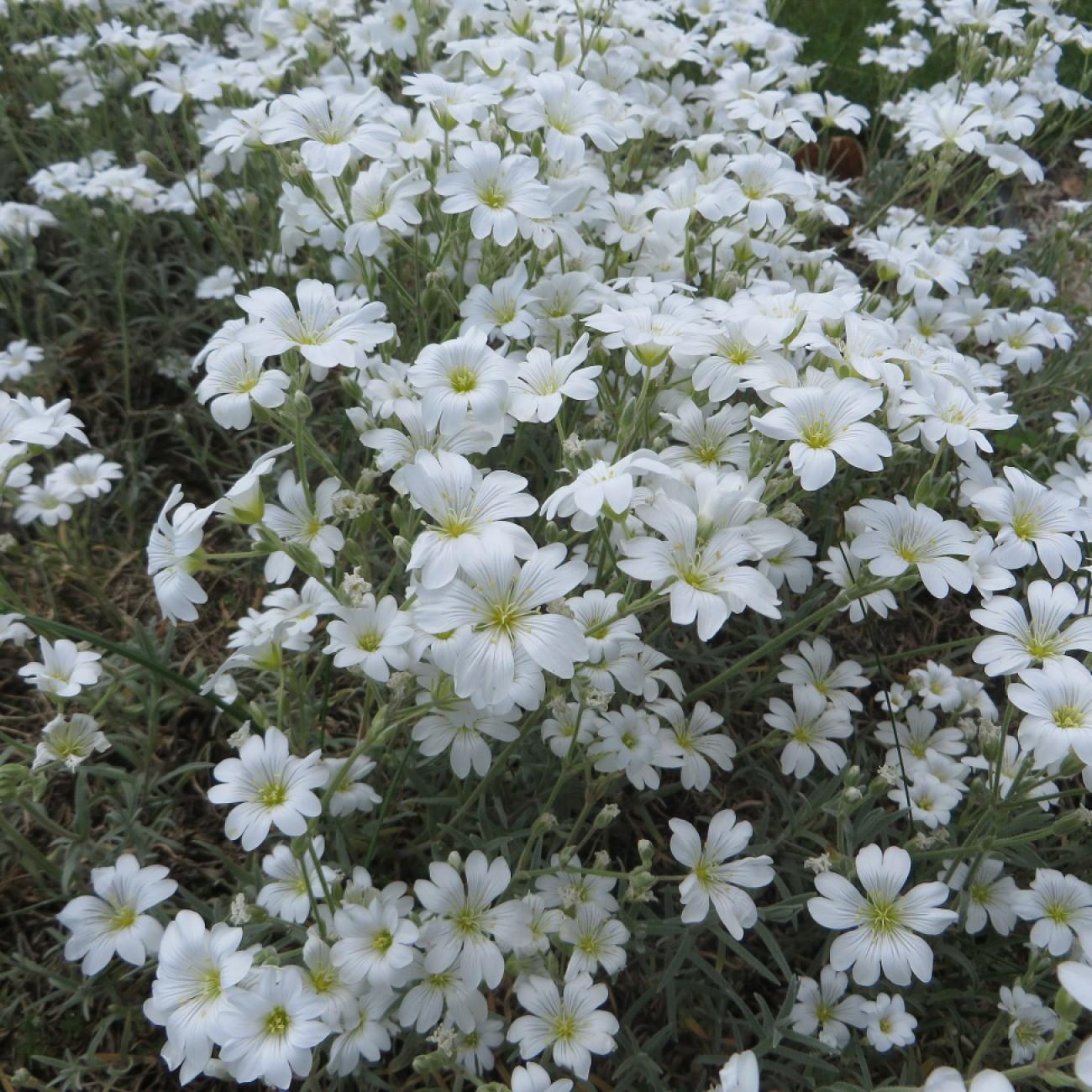
Bieberstein Chickweed
Cerastium biebersteinii
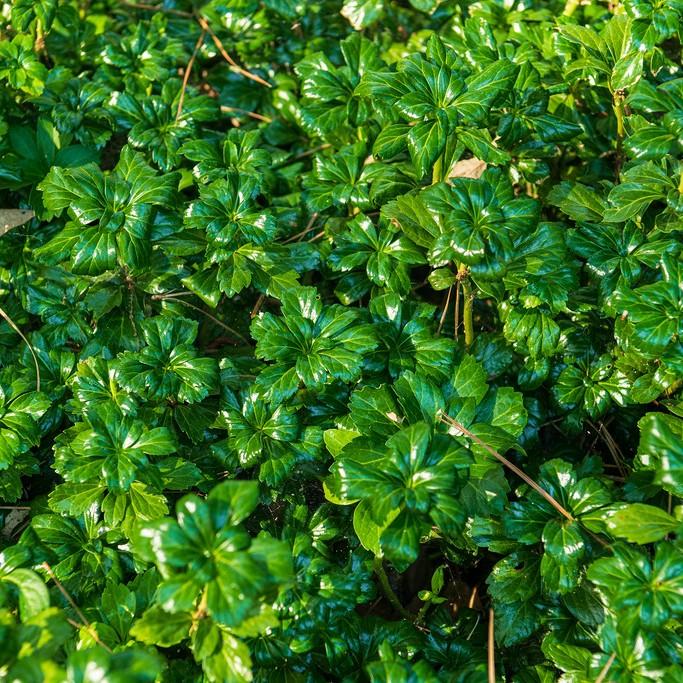
Japanese Pachysandra
Pachysandra terminalis
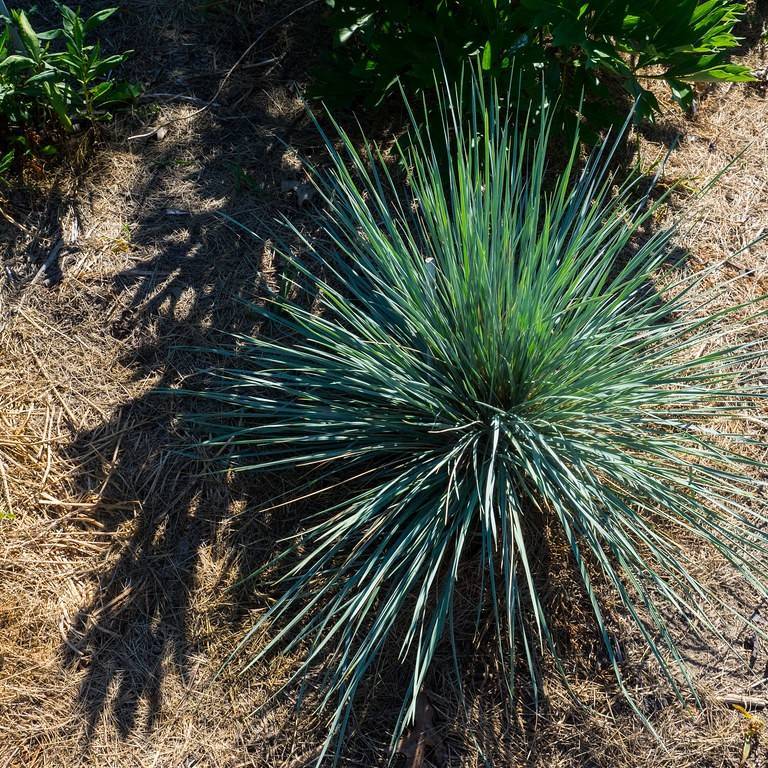
Blue Oat Grass
Helictotrichon sempervirens
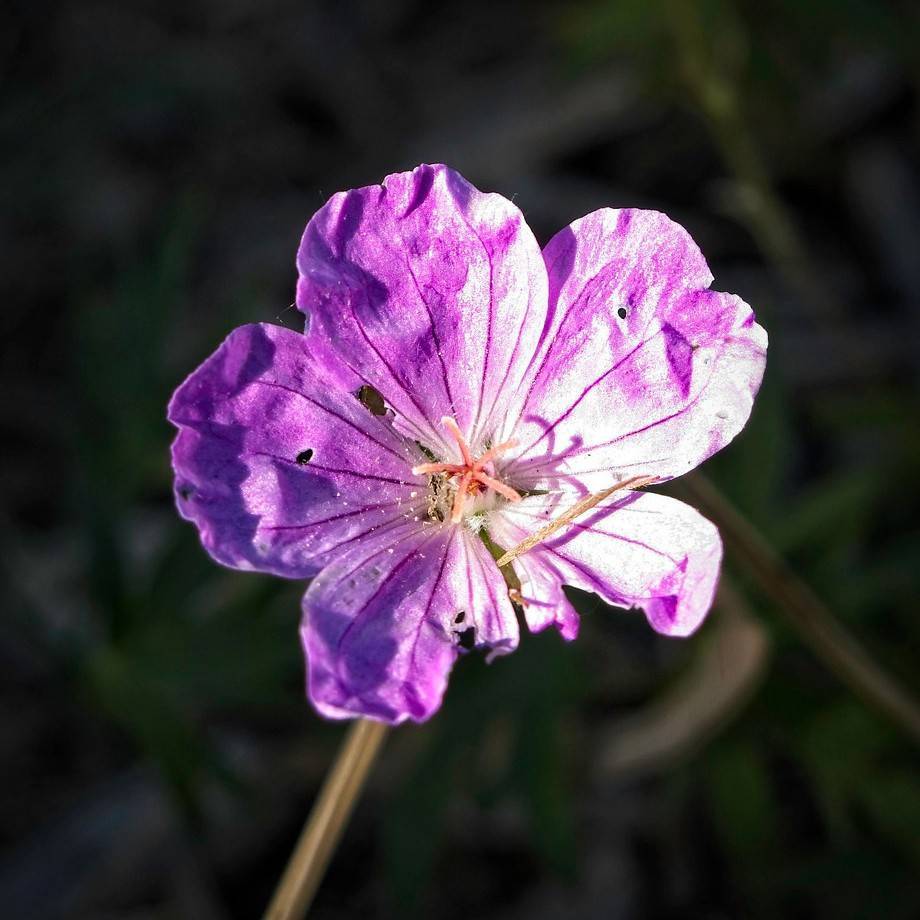
Bloody Cranesbill
Geranium sanguineum
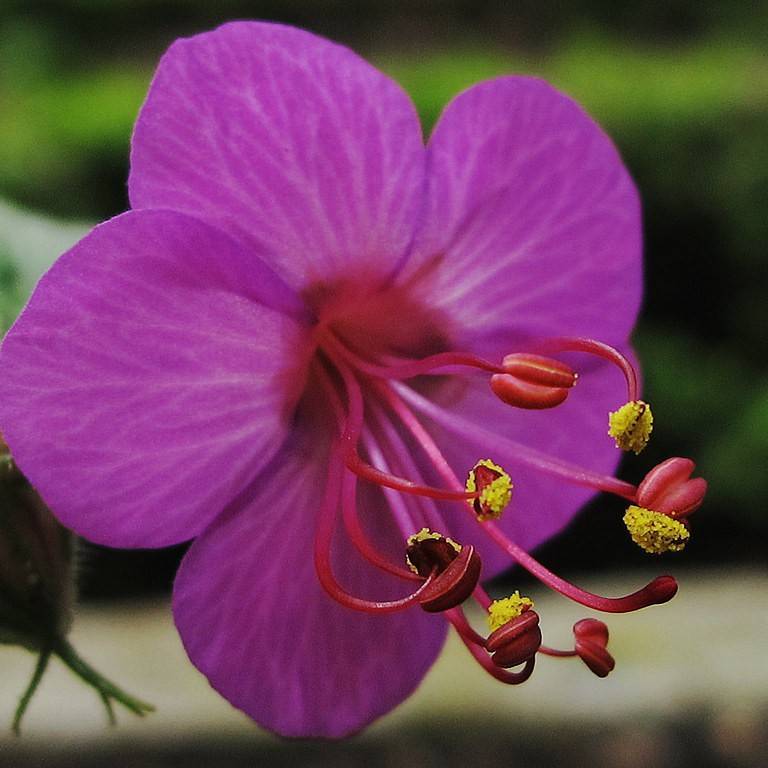
Bigroot Geranium
Geranium macrorrhizum
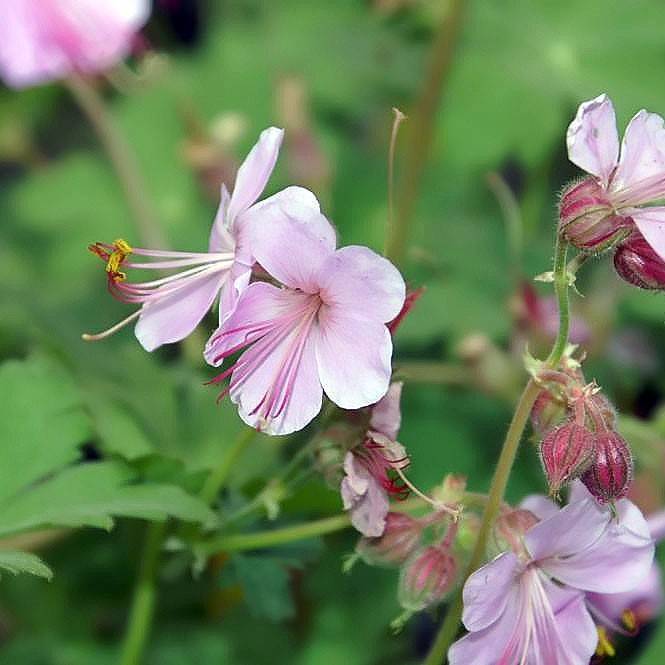
Ingwersen's Variety Bigroot Geranium
Geranium macrorrhizum 'Ingwersen's Variety'
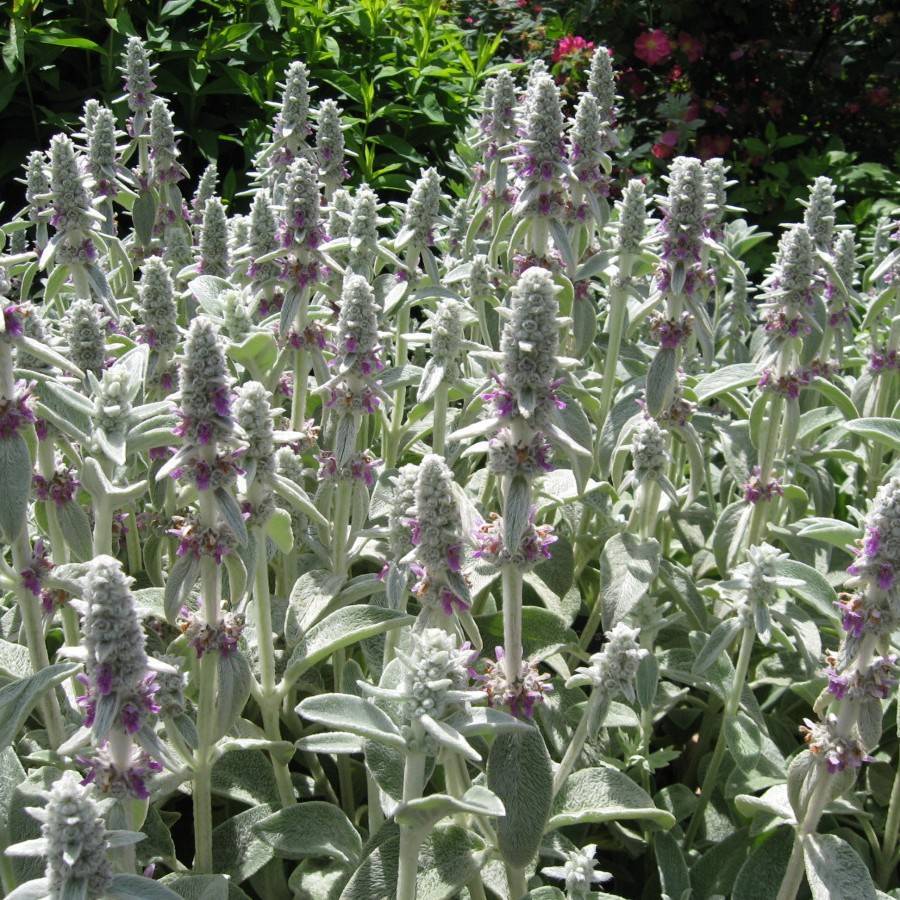
Lamb's Ear
Stachys byzantina
Lamb's Ears
Stachys byzantina