Lamb's Ear
Stachys byzantina
Overview
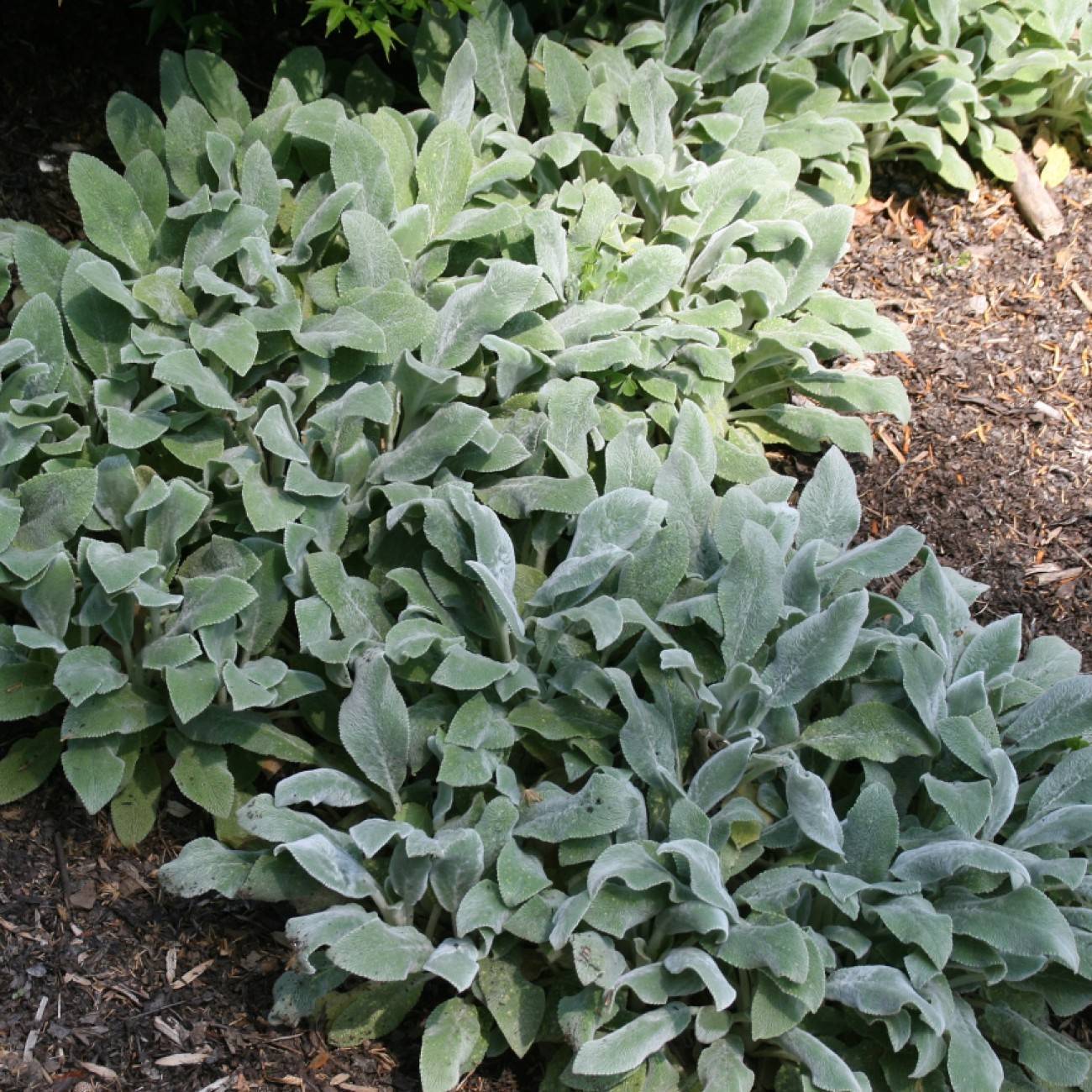
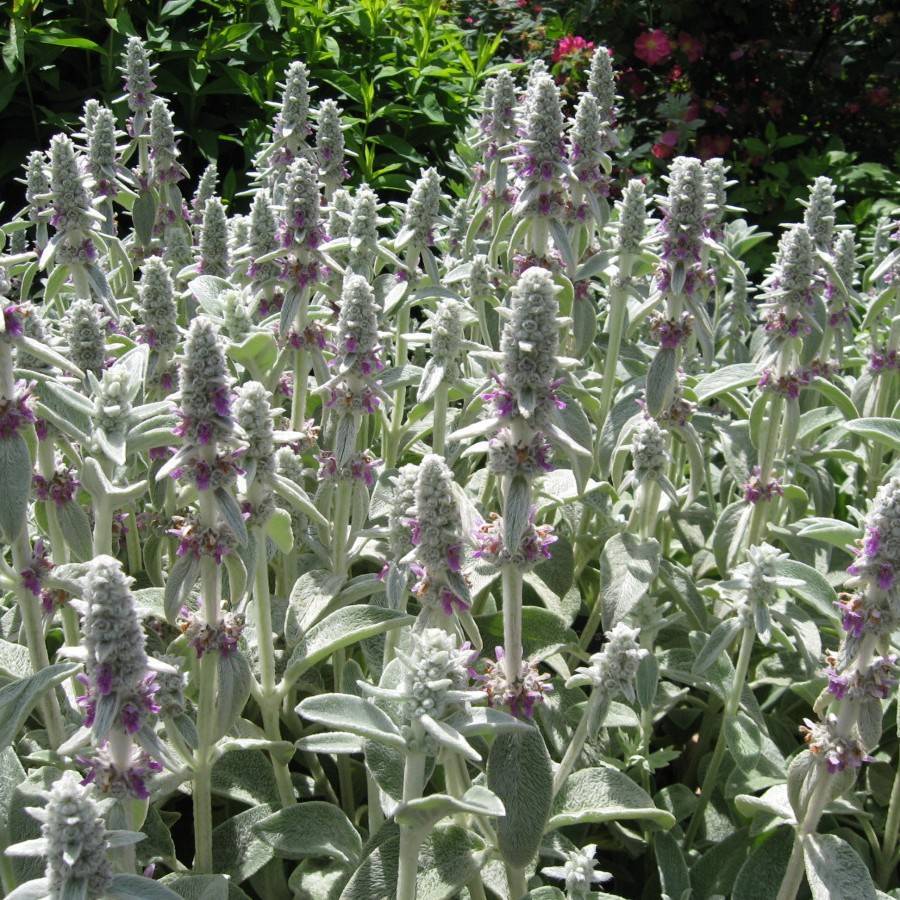
Lamb's ear is a low-growing, mat-forming perennial named for its thick, velvety, silver-gray leaves that resemble the soft ears of a lamb. It produces small, pale purple to pink flower spikes on tall stems in late spring to early summer, though many gardeners remove these to prioritize foliage growth. Adapted to dry, rocky slopes in its native range, it is widely cultivated for its textural contrast, drought resistance, and ability to thrive in poor soil conditions.
Care Guide
Watering
Water newly planted lamb's ear regularly to establish roots, keeping soil evenly moist but not waterlogged. Once established, it is highly drought tolerant, requiring water only during extended periods of extreme heat or dryness. Avoid overhead watering to prevent leaf rot, as the fuzzy foliage traps moisture easily.
Light
Grow lamb's ear in full sun for the most vibrant silvery foliage and dense growth habit. It can tolerate partial shade, especially in hot, arid climates where afternoon shade prevents leaf scorch, though too much shade will cause leggy growth and reduced leaf fuzz.
Soil
Lamb's ear thrives in poor to moderately fertile, well-drained soil with a neutral to slightly alkaline pH. Heavy clay or water-retentive soils will lead to root rot, so amend planting areas with sand, gravel, or compost to improve drainage if needed. It tolerates rocky, sandy, and low-nutrient soils far better than rich, moisture-heavy mixes.
Fertilizer
Fertilization is rarely needed for lamb's ear, as excess nutrients cause leggy, floppy growth and reduce the characteristic silver foliage color. If growing in extremely poor soil, apply a thin layer of compost around the base of plants in early spring once every 2 to 3 years. Avoid synthetic nitrogen fertilizers entirely, as they can damage the plant's shallow root system.
Temperature
Lamb's ear is cold hardy in USDA zones 4 through 9, tolerating winter temperatures as low as -30°F (-34°C) when planted in well-drained soil. It prefers warm, dry summer conditions, and may struggle in regions with high summer humidity and frequent rain, where leaf rot is common. In areas with mild, wet winters, provide extra drainage and avoid mulching directly against the plant's crown to prevent freezing damage.
Pruning
Prune away any brown, damaged, or rotting leaves throughout the growing season to maintain airflow and encourage new, healthy foliage growth. If you do not wish to have the plant flower, snip off emerging flower stalks at the base as they appear in late spring to redirect energy to leaf production. Cut back the entire plant to 2-3 inches above the soil line in late fall or early spring to remove old growth and promote fresh, dense matting.
Propagation
Lamb's ear is most easily propagated by division in early spring or fall, when you can lift mature clumps, separate them into smaller sections with intact roots, and replant them 12-18 inches apart. It can also be grown from seed sown directly outdoors after the last frost date, though seed-grown plants may take 1-2 years to reach full maturity and develop their characteristic fuzzy foliage. Stem cuttings root readily in well-drained potting mix if taken in late spring before flower stalks form.
Humidity
Lamb's ear prefers low to moderate humidity levels, and is highly prone to fungal leaf diseases in areas with high humidity or prolonged moisture on foliage. Ensure plants have 12-18 inches of spacing between each other and neighboring plants to promote good air circulation, which reduces humidity buildup around the leaves. Avoid misting or wetting the foliage when watering, and remove any fallen debris from around the plant's base to prevent moisture retention.
Repotting
If growing lamb's ear in containers, repot every 2-3 years in early spring, moving to a pot one size larger only if the plant has outgrown its current container. Use a fast-draining succulent or cactus potting mix, and ensure the container has multiple drainage holes to prevent standing water at the roots. Trim away any rotted or dead roots during repotting, and avoid planting the crown deeper than it sat in the original pot to prevent rot.
Uses & Symbolism
Lamb's ear is a popular edging plant for garden beds, walkways, and rock gardens, where its soft silver foliage provides textural contrast to green-leaved perennials and brightly colored flowers. It is frequently planted in children's gardens for its tactile, non-toxic foliage, and is also used in xeriscaping and low-water landscaping due to its extreme drought tolerance. Historically, its absorbent, soft leaves were used as a makeshift bandage for minor cuts and scrapes, and it is sometimes grown as a companion plant to repel certain garden pests.
Diseases & Pests
The most common issue affecting lamb's ear is fungal leaf rot and powdery mildew, caused by excessive moisture on foliage, poor air circulation, or overly wet soil. Slugs and snails may feed on young foliage in damp, shaded areas, though they rarely cause significant damage to mature, healthy plants. Root rot will occur quickly if the plant is grown in poorly drained soil or overwatered, so ensuring proper drainage is the best preventative measure for most health issues.
Related plants
Other plants you might like if you grow Lamb's Ear.