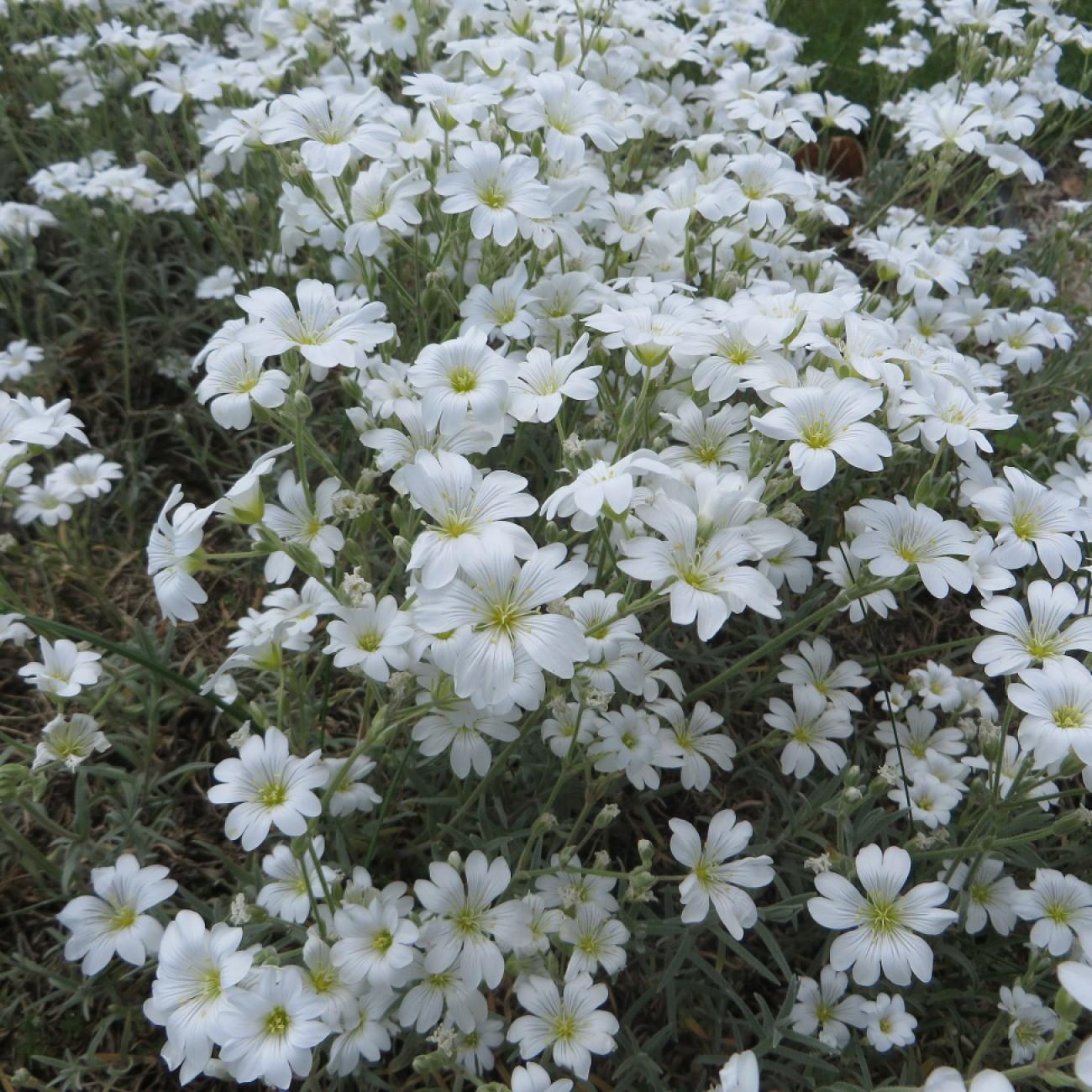
Bieberstein Chickweed
Cerastium biebersteinii
Overview
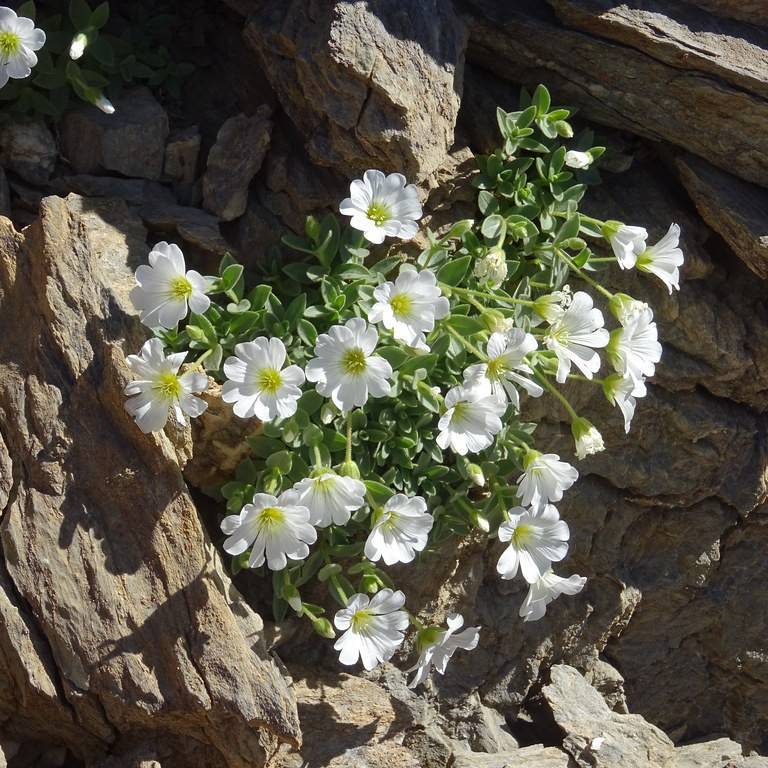
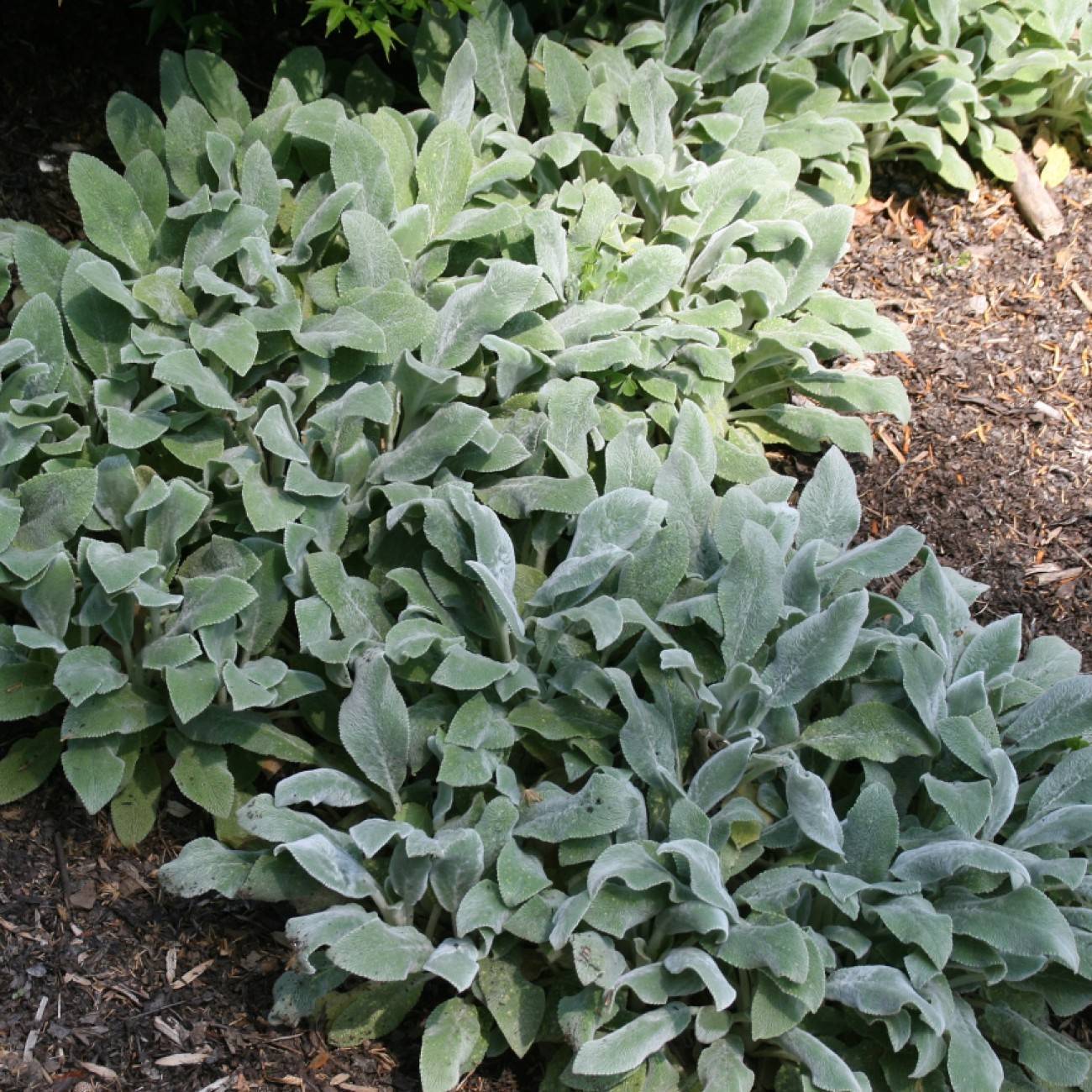
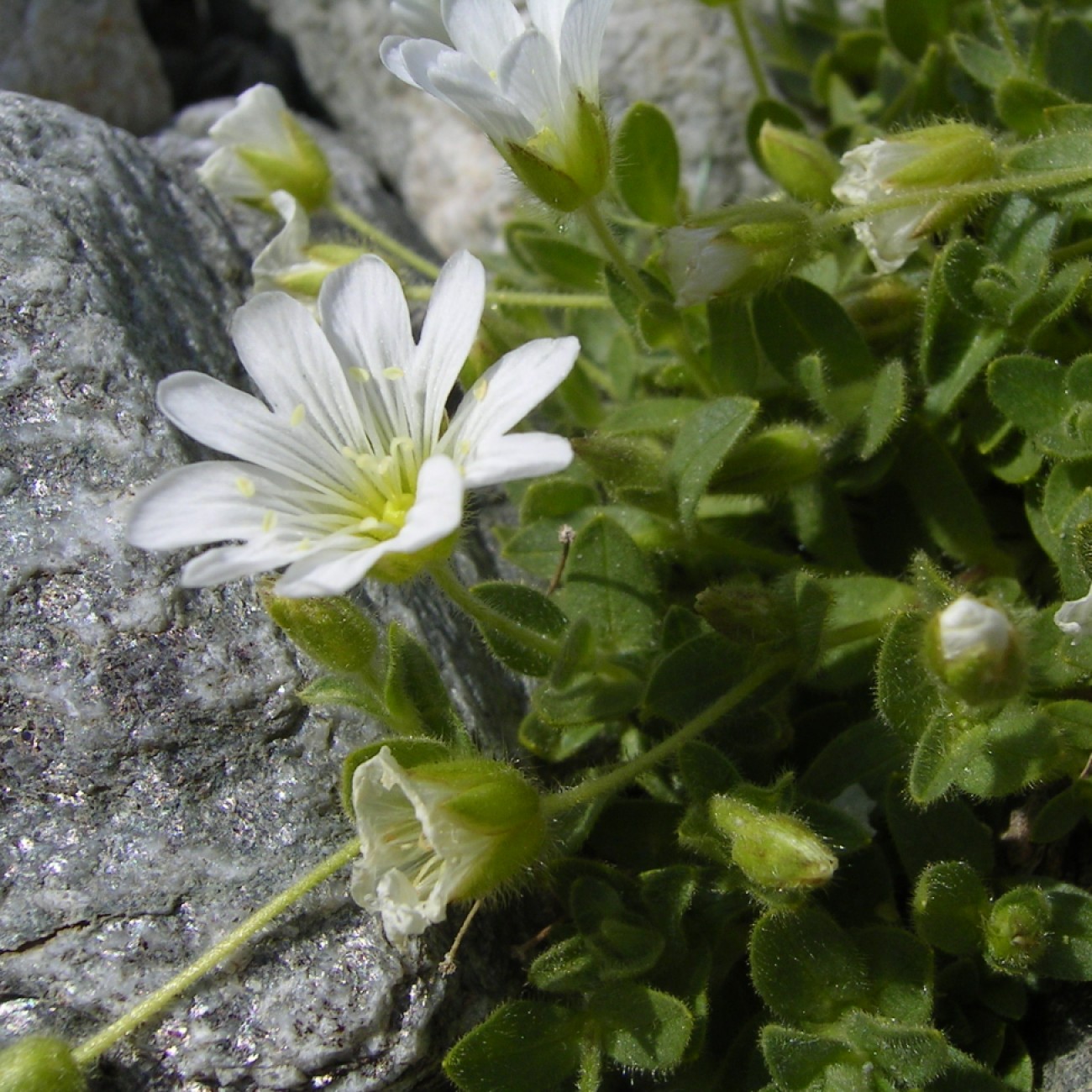
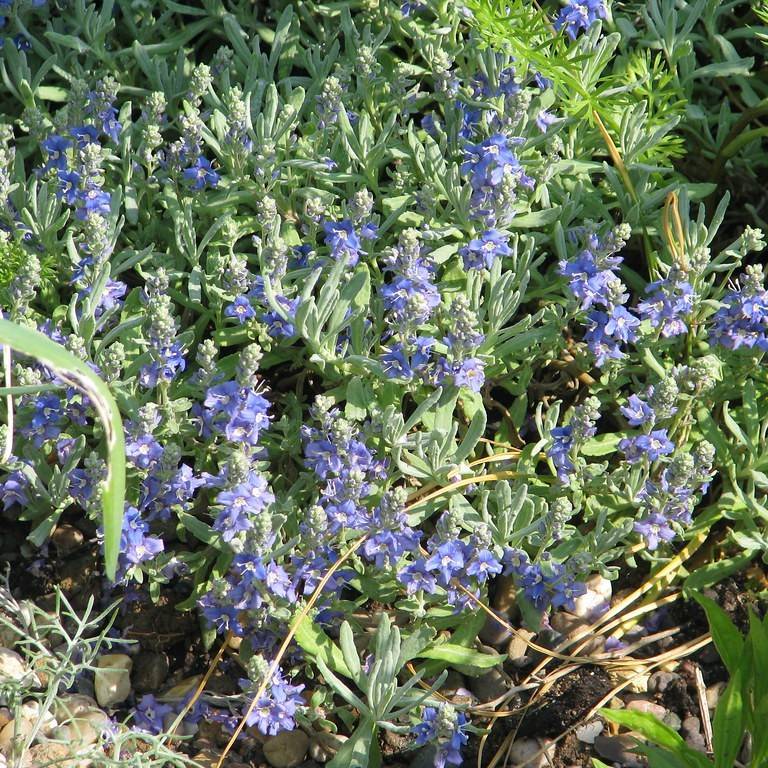
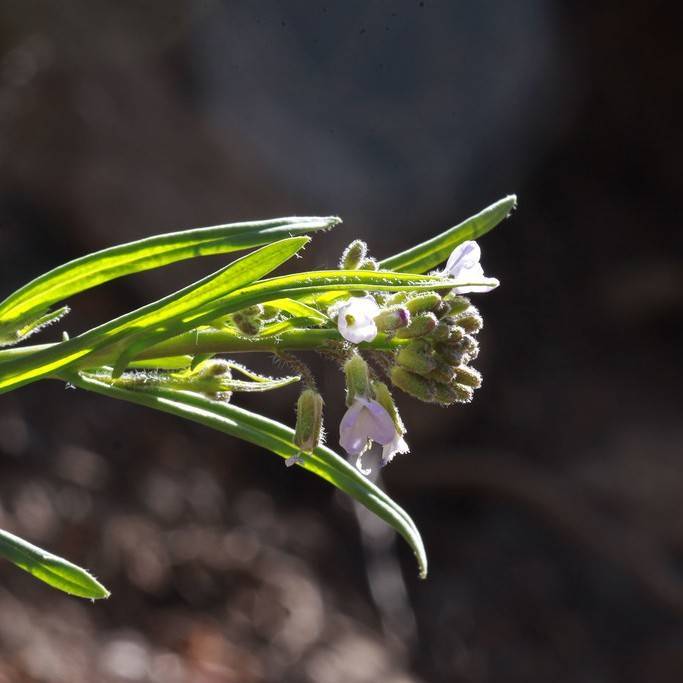
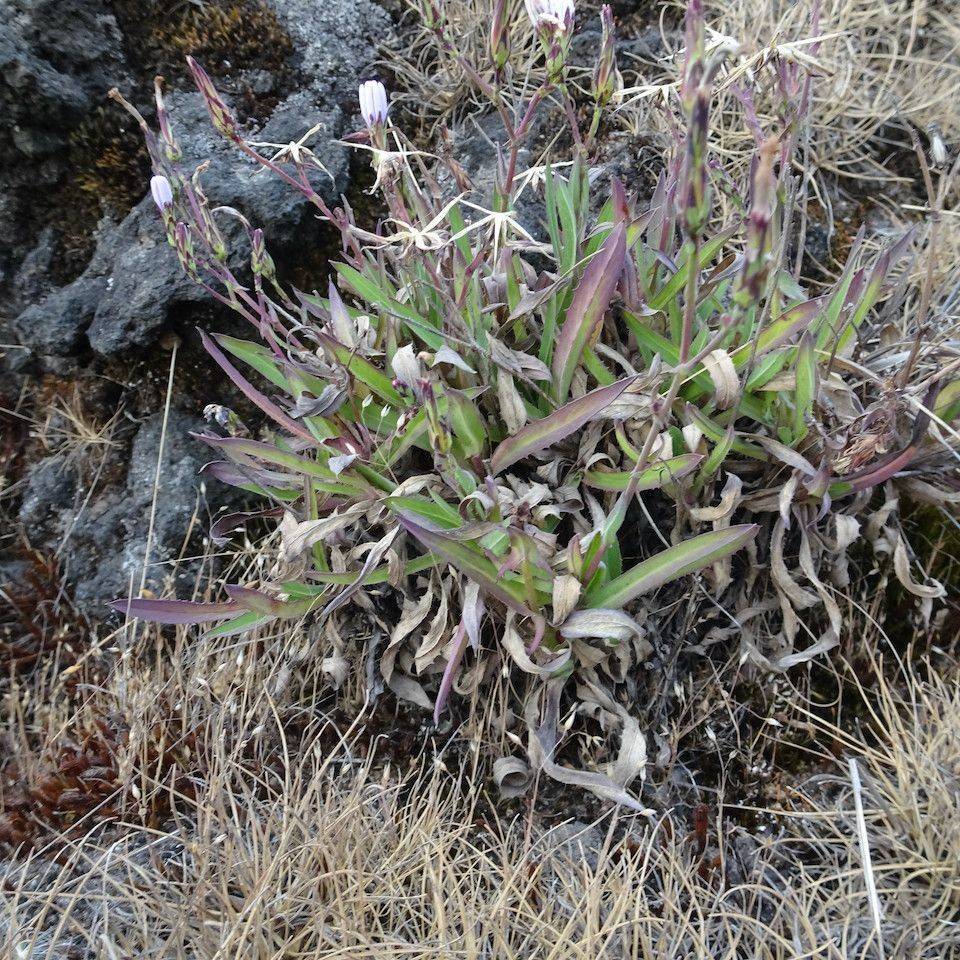
Bieberstein Chickweed is a mat-forming herbaceous perennial distinguished by its fuzzy, silvery-gray lance-shaped leaves that create a dense, carpet-like foliage cover. From late spring to early summer, it produces clusters of small, star-shaped white flowers with notched petals that contrast sharply against its muted foliage. Native to rocky, mountainous regions of Eastern Europe and Western Asia, it is adapted to well-drained, poor soils and full sun conditions, making it a hardy choice for low-maintenance landscapes. It spreads gradually via creeping stems, without being aggressively invasive in most garden settings.
Care Guide
Watering
Water newly planted Bieberstein Chickweed regularly to establish roots, keeping soil consistently moist but not waterlogged for the first growing season. Once established, it is highly drought tolerant, requiring only occasional watering during extended periods of hot, dry weather. Avoid overwatering, as saturated soil will quickly cause root rot and plant decline.
Light
This plant thrives in full sun, requiring at least 6 hours of direct, unfiltered sunlight daily to produce dense foliage and abundant blooms. It can tolerate very light partial shade, but too much shade will cause leggy growth, reduced flowering, and loss of its characteristic silvery leaf color. In extremely hot, arid climates, a small amount of afternoon shade can prevent leaf scorch without negatively impacting growth.
Soil
Bieberstein Chickweed requires sharply drained, sandy or gravelly soil with a neutral to slightly alkaline pH for optimal health. It tolerates poor, low-nutrient soils extremely well, and will struggle in heavy clay or rich, moisture-retentive garden soils. Amend heavy planting areas with coarse sand or grit at planting time to improve drainage and prevent root rot.
Fertilizer
This low-growing perennial requires very little fertilization, and excess nutrients will cause weak, leggy growth that loses its compact mat form. A single light application of balanced, slow-release fertilizer in early spring is sufficient for the entire growing season, if grown in extremely poor soil. Avoid applying high-nitrogen fertilizers, as they will promote excessive foliage growth at the expense of flowers.
Temperature
It is cold hardy in USDA zones 3 through 7, tolerating winter temperatures as low as -40°F (-40°C) without protection. It prefers cool summer conditions, and may struggle in areas with prolonged high heat and humidity above 85°F (29°C), where it is prone to foliar fungal issues. In regions with hot summers, providing afternoon shade and ensuring excellent air circulation will improve its survival.
Pruning
Prune back Bieberstein Chickweed lightly immediately after flowering to remove spent blooms and encourage a dense, compact second flush of foliage. If the mat becomes leggy or patchy in late summer, shear the entire plant back by one-third to stimulate fresh, new growth. Remove any dead or browned foliage in early spring before new growth emerges to keep the planting neat and reduce fungal disease risk.
Propagation
The most common propagation method is division, done in early spring or early fall by lifting mature clumps, separating them into smaller sections with intact roots, and replanting immediately. It can also be grown from seed sown directly outdoors in fall or early spring, with seeds germinating in 2-3 weeks under cool, moist conditions. Softwood stem cuttings taken in late spring or early summer root readily in well-drained, sandy medium without rooting hormone.
Humidity
Bieberstein Chickweed prefers low to moderate humidity levels, and is well adapted to dry, mountain air conditions. High humidity, especially combined with warm temperatures and poor air circulation, increases the risk of powdery mildew and other foliar fungal diseases. Avoid planting in low-lying, damp areas, and space plants appropriately to promote good air flow around foliage in more humid climates.
Repotting
When grown in containers, repot every 2-3 years in early spring, using a fast-draining cactus or succulent potting mix amended with extra grit or perlite. Choose a shallow pot with ample drainage holes, as the plant has a shallow root system and does not require deep soil. Trim back any overgrown roots and remove dead foliage at repotting time to encourage healthy new growth.
Uses & Symbolism
Bieberstein Chickweed is primarily used as a drought-tolerant ground cover for rock gardens, alpine gardens, crevice plantings, and slope stabilization, where its silvery foliage provides year-round color contrast. It is also well suited for growing in containers, window boxes, and as an edging plant for sunny borders, where its spreading habit spills attractively over edges. Its nectar-rich flowers support small native pollinators including bees and butterflies in early summer.
Diseases & Pests
The most common issues are fungal diseases including root rot, powdery mildew, and rust, almost always caused by overwatering, poor drainage, or high humidity with inadequate air circulation. Common pests include aphids and spider mites, which may infest stressed plants during extended dry periods, and can be controlled with insecticidal soap or neem oil applications. Slugs and snails may occasionally feed on young foliage, especially in damp, shaded locations.
Related plants
Other plants you might like if you grow Bieberstein Chickweed.