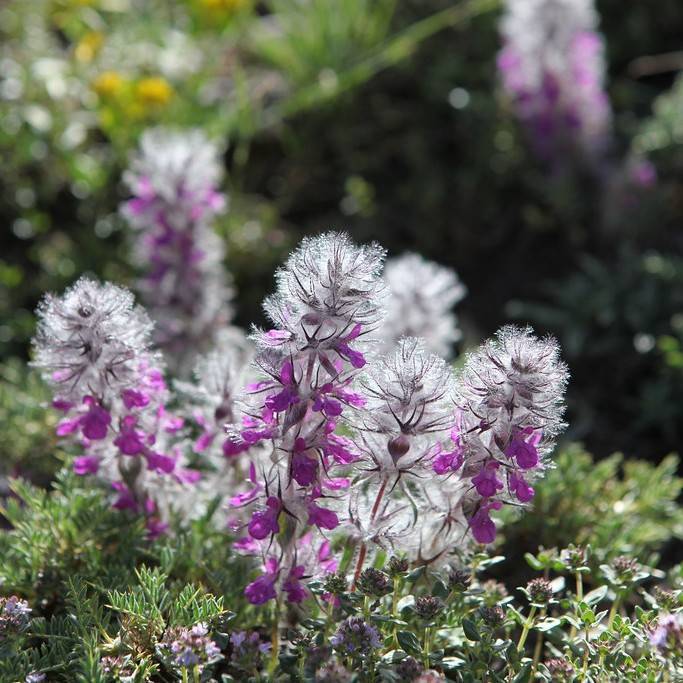
Lamb's Ears
Stachys byzantina
Overview
Lamb's ears is a beloved ornamental perennial named for its thick, velvety, silver-gray leaves that resemble the soft ears of a lamb. It produces small, pink to purple flower spikes on tall stems in late spring to early summer, though many gardeners remove blooms to prioritize foliage growth. Adaptable to dry, poor soils, it is a popular choice for rock gardens, border edges, and sensory gardens where its soft texture can be enjoyed up close.
Care Guide
Watering
Lamb's ears is highly drought-tolerant once established, requiring only occasional deep watering during prolonged dry spells. Avoid overhead watering and wetting the foliage to prevent rot, as the fuzzy leaves trap moisture easily. Reduce watering significantly in winter to prevent soggy root conditions.
Light
Thrives in full sun, requiring at least 6 hours of direct sunlight daily to maintain its compact growth habit and vibrant silver foliage color. It can tolerate light partial shade, particularly in hot, arid climates, but excessive shade will cause leggy growth and reduce leaf fuzziness. Too much shade also increases the risk of fungal disease.
Soil
Prefers well-drained, sandy or loamy soil with a neutral to slightly alkaline pH, and tolerates poor, low-nutrient soils exceptionally well. Heavy clay soils that retain moisture will cause rapid root rot, so amend heavy planting sites with sand or gravel to improve drainage before planting. Avoid rich, overly fertile soils, as they promote overly lush, weak growth.
Fertilizer
Requires very little fertilization, as excess nutrients cause leggy, floppy growth and reduce the plant's signature silver foliage color. An annual light topdressing of compost in early spring is sufficient for most garden-grown plants. Avoid synthetic, high-nitrogen fertilizers entirely, as they can damage the plant's root system and reduce drought tolerance.
Temperature
Hardy in USDA zones 4 through 8, tolerating winter temperatures as low as -30°F (-34°C) when planted in well-drained soil. It thrives in warm, dry summer conditions, but struggles in regions with high summer humidity and frequent rain. In areas with hot, humid summers, provide extra airflow and ensure perfect drainage to prevent foliage rot.
Pruning
Remove spent flower spikes as they fade if you wish to prioritize foliage growth, as blooming redirects energy away from leaf production. In early spring, trim back any brown, damaged, or rotted leaves from the previous winter to encourage fresh, new foliage growth. If the plant becomes leggy or overgrown in mid-summer, shear it back by one-third to promote a compact, dense habit.
Propagation
Easily propagated by division in early spring or early fall, simply dig up mature clumps, separate them into smaller sections with intact roots, and replant immediately in well-drained soil. It can also be grown from seed sown directly outdoors after the last frost date, though seed-grown plants may have slightly variable foliage texture and color. Softwood cuttings taken in late spring also root readily in well-drained potting mix with consistent light moisture.
Humidity
Prefers low to moderate humidity levels, and struggles in high-humidity environments where moisture becomes trapped on its fuzzy foliage. In humid climates, space plants 12-18 inches apart to promote good air circulation around the leaves, reducing the risk of fungal disease. Avoid misting or spraying the foliage directly, as this can cause leaf spotting and rot.
Repotting
If grown in containers, repot every 2-3 years in early spring, using a fast-draining succulent or cactus potting mix to prevent excess moisture retention. Choose a pot with ample drainage holes, and avoid overpotting, as excess soil will hold unnecessary moisture around the roots. When repotting, gently divide overgrown clumps to keep the plant compact and prevent overcrowding.
Uses & Symbolism
Lamb's ears is widely planted as a low-growing ornamental ground cover, border edge, or sensory garden plant, where its soft, fuzzy foliage is a favorite for children and garden visitors to touch. Historically, its absorbent, antiseptic leaves were used as a makeshift bandage for minor cuts and scrapes to stop bleeding and reduce infection risk. Its drought tolerance and low maintenance make it a popular choice for xeriscaping, rock gardens, and low-water landscape designs.
Diseases & Pests
The most common issues are fungal leaf spots, powdery mildew, and root rot, almost always caused by excessive moisture, poor drainage, or lack of air circulation, particularly in high-humidity climates. Common pests include slugs and snails, which may feed on young foliage in damp, shaded conditions, though the fuzzy mature leaves are largely unappealing to most herbivorous pests. In overly wet winter conditions, crown rot can kill entire plants if the root zone remains saturated for extended periods.
Related plants
Other plants you might like if you grow Lamb's Ears.
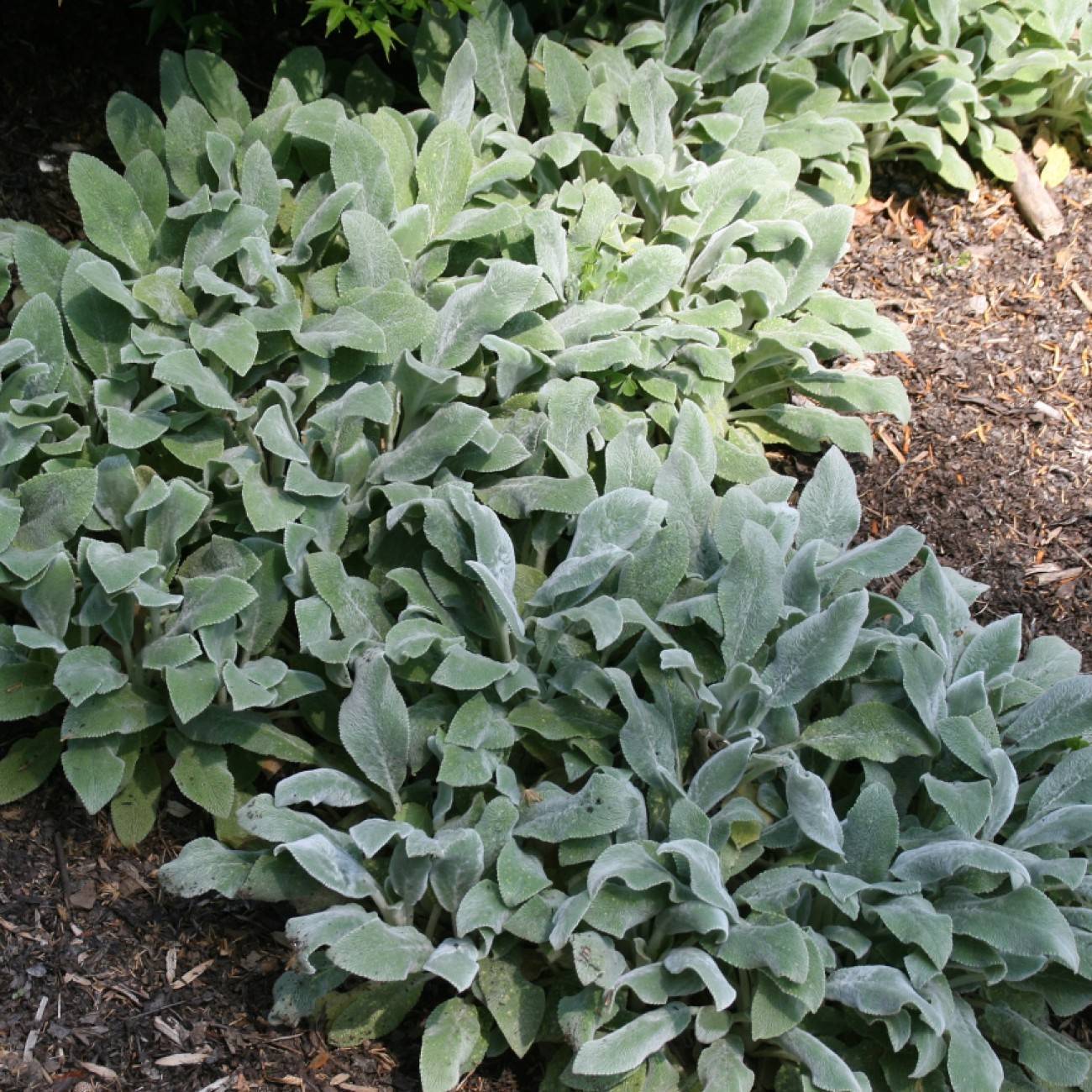
Lambs Ears
Stachys byzantina
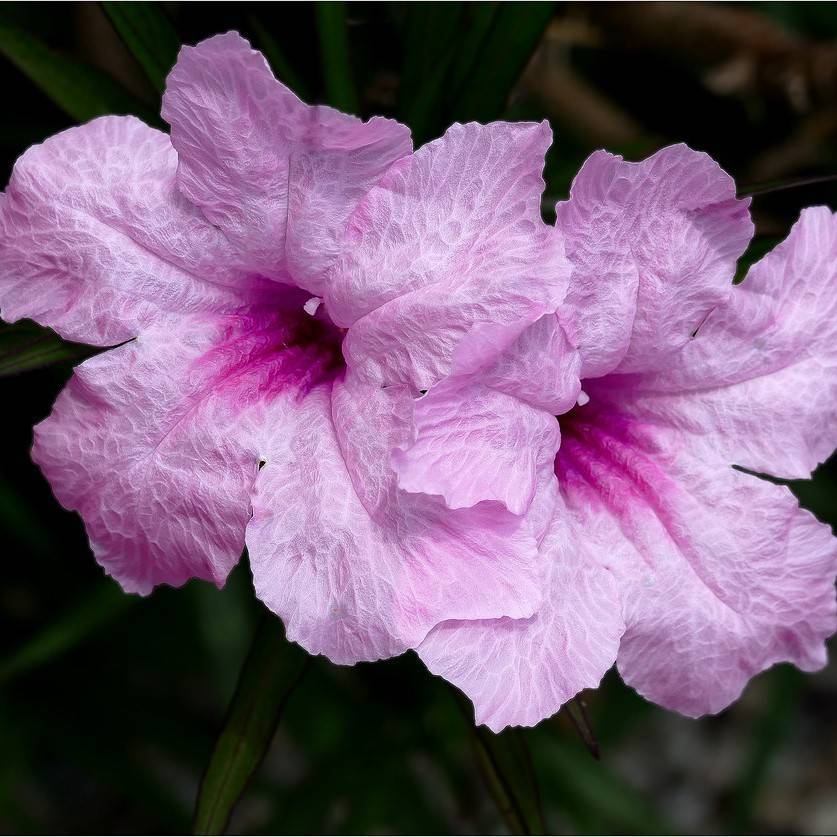
Dwarf Ruellia
Ruellia simplex 'Katie'
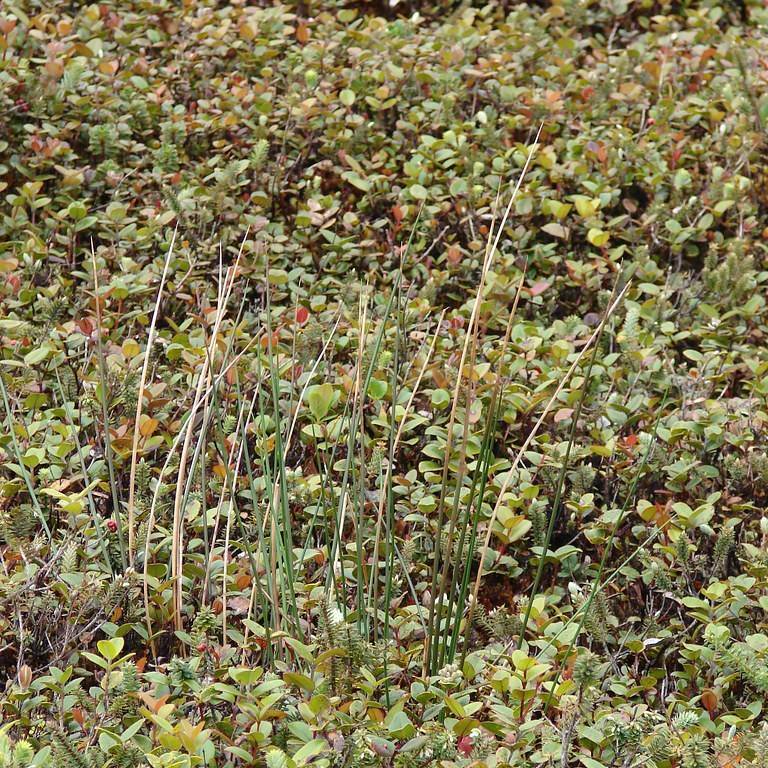
Dwarf Mat Rush
Lomandra confertifolia subsp. pallida 'Little Con'
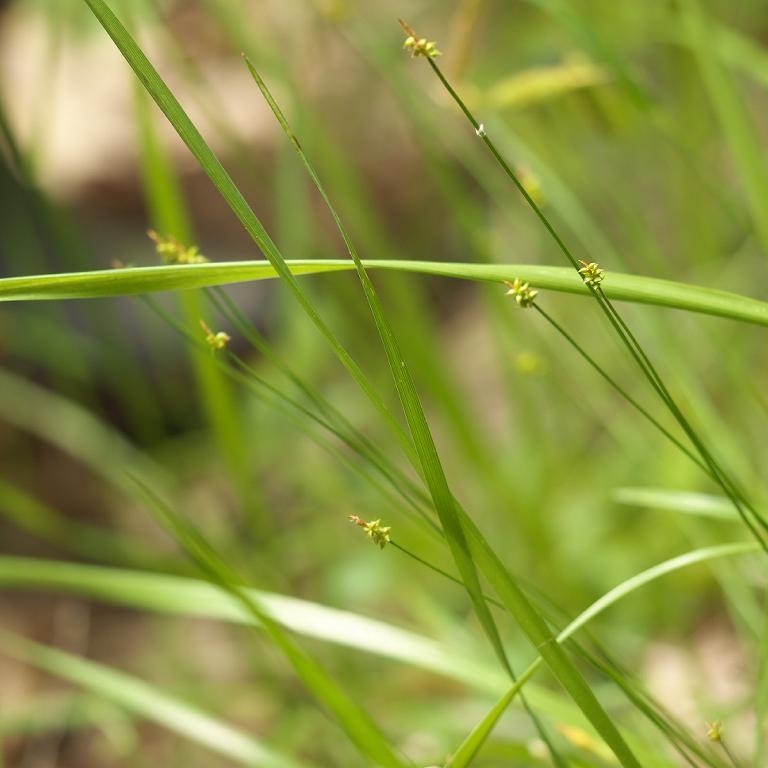
Appalachian Sedge
Carex appalachica
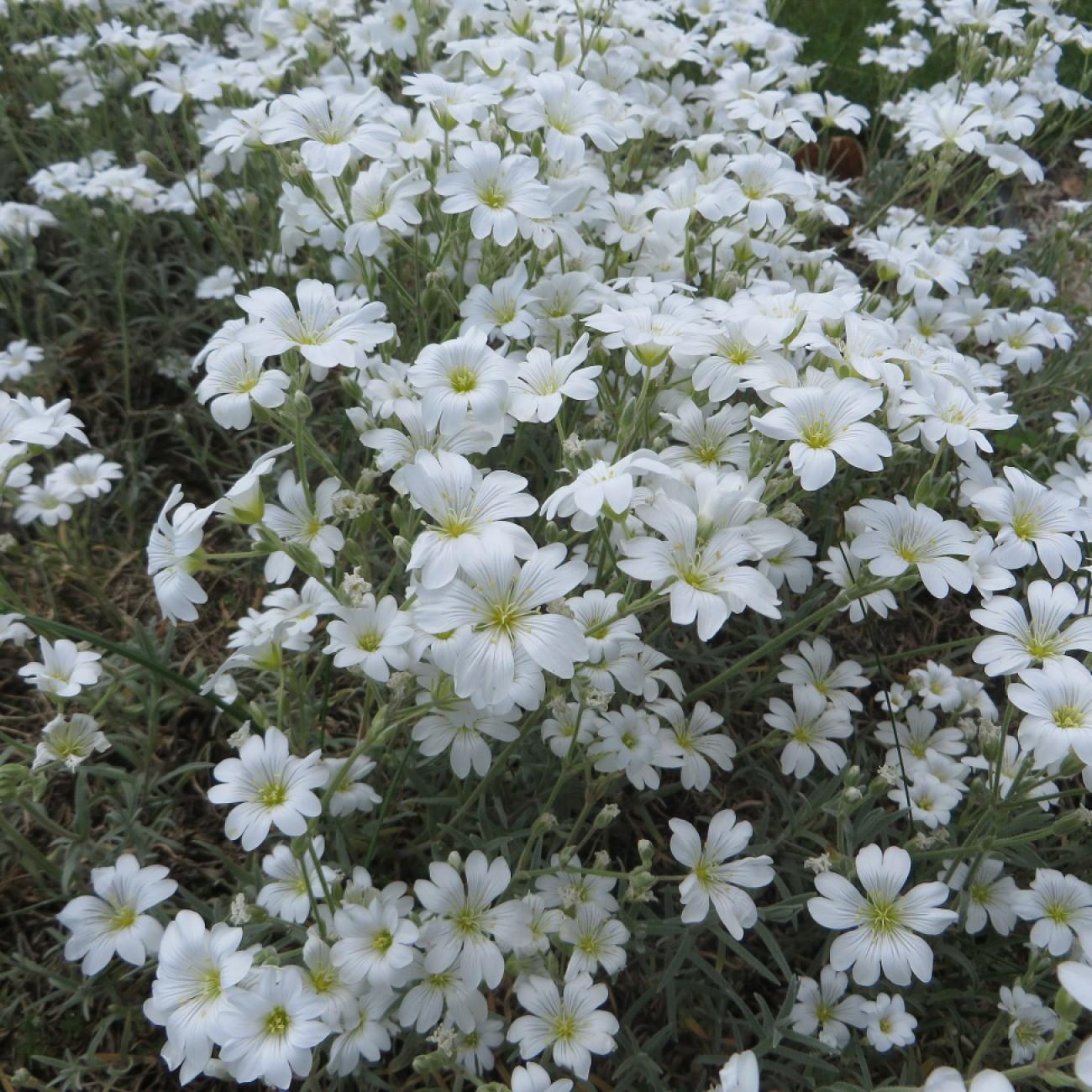
Bieberstein Chickweed
Cerastium biebersteinii
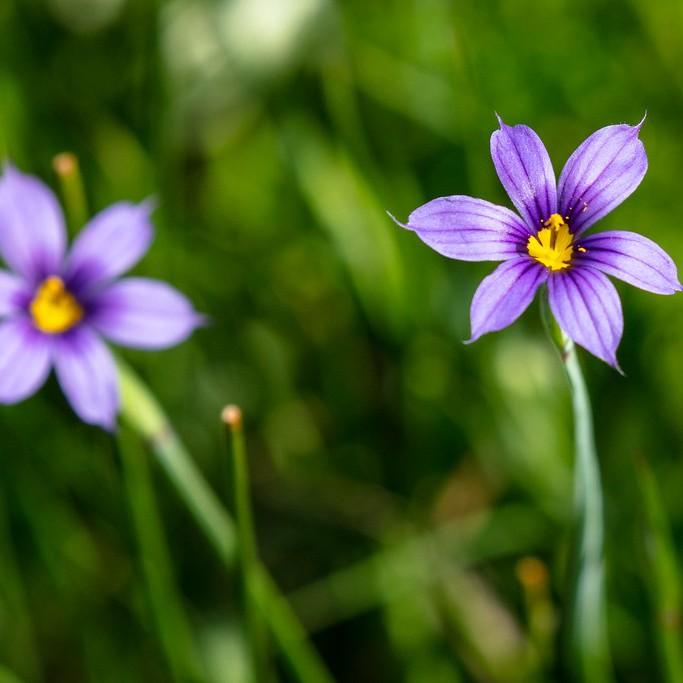
Blue Eyed Grass
Sisyrinchium campestre
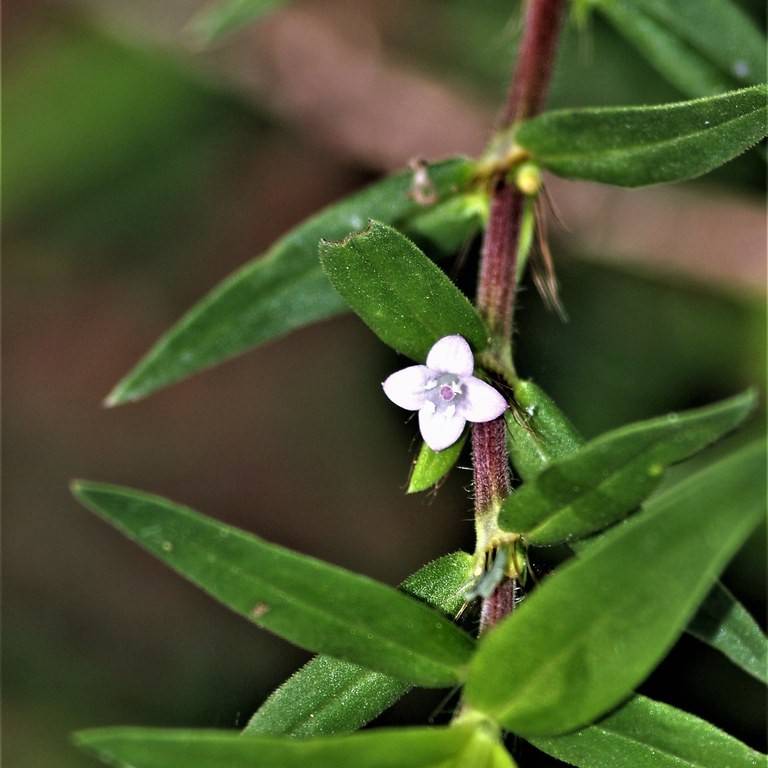
Diamondflowers
Stenaria nigricans
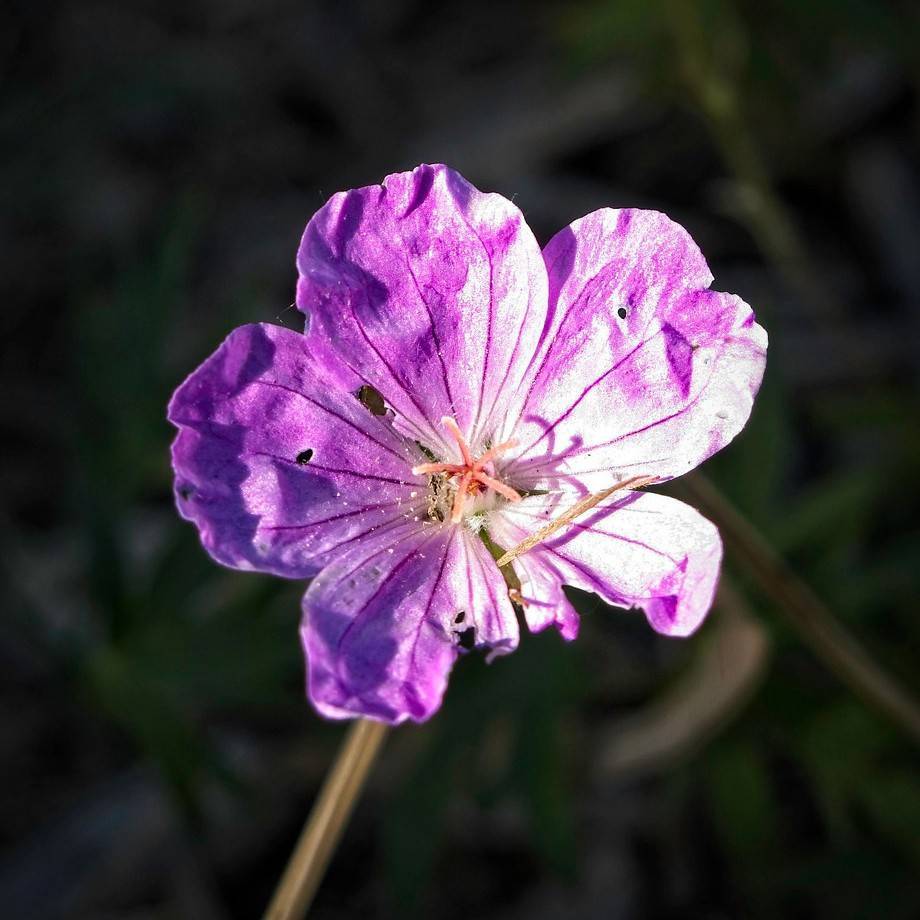
Bloody Cranesbill
Geranium sanguineum