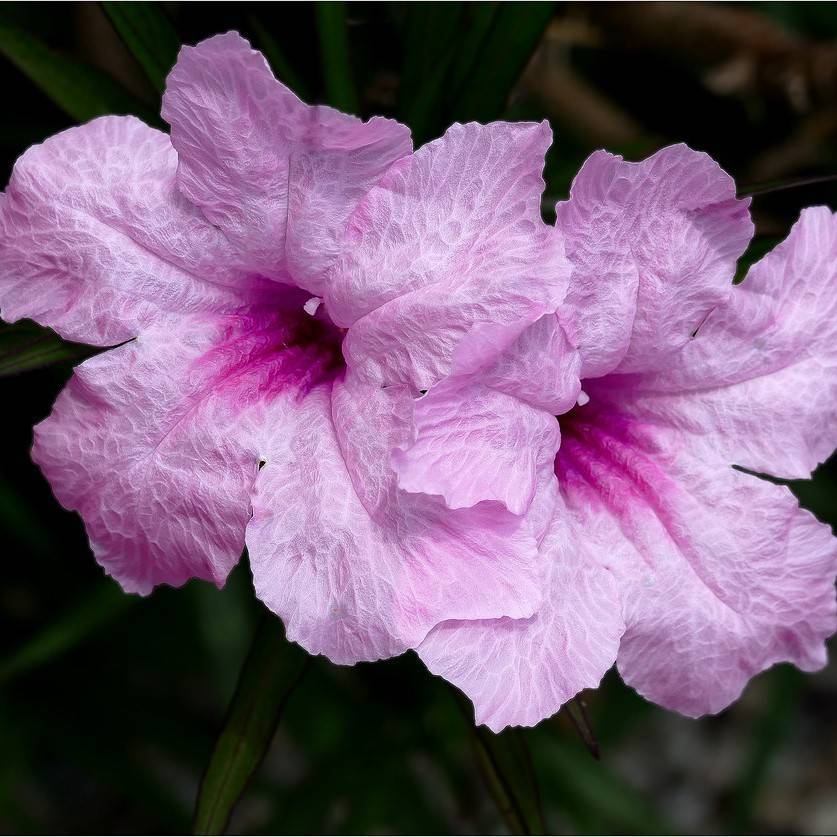
Dwarf Ruellia
Ruellia simplex 'Katie'
Overview
Dwarf Ruellia, a compact cultivar of the Mexican petunia, is a hardy, low-maintenance perennial prized for its long bloom period and neat, mounding growth habit. It produces masses of 1-2 inch trumpet-shaped flowers in shades of purple, pink, or white that open each morning and drop cleanly by evening, eliminating deadheading needs. Its narrow, lance-shaped dark green foliage forms a dense ground cover that works well in borders, rock gardens, containers, or as a low edging plant.
Care Guide
Watering
Dwarf Ruellia has moderate drought tolerance once established, preferring consistently moist but well-drained soil during its active growing season. Water deeply when the top 1-2 inches of soil feel dry to the touch, reducing watering frequency in winter when growth slows. Avoid overwatering or waterlogged conditions, which can lead to root rot, especially in cool, shaded locations.
Light
This plant thrives in full sun to partial shade, with at least 6 hours of direct sunlight daily to encourage maximum flowering. In extremely hot, arid climates, it benefits from light afternoon shade to prevent foliage scorch and reduce water stress. Too much shade will result in leggy growth and reduced bloom production.
Soil
Dwarf Ruellia adapts well to a wide range of soil types, including sandy, loamy, and clay soils, as long as they drain well. It tolerates a pH range from slightly acidic to slightly alkaline, between 6.0 and 7.5, for optimal growth. Amending heavy or poor soil with organic matter such as compost will improve drainage and nutrient availability for healthier plants.
Fertilizer
Feed Dwarf Ruellia once in early spring with a balanced, slow-release granular fertilizer (10-10-10) to support new growth and blooming throughout the season. Avoid over-fertilizing, especially with high-nitrogen formulas, as this can encourage excessive foliage growth at the expense of flowers. Potted specimens may benefit from a diluted liquid fertilizer applied every 4-6 weeks during the growing season.
Temperature
This perennial is winter hardy in USDA zones 8-11, tolerating minimum temperatures as low as 10°F (-12°C) when planted in the ground. In cooler zones, it can be grown as an annual or overwintered indoors in a bright, cool location. It thrives in warm temperatures between 65-85°F (18-29°C) during its active growing period.
Pruning
Dwarf Ruellia requires minimal pruning, but can be cut back by half in late winter or early spring to remove any frost-damaged foliage and encourage bushy new growth. Spent flowers drop naturally, so deadheading is not required to maintain continuous blooming. If plants become leggy or spread beyond their desired bounds, trim back to 2-3 inches above the soil line to rejuvenate growth.
Propagation
Dwarf Ruellia is most easily propagated by division in early spring, when clumps can be carefully separated into smaller sections and replanted immediately. It can also be grown from stem cuttings taken in summer, rooted in moist potting mix or water with rooting hormone to speed up establishment. The dwarf cultivar does not produce viable seed, so propagation from seed is not recommended as it will not grow true to type.
Humidity
This plant adapts well to average outdoor humidity levels between 40-60%, typical of its native subtropical range. It tolerates both dry and humid conditions well once established, making it suitable for a wide range of climates. Indoor potted specimens do not require extra humidity, though occasional misting can help keep foliage clean in dry indoor environments.
Repotting
Potted Dwarf Ruellia should be repotted every 2-3 years in early spring, before new growth begins, to refresh the soil and provide more root space. Choose a pot that is 1-2 inches larger in diameter than the current one, with drainage holes to prevent waterlogging. Gently loosen bound roots before placing in fresh, well-draining potting mix, and water thoroughly after repotting to reduce transplant shock.
Uses & Symbolism
Dwarf Ruellia is widely used as a low-growing ground cover, border edging, or container plant in residential and commercial landscapes, valued for its long bloom period and low maintenance needs. It is a popular addition to pollinator gardens, as its flowers attract bees, butterflies, and hummingbirds throughout the growing season. Its compact size and tolerance for partial shade also make it suitable for planting under taller shrubs or in rock gardens.
Diseases & Pests
Dwarf Ruellia is relatively pest and disease resistant, though it can be susceptible to root rot in poorly drained, waterlogged soil. Common pests include aphids, spider mites, and whiteflies, which can be controlled with insecticidal soap or neem oil applications when infestations occur. In humid, poorly ventilated conditions, it may occasionally develop fungal leaf spots, which can be managed by removing affected foliage and improving air circulation around plants.
Guides that mention Dwarf Ruellia
Related plants
Other plants you might like if you grow Dwarf Ruellia.
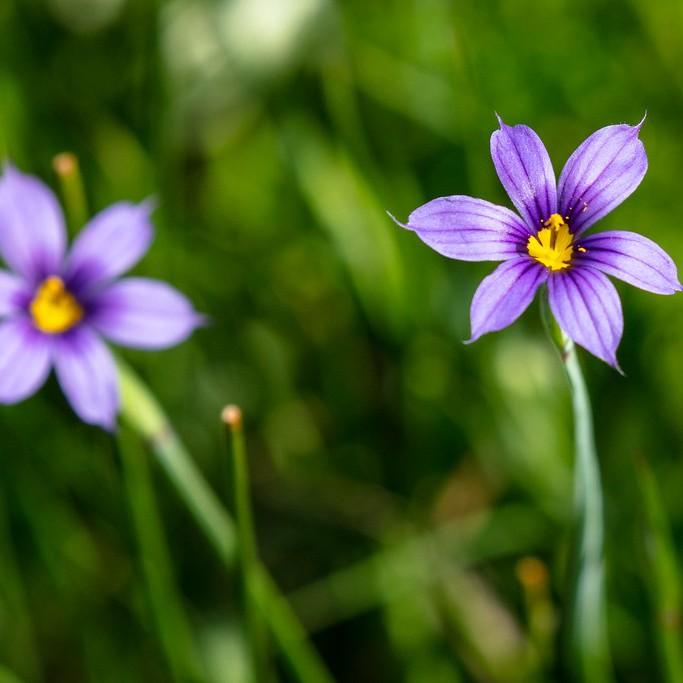
Blue Eyed Grass
Sisyrinchium campestre
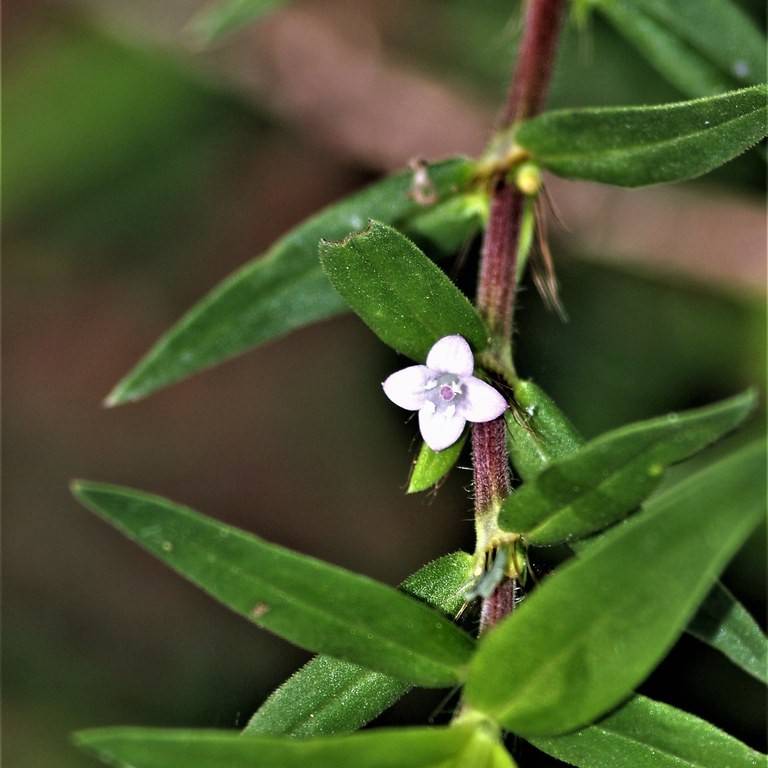
Diamondflowers
Stenaria nigricans
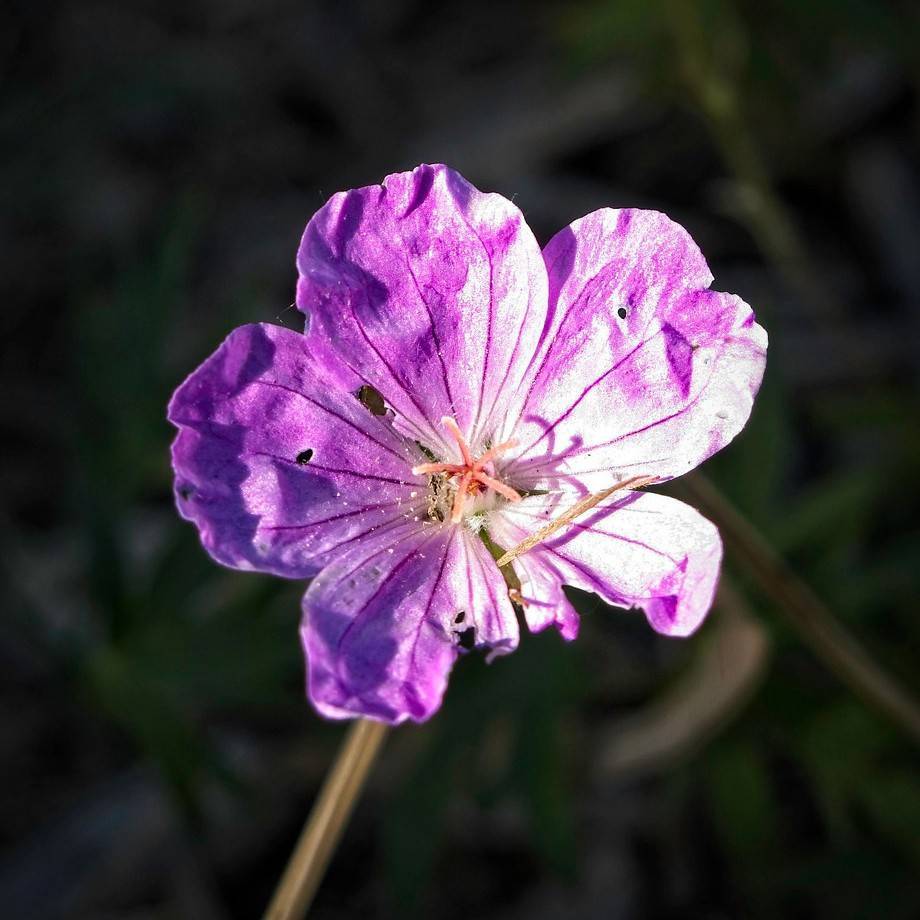
Bloody Cranesbill
Geranium sanguineum
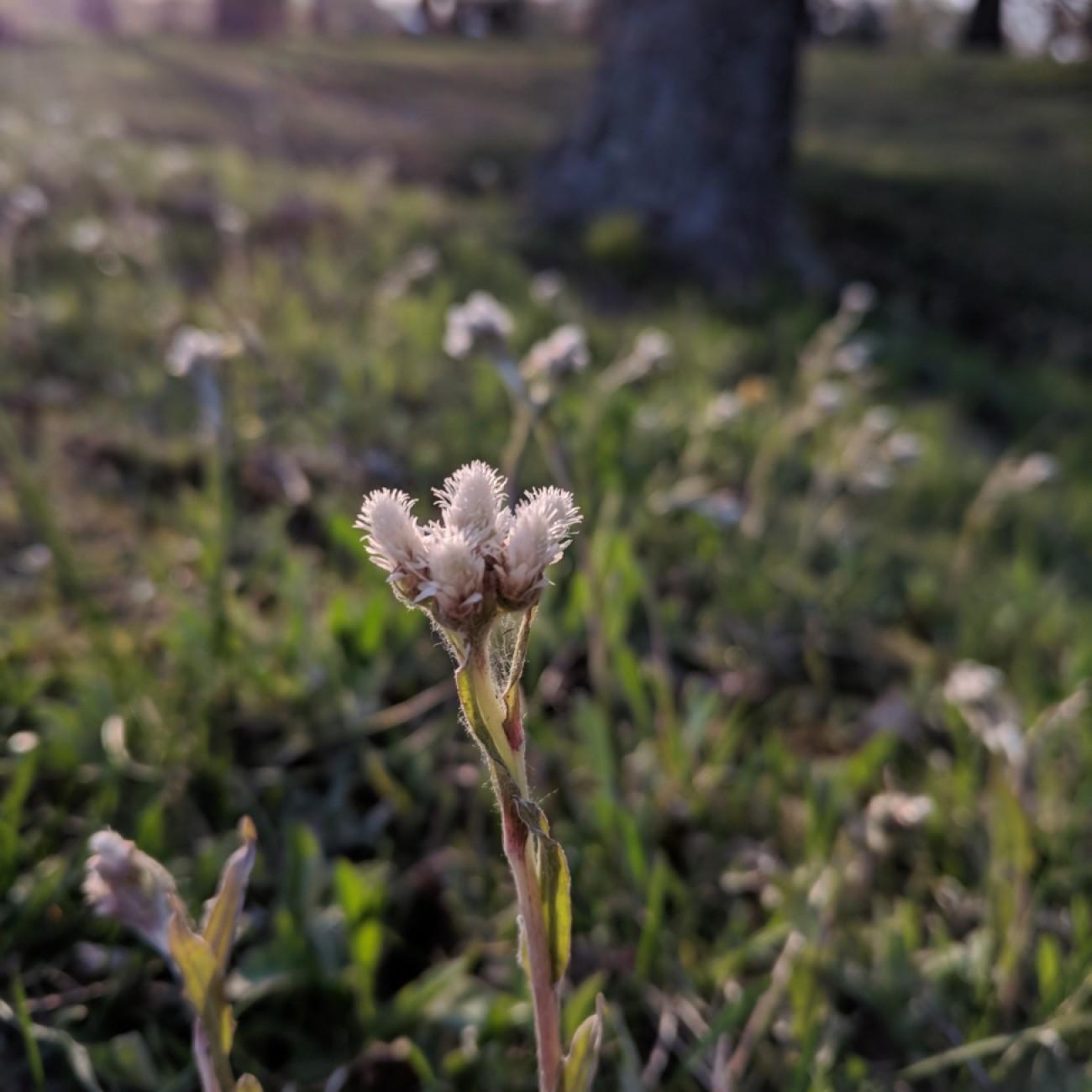
Howell's Pussytoes
Antennaria howellii
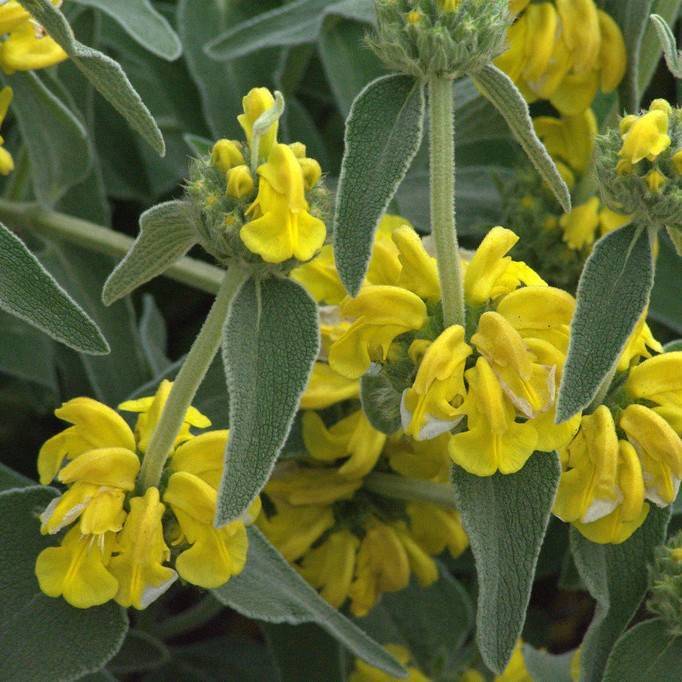
Jerusalem Sage
Phlomis fruticosa
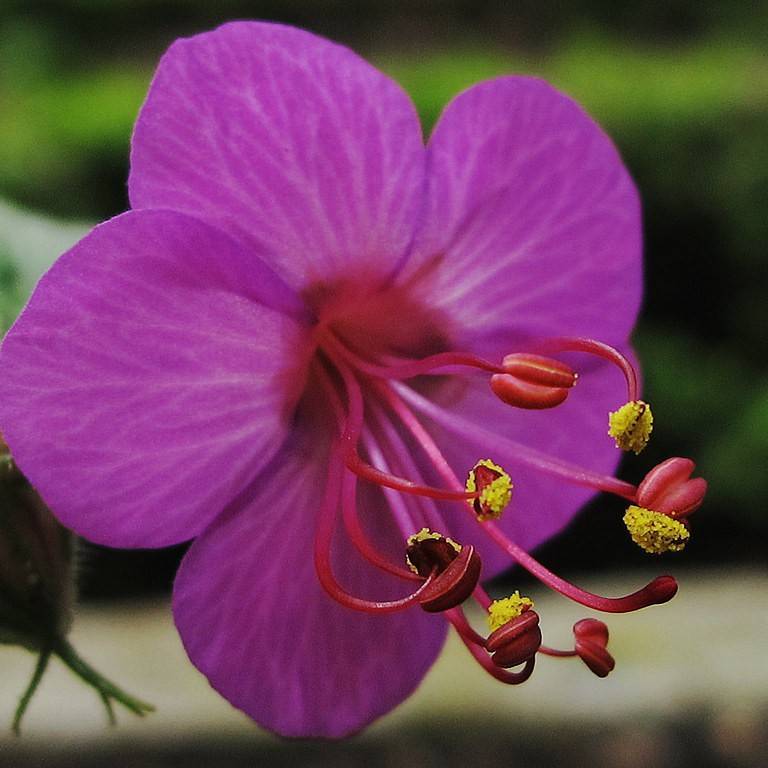
Bigroot Geranium
Geranium macrorrhizum
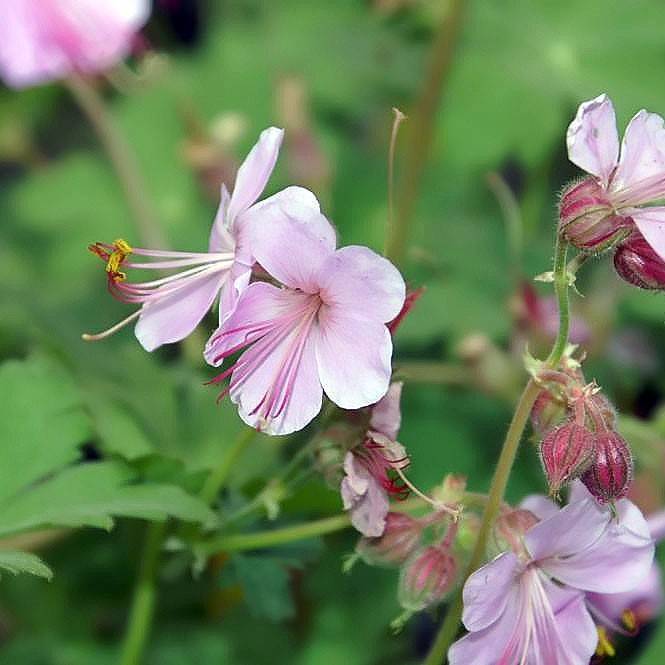
Ingwersen's Variety Bigroot Geranium
Geranium macrorrhizum 'Ingwersen's Variety'
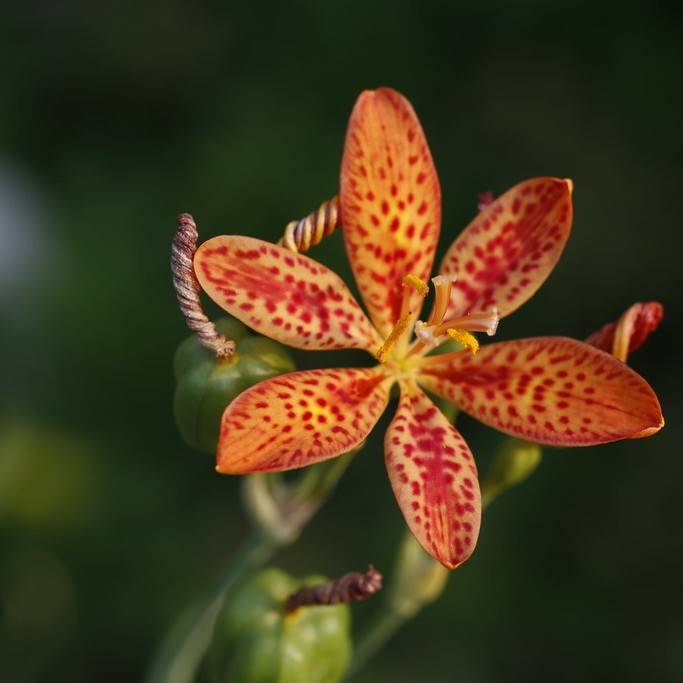
Blackberry Lily
Iris domestica (syn. Belamcanda chinensis)