Creeping Speedwell
Veronica filiformis
Overview
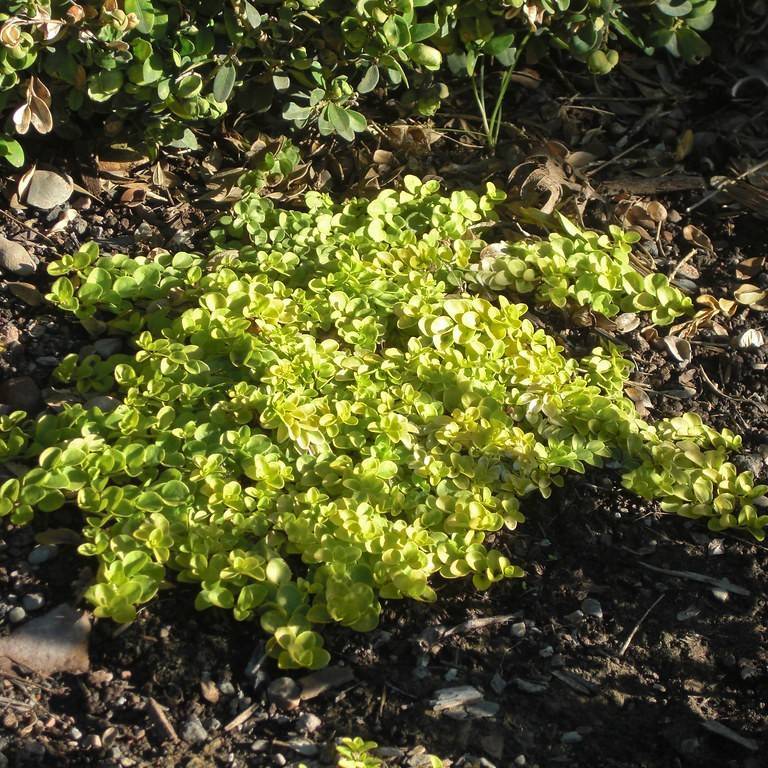
Creeping speedwell is a low-spreading herbaceous perennial that forms dense, soft mats of tiny, rounded, bright green leaves. It blooms profusely in mid to late spring, producing clusters of small, four-petaled pale blue or lavender flowers with white centers that attract early-season pollinators like bees and butterflies. Adaptable to a range of growing conditions, it is often planted as a low-traffic ground cover, lawn substitute, or edging plant for rock gardens and border fronts, though it can become invasive in some regions with mild climates.
Care Guide
Watering
Water creeping speedwell regularly during its first growing season to establish a deep, extensive root system, keeping the soil consistently moist but not waterlogged. Once established, it is moderately drought tolerant, requiring supplemental water only during extended periods of hot, dry weather to prevent leaf browning. Overwatering or poorly drained soil can lead to root rot, so allow the top inch of soil to dry out between waterings in humid conditions.
Light
Creeping speedwell thrives in full sun to partial shade, with optimal growth and flowering occurring in locations that receive 4-6 hours of direct sunlight per day. In regions with intense, hot summer sun, it benefits from light afternoon shade to prevent leaf scorch and reduce water requirements. It can tolerate full shade, though flowering will be significantly reduced and the mat may become sparser over time.
Soil
This adaptable plant grows well in a wide range of soil types, including sandy, loam, and clay soils, as long as the site provides good drainage. It prefers a slightly acidic to neutral soil pH between 6.0 and 7.5, but can tolerate mildly alkaline conditions as well. Amending heavy clay soils with compost or sand before planting will improve drainage and prevent root saturation that can damage the plant.
Fertilizer
Creeping speedwell is a light feeder that rarely requires regular fertilization when planted in average garden soil. A single application of balanced, slow-release granular fertilizer in early spring, at a rate of 1 pound per 100 square feet, is sufficient to support healthy growth and flowering for the entire growing season. Over-fertilization will encourage excessive, leggy growth and reduce flowering, so avoid applying high-nitrogen formulas.
Temperature
Creeping speedwell is hardy in USDA zones 4 through 8, tolerating winter temperatures as low as -30°F (-34°C) once established. It prefers cool to moderate growing temperatures between 60°F and 75°F (15°C and 24°C), and will slow its growth during extended periods of summer heat above 85°F (29°C). In regions with mild winters, it remains evergreen, while in colder zones it dies back to the ground and re-emerges in early spring.
Pruning
Pruning is rarely required for creeping speedwell, though you can mow or trim the mat to a height of 2 inches after flowering to remove spent blooms and encourage fresh, dense foliage growth. If the plant spreads beyond its desired planting area, you can dig up and remove excess rooted sections at any point during the growing season to contain its spread. In late fall, remove any dead or browned foliage in cold regions to prevent fungal disease overwintering.
Propagation
Creeping speedwell is most easily propagated by division in early spring or early fall, simply by digging up sections of the rooted mat, separating them into smaller clumps, and replanting them at the same depth in prepared soil. It can also be propagated from stem cuttings taken in late spring or early summer: snip 3-4 inch stem tips, remove the lower leaves, and plant them in moist potting mix, where they will root in 2-3 weeks with minimal care. The plant also self-seeds readily in optimal growing conditions, and self-sown seedlings can be transplanted to new locations in early spring.
Humidity
Creeping speedwell adapts well to a wide range of humidity levels, tolerating both dry inland air and high coastal humidity without significant issues. In areas with very high humidity and poor air circulation, ensure the planting site has good drainage and avoid overwatering to reduce the risk of fungal leaf spots and root rot. Regular thinning of dense mats can improve air flow and prevent moisture-related problems in humid climates.
Repotting
When grown in containers or hanging baskets, repot creeping speedwell every 1-2 years in early spring before new growth emerges, using a well-draining general purpose potting mix. Choose a pot that is 1-2 inches larger than the current root ball, as the plant spreads quickly but does not require excessive root space. If the plant becomes root bound, gently loosen the outer roots before repotting to encourage new root growth into the fresh soil.
Uses & Symbolism
Creeping speedwell is primarily used as a low-growing ground cover for shady or partially sunny areas, as a lawn substitute for low-traffic yards, and as an edging plant for rock gardens, border fronts, and stepping stone paths. It is also planted in green roofs and rain gardens due to its shallow root system, tolerance of occasional wet conditions, and ability to reduce soil erosion on sloped sites. Its small, delicate flowers make it a charming addition to hanging baskets and container gardens, where it spills over the edges of pots for a soft, trailing effect.
Diseases & Pests
Creeping speedwell is relatively pest and disease resistant, though it can be susceptible to root rot in poorly drained, overly wet soil, which causes yellowing leaves, wilting, and eventual death of the plant if left unaddressed. In high humidity conditions with poor air circulation, it may develop fungal leaf spots, which appear as small brown or black spots on foliage; these can be treated by removing affected leaves, improving air flow, and applying a copper-based fungicide if necessary. Slugs and snails may occasionally feed on the tender young leaves, especially in shady, moist locations, and can be controlled with hand picking, slug bait, or natural deterrents like diatomaceous earth.
Related plants
Other plants you might like if you grow Creeping Speedwell.