Baby's Breath
Gypsophila paniculata
Overview
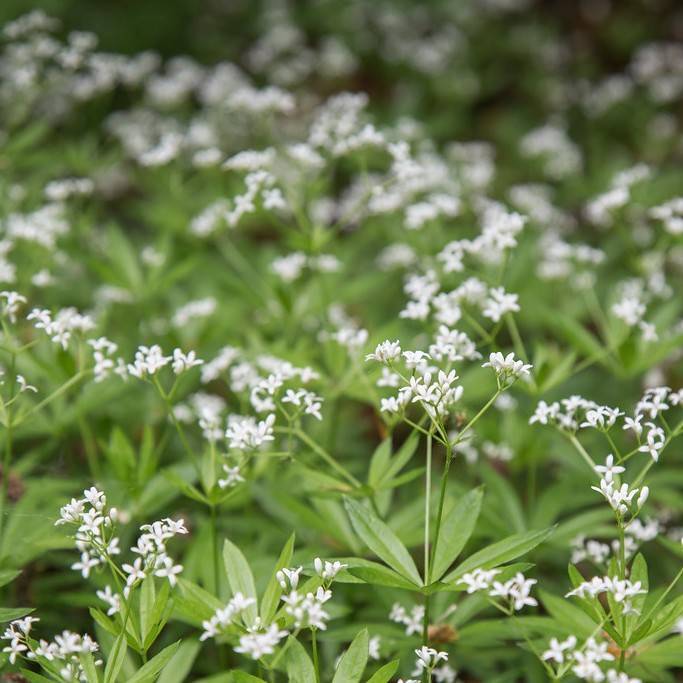
Baby's breath is a bushy, branching perennial with fine, gray-green foliage and clouds of small, five-petaled white or pale pink flowers that bloom in summer. It thrives in dry, alkaline soils, earning its genus name Gypsophila which translates to 'gypsum-loving'. Widely cultivated for both garden use and the cut flower industry, it is often dried for long-lasting decorative arrangements.
Care Guide
Watering
Baby's breath is drought-tolerant once established, requiring water only when the top 2-3 inches of soil are completely dry. Overwatering is the most common cause of issues, as soggy soil quickly leads to root rot; reduce watering significantly in winter when the plant is dormant. Potted specimens need slightly more frequent watering than garden-planted ones, but always ensure excess water drains fully.
Light
This plant requires full sun, meaning at least 6 hours of direct, unfiltered sunlight per day to produce abundant blooms and maintain a bushy growth habit. It can tolerate very light partial shade, but too much shade will cause leggy growth, reduced flowering, and increased susceptibility to fungal diseases. Indoor grown plants should be placed in a south-facing window or under grow lights for 10-12 hours daily.
Soil
Baby's breath prefers well-draining, alkaline to neutral soil with a pH between 7.0 and 8.0, and thrives in sandy, loamy, or even gravelly low-fertility soils. Heavy, clay soils that retain moisture are unsuitable, as they will cause root rot; amend heavy soils with sand, perlite, or crushed limestone to improve drainage and adjust pH if needed. Potted plants do best in a cactus or succulent potting mix mixed with a small amount of garden lime to raise pH.
Fertilizer
Baby's breath is a light feeder that requires very little fertilization, as excess nutrients will lead to leggy growth and reduced flowering. A single application of balanced, slow-release 10-10-10 fertilizer in early spring, applied at half the recommended rate, is sufficient for the entire growing season. Avoid high-nitrogen fertilizers, as they will promote foliage growth at the expense of blooms.
Temperature
Baby's breath is cold hardy in USDA zones 3 through 9, tolerating winter temperatures as low as -40°F (-40°C) once established. It prefers cool summer temperatures between 60-75°F (15-24°C), and may struggle in prolonged, extreme heat above 90°F (32°C), where it will benefit from light afternoon shade to prevent wilting. Indoor plants should be kept away from hot, dry heating vents and cold drafty windows in winter.
Pruning
Prune back spent flower stems by two-thirds after the first bloom flush in mid-summer to encourage a second, smaller bloom in early fall. In late winter or early spring, cut back the entire plant to 2-3 inches above the soil line to remove dead foliage and promote fresh, bushy new growth. Remove any leggy or diseased stems throughout the growing season to improve air circulation and reduce fungal risk.
Propagation
Baby's breath is most commonly propagated from seed, sown directly outdoors in early spring after the last frost, or started indoors 6-8 weeks before the last frost date for earlier blooms. Stem cuttings can also be taken in late spring or early summer, using 4-6 inch long non-flowering shoots, dipped in rooting hormone, and planted in well-draining sand or perlite mix until roots form in 3-4 weeks. Division of mature clumps can be done in early spring every 3-4 years, though the plant has a deep taproot that makes division more difficult than seed propagation.
Humidity
Baby's breath prefers low to moderate humidity levels between 30% and 50%, and is well adapted to dry air conditions. High humidity above 60% increases the risk of powdery mildew and other fungal diseases, so ensure good air circulation around plants in humid climates. Indoor plants do not require misting, and should be kept away from humid areas like bathrooms to prevent moisture-related issues.
Repotting
Potted baby's breath should be repotted every 2-3 years in early spring, before new growth begins, as it has a deep taproot that can quickly outgrow small containers. Choose a pot that is 2-3 inches larger in diameter than the current one, with multiple drainage holes to prevent waterlogging, and use a well-draining alkaline potting mix. Avoid disturbing the root ball as much as possible during repotting, as the taproot is sensitive to damage.
Uses & Symbolism
Baby's breath is one of the most popular cut flower fillers, used fresh or dried in bouquets, wedding arrangements, and wreaths for its delicate, airy texture and long vase life. It is planted in garden borders, rock gardens, and xeriscapes for its summer blooms and ability to thrive in poor, dry soils. It is also sometimes grown as a companion plant to repel certain garden pests, though it can become invasive in some regions with favorable growing conditions.
Diseases & Pests
Baby's breath is susceptible to fungal diseases including powdery mildew, botrytis blight, and root rot, most often caused by overwatering, poor air circulation, or high humidity. Common pests include aphids, spider mites, and leafminers, which feed on foliage and can be controlled with insecticidal soap or neem oil applications. In poorly draining soils, root rot is the most serious issue, and can be prevented by ensuring proper soil drainage and avoiding overwatering.
Related plants
Other plants you might like if you grow Baby's Breath.


%22%2F%3E%0A%20%20%20%20%20%20%3Ccircle%20cx%3D%22920%22%20cy%3D%22180%22%20r%3D%2290%22%20fill%3D%22%23cfe8d5%22%2F%3E%0A%20%20%20%20%20%20%3Cpath%20d%3D%22M600%20590c-90-180-215-255-310-280%200%20165%20118%20296%20270%20296h40z%22%20fill%3D%22%2379b88e%22%2F%3E%0A%20%20%20%20%20%20%3Cpath%20d%3D%22M600%20590c80-150%20198-212%20302-228-8%20142-123%20255-270%20255h-32z%22%20fill%3D%22%235c9f73%22%2F%3E%0A%20%20%20%20%20%20%3Cpath%20d%3D%22M600%20610V360%22%20stroke%3D%22%234f8c64%22%20stroke-width%3D%2218%22%20stroke-linecap%3D%22round%22%2F%3E%0A%20%20%20%20%20%20%3Ctext%20x%3D%22600%22%20y%3D%22700%22%20text-anchor%3D%22middle%22%20font-family%3D%22Arial%2C%20sans-serif%22%20font-size%3D%2244%22%20fill%3D%22%23365c45%22%3E%0A%20%20%20%20%20%20%20%20Plant%20image%20coming%20soon%0A%20%20%20%20%20%20%3C%2Ftext%3E%0A%20%20%20%20%3C%2Fsvg%3E%0A%20%20)