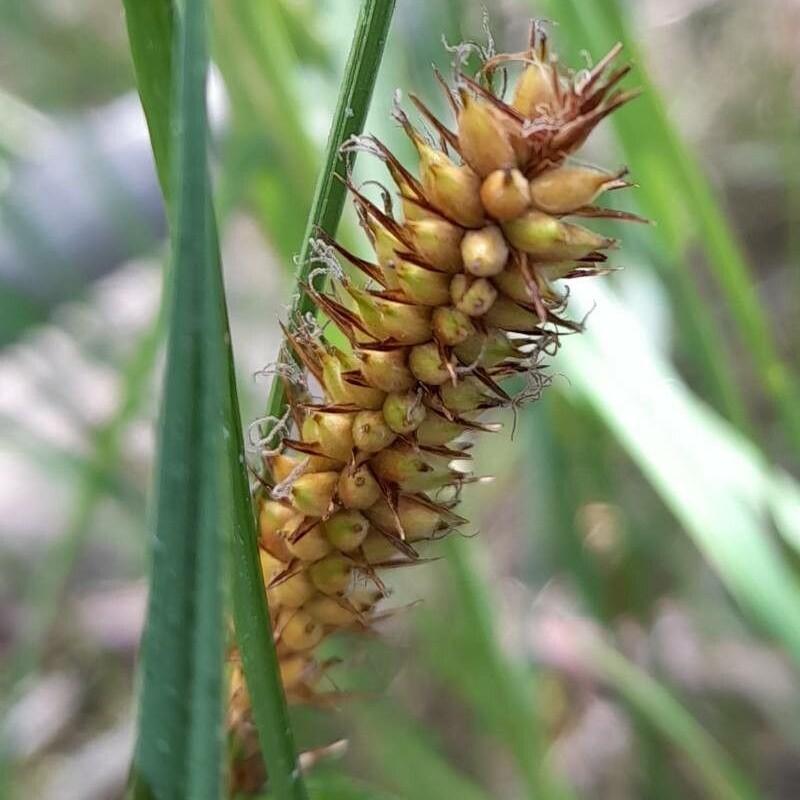
Lakebank Sedge
Carex lacustris
Overview
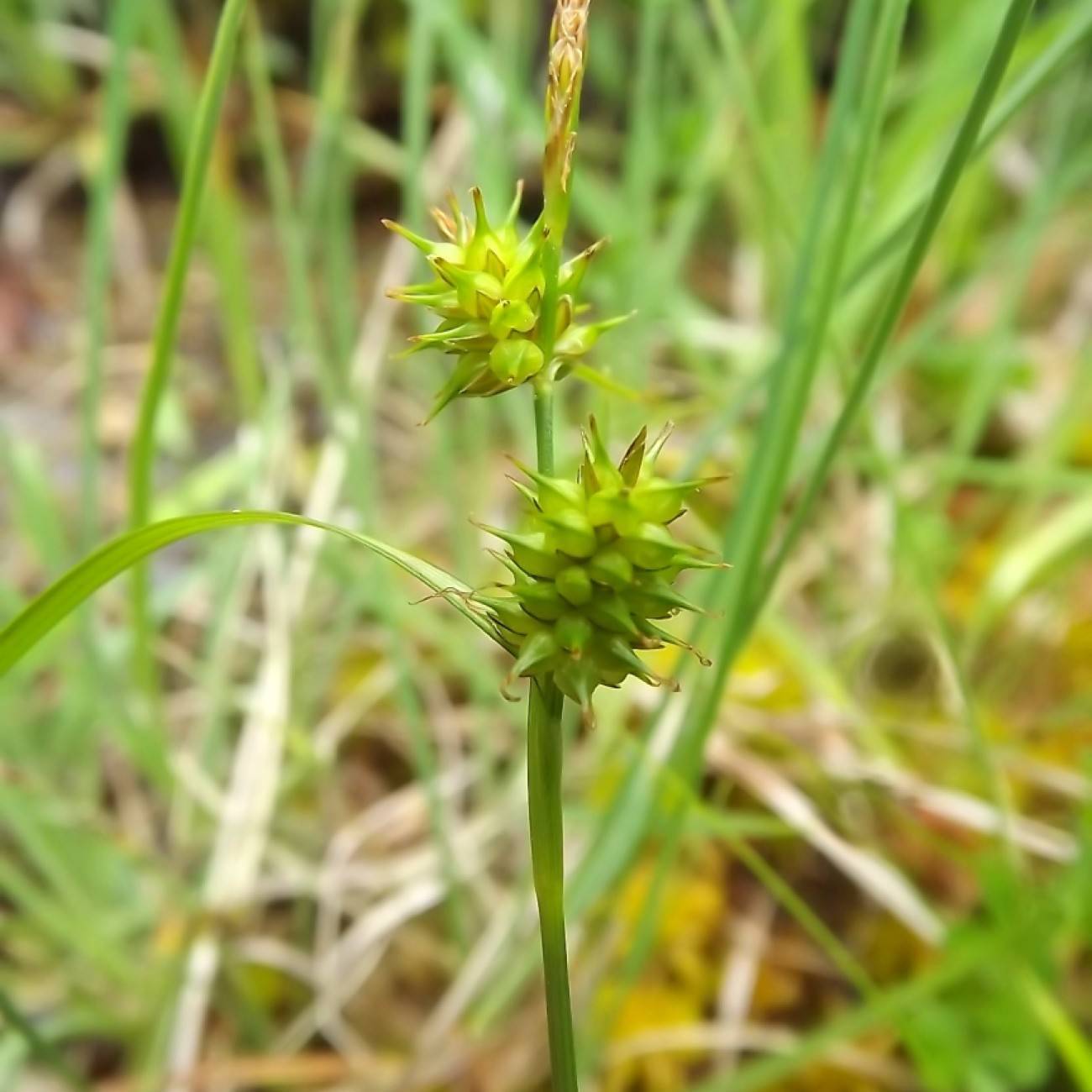
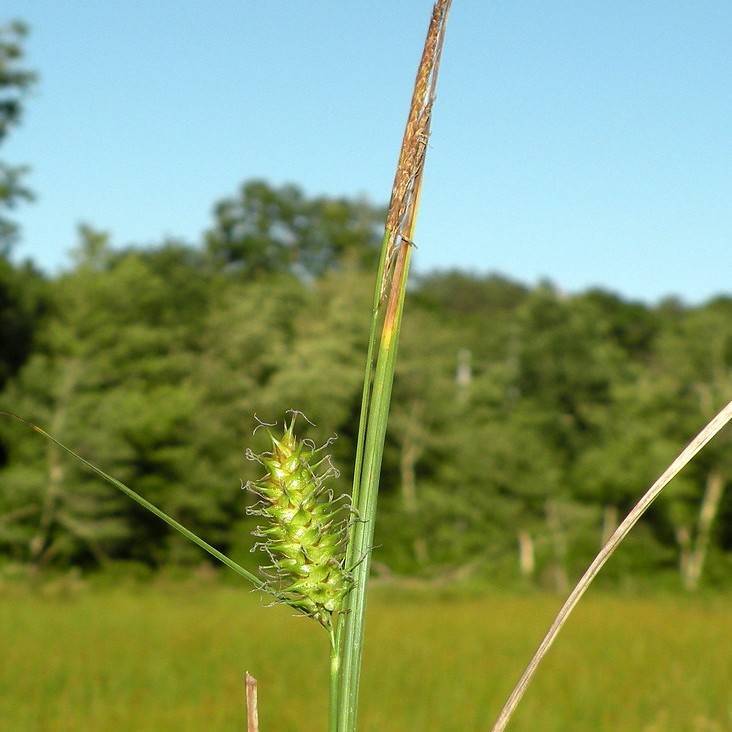
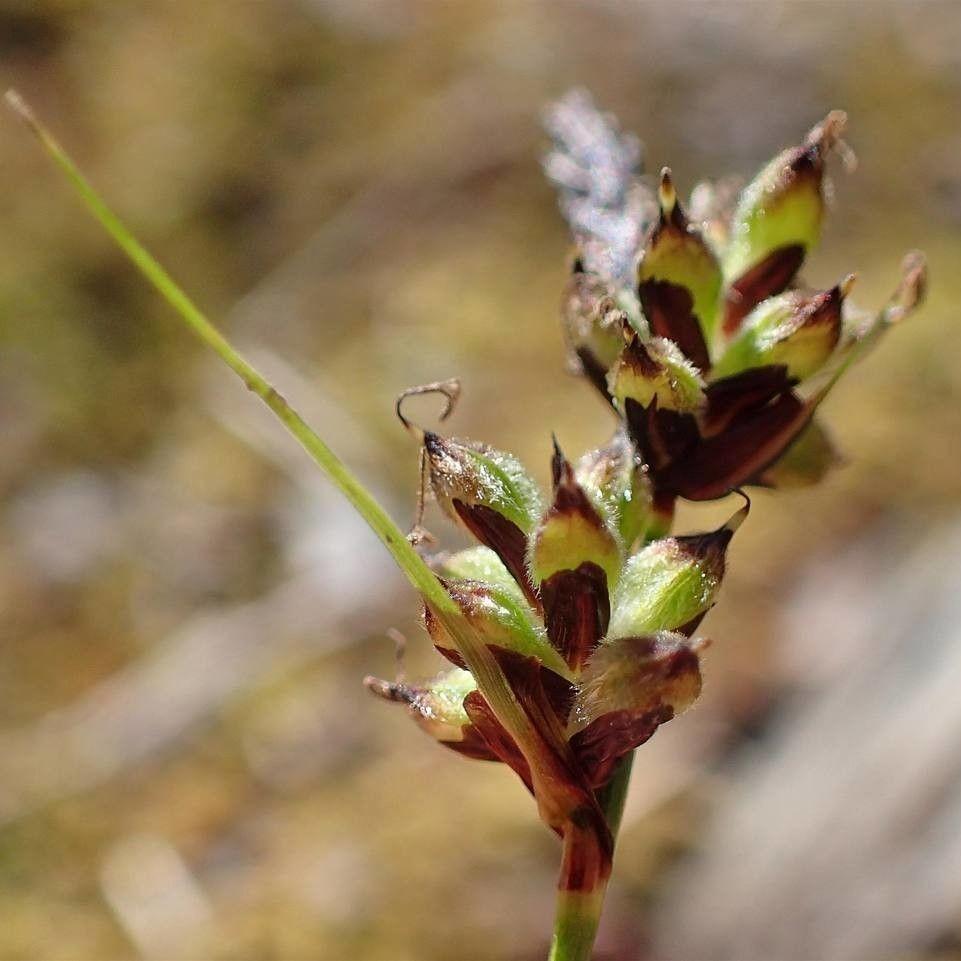
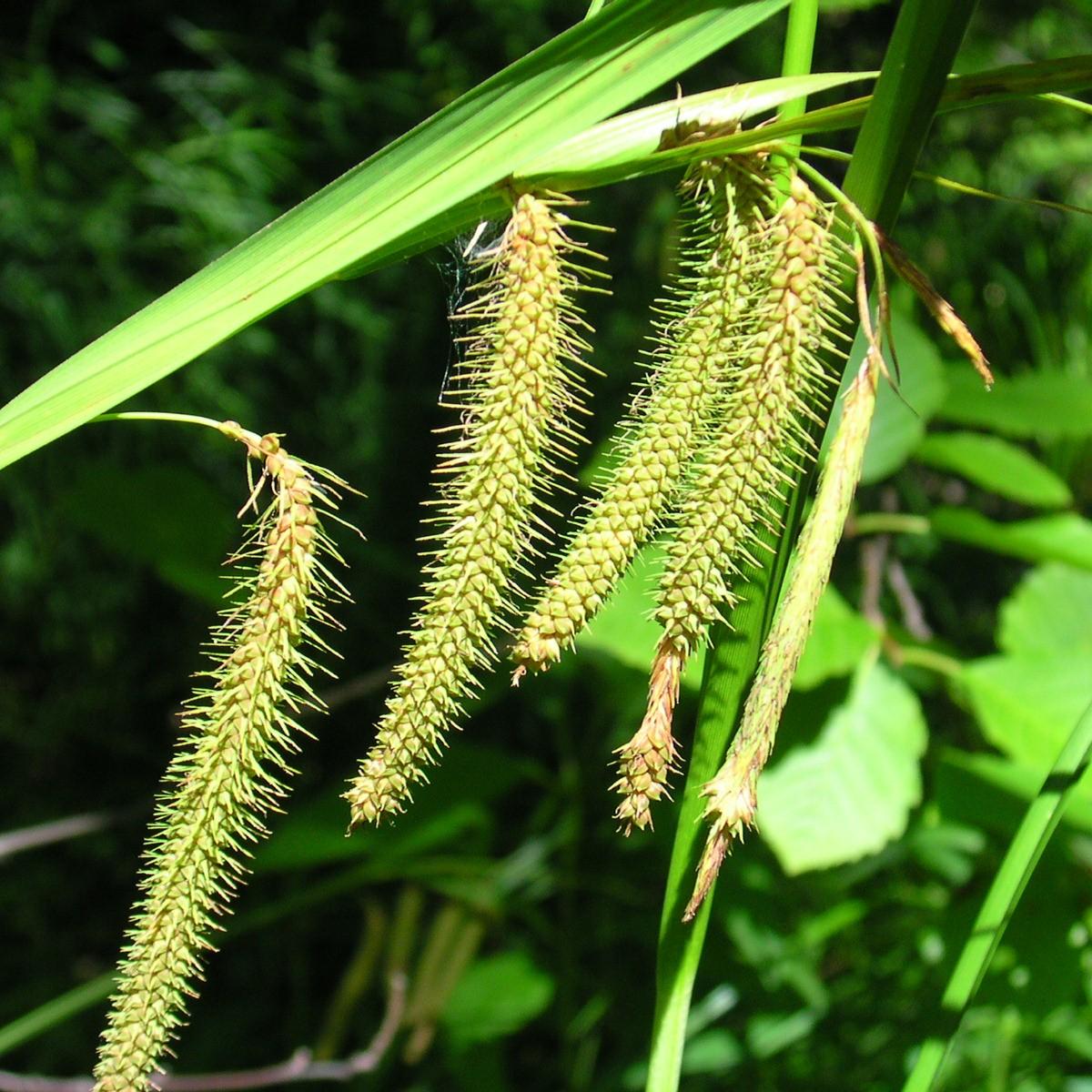
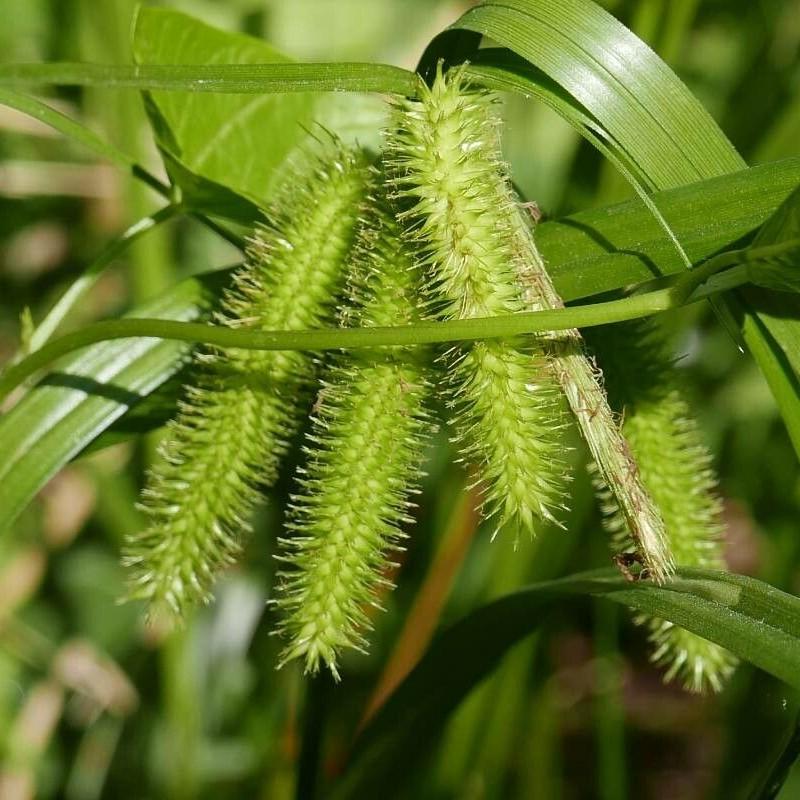
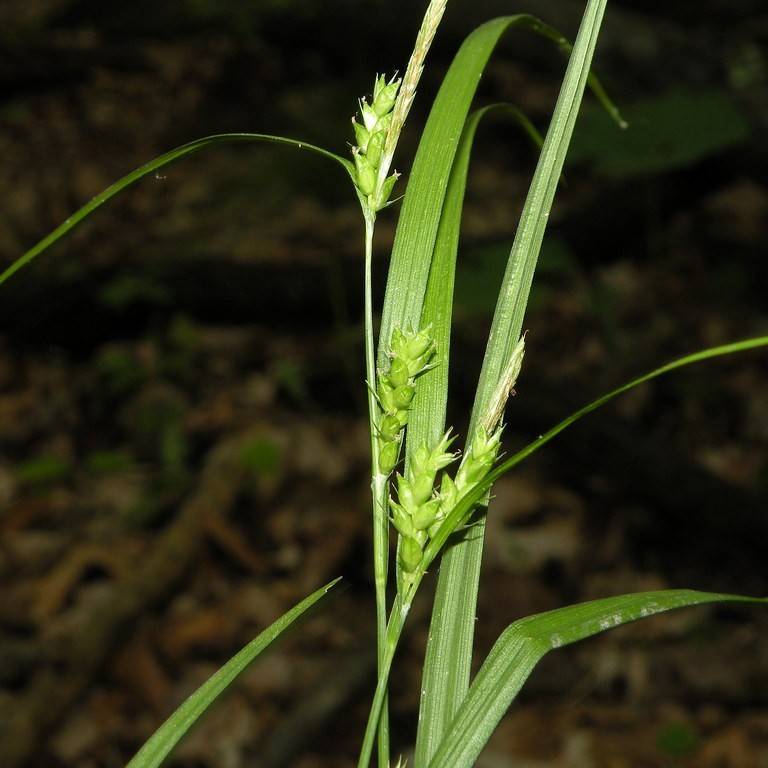
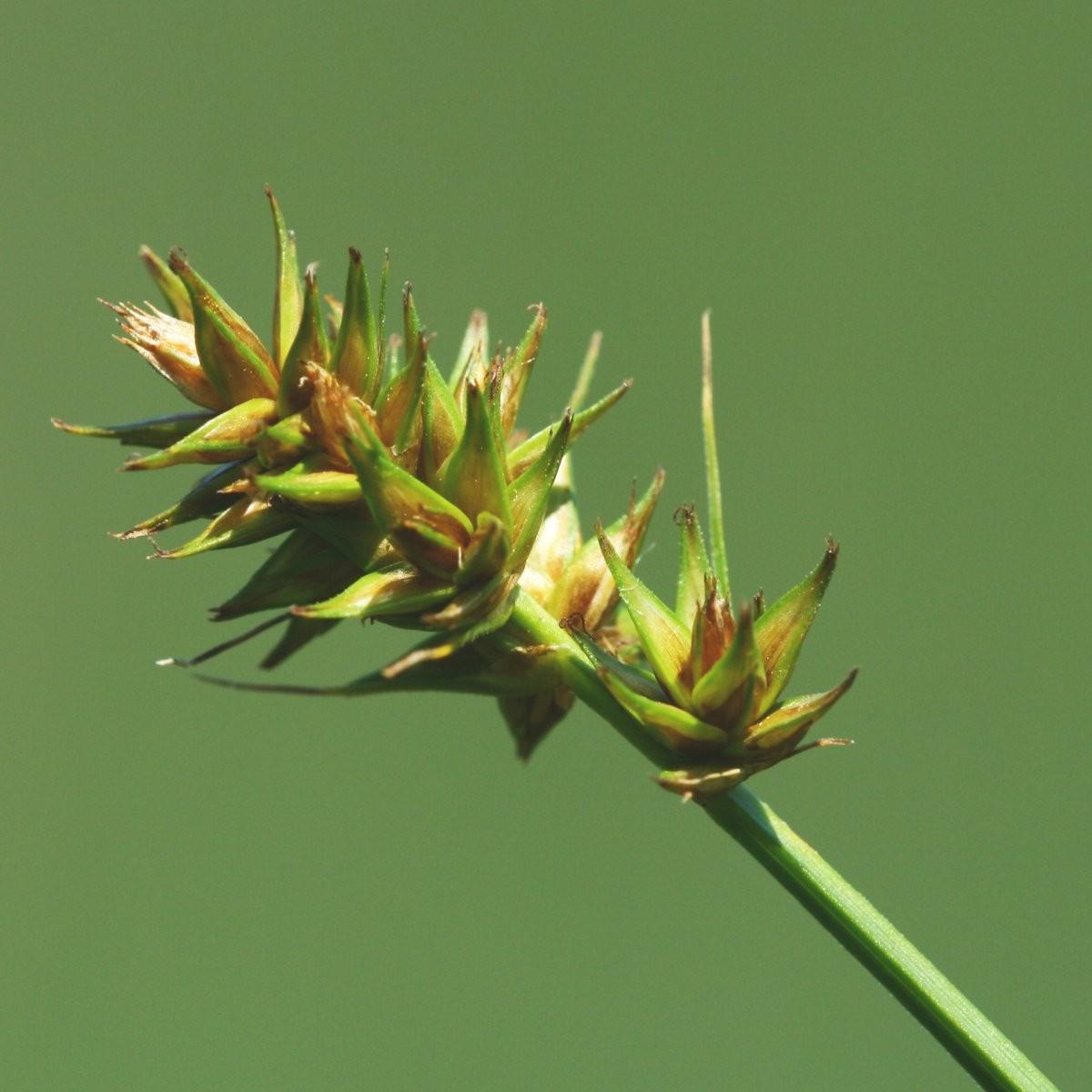
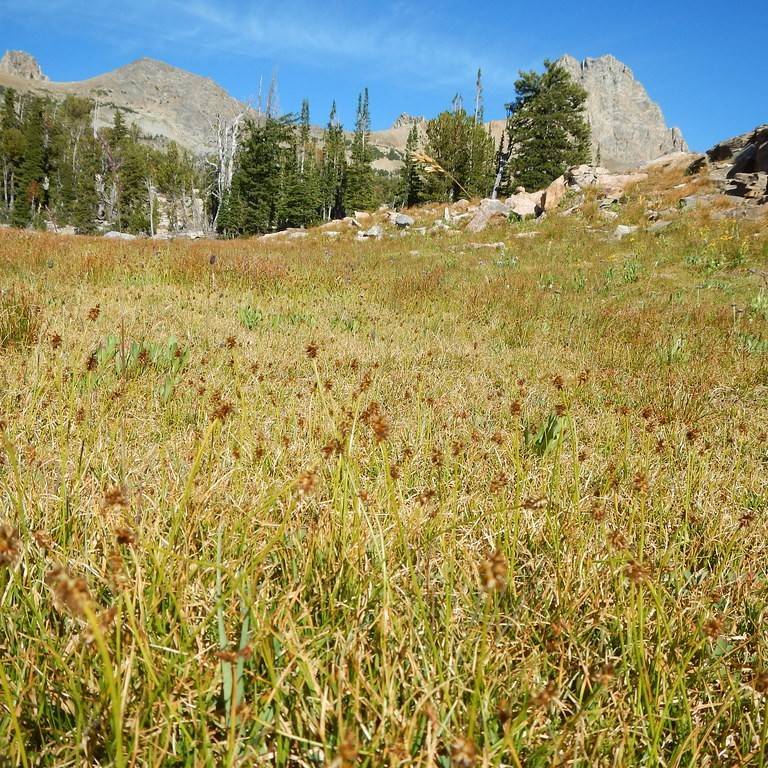
Lakebank sedge is a rhizomatous, grass-like perennial that forms dense, upright clumps adapted to saturated, low-lying soils. It produces narrow, arching green foliage and inconspicuous brown spikelets in late spring, providing subtle textural interest in naturalistic plantings. Hardy to USDA zones 3 through 8, it is a key species for wetland restoration projects and native landscape designs.
Care Guide
Watering
Lakebank sedge thrives in consistently moist to wet soil, tolerating seasonal flooding up to 6 inches deep for several weeks at a time. Water regularly to keep soil saturated, especially if planted in upland sites away from natural water sources; avoid allowing the root zone to dry out completely. Established clumps have mild short-term drought tolerance but perform best with consistent access to moisture.
Light
This sedge grows optimally in full sun to partial shade, with the most vigorous clump formation occurring in sites that receive at least 6 hours of direct sunlight daily. In warmer southern portions of its range, it benefits from light afternoon shade to prevent foliage scorch during peak summer heat. It can tolerate deeper shade but will produce sparser, less upright growth in low-light conditions.
Soil
Lakebank sedge adapts to a wide range of wet soil types, including loam, clay, silt, and mucky organic soils common to shorelines and wet meadows. It tolerates neutral to slightly acidic pH levels, and does not require well-drained soil, unlike many ornamental grasses. It will grow in shallow standing water for extended periods, making it ideal for the edges of ponds, streams, and rain garden low points.
Fertilizer
Fertilizer is rarely required for lakebank sedge, especially when planted in nutrient-rich wetland soils. If growth appears stunted in poor upland soils, apply a balanced, slow-release 10-10-10 fertilizer in early spring at half the recommended rate to avoid overfeeding. Excess nitrogen can cause overly lush foliage that is prone to flopping, so always err on the side of under-fertilizing.
Temperature
This cold-hardy sedge tolerates winter temperatures as low as -40°F (-40°C), suitable for USDA zones 3 through 8. It adapts to summer temperatures up to 95°F (35°C) as long as soil moisture remains consistent, with foliage remaining green through most of the growing season. It dies back to the ground after the first hard frost, with new growth emerging in early spring as soil temperatures rise above 40°F (4°C).
Pruning
Prune lakebank sedge once annually in late winter or early spring, before new growth emerges, cutting back all dead foliage to 2-3 inches above the soil line to make room for fresh shoots. Remove any yellowed or damaged foliage during the growing season as needed to maintain a tidy appearance, though this is not required for plant health. If spread via rhizomes is unwanted, trim back encroaching roots around the clump perimeter annually to contain growth.
Propagation
Lakebank sedge is most easily propagated via division of mature clumps in early spring, just as new growth begins to emerge. Dig up entire clumps, split them into smaller sections with at least 3-5 healthy shoots and intact rhizomes each, and replant immediately at the same depth as the original clump, keeping soil consistently moist until established. It can also be grown from seed sown directly in moist, cold soil in late fall for natural stratification, though seed-grown plants take 2-3 years to reach mature size.
Humidity
This native sedge thrives in moderate to high humidity levels common to its native wetland and shoreline habitats, tolerating humidity levels between 50% and 90% without issue. It does not require supplemental humidity when planted outdoors in its preferred growing zones, as natural environmental moisture is typically sufficient. If grown temporarily in containers, misting is unnecessary as long as soil remains consistently saturated.
Repotting
Lakebank sedge is rarely grown in containers long-term, as it prefers in-ground wet soil conditions. If potted for temporary use or propagation, repot every 1-2 years in early spring, moving to a slightly larger container with a rich, loamy potting mix that retains moisture well. Ensure containers have drainage holes to prevent root rot, though frequent watering to keep soil saturated is still required.
Uses & Symbolism
Lakebank sedge is widely used for shoreline erosion control, as its dense rhizome network stabilizes saturated soil and reduces runoff along pond edges, stream banks, and drainage ditches. It is a popular addition to native rain gardens and bioswales, where it filters pollutants from stormwater while providing habitat and food for native wetland birds, pollinators, and beneficial insects. It also works well as a low-maintenance ornamental grass alternative in moist landscape borders and naturalistic meadow plantings.
Diseases & Pests
Lakebank sedge is largely pest and disease resistant, with no major common issues in its native habitat. In overly stagnant, nutrient-rich standing water, it may occasionally develop fungal leaf spot, which can be managed by improving air circulation around clumps and avoiding overhead watering in cool, cloudy conditions. Rare infestations of aphids or sedge sawflies may occur, which can be treated with insecticidal soap or left unmanaged, as they rarely cause significant long-term damage to healthy plants.
Related plants
Other plants you might like if you grow Lakebank Sedge.