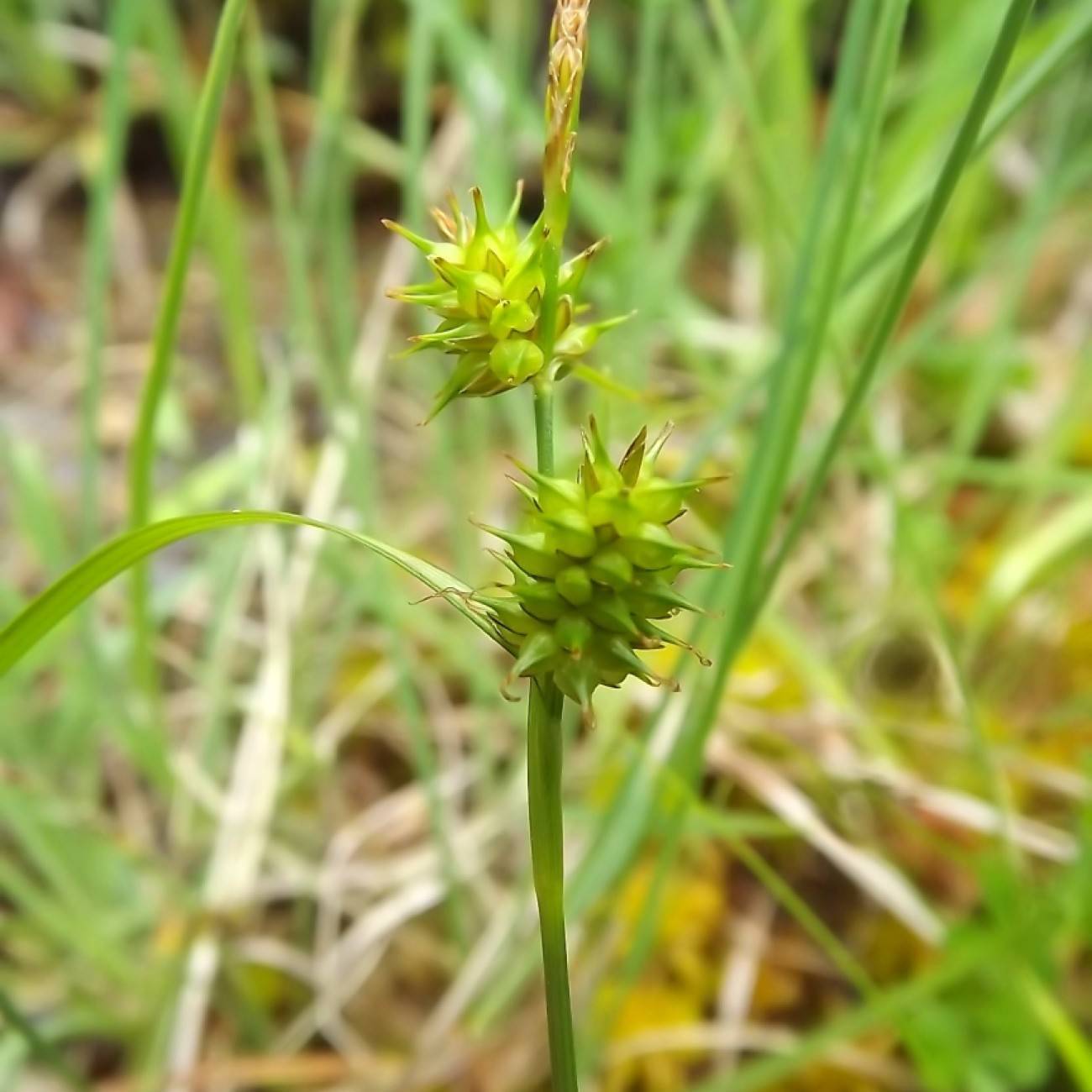
Greenish Sedge
Carex flava
Overview
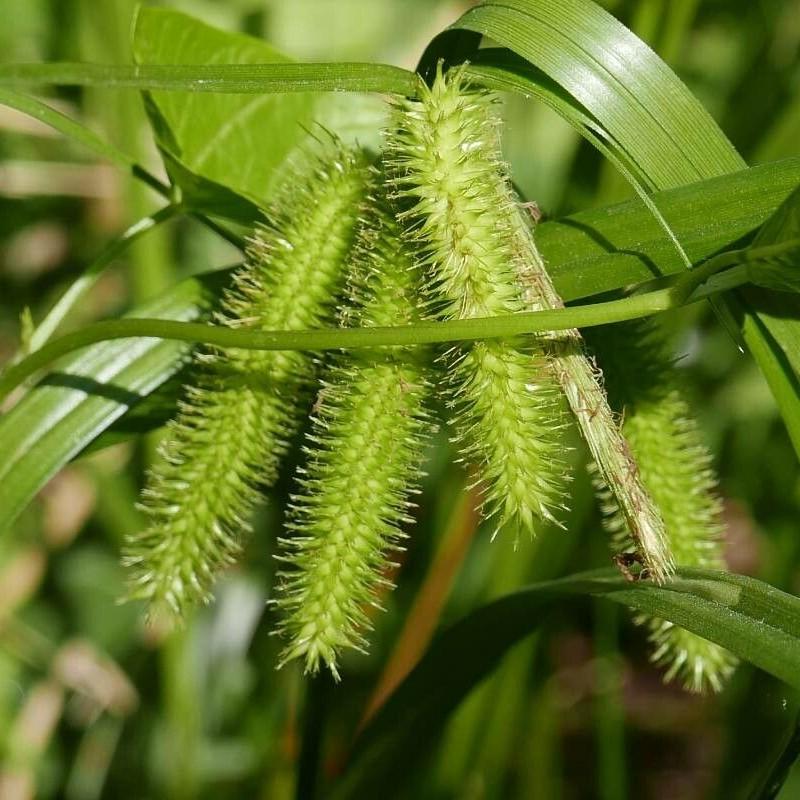
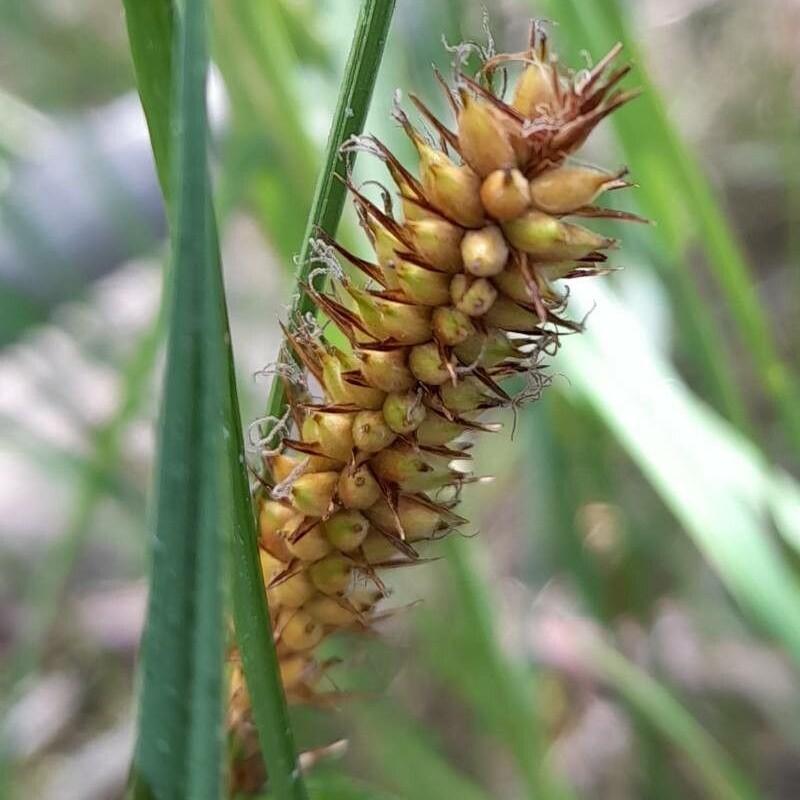
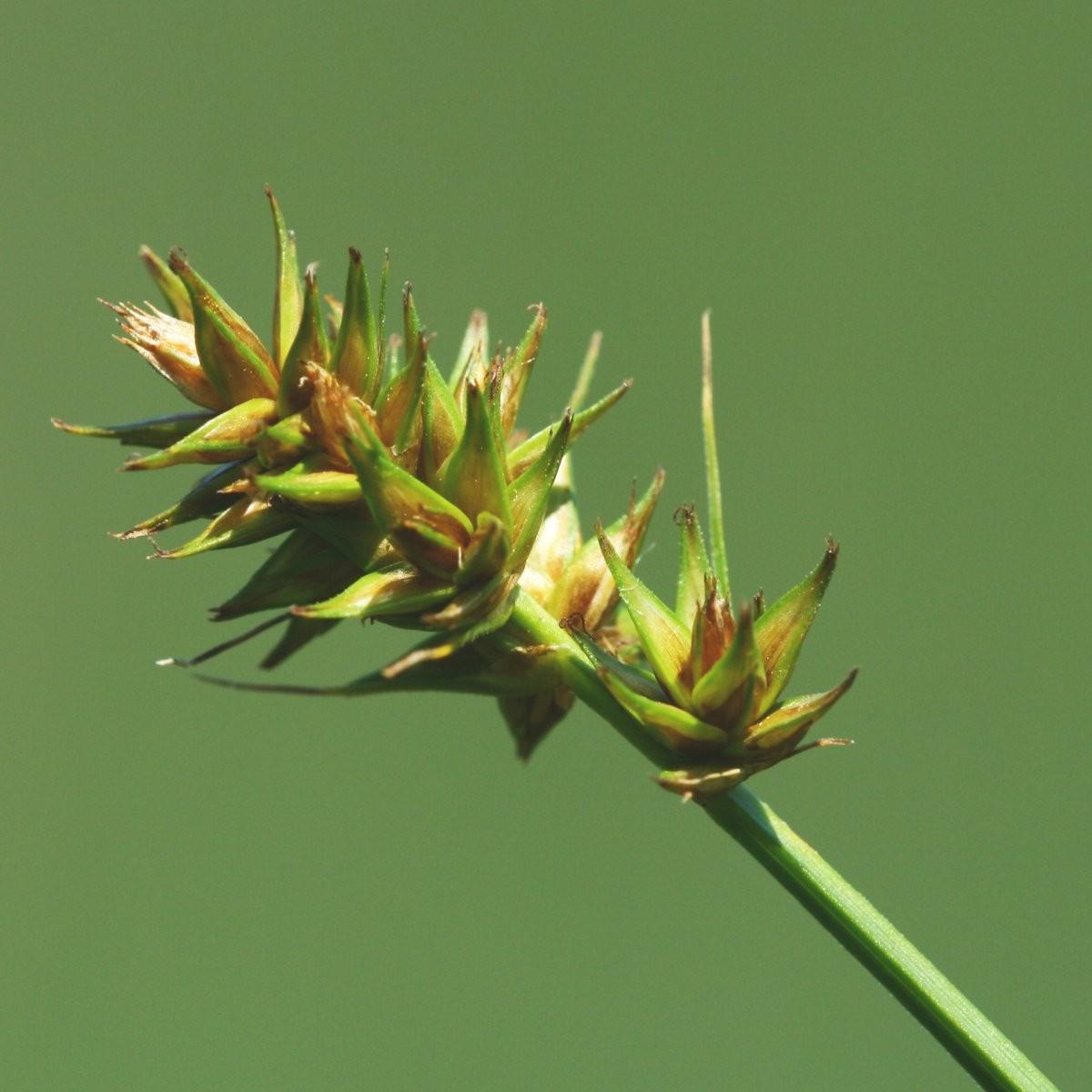
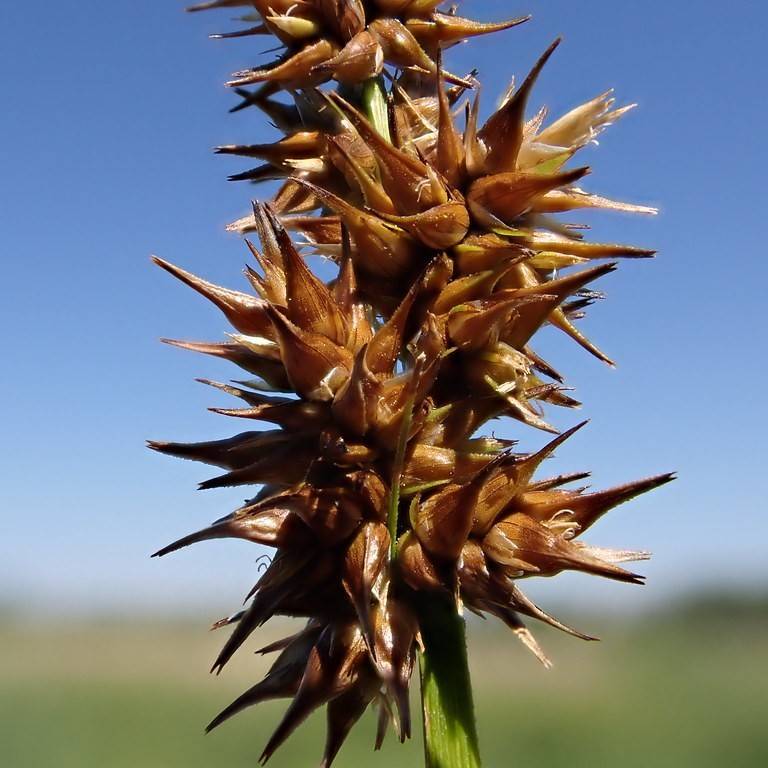
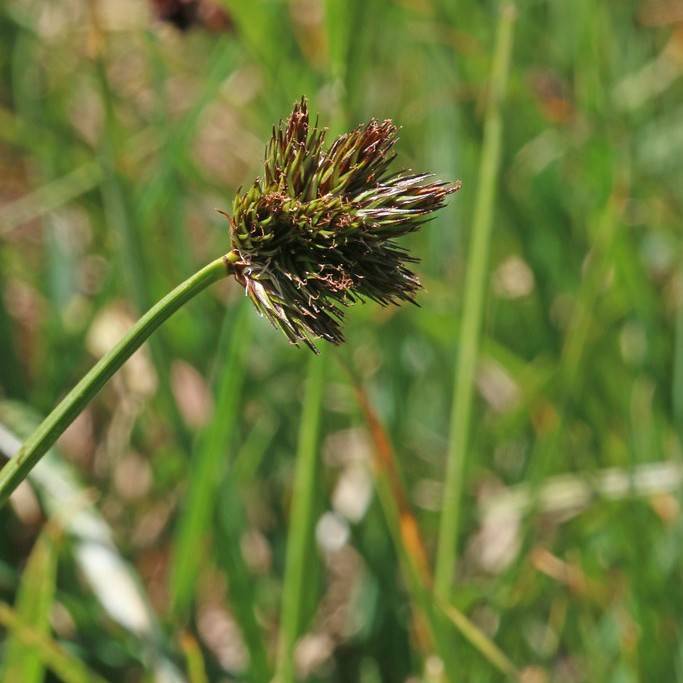
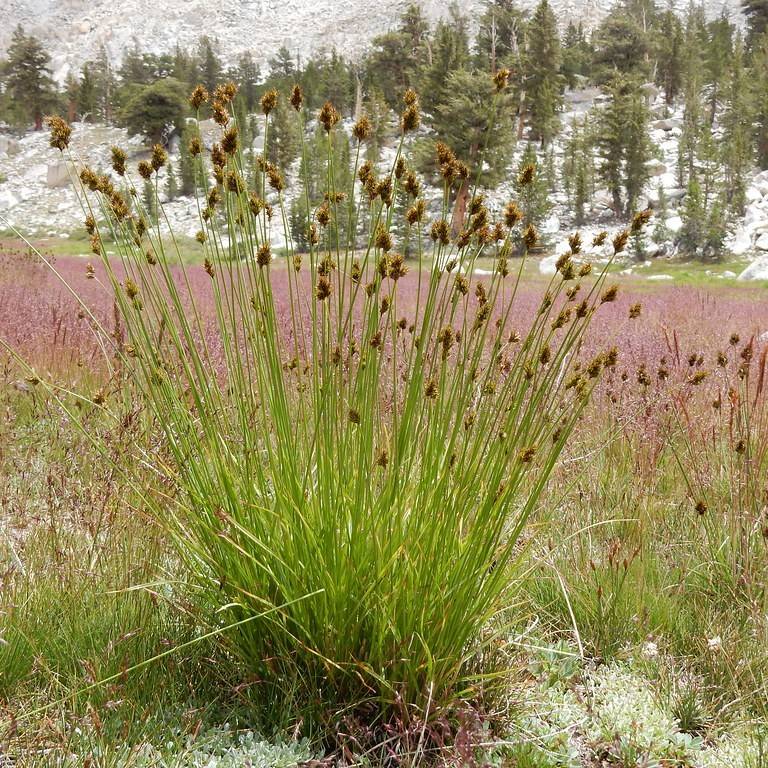
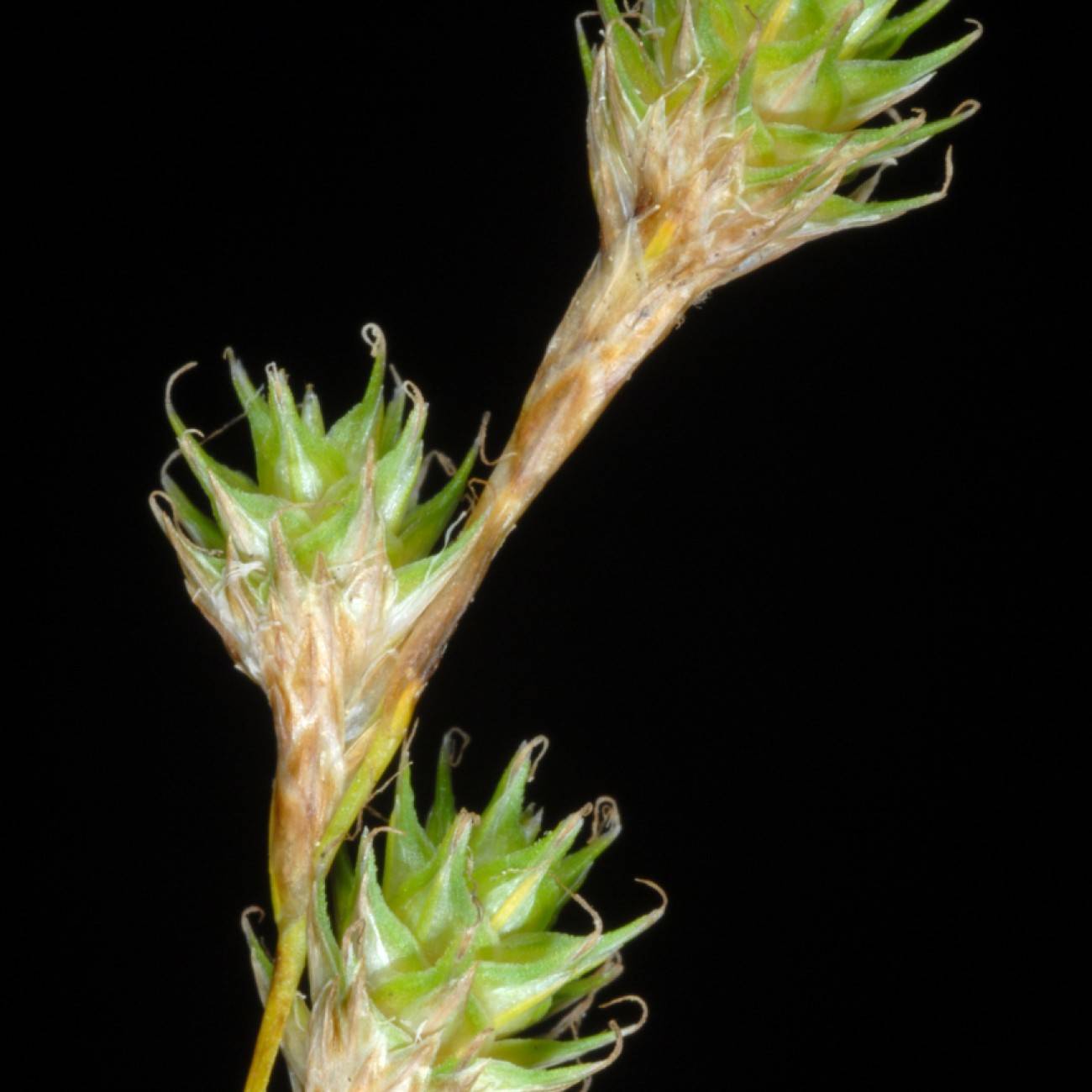
Greenish sedge, also called yellow sedge, is a grass-like wetland native that forms dense, tufted clumps of arching, linear green leaves. It produces distinctive yellow-green spikelet inflorescences in spring, with male spikes clustered at the stem tip and female spikes below. Adapted to consistently moist soils, it is a keystone species in many marsh, bog, and riparian ecosystems, supporting native pollinators and waterfowl.
Care Guide
Watering
Greenish sedge requires consistently moist to wet soil, and will tolerate periodic shallow flooding up to 3 inches deep for extended periods. Never allow the soil to dry out completely; water regularly in dry weather to maintain saturated or very damp conditions, especially for plants grown in upland garden settings. Potted specimens should be placed in a saucer of standing water to replicate their native wetland habitat.
Light
This sedge thrives in full sun to partial shade, with the most vigorous growth and heaviest flowering occurring in sites that receive at least 6 hours of direct sunlight daily. In hotter southern climates, provide afternoon shade to prevent leaf scorch and reduce moisture loss from the soil. It can adapt to full shade, but will produce fewer flower spikes and have a looser, more open growth habit.
Soil
Greenish sedge prefers acidic, loamy or sandy soils high in organic matter, with a pH between 4.5 and 6.5. It is highly tolerant of heavy, poorly drained clay soils and saturated conditions that would cause root rot in most other ornamental plants. Avoid planting in fast-draining, sandy soils with low water retention unless you can provide frequent, consistent irrigation.
Fertilizer
Fertilization is rarely necessary for plants grown in their native wetland habitats, as they are adapted to low-nutrient soils. If grown in average garden soil, apply a balanced, slow-release 10-10-10 fertilizer once in early spring at half the recommended label rate to support new growth. Over-fertilization will lead to leggy, floppy growth and may reduce flowering.
Temperature
Greenish sedge is cold hardy in USDA zones 4 through 8, tolerating winter temperatures as low as -30°F (-34°C) without protection. It can tolerate summer temperatures up to 95°F (35°C) as long as soil moisture remains consistent, but prolonged heat without water will cause foliage to brown and die back. In regions with extreme summer heat, mulch heavily around the base of the plant to keep roots cool and retain moisture.
Pruning
Prune greenish sedge once annually in late winter or early spring, before new growth emerges, cutting back all old foliage to 2-3 inches above the soil line to make room for fresh, new leaves. Remove any brown, damaged, or diseased foliage throughout the growing season as needed to maintain a neat appearance. After flowering, you can snip off spent flower spikes if you prefer a more uniform grass-like look, but leaving them intact provides food for native birds and insects.
Propagation
Greenish sedge is most easily propagated by division in early spring or late fall, when the plant is dormant. Dig up the entire clump, separate it into smaller sections with a sharp knife or spade, ensuring each section has a healthy root system and at least 3-5 growing shoots, then replant immediately at the same depth as the original plant. It can also be grown from seed sown directly in moist soil in fall or cold-stratified for 60 days and sown in spring, though seed-grown plants take 2-3 years to reach mature size.
Humidity
This wetland species prefers high humidity levels between 50% and 80%, typical of its native marsh and riparian habitats. It will tolerate average household humidity if grown as a potted houseplant, but leaf tips may brown if humidity drops below 40% for extended periods. For indoor plants, increase humidity by placing the pot on a tray of pebbles filled with water, or group it with other moisture-loving plants.
Repotting
Potted greenish sedge should be repotted every 2-3 years in early spring, just before new growth begins, to refresh the soil and prevent root binding. Use a deep pot with drainage holes, filled with a rich, moisture-retentive potting mix amended with peat moss or compost to maintain acidic conditions. After repotting, water thoroughly and return the plant to a saucer of standing water to keep the soil consistently saturated.
Uses & Symbolism
Greenish sedge is widely used in rain gardens, bioswales, and shoreline stabilization projects to control erosion, filter stormwater runoff, and provide habitat for native pollinators, amphibians, and seed-eating birds. It is also planted as a low-maintenance ornamental in moist landscape beds, around water features, and in bog gardens, where its fine-textured foliage contrasts well with broader-leaved wetland plants like iris and pickerelweed. Historically, indigenous communities used its strong, flexible stems to weave baskets and mats.
Diseases & Pests
Greenish sedge is highly resistant to most pests and diseases, though it may occasionally be affected by rust, a fungal disease that causes orange or brown pustules on foliage, especially in overly crowded, poorly ventilated growing conditions. Aphids and spider mites may infest stressed plants, particularly those grown indoors or in very dry conditions, and can be controlled with a strong spray of water or insecticidal soap. Root rot can occur if the plant is grown in poorly aerated, stagnant water for extended periods, so ensure potted specimens have proper drainage and change standing water in their saucers regularly.
Related plants
Other plants you might like if you grow Greenish Sedge.