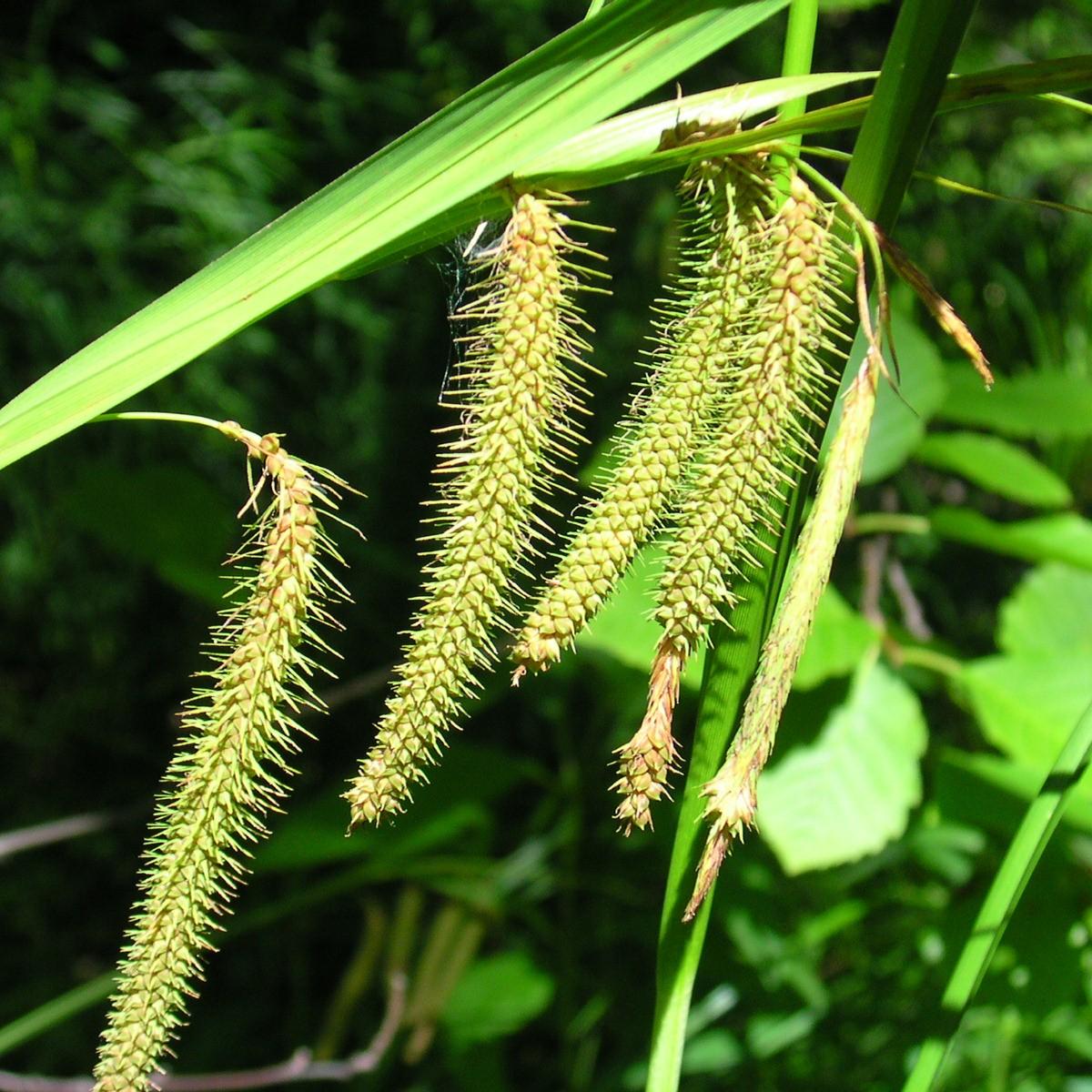
Bristly Sedge
Carex comosa
Overview
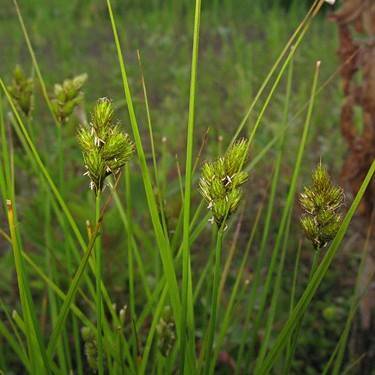
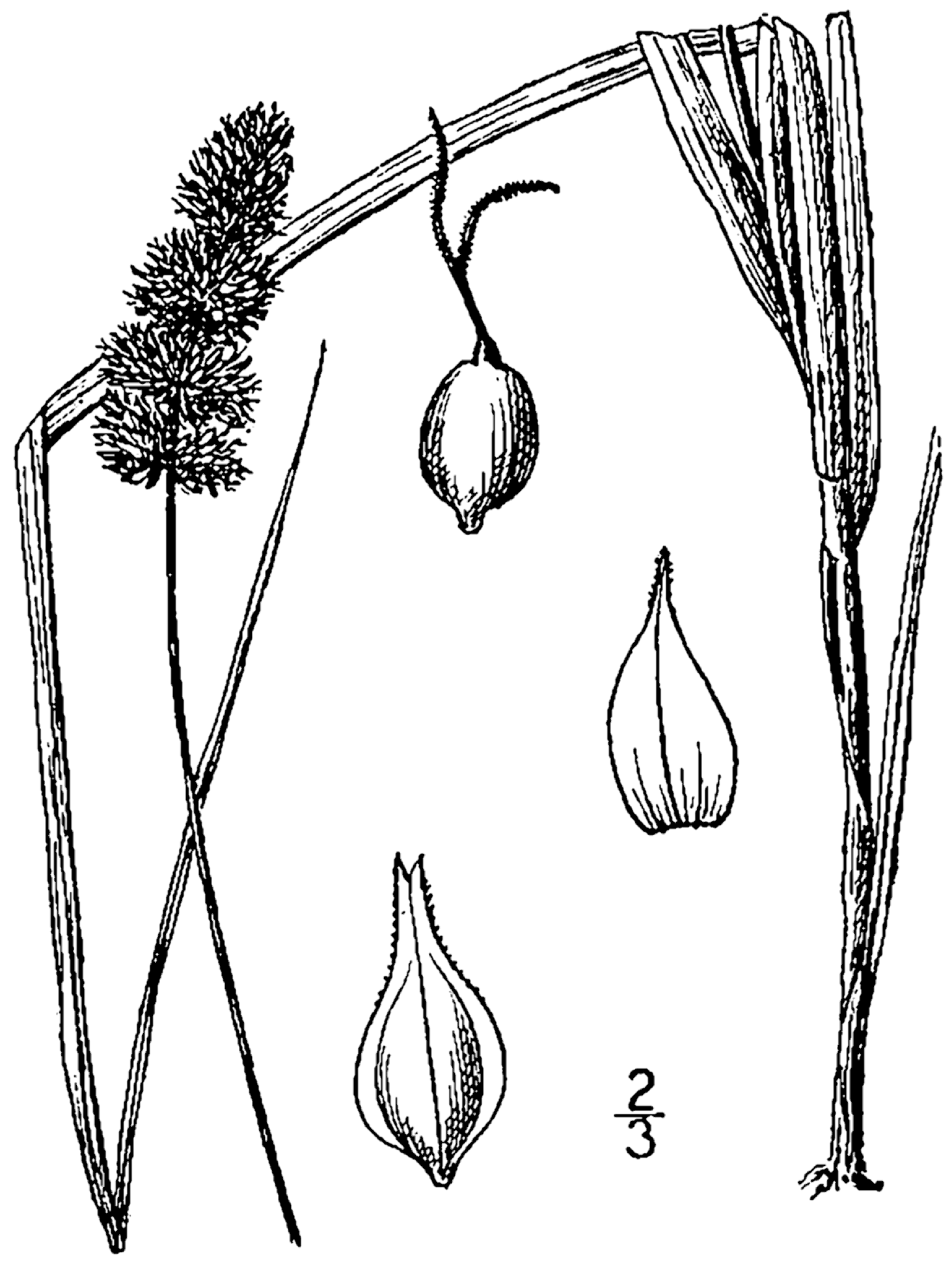
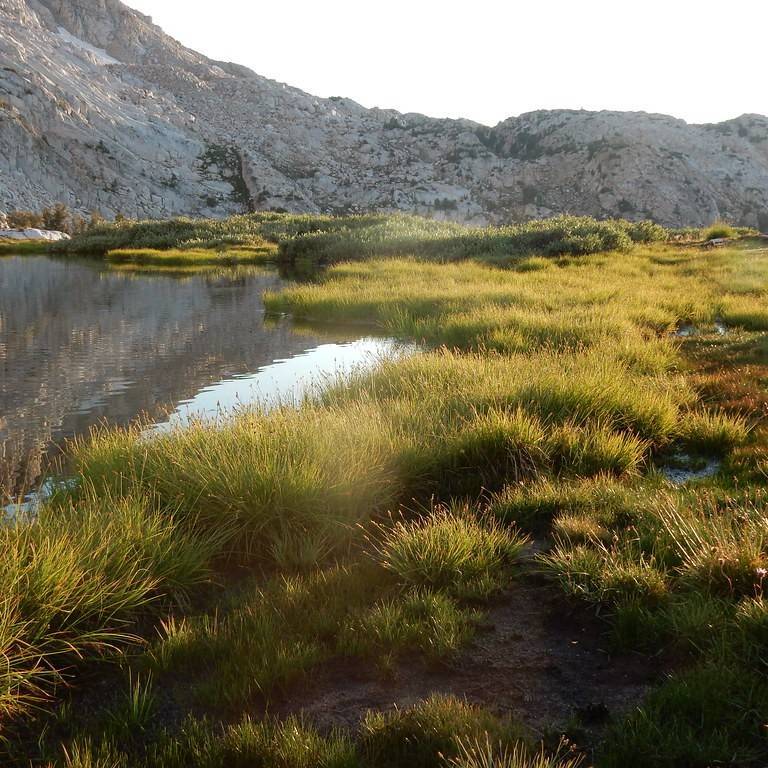
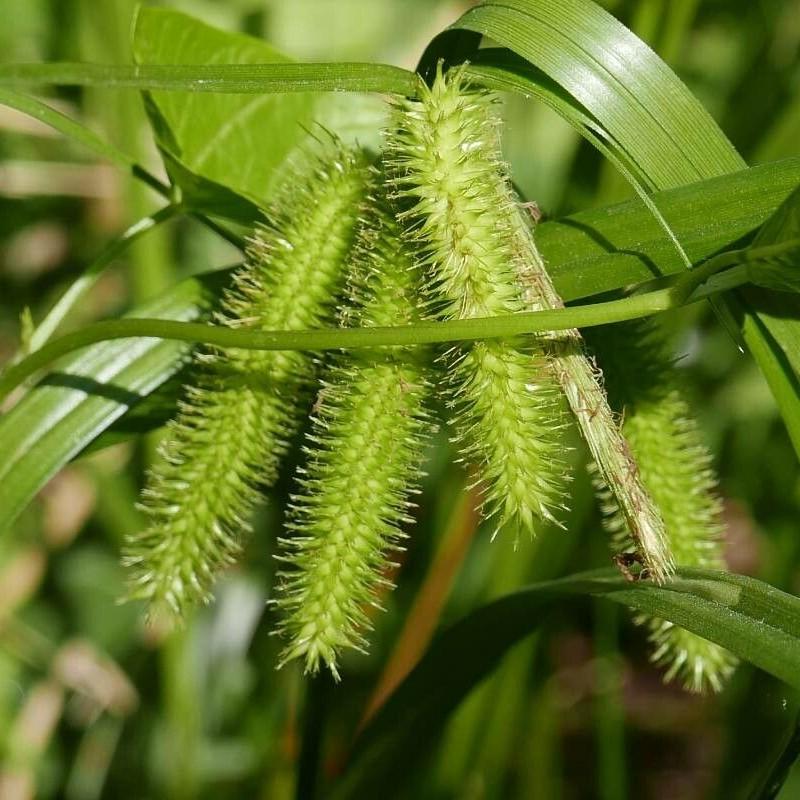
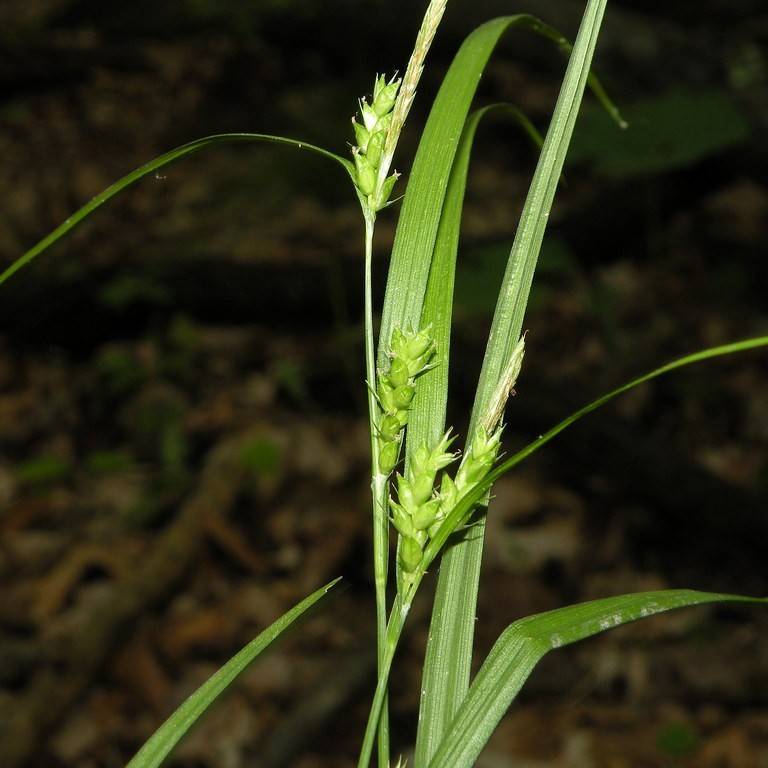
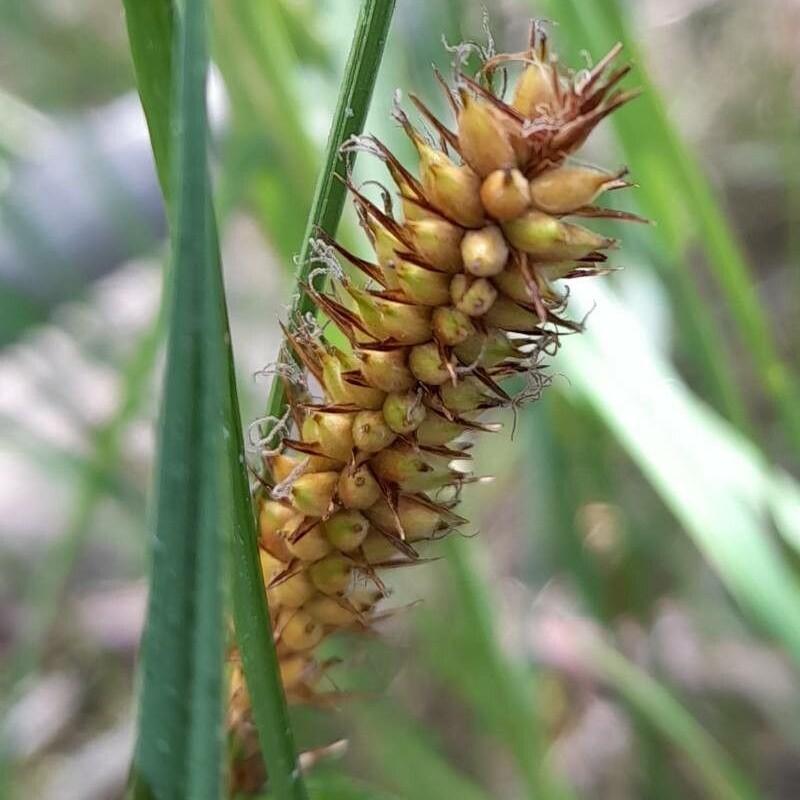
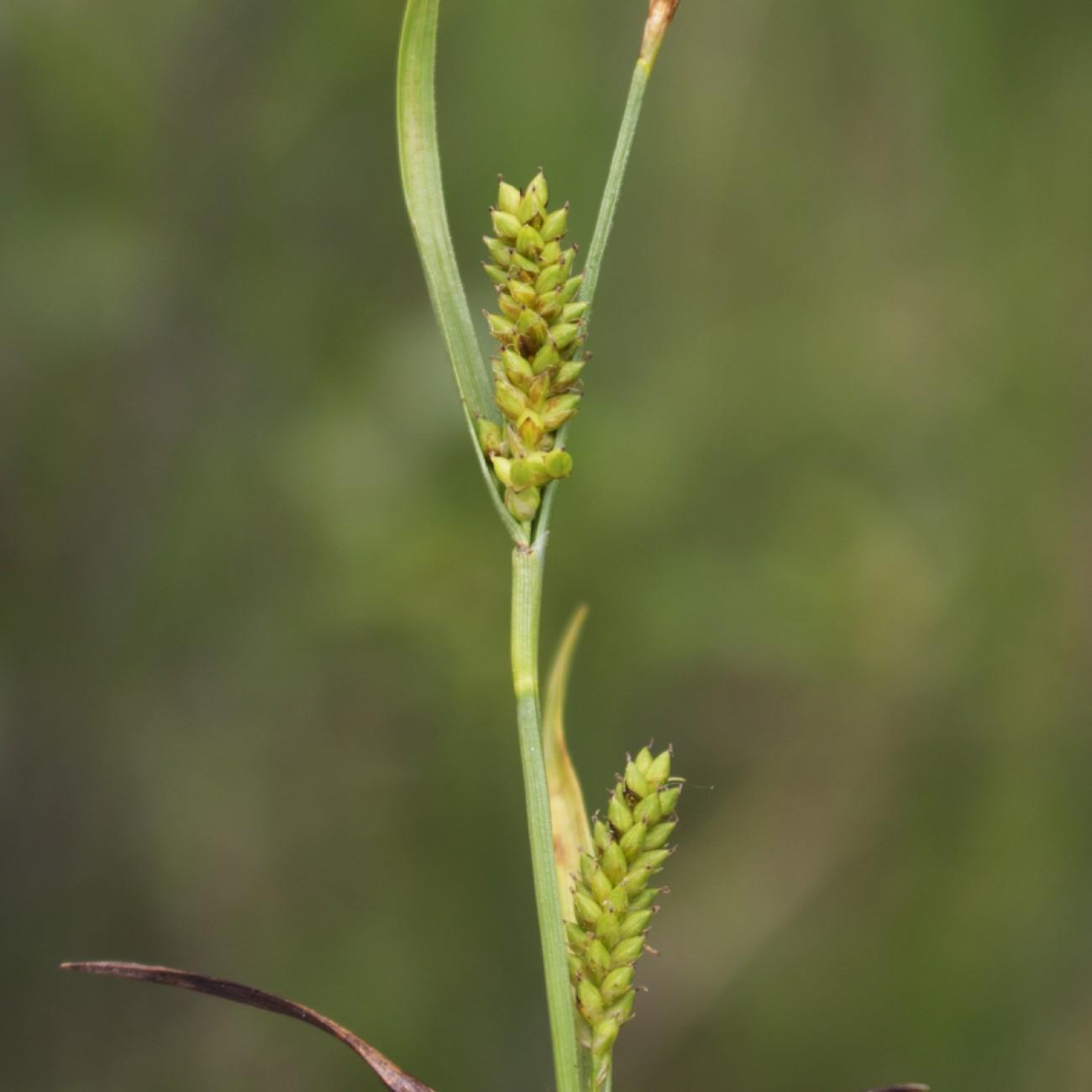
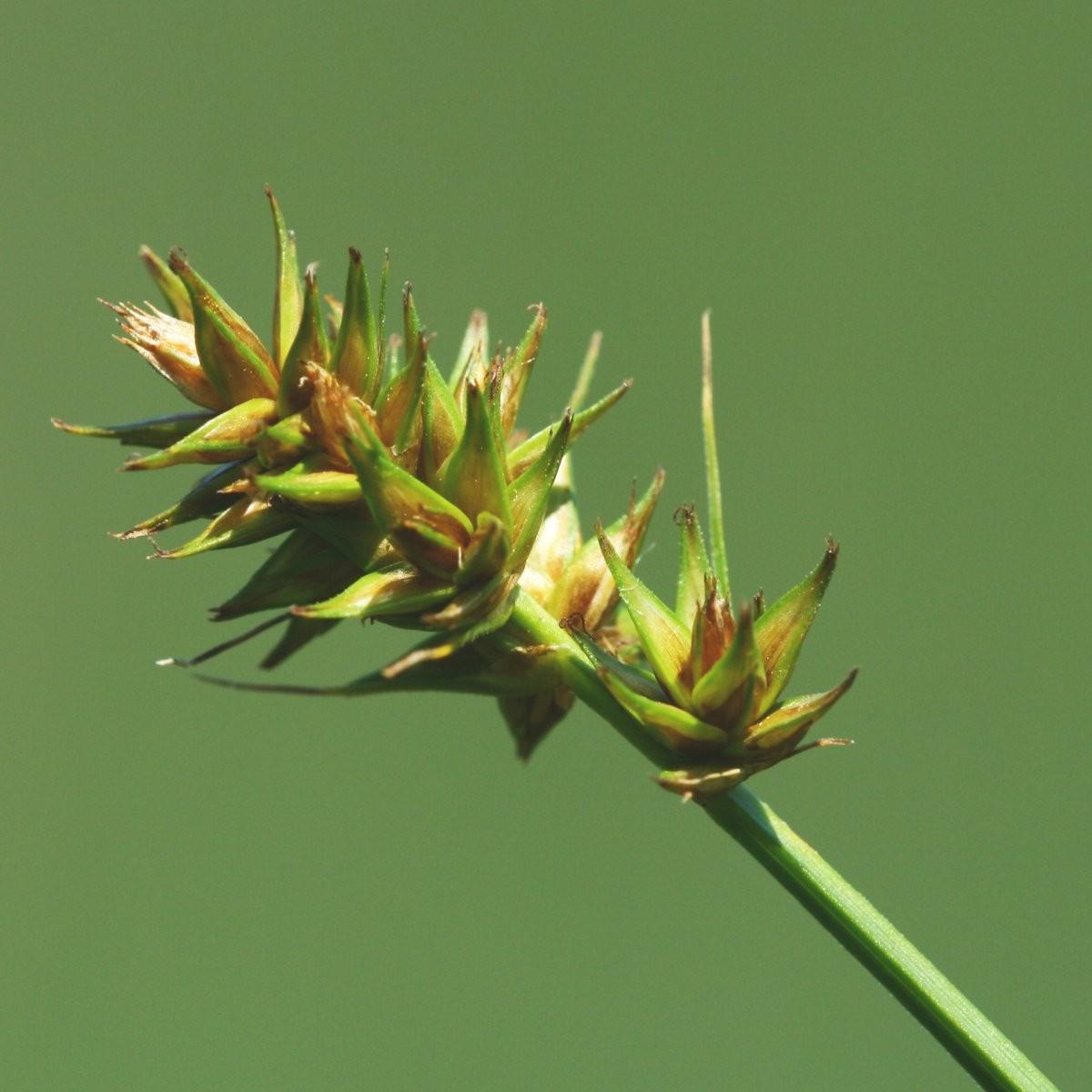
Bristly Sedge is a dense, clumping herbaceous perennial native to North American wetland ecosystems, recognized for its narrow, arching green foliage and unique, spiky bristled seed heads that emerge in late spring. It thrives in saturated soils, making it a hardy choice for water-adjacent landscapes, and its deep root system helps stabilize streambanks and prevent soil erosion. This sedge provides valuable cover and food for wetland birds, pollinators, and small wildlife, supporting local biodiversity in native plantings.
Care Guide
Watering
Bristly Sedge requires consistently moist to wet soil, tolerating periodic flooding of up to 6 inches for several weeks at a time; avoid letting the soil dry out completely between waterings, especially in sunny locations. In garden settings, water deeply 1-2 times per week during dry periods to maintain saturated topsoil conditions, and plant in low-lying areas that receive regular runoff to reduce supplemental watering needs.
Light
This sedge grows best in full sun to partial shade, with optimal foliage and seed head production in sites that receive 4-6 hours of direct sunlight daily. It can tolerate heavy shade in wetter regions, though growth may be slower and seed production less abundant in low-light conditions.
Soil
Bristly Sedge adapts to a wide range of wet soil types, including clay, loam, silt, and mucky, organic-rich wetland soils, with a preferred pH range of 5.0 to 7.5. It tolerates poorly drained, compacted soils that are inhospitable to most other ornamental plants, making it ideal for rain gardens, bioswales, and pond edges.
Fertilizer
Fertilization is rarely needed for Bristly Sedge, as it thrives in nutrient-poor wetland soils; excess nitrogen can cause overly lush, weak growth that is prone to flopping. If grown in very poor, sandy soil, apply a balanced, slow-release 10-10-10 fertilizer once annually in early spring at half the recommended rate to support healthy growth.
Temperature
Bristly Sedge is cold hardy in USDA zones 3 through 8, tolerating winter temperatures as low as -40°F (-40°C) without protection when established. It can withstand summer temperatures up to 100°F (38°C) as long as soil moisture remains consistent, and it goes dormant in winter, with foliage dying back to the ground to regrow in early spring.
Pruning
Prune back dead, brown foliage to 2-3 inches above the soil line in late winter or early spring before new growth emerges to keep clumps looking tidy and improve air circulation. Remove spent seed heads in mid-summer if self-seeding is undesirable, though leaving them in place provides food for local bird populations through the fall and winter.
Propagation
Bristly Sedge is most easily propagated by division in early spring or late fall, when dormant clumps can be split into smaller sections with a sharp spade and replanted immediately at the same soil depth. It can also be grown from seed sown directly in wet soil in late fall, as seeds require a 60-90 day cold stratification period to germinate successfully in spring.
Humidity
This wetland native thrives in high humidity levels of 60% or higher, typical of its native riparian and marsh habitats, though it adapts to average garden humidity levels as long as soil moisture is maintained. It tolerates occasional low humidity spells without damage if watered frequently to compensate for increased evaporation.
Repotting
Bristly Sedge is rarely grown in containers, but if planted in pots for water garden features, repot every 2-3 years in early spring to refresh the soil and divide overcrowded clumps. Use a heavy, loamy potting mix designed for aquatic plants, and keep the pot submerged in 1-3 inches of water to maintain consistent soil saturation.
Uses & Symbolism
Bristly Sedge is widely used in native landscape restoration, rain gardens, bioswales, and pond edge plantings to control erosion, filter stormwater runoff, and support local wetland wildlife. Its distinctive bristly seed heads and arching foliage add textural interest to ornamental water gardens, and it is a popular choice for low-maintenance, deer-resistant naturalized plantings. Historically, Indigenous North American communities used the tough, flexible foliage for weaving mats and baskets.
Diseases & Pests
Bristly Sedge is highly resistant to most pests and diseases, though it may occasionally develop fungal leaf spots in overly crowded, poorly ventilated plantings, which can be managed by thinning clumps and removing affected foliage. In very dry conditions, spider mites may infest foliage, though infestations are rare and easily resolved by increasing soil moisture and spraying affected plants with a strong stream of water. It has no major pest issues, and deer and other herbivores typically avoid feeding on its tough, fibrous foliage.
Related plants
Other plants you might like if you grow Bristly Sedge.