Heavy Sedge
Carex gravida
Overview
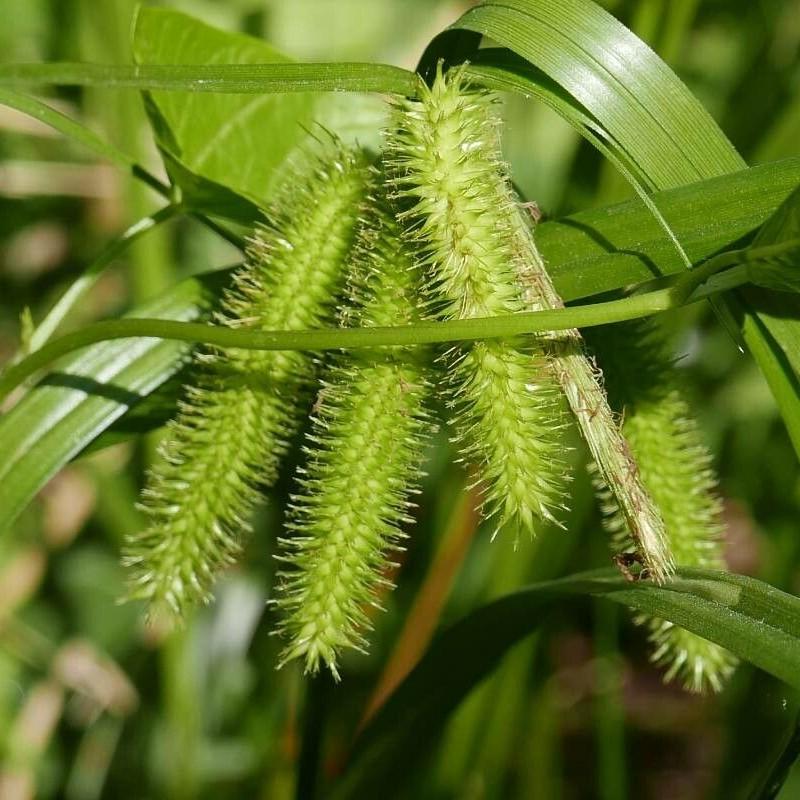
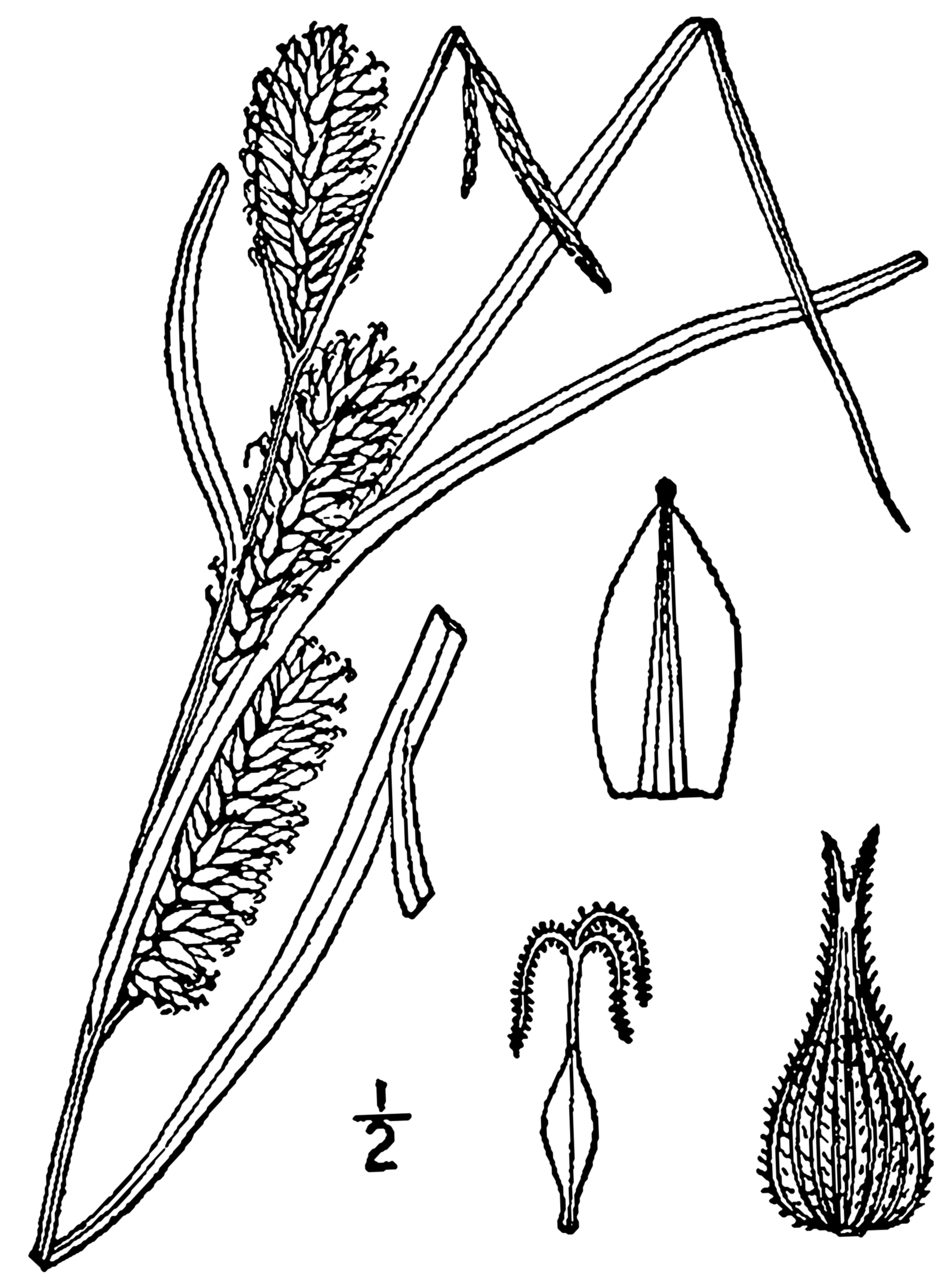
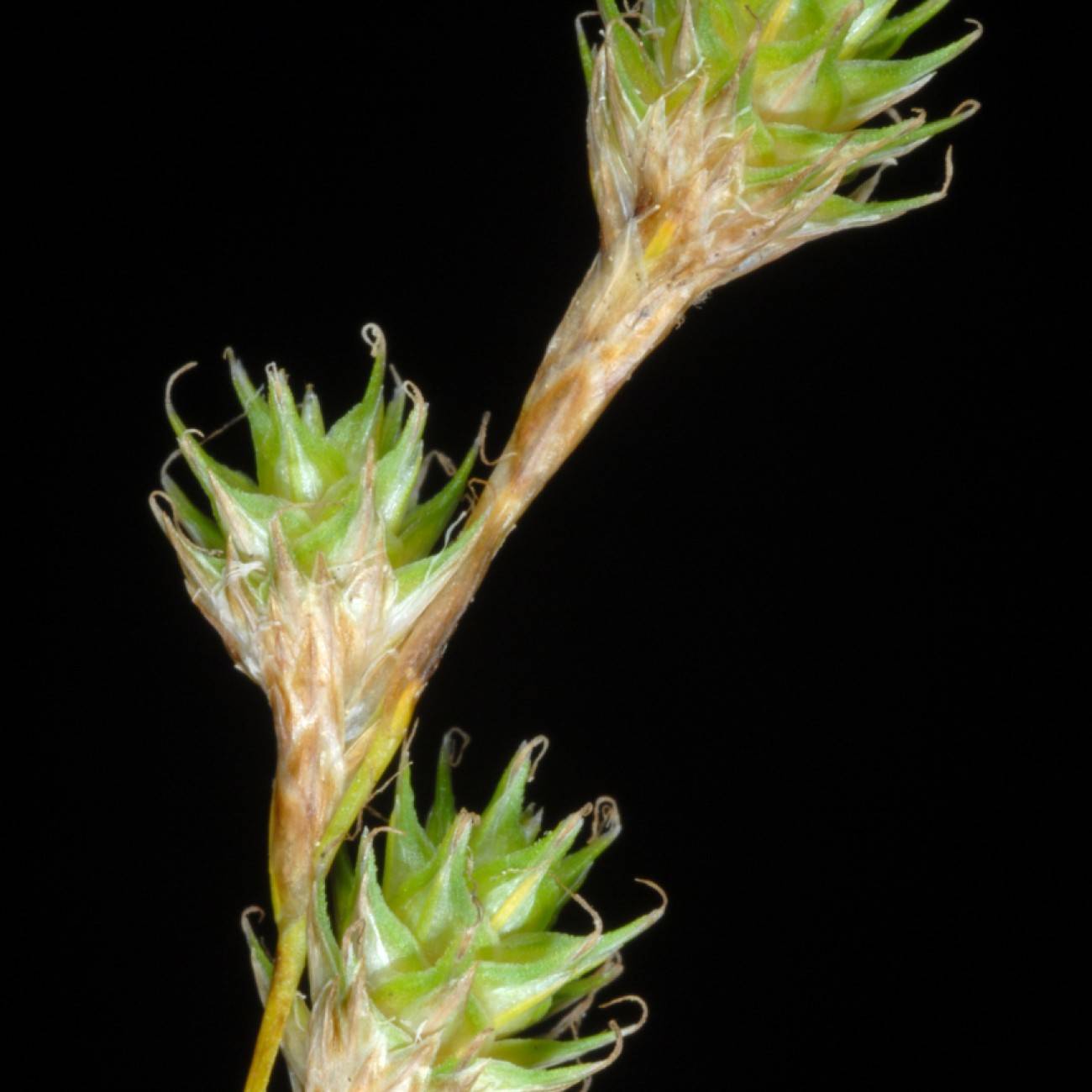
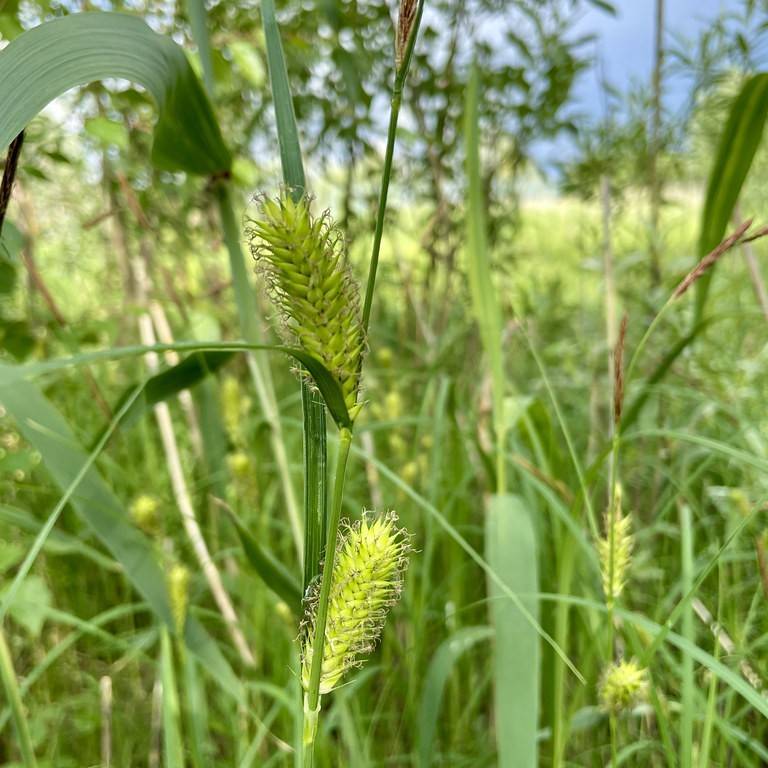
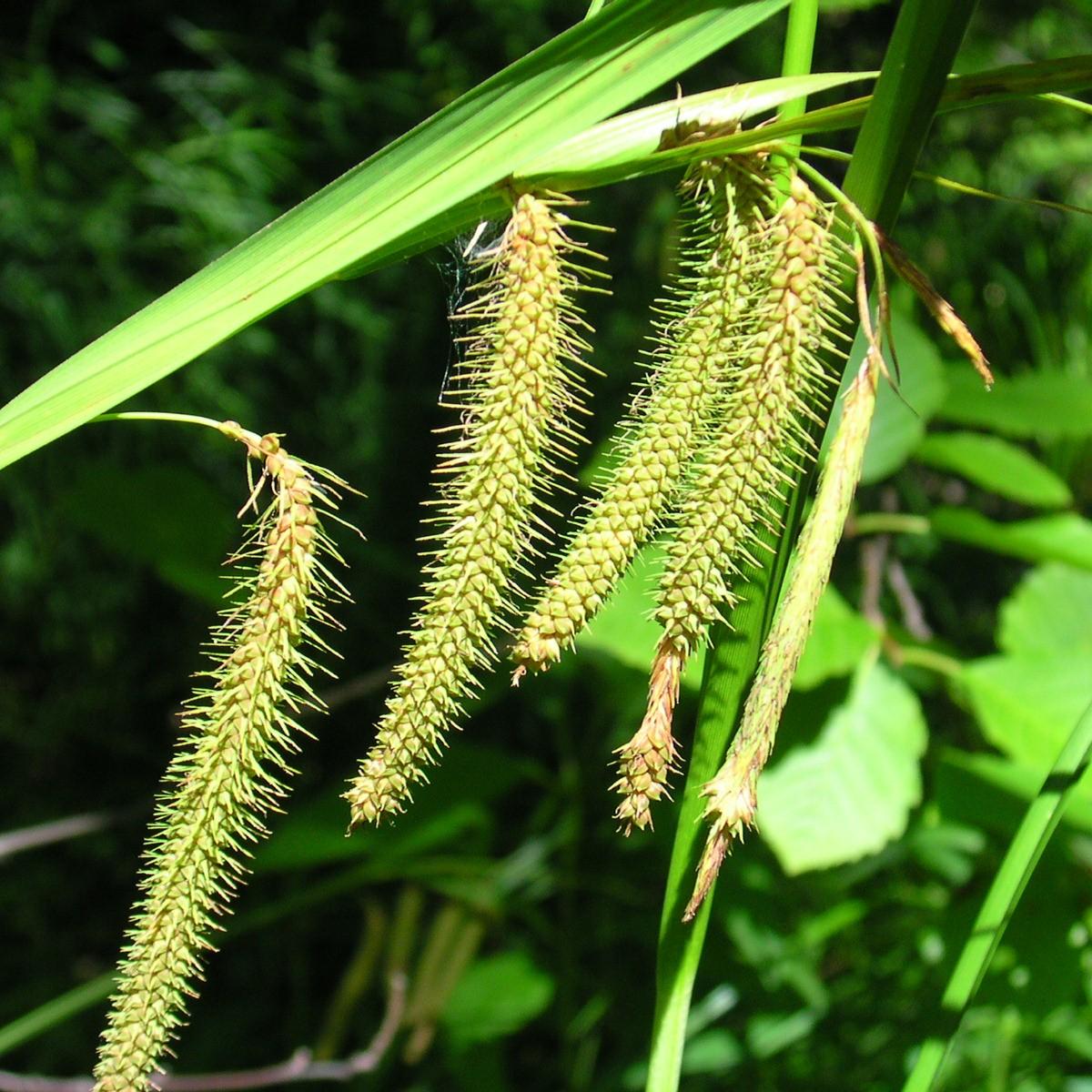
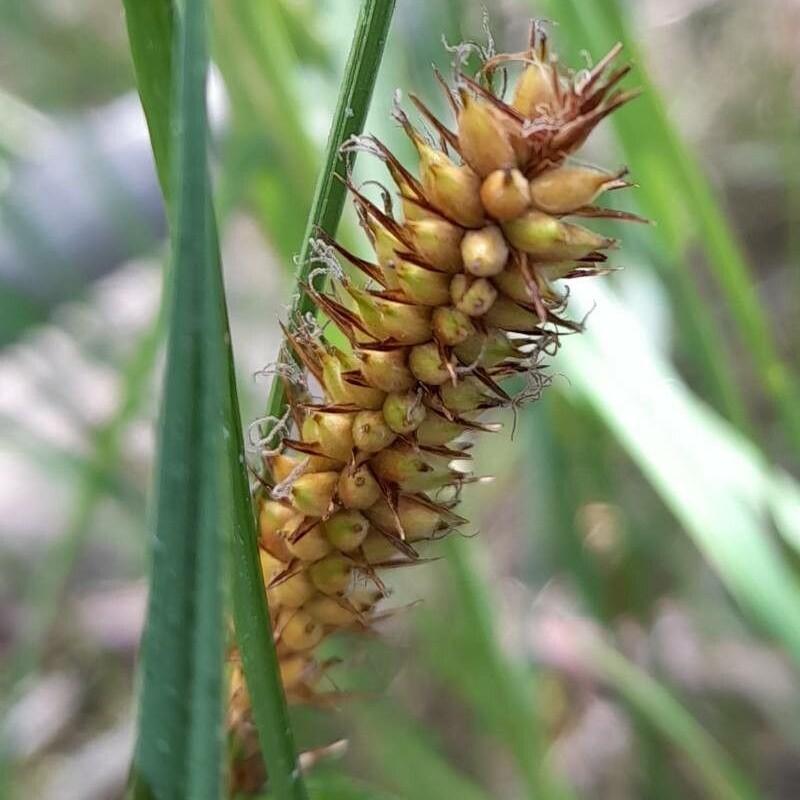
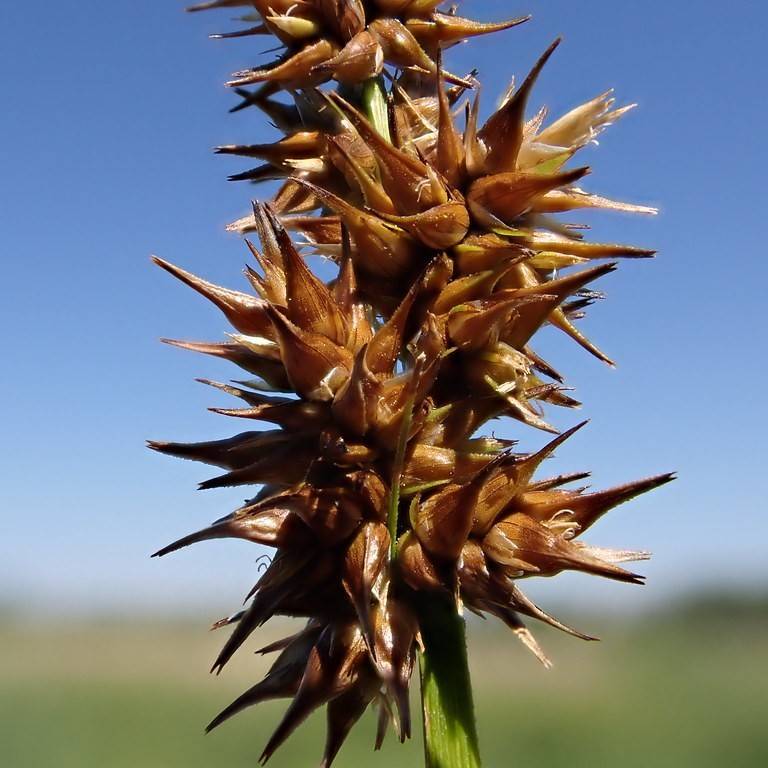
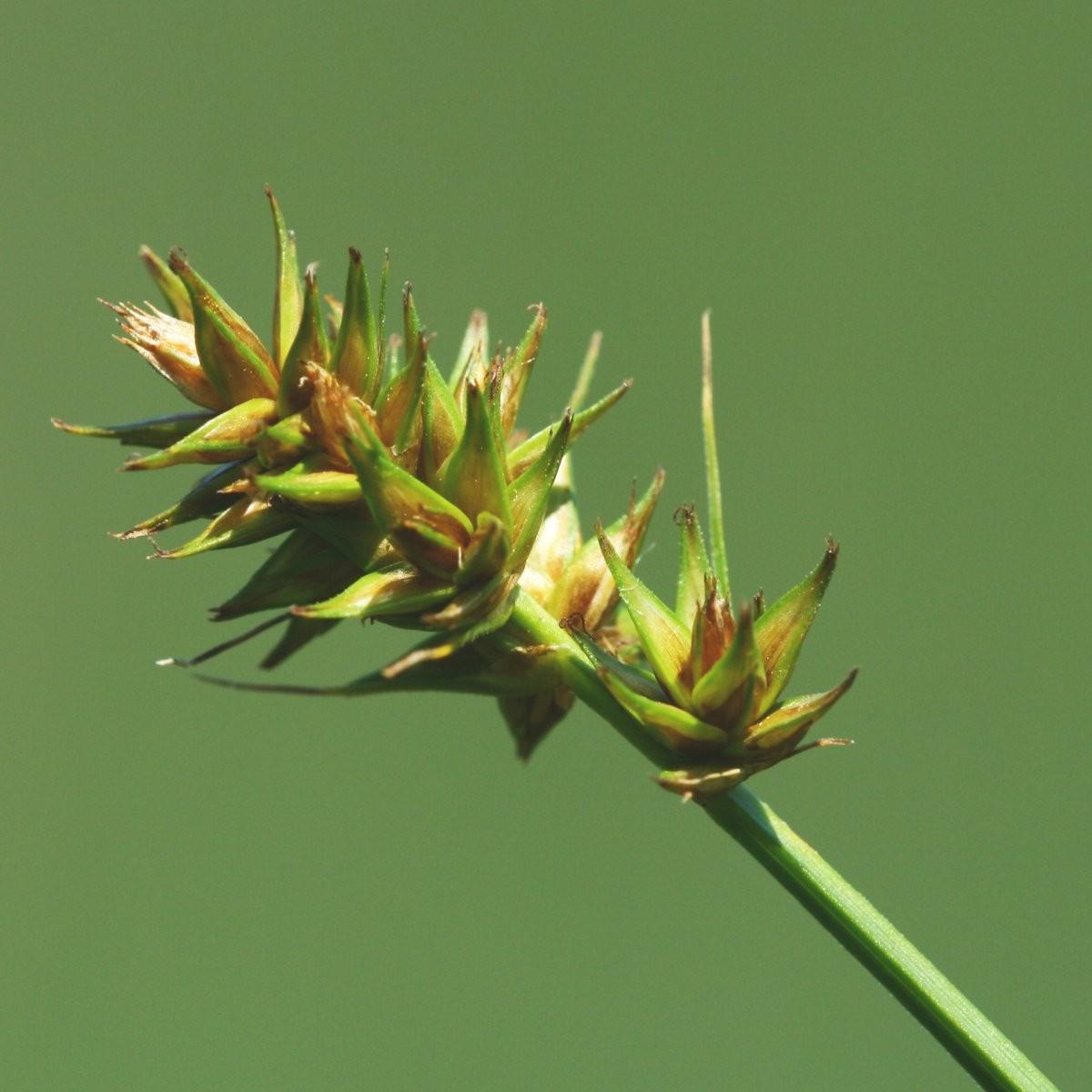
Heavy sedge is a robust, clumping perennial sedge that thrives in moist to wet habitats, including marshes, swales, streambanks, and wet prairies across its native North American range. It produces narrow, arching medium-green leaves and characteristic triangular flowering stems that bear dense, brown seed spikes from late spring to mid-summer, providing food for a variety of wetland birds and small mammals. Its dense, fibrous root system makes it highly effective at stabilizing soil in wet areas, reducing erosion and filtering runoff in rain garden or riparian plantings.
Care Guide
Watering
Heavy sedge prefers consistently moist to wet soil, requiring regular watering to keep the root zone saturated, especially during periods of drought; it can tolerate temporary flooding for several weeks at a time, making it ideal for low-lying, poorly drained sites. Avoid letting the soil dry out completely, as extended dry conditions will cause foliage to brown and the plant to go dormant prematurely.
Light
This species grows best in full sun to partial shade, tolerating full sun in cooler, wetter regions while benefiting from afternoon shade in areas with hot, intense summer sun to prevent leaf scorch. Too much deep shade will reduce flowering and cause the clumps to become sparse and leggy over time.
Soil
Heavy sedge adapts to a wide range of soil types, including clay, loam, and sandy soils, as long as they retain moisture well; it thrives in slightly acidic to neutral pH levels between 5.5 and 7.5. It can tolerate poorly drained, compacted, and even occasionally nutrient-poor wet soils that most other ornamental grasses struggle to survive in.
Fertilizer
Fertilization is rarely necessary for heavy sedge, especially when planted in its native wetland habitat, as it can obtain sufficient nutrients from organic matter in moist soil. If grown in poor, nutrient-depleted soil, apply a balanced, slow-release all-purpose fertilizer once in early spring before new growth emerges, taking care not to over-fertilize which can lead to floppy foliage.
Temperature
Heavy sedge is cold-hardy in USDA zones 4 through 8, tolerating winter temperatures as low as -30°F (-34°C) without damage, while it can withstand summer highs up to 100°F (38°C) as long as soil moisture is sufficient. Extreme heat combined with dry conditions will cause foliage to die back, so supplemental watering is recommended during prolonged hot, dry spells.
Pruning
Prune heavy sedge once annually in late winter or early spring before new growth emerges, cutting back the entire clump to 3-4 inches above the soil line to remove dead, brown foliage and encourage fresh, vigorous new growth. Remove any damaged or yellowing leaves throughout the growing season as needed to keep the clump looking tidy, and trim off spent seed spikes after flowering if you wish to prevent self-seeding.
Propagation
Heavy sedge is most easily propagated by division in early spring or late fall, digging up mature clumps and separating them into smaller sections with intact roots and foliage before replanting immediately in moist soil. It can also be grown from seed sown directly outdoors in fall (to allow for natural cold stratification over winter) or sown indoors after 60-90 days of cold stratification, though seed-grown plants take 2-3 years to reach mature size.
Humidity
This wetland native thrives in moderate to high humidity levels between 50% and 80%, which are typical of its native marsh and riparian habitats. It tolerates average garden humidity well as long as soil moisture is kept consistent, though very low, arid humidity will cause leaf tips to brown unless watering is increased.
Repotting
Heavy sedge is rarely grown in containers, but if potted for water features or patio displays, repot every 2-3 years in early spring into a slightly larger pot with a rich, moisture-retentive potting mix. Ensure the container has drainage holes, and sit it in a tray of water to maintain consistent soil moisture if it is not planted directly in a shallow water feature.
Uses & Symbolism
Heavy sedge is widely used in native plant landscaping, rain gardens, bioswales, and riparian restoration projects to control erosion, filter stormwater runoff, and provide habitat for pollinators, birds, and wetland wildlife. Its dense, attractive clumping form also makes it a good low-maintenance ornamental for moist garden borders, pond edges, and water features, while its seed heads are sometimes used in dried floral arrangements. Native American communities historically used the tough, flexible stems of heavy sedge for weaving baskets and mats.
Diseases & Pests
Heavy sedge is largely resistant to most pests and diseases, though it can occasionally develop fungal leaf spot or rust in conditions of high humidity and poor air circulation, which can be managed by thinning clumps to improve airflow and avoiding overhead watering. Aphids and spider mites may infest stressed plants, especially those grown in overly dry conditions, and can be controlled with insecticidal soap or a strong stream of water. Root rot may occur if the plant is grown in constantly saturated, stagnant water with no drainage, though it tolerates regular moving water and temporary flooding well.
Related plants
Other plants you might like if you grow Heavy Sedge.