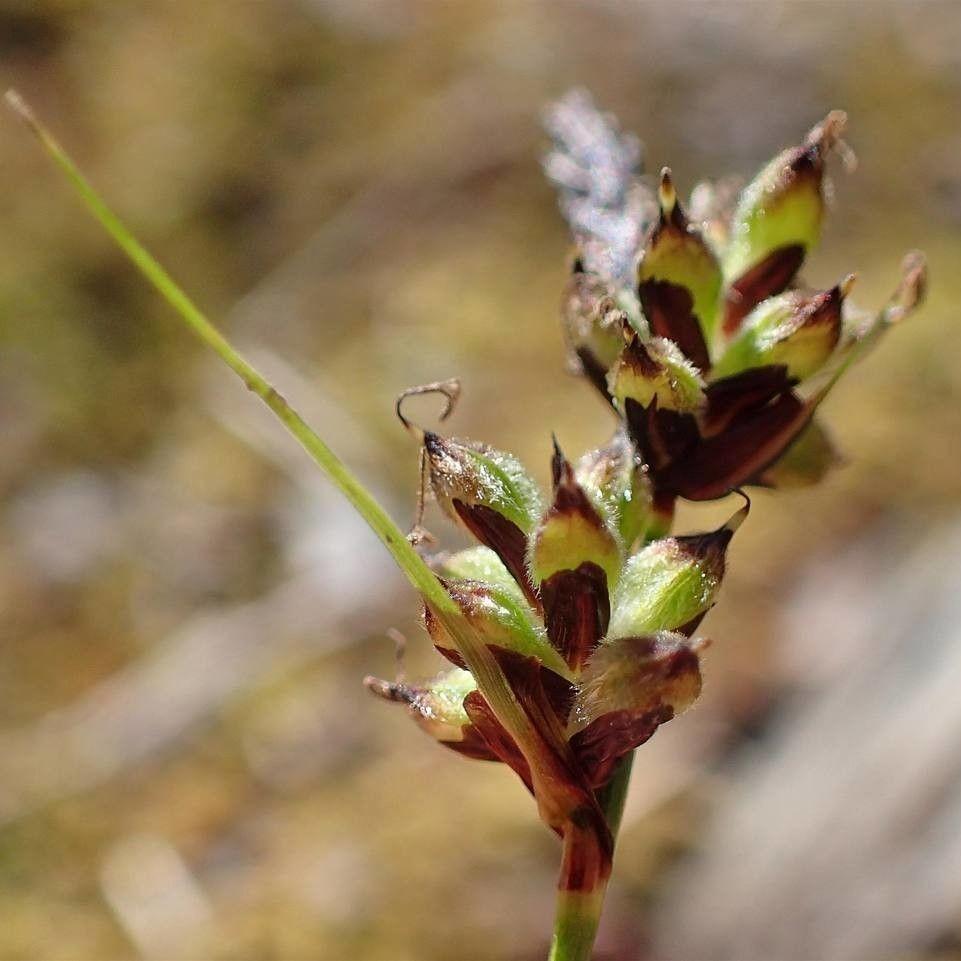
Hidden Sedge
Carex cryptolepis
Overview
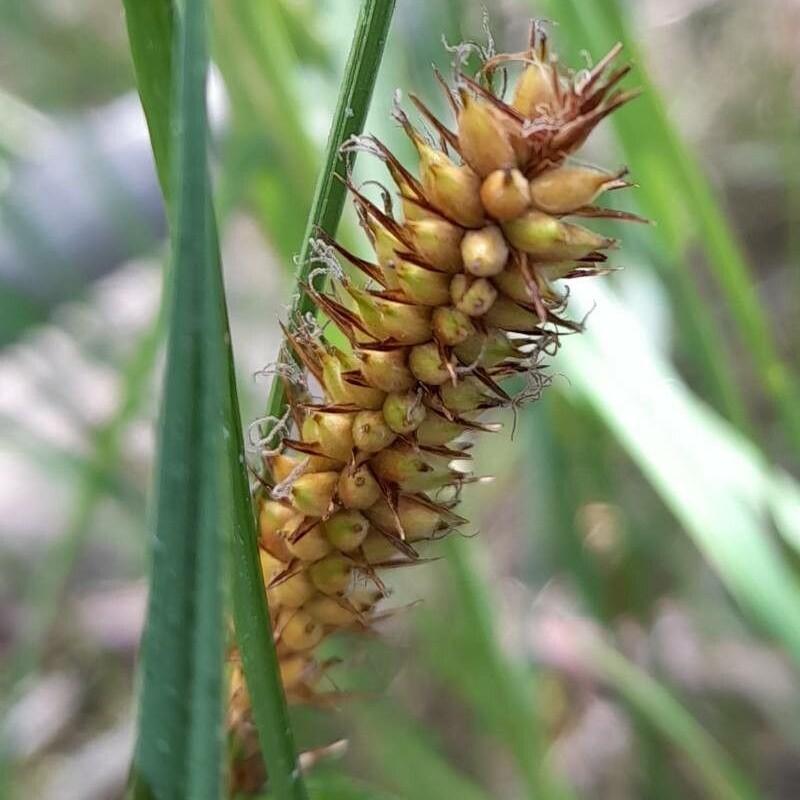
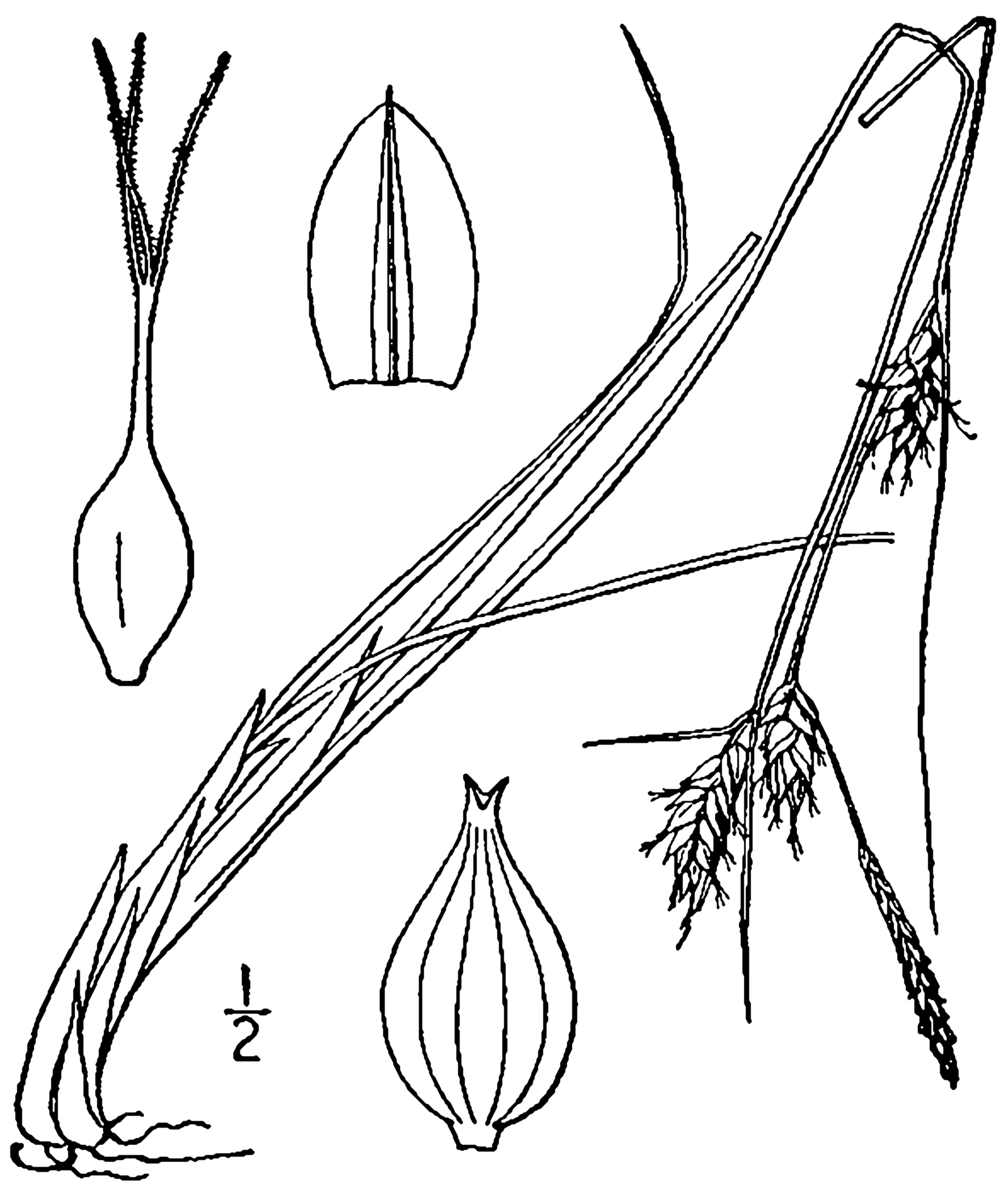
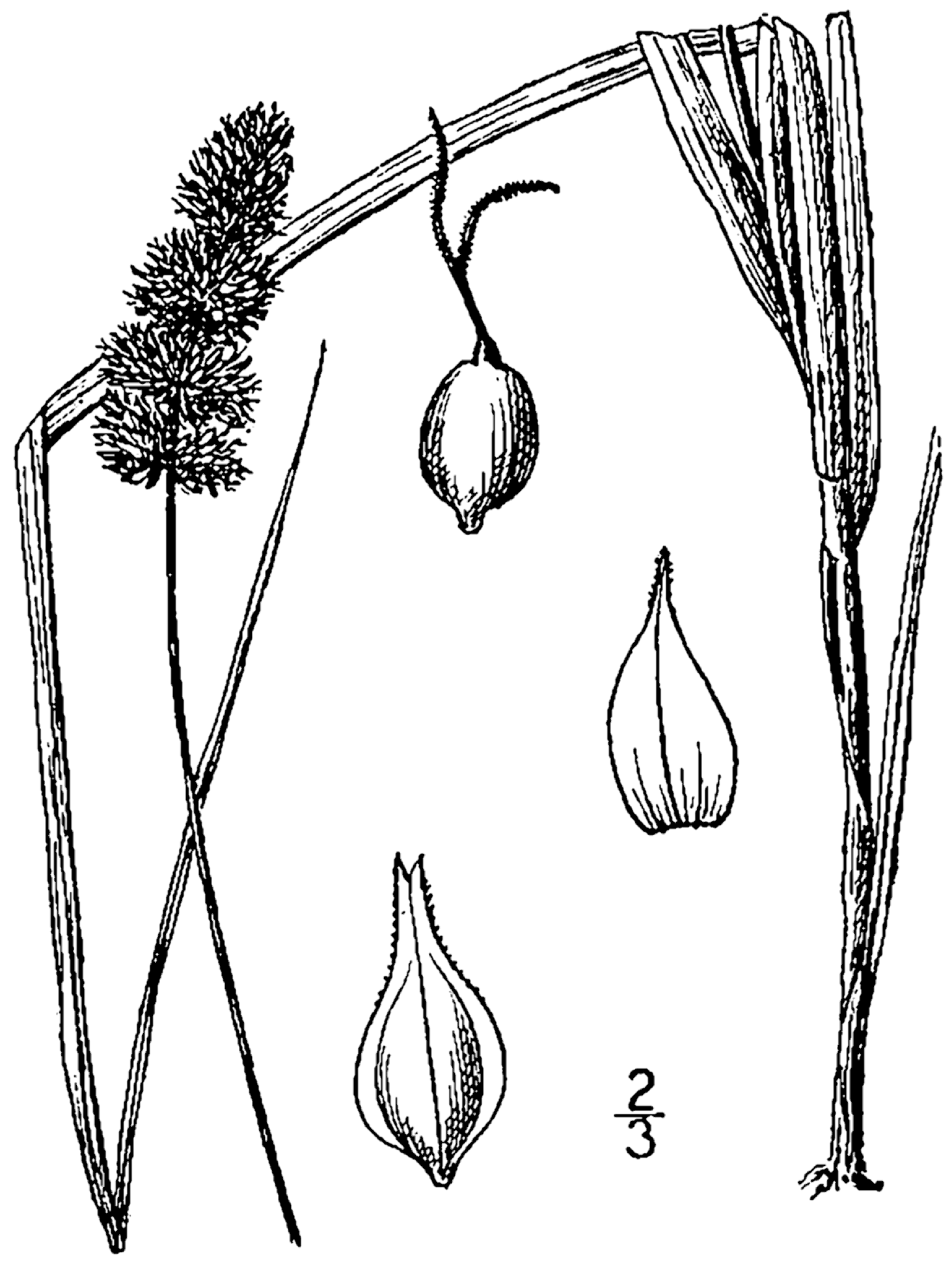
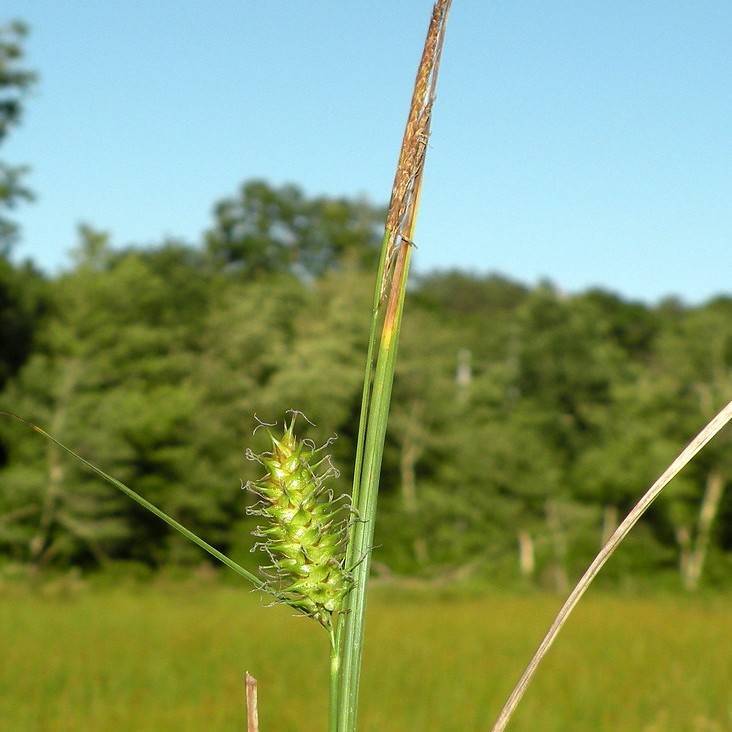
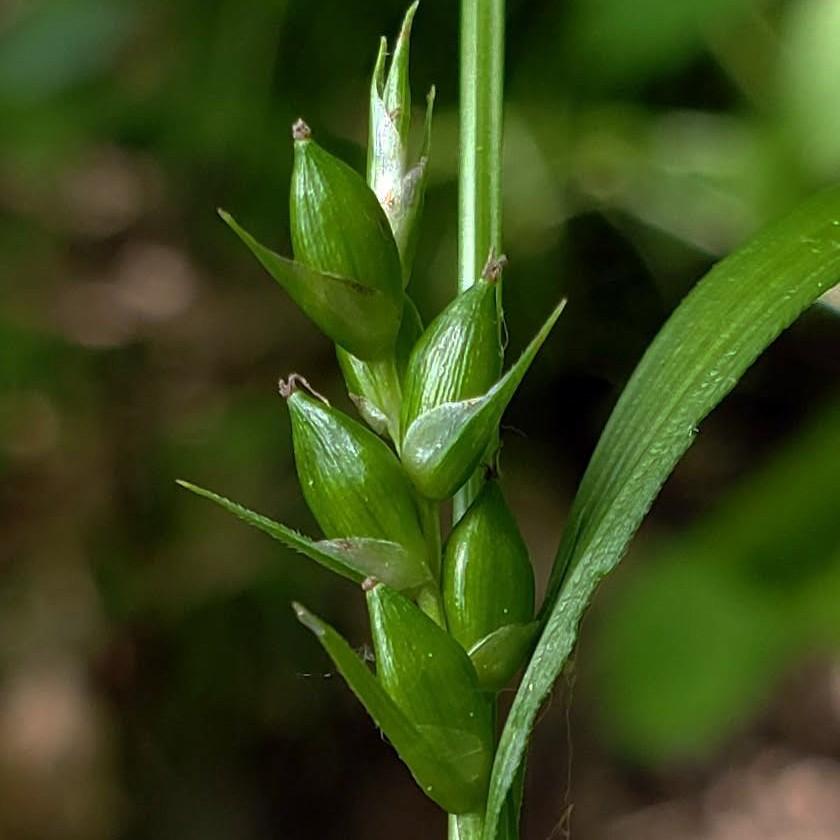
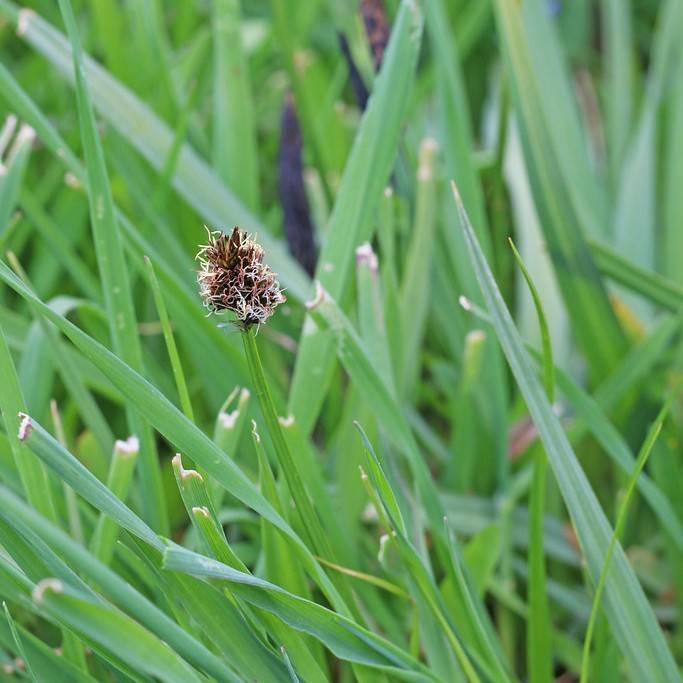
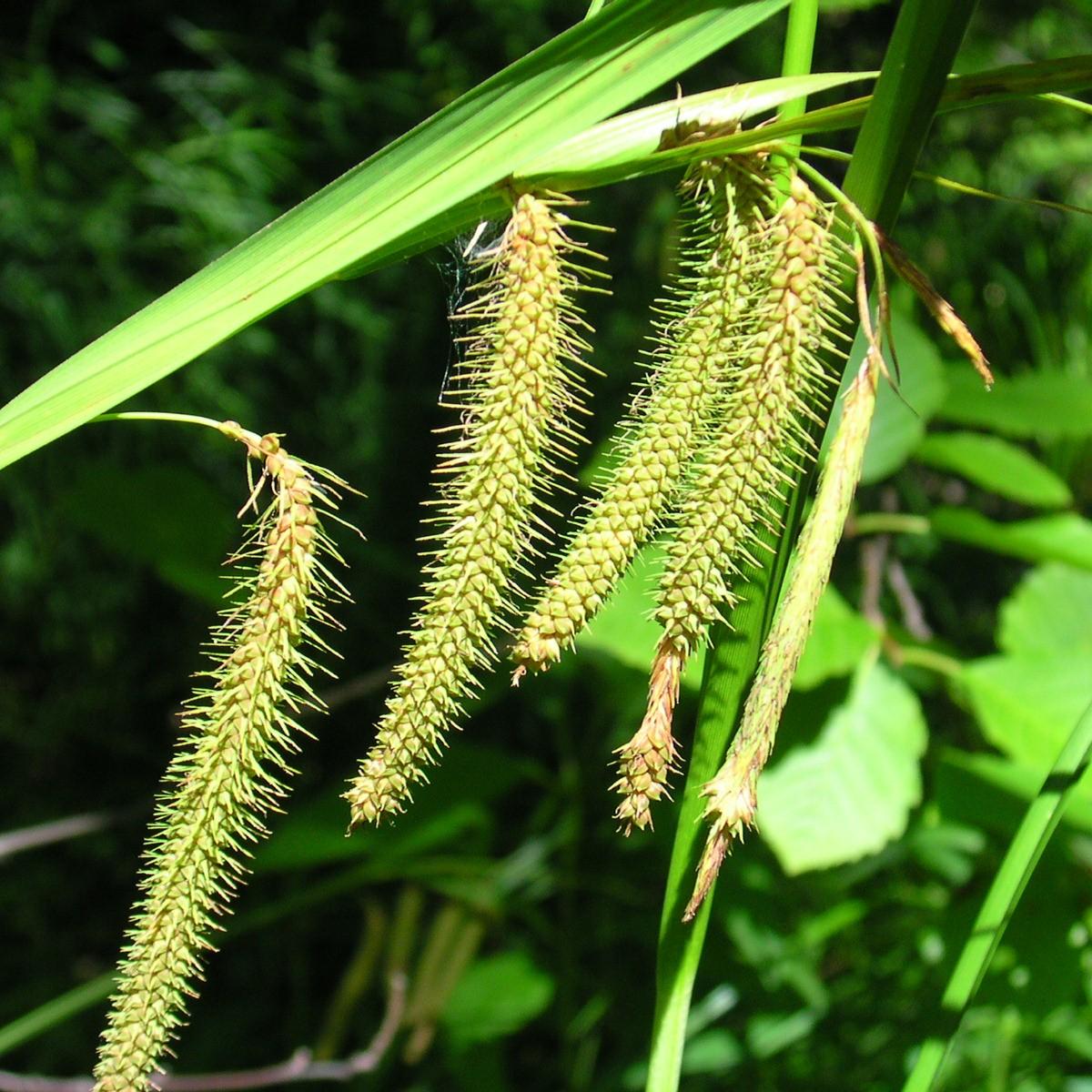
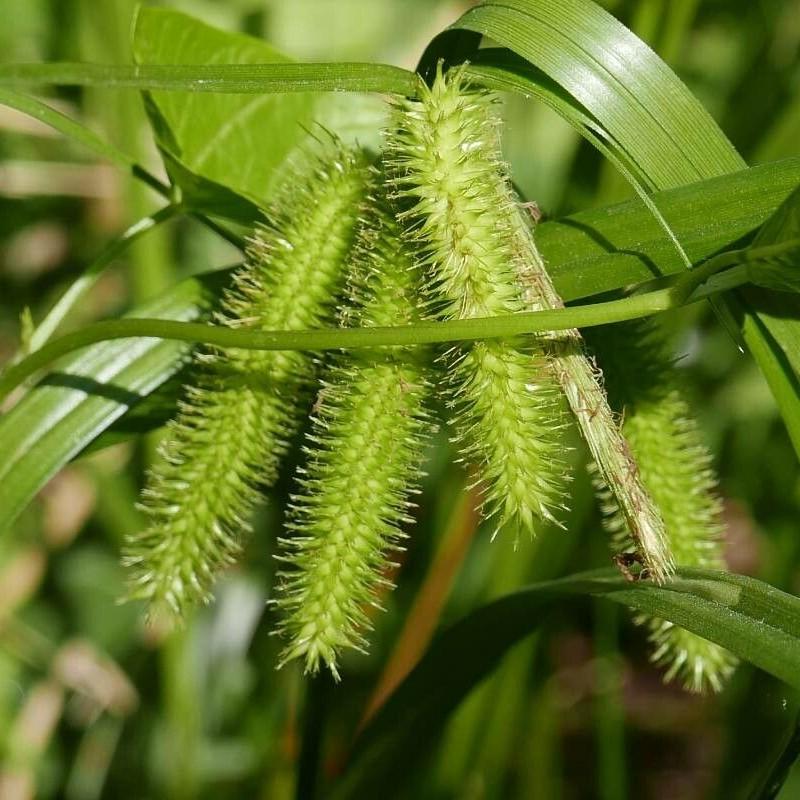
Hidden Sedge is a clump-forming wetland perennial named for its inconspicuous, bract-hidden seed heads that mature in late summer. Its soft, narrow, arching green foliage creates a dense, grass-like mound that provides valuable cover for small wetland wildlife. Adaptable to both sunny and partially shaded moist sites, it is a popular choice for native plant gardens and stormwater management projects.
Care Guide
Watering
Thrives in consistently moist to wet soil, requiring regular watering to prevent drying out, especially when grown in upland garden settings; it tolerates temporary shallow flooding of up to 6 inches for short periods. In drier conditions, water deeply 1-2 times per week to maintain soil moisture levels near saturation, avoiding prolonged drought that will cause foliage browning and dieback.
Light
Performs best in full sun to partial shade, with more consistent foliage color and denser growth occurring in locations that receive at least 4 hours of direct sunlight daily. In hotter southern climates, it benefits from afternoon shade to prevent leaf scorch during the peak of summer heat.
Soil
Prefers rich, loamy, acidic to neutral soils with high organic matter content, though it adapts to sandy or clay soils as long as moisture levels remain consistent. It does not tolerate well-drained, dry soils for extended periods, making it unsuitable for xeriscape or rock garden applications.
Fertilizer
Has low nutrient requirements and rarely needs supplemental fertilization when grown in organic-rich native soils. For poor-quality garden soils, apply a slow-release, balanced 10-10-10 fertilizer once in early spring before new growth emerges, avoiding over-fertilization that can cause floppy, weak foliage.
Temperature
Hardy in USDA zones 3 to 8, tolerating winter temperatures as low as -40°F (-40°C) when established, with foliage dying back completely in cold winters and resprouting in early spring. It tolerates summer temperatures up to 95°F (35°C) as long as soil moisture is adequate, with no significant heat stress when water needs are met.
Pruning
Requires minimal pruning; cut back all dead foliage to 2-3 inches above the soil line in late winter or early spring before new growth emerges to maintain a tidy appearance. Remove any yellow or brown individual leaves during the growing season as needed to improve the plant’s aesthetic, and trim back self-sown seedlings if spreading beyond desired bounds.
Propagation
Most easily propagated by division in early spring just as new growth begins, splitting mature clumps into 3-4 inch sections with intact roots and replanting immediately in moist soil. It can also be grown from seed sown in fall directly outdoors, as seeds require a 60-90 day cold stratification period to germinate successfully in spring.
Humidity
Tolerates a wide range of humidity levels, thriving in the high humidity of wetland and riparian environments but adapting to average garden humidity as long as soil moisture is sufficient. It does not require supplemental humidity when grown in standard garden settings, though it will suffer leaf tip browning in extremely arid conditions without extra watering.
Repotting
Rarely grown in containers, but if potted for water garden displays, repot every 2-3 years in early spring into a larger container with a rich, loamy potting mix designed for aquatic plants. Ensure containers have drainage holes and are submerged 2-6 inches below the water line in pond or water garden settings for optimal growth.
Uses & Symbolism
Hidden Sedge is widely used in native plant rain gardens, bioswales, and riparian restoration projects to control erosion, filter stormwater runoff, and provide habitat for pollinators and small wetland wildlife. It is also planted as a low-maintenance ornamental grass alternative in moist landscape beds, and its dense root system helps stabilize shorelines along ponds and streams.
Diseases & Pests
Generally pest and disease resistant, though it can develop fungal leaf spots or rust in overly crowded, poorly ventilated growing conditions with prolonged leaf wetness. Aphids and spider mites may occasionally infest foliage during hot, dry periods, but infestations are rarely severe and can be controlled with a strong stream of water or insecticidal soap if needed.
Related plants
Other plants you might like if you grow Hidden Sedge.