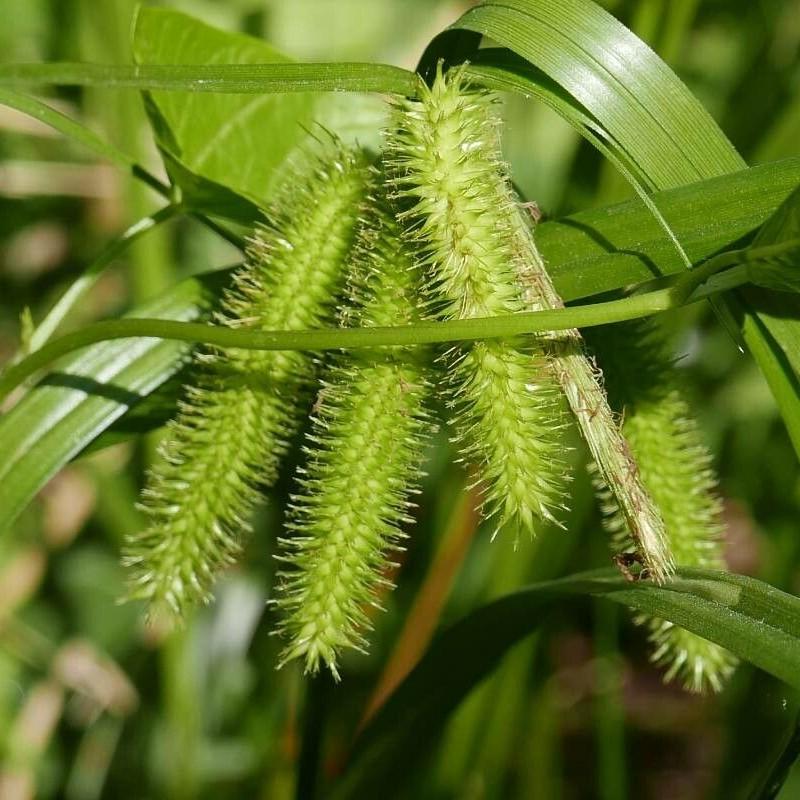
Cattail Sedge
Carex typhina
Overview
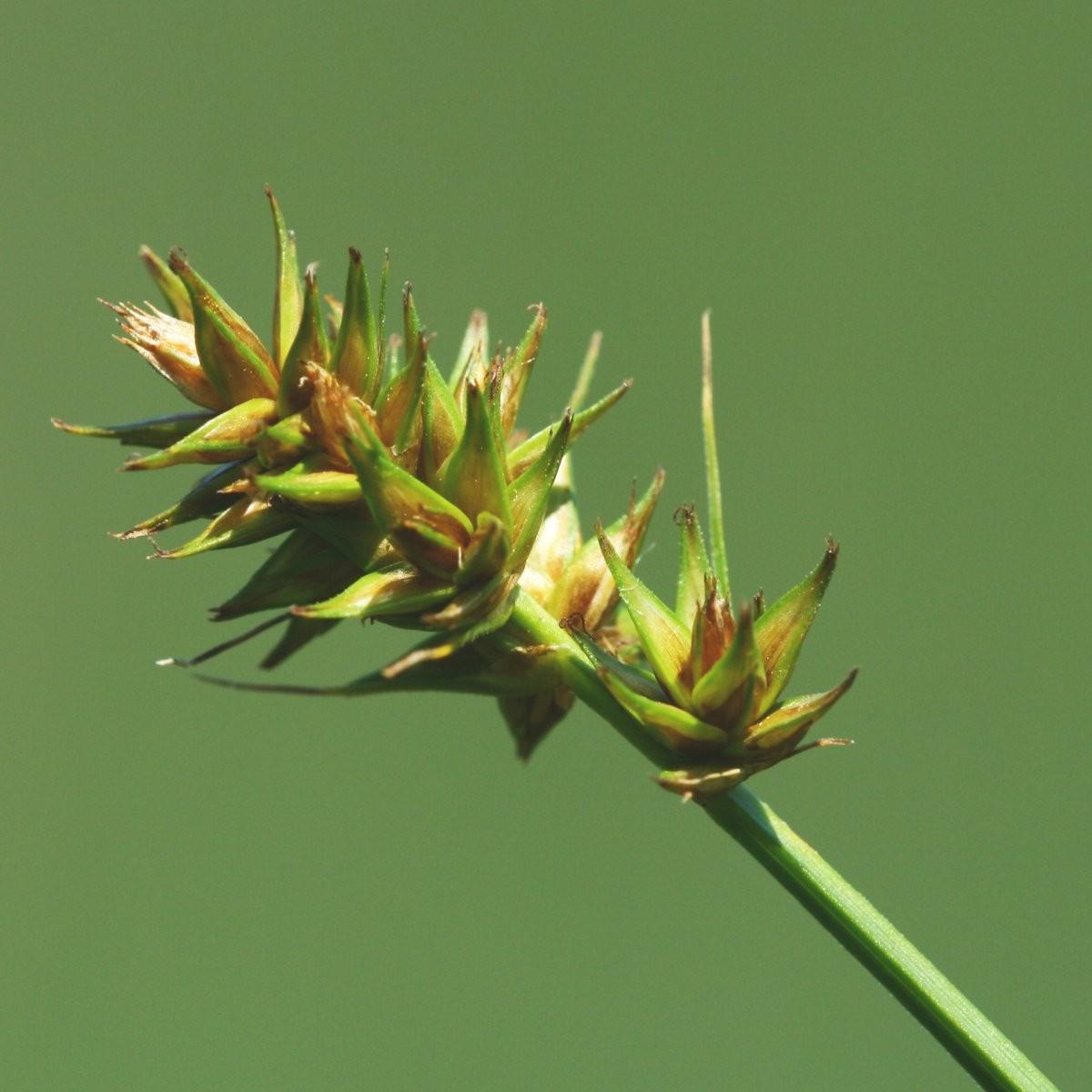
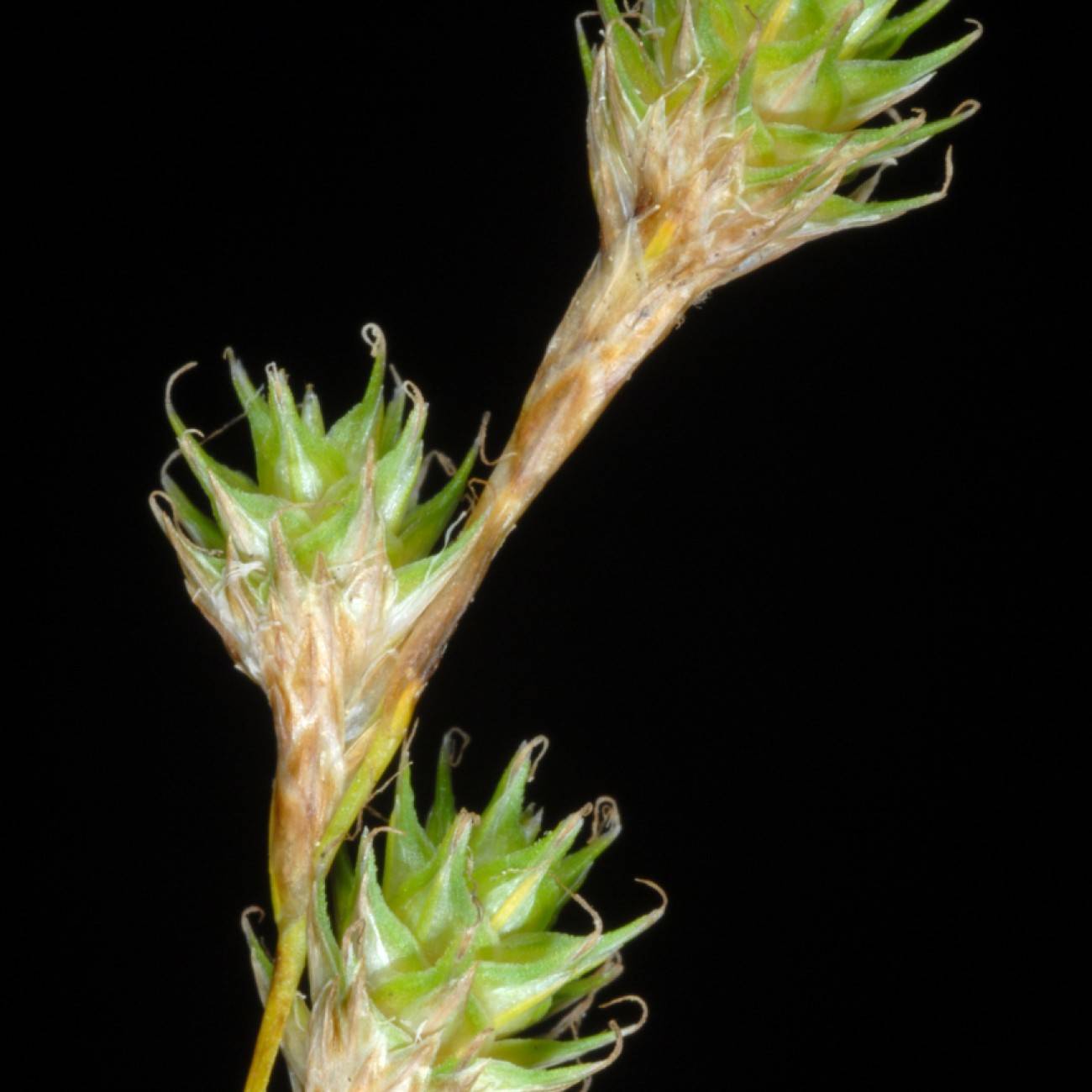
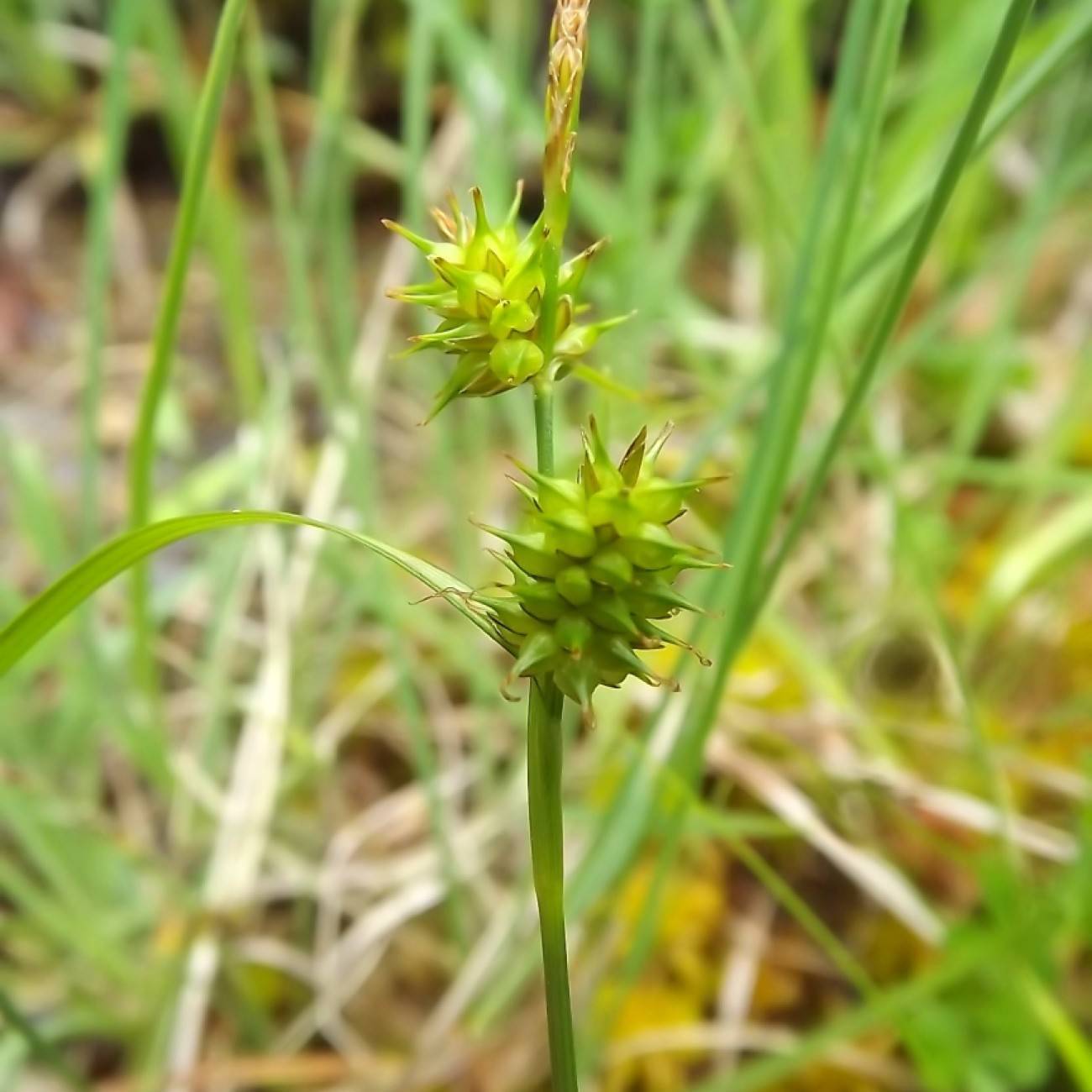
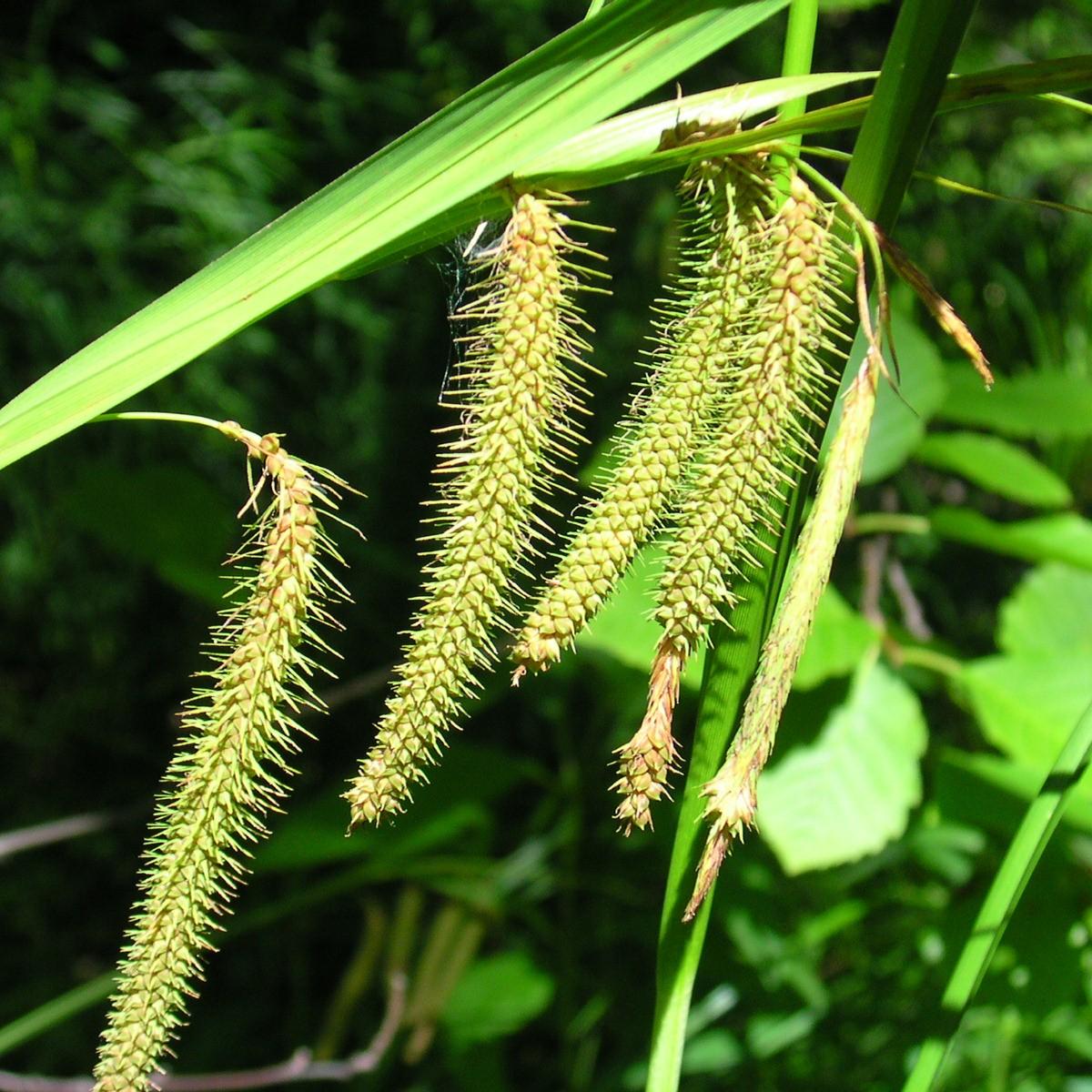
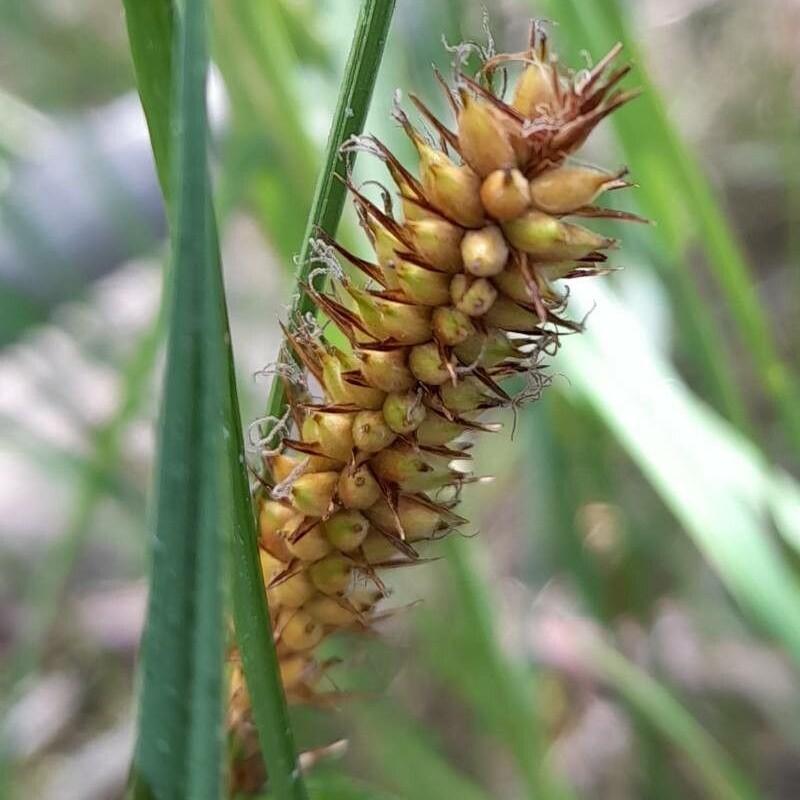
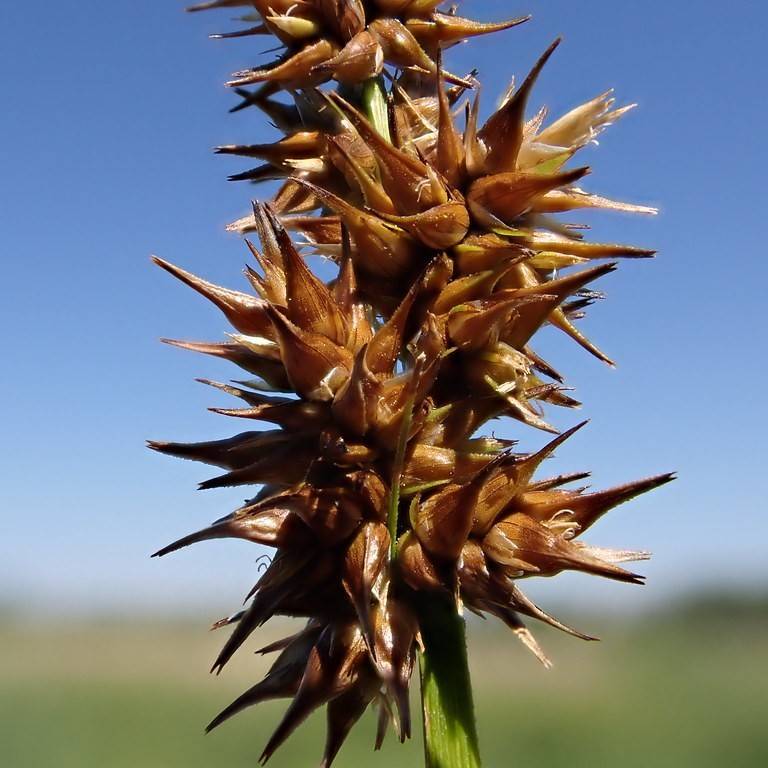
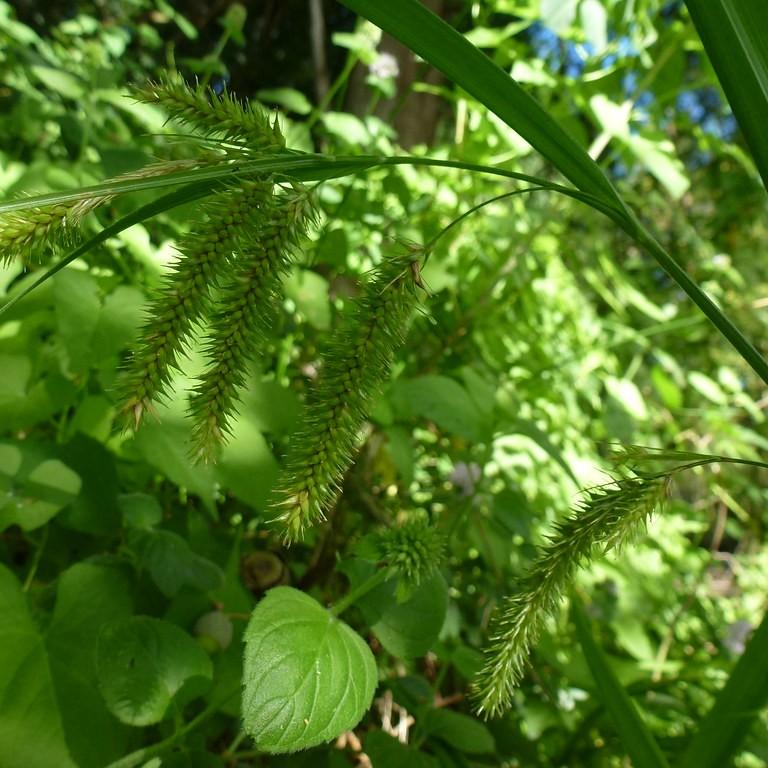
Cattail Sedge, a member of the sedge family, is named for its dense, cylindrical, spike-like seed heads that closely resemble miniature cattails, set atop triangular, grass-like green stems. It naturally thrives in moist to wet habitats including marshes, swamps, wet meadows, and the edges of ponds and streams, where it forms dense, spreading clumps that stabilize soil. Hardy in USDA zones 3 through 8, it is a popular low-maintenance choice for native plant gardens, stormwater management features, and wildlife-friendly landscapes.
Care Guide
Watering
Cattail Sedge requires consistently moist to wet soil, and can tolerate standing water up to 6 inches deep for extended periods, making it well suited to water features. Water regularly to keep soil from drying out completely; in drier garden settings, supplemental watering may be needed during extended hot, dry spells to prevent wilting. It is not drought tolerant, so avoid planting it in areas that stay dry for more than a few days at a time.
Light
This species grows best in full sun to partial shade, with at least 4 hours of direct sunlight daily to support robust growth and abundant seed head production. In hotter southern portions of its range, it benefits from light afternoon shade to prevent foliage scorch during the peak of summer. It will survive in full shade, but growth will be sparser and it will produce fewer of its distinctive seed heads.
Soil
Cattail Sedge adapts to a wide range of soil types including clay, loam, and sandy soil, as long as moisture levels are consistently high. It tolerates acidic, neutral, and slightly alkaline pH levels, and thrives in organically rich, mucky wet soils common to its native wetland habitats. It can tolerate poorly drained, waterlogged soil that would cause root rot in most other ornamental garden plants.
Fertilizer
Fertilization is rarely necessary for cattail sedge planted in its native wetland habitats or organically rich garden soil, as it obtains sufficient nutrients from decaying organic matter in its environment. If planted in poor, sandy soil with low organic content, apply a balanced, slow-release granular fertilizer in early spring at half the recommended rate to support new growth. Avoid over-fertilizing, as this can lead to excessive, floppy foliage growth and reduce the plant's natural hardiness.
Temperature
Cattail Sedge is extremely cold hardy, surviving winter temperatures as low as -40°F (-40°C) in USDA zone 3, with foliage dying back completely to the ground in late fall after frost. It tolerates summer temperatures up to 95°F (35°C) as long as adequate soil moisture is maintained, though extended heat without water will cause foliage to brown and die back. It goes dormant during cold winter months, with new green shoots emerging in early spring once soil temperatures rise above 40°F (4°C).
Pruning
Pruning is minimal for Cattail Sedge; cut back all dead, brown foliage to a height of 2-3 inches above the ground in late winter or early spring, just before new growth emerges. You can remove spent seed heads in late fall if you prefer a neater appearance, but leaving them in place provides food for seed-eating birds and adds winter interest to the landscape. Thin out overcrowded clumps every 3-4 years during dormancy to improve air circulation and prevent overgrowth.
Propagation
Cattail Sedge is most easily propagated by division in early spring, just as new shoots begin to emerge; dig up entire clumps, split them into smaller sections with at least 3-5 healthy shoots each, and replant immediately in moist soil. It can also be grown from seed, which should be sown in fall directly on the surface of moist, cold soil to satisfy its natural cold stratification requirement for germination. Seeds sown indoors require 60-90 days of cold, moist stratification in the refrigerator before being moved to a warm, bright location to sprout.
Humidity
Cattail Sedge thrives in moderate to high humidity levels typical of its native wetland habitats, and tolerates average garden humidity as long as soil moisture is kept consistent. It does not perform well in very dry, low-humidity indoor environments, so it is rarely grown as a houseplant. In arid climates, misting or placing it near a water feature can help raise local humidity to support healthy foliage growth.
Repotting
Cattail Sedge is rarely grown in containers, but if planted in a pot for a patio water feature, repot every 2-3 years in early spring before new growth begins to refresh the soil and prevent roots from becoming pot bound. Use a heavy, loamy potting mix designed for aquatic plants, and select a pot with no drainage holes to retain consistent water levels around the roots. When repotting, divide overgrown clumps to maintain a manageable size for the container, and keep the pot submerged in 2-6 inches of water at all times.
Uses & Symbolism
Cattail Sedge is widely planted in rain gardens, bioswales, and along the edges of ponds and streams to stabilize soil, reduce erosion, and filter excess nutrients and pollutants from stormwater runoff. Its dense clumps provide cover and nesting sites for wetland birds, amphibians, and small mammals, while its seed heads are a valuable food source for songbirds and waterfowl throughout fall and winter. It is also used in native plant landscapes and naturalized meadows for its low maintenance requirements, attractive grass-like foliage, and distinctive decorative seed heads that add seasonal interest.
Diseases & Pests
Cattail Sedge is largely pest and disease free when grown in its preferred moist, well-aerated conditions, though overcrowded clumps with poor air circulation may occasionally develop fungal leaf spots or rust. Common wetland pests such as aphids and spider mites may infest foliage during extended hot, dry periods, but these are easily controlled with a strong spray of water or insecticidal soap if populations become large. Root rot can occur if the plant is planted in dry soil that alternates between extreme wetness and dryness, so consistent moisture levels are key to preventing this issue.
Related plants
Other plants you might like if you grow Cattail Sedge.