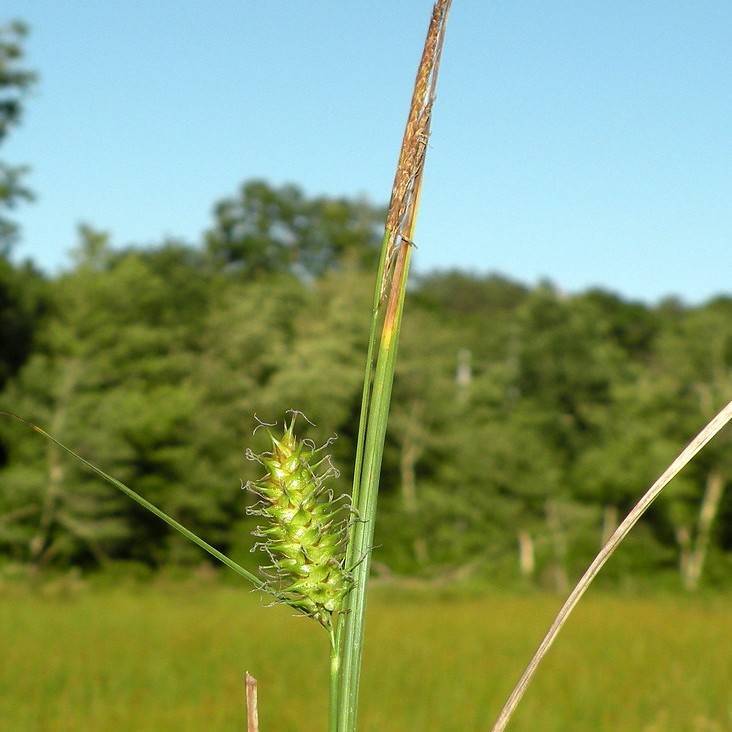
Button Sedge
Carex appressa
Overview
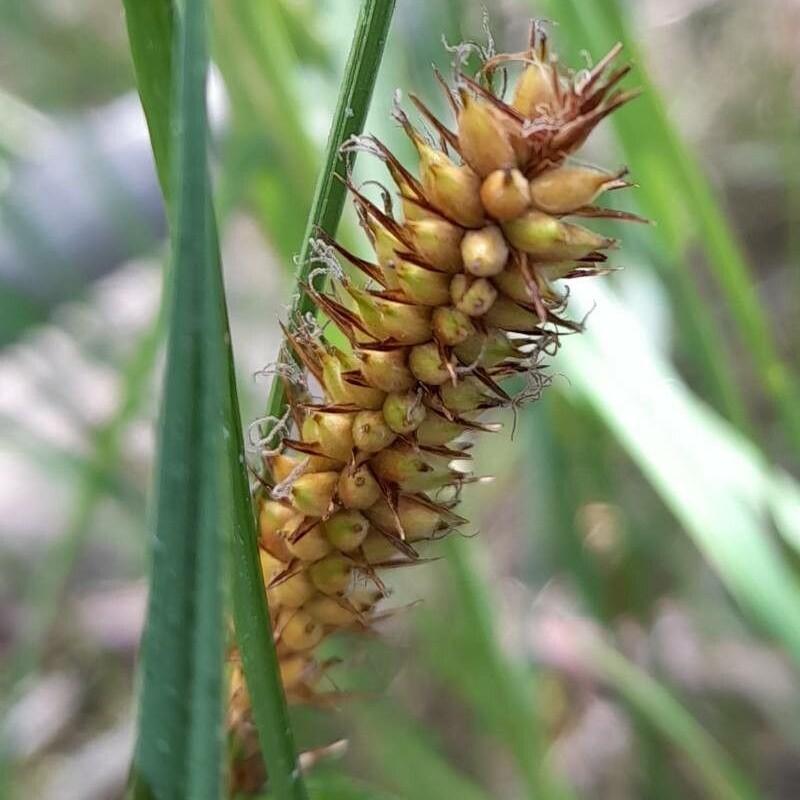
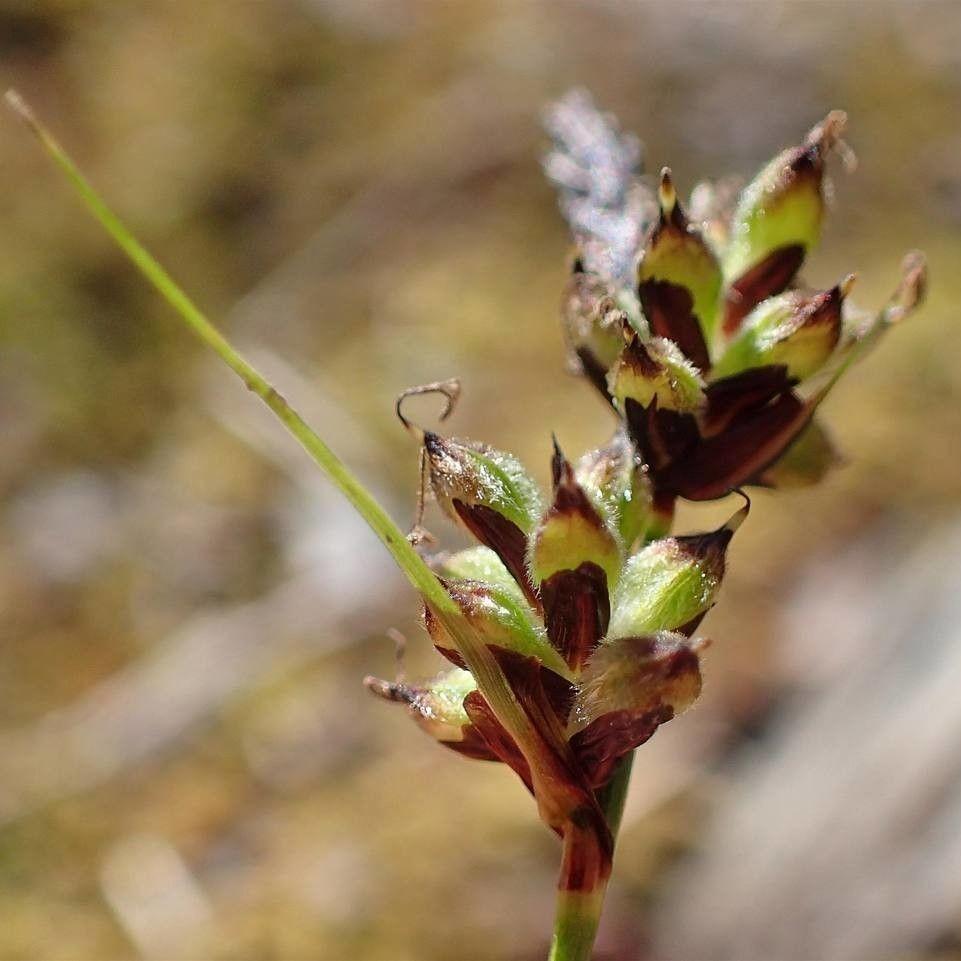
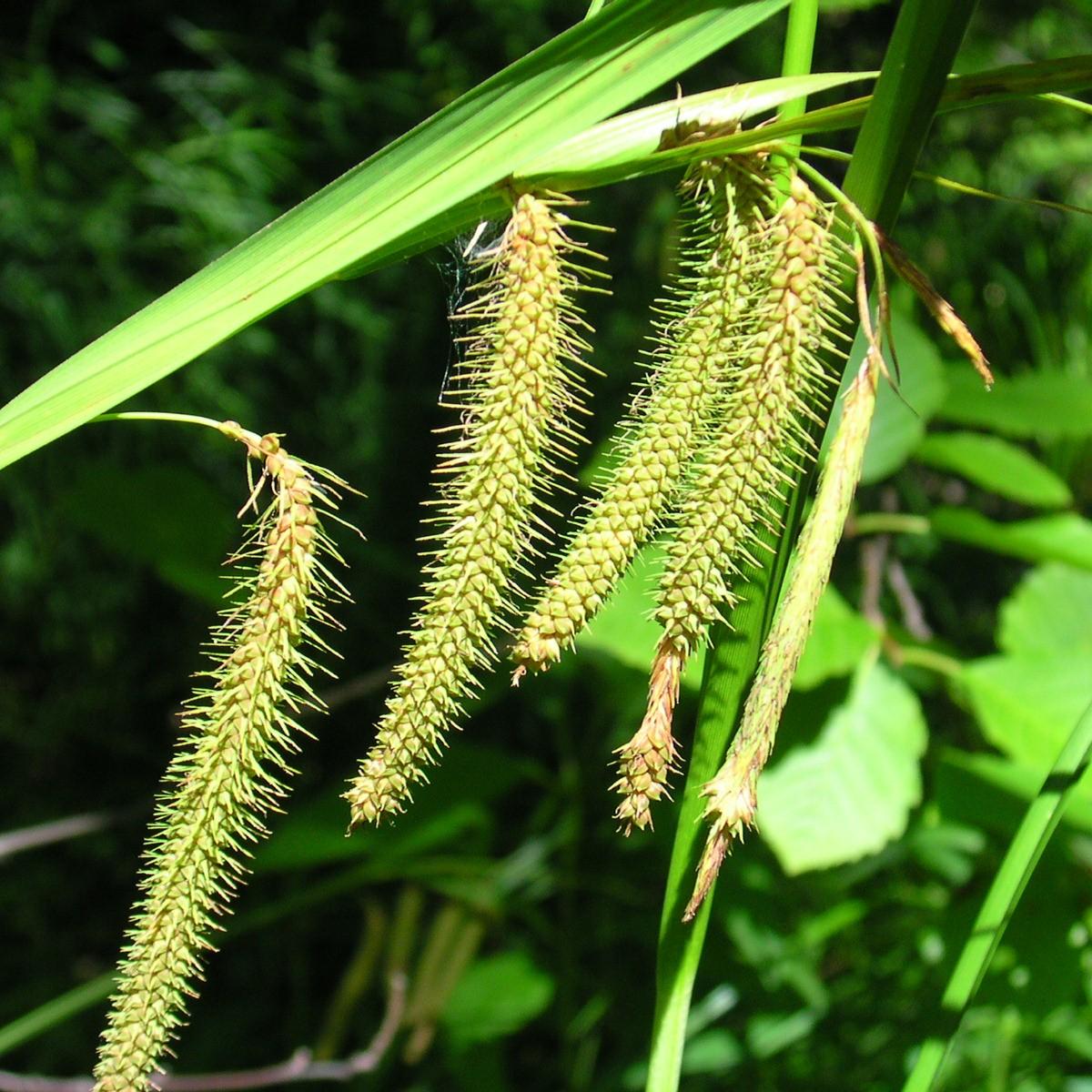
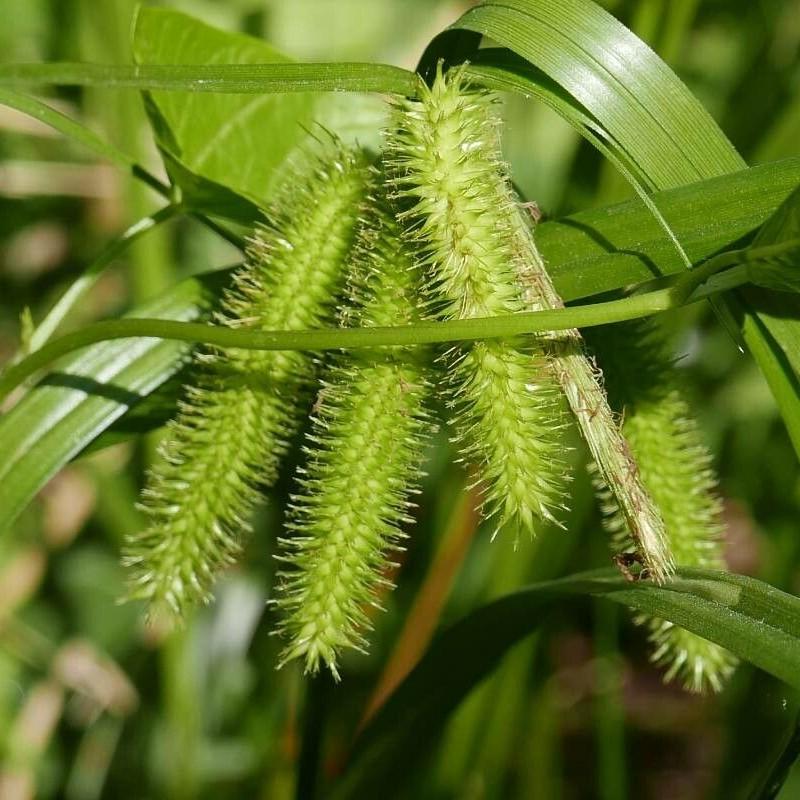
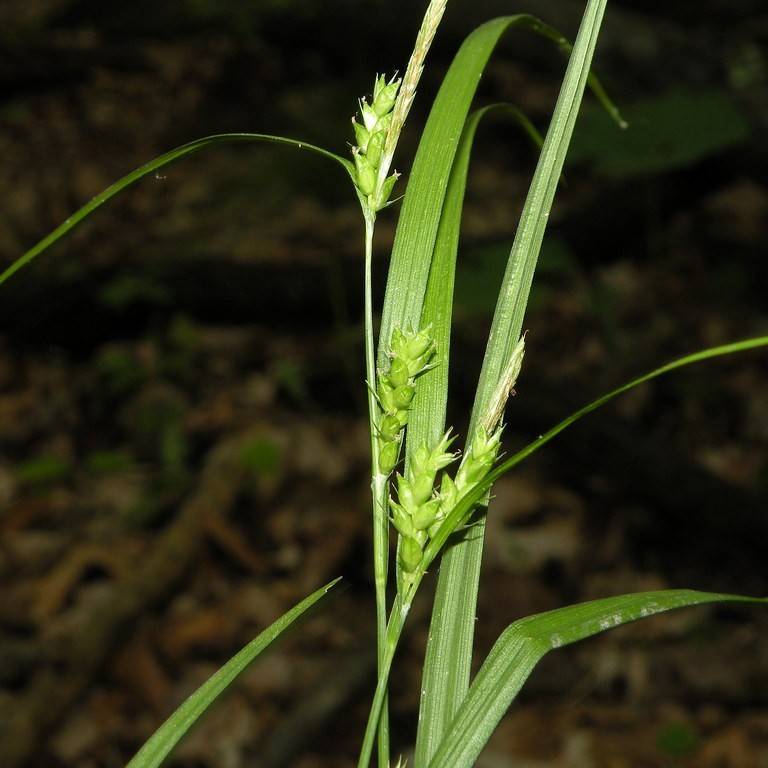
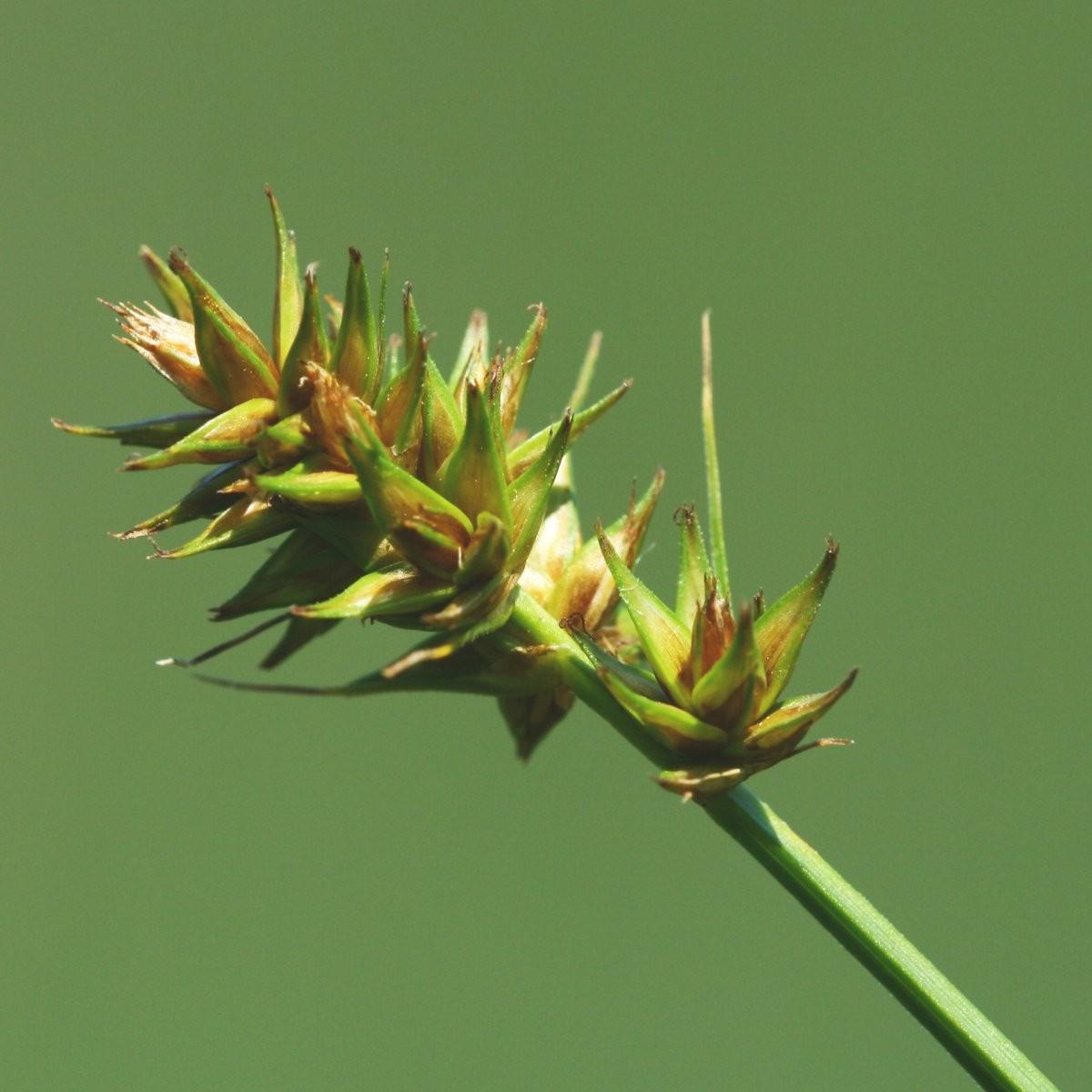
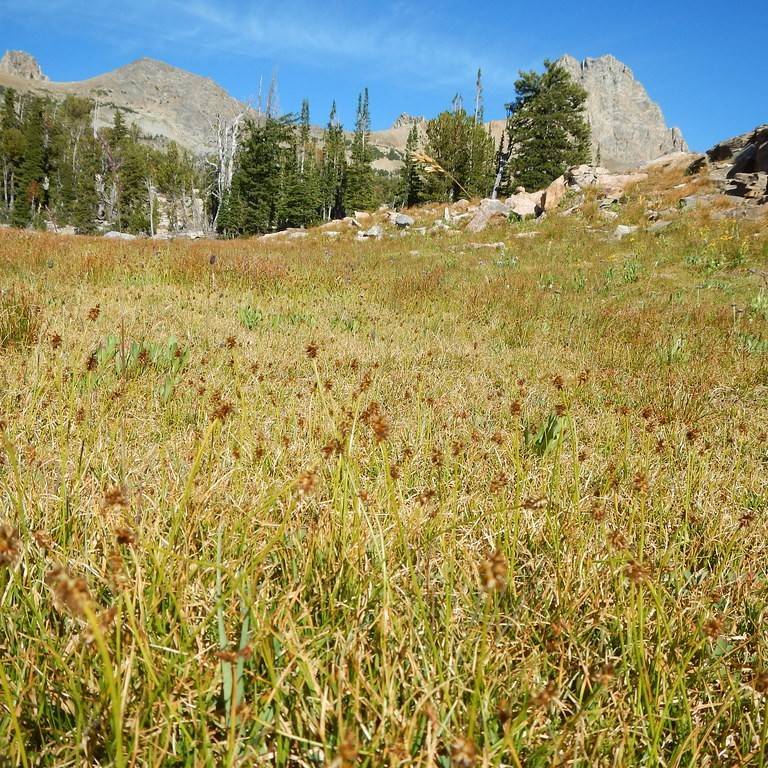
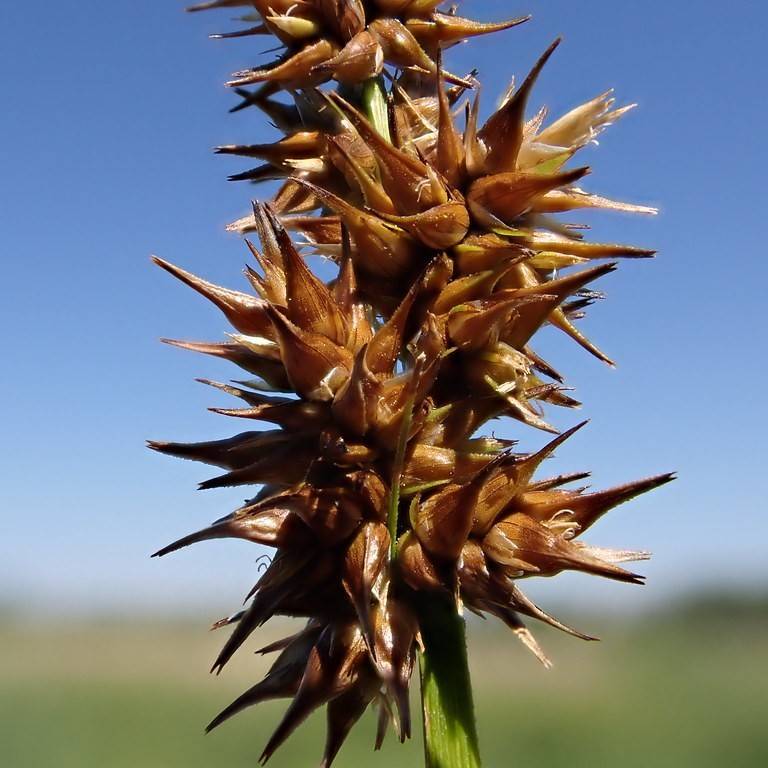
Button Sedge is a dense, tufted evergreen sedge distinguished by its stiff, narrow green leaves and small, rounded, brownish seed heads that resemble tiny buttons, borne atop upright stems from spring to summer. It naturally thrives in wet, low-lying environments including marshes, stream banks, and wet meadows, making it highly tolerant of periodic flooding and saturated soils. Hardy in USDA zones 8 to 11, it spreads slowly via short rhizomes to form neat, non-invasive clumps that provide year-round structural interest in garden landscapes.
Care Guide
Watering
Button Sedge requires consistently moist to wet soil, so water regularly to keep the root zone never fully dry, especially during periods of drought. It can tolerate standing water up to 6 inches deep for extended periods, making it well suited to pond edges or rain garden depressions. Reduce watering slightly only in cooler winter months when growth slows, but never allow soil to become completely parched.
Light
This sedge grows best in full sun to partial shade, with at least 4 hours of direct sunlight daily to encourage dense foliage and abundant seed head production. In hotter, drier climates, provide afternoon shade to prevent leaf scorch and reduce moisture loss from the soil. It can tolerate deeper shade, though growth may become sparser and flowering may be reduced.
Soil
Button Sedge adapts to a wide range of soil types, including clay, loam, and sandy soils, as long as they retain moisture well. It thrives in slightly acidic to neutral pH levels between 5.5 and 7.5, and can even tolerate poorly drained, boggy soils that are unsuitable for most other ornamental plants. Avoid planting in fast-draining, sandy soils that dry out rapidly unless you can supplement with frequent watering.
Fertilizer
Button Sedge is a low-feeding plant that rarely requires regular fertilization when grown in nutrient-rich garden soil. If grown in poor, depleted soils, apply a balanced, slow-release granular fertilizer in early spring before new growth emerges to support healthy foliage development. Avoid over-fertilizing, as this can cause overly lush, weak growth that is prone to flopping.
Temperature
It prefers mild to warm temperatures between 60 and 85°F (15 to 29°C), and is hardy to light frosts down to 20°F (-7°C) once established. In regions with heavy, prolonged freezes, provide a thick layer of mulch over the root zone in late fall to insulate roots from extreme cold. Extreme heat above 95°F (35°C) may cause leaf tip browning if soil moisture is insufficient.
Pruning
Prune Button Sedge once annually in late winter or early spring, cutting back the entire clump to 2-3 inches above the soil line to remove dead, brown foliage and make way for fresh new growth. Trim away any damaged or yellowed leaves throughout the growing season as needed to maintain a neat appearance. Deadheading spent seed heads is optional, as they provide winter interest and food for native bird species.
Propagation
Button Sedge is most easily propagated by division in early spring just as new growth begins, digging up mature clumps and splitting them into smaller sections with a sharp knife, each with a healthy portion of roots and foliage. It can also be grown from seed sown directly onto moist, bare soil in fall or early spring, as seeds require a period of cold stratification to germinate successfully. Keep propagated divisions or newly sown seeds consistently moist until they are fully established.
Humidity
It tolerates a wide range of humidity levels, from moderate coastal humidity to drier inland conditions, as long as soil moisture is consistent. It thrives in the high humidity of wetland and riparian environments, but will adapt to average household humidity if grown as a container houseplant near a water feature. Low humidity below 40% may cause minor leaf tip browning, which can be mitigated by increasing watering frequency.
Repotting
If grown in containers, repot Button Sedge every 2-3 years in early spring, moving it to a slightly larger pot with fresh, moisture-retentive potting mix. Ensure the container has adequate drainage holes, but consider using a saucer kept filled with a small amount of water to maintain consistent soil moisture. Trim back any overgrown rhizomes or roots during repotting to keep the clump a manageable size for its container.
Uses & Symbolism
Button Sedge is widely used in native landscaping, rain gardens, and bioswales for its ability to absorb excess stormwater, filter pollutants, and prevent soil erosion along stream banks and slopes. Its dense clumps provide shelter and nesting material for small wetland wildlife, while its seed heads are a food source for native finches and other seed-eating birds. It is also grown as an ornamental edging plant for water features, in bog gardens, or as a low-maintenance container plant for patios with consistent access to moisture.
Diseases & Pests
Button Sedge is largely pest and disease resistant, though it may occasionally be affected by rust, a fungal disease that causes orange pustules on leaves, in overly humid conditions with poor air circulation. Aphids and spider mites may infest foliage during prolonged dry, warm periods, which can be controlled with a strong spray of water or insecticidal soap. Overly saturated, stagnant soil in low-airflow areas may lead to root rot, so avoid planting in areas with completely still, uncirculated standing water for extended periods.
Related plants
Other plants you might like if you grow Button Sedge.