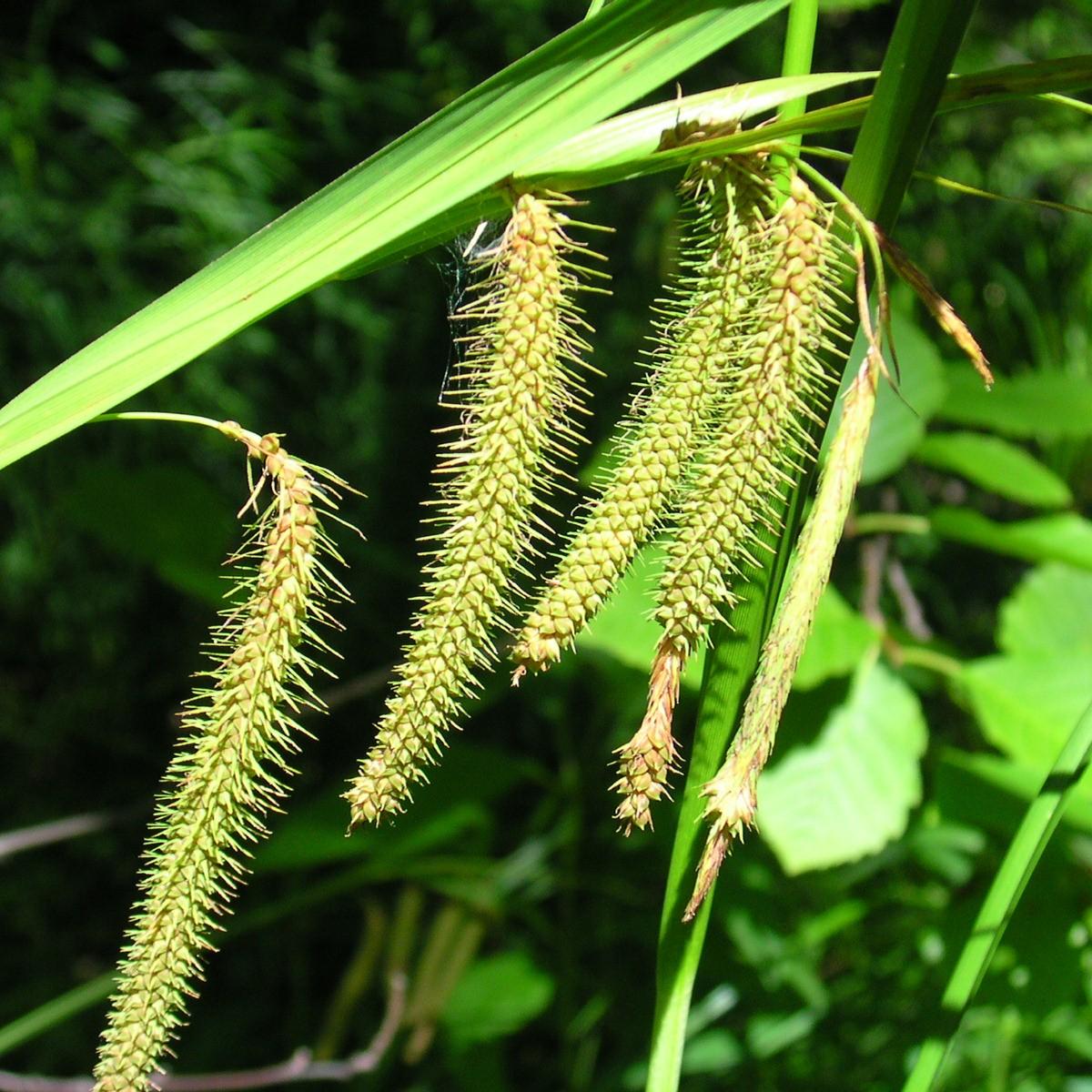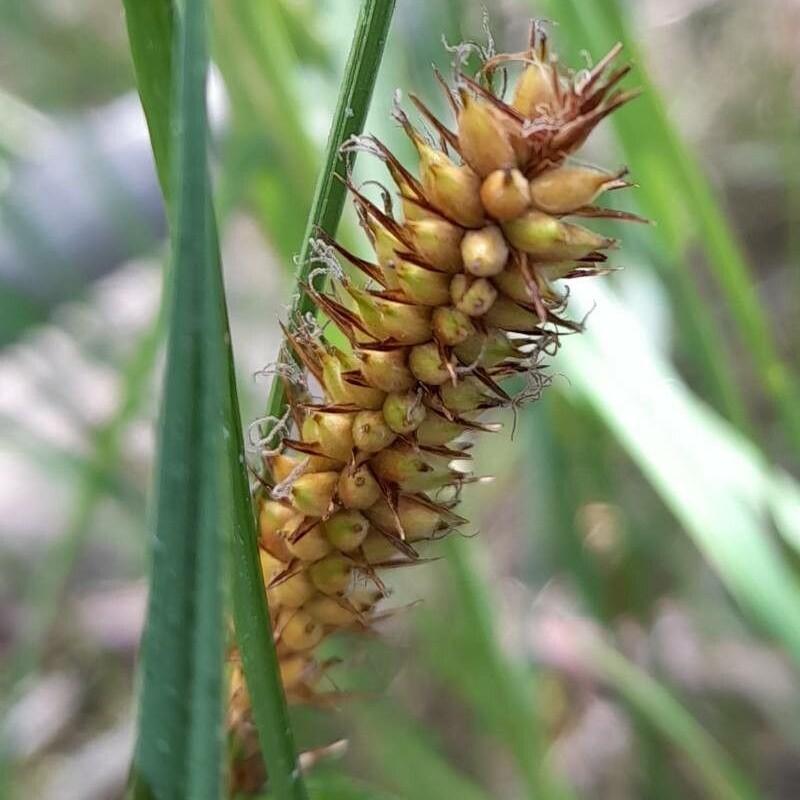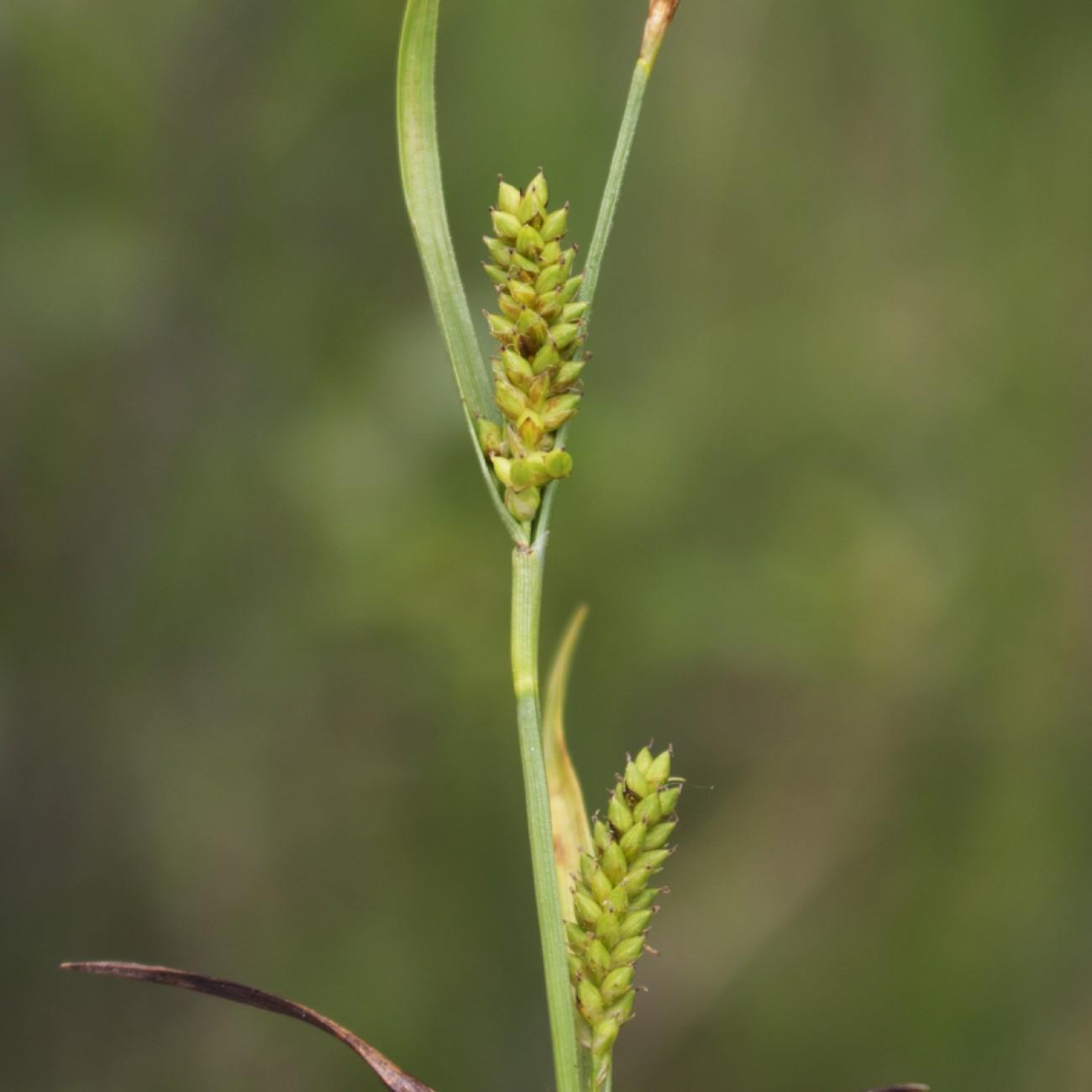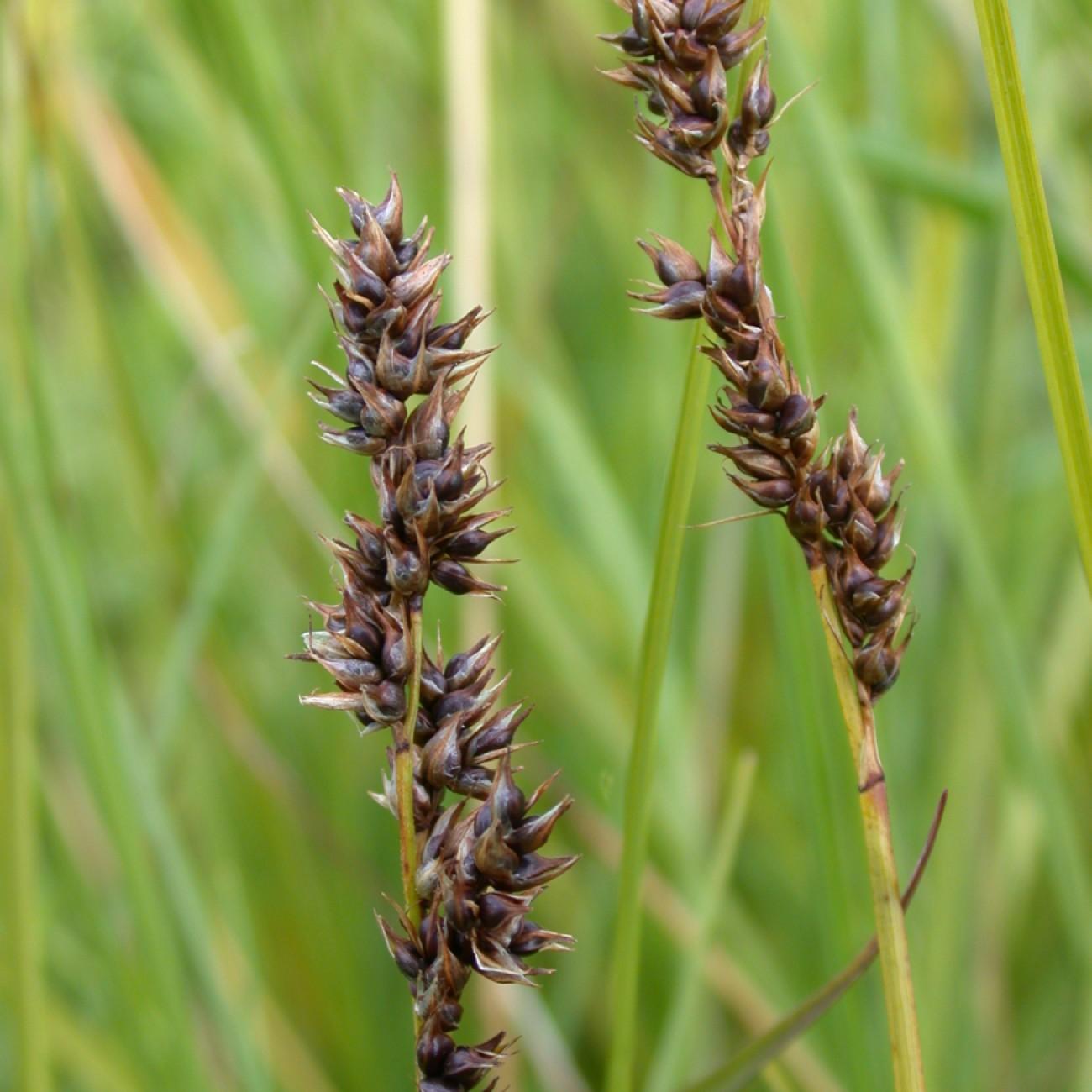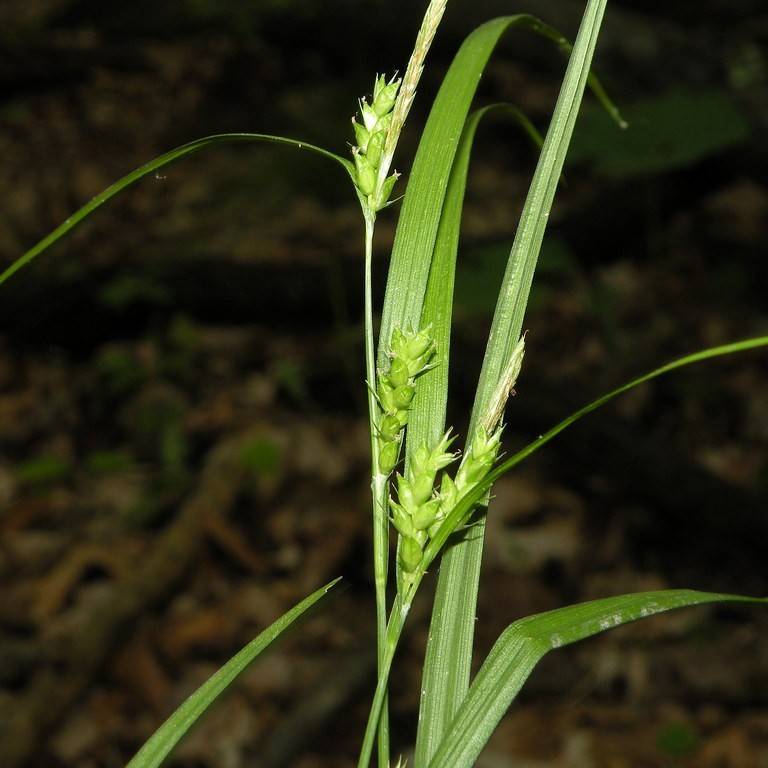
Eastern Narrowleaf Sedge
Carex amphibola
Overview
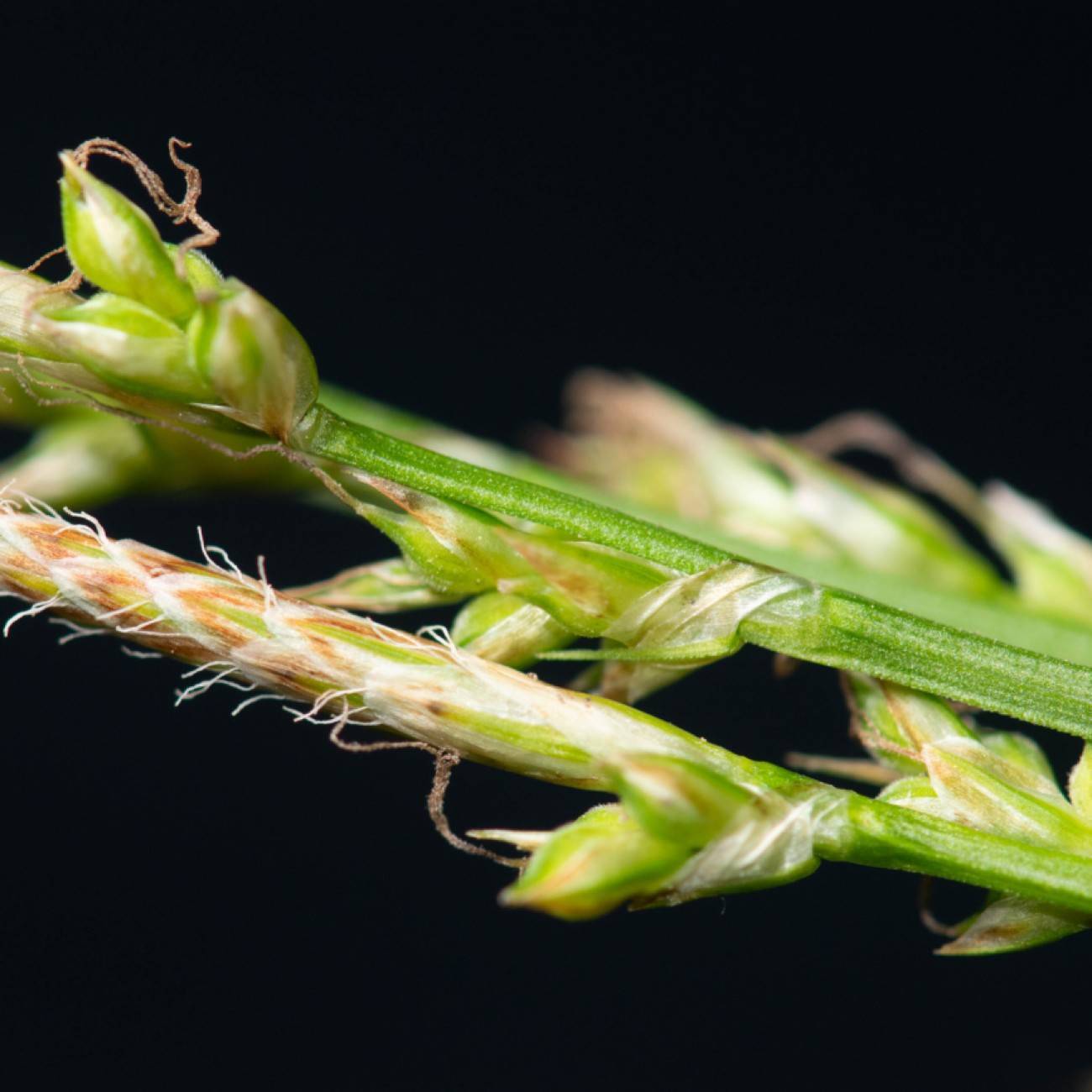
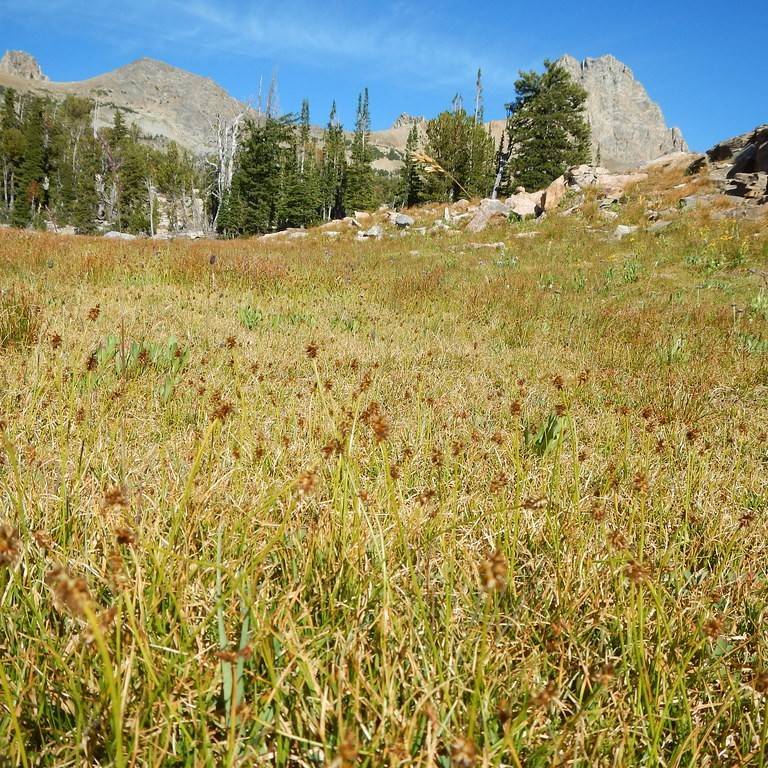
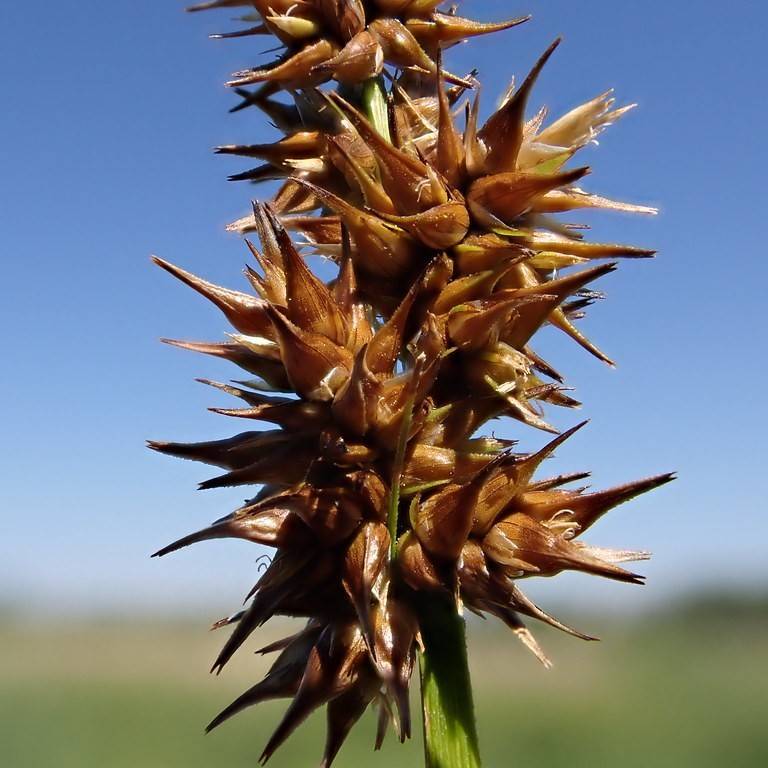
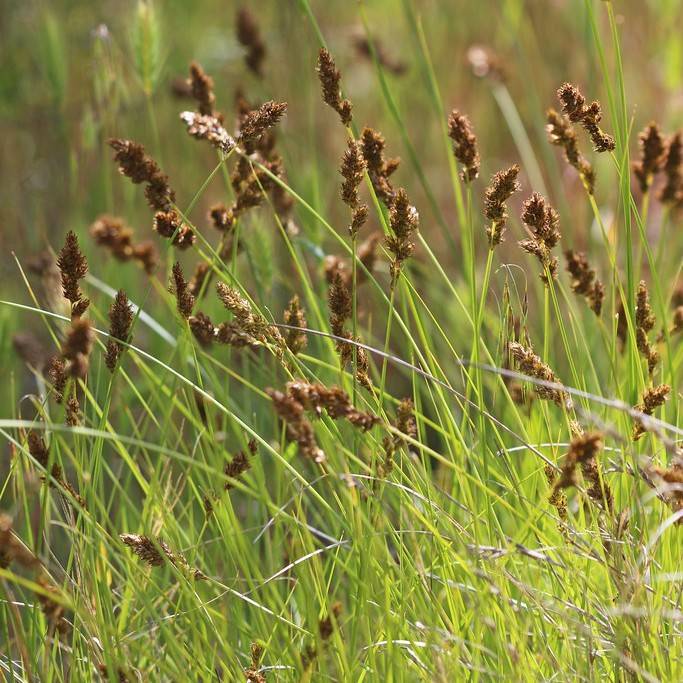
Eastern Narrowleaf Sedge is a hardy, clumping herbaceous perennial that forms dense mounds of fine, narrow, bright green to blue-green foliage that cascades gently as it matures. It is a cool-season grower, putting on most of its new growth in spring and fall, and produces inconspicuous greenish-brown flower spikes in late spring to early summer. Adaptable to a wide range of conditions, it is a popular native plant choice for low-maintenance landscapes, rain gardens, and erosion control projects.
Care Guide
Watering
Eastern Narrowleaf Sedge tolerates both occasional flooding and moderate drought once established, though it performs best with consistent moisture, receiving 1-2 inches of water per week during active growth. Reduce watering frequency in winter when growth slows, allowing the top 1-2 inches of soil to dry out between applications. Avoid overwatering in poorly drained soils to prevent root rot, though it can withstand short periods of standing water.
Light
This sedge thrives in partial to full shade, making it ideal for woodland settings or areas with dappled sunlight throughout the day. It can tolerate full sun if planted in consistently moist soils, but foliage may scorch in hot, dry, full-sun exposures without supplemental irrigation. Too much direct midday sun in warmer climates will cause leaf browning and reduced vigor.
Soil
Eastern Narrowleaf Sedge adapts to a wide range of soil types, including loam, clay, sandy soils, and rocky substrates, with a preferred pH range of 5.5 to 7.5. It grows best in rich, moist, well-drained soils high in organic matter, but can handle poor, compacted soils better than many ornamental grasses. It tolerates both seasonally saturated soils and dry, upland sites once established.
Fertilizer
This low-maintenance sedge rarely needs supplemental fertilization, especially when planted in soils with moderate organic content. If grown in poor, nutrient-depleted soils, apply a balanced, slow-release 10-10-10 fertilizer in early spring at half the recommended rate to support new growth. Avoid overfertilizing, as this can cause floppy, overly lush growth that is more prone to pest damage and lodging.
Temperature
Eastern Narrowleaf Sedge is cold hardy in USDA zones 3 through 8, tolerating winter temperatures as low as -40°F (-40°C) without protective mulch in most areas. It prefers cool spring and fall temperatures, and may go semi-dormant during extended periods of summer heat above 90°F (32°C), especially if moisture is limited. Winter foliage remains semi-evergreen in milder parts of its range, dying back completely in colder northern regions.
Pruning
Prune Eastern Narrowleaf Sedge in late winter or early spring before new growth emerges, cutting back dead foliage to 2-3 inches above the soil line to make room for fresh, new leaves. Remove any brown, damaged foliage or spent flower spikes at any point during the growing season to maintain a tidy appearance. Avoid heavy pruning during the hot summer months, as this can stress the plant and reduce its drought tolerance.
Propagation
The easiest method of propagation is division, performed in early spring before new growth starts or in early fall, by digging up mature clumps and separating them into smaller sections with at least 3-5 healthy shoots each, replanting immediately at the same depth as the original plant. It can also be grown from seed, which requires a 60-day period of cold stratification to break dormancy, sown outdoors in fall or stratified and sown indoors in late winter. Seed-grown plants will take 2-3 years to reach mature clumping size, while divided clumps establish quickly in one growing season.
Humidity
This native sedge adapts to a wide range of humidity levels, thriving in the moderate to high humidity of its native eastern North American habitats, but tolerating low humidity levels in drier inland areas as long as soil moisture is adequate. It does not require supplemental humidity when grown in garden settings, though indoor potted specimens benefit from occasional misting if indoor humidity drops below 30% for extended periods. High humidity combined with poor air circulation can increase the risk of foliar fungal diseases, so space plants 12-18 inches apart to promote airflow.
Repotting
When grown in containers, Eastern Narrowleaf Sedge should be repotted every 2-3 years in early spring before new growth emerges, or when roots begin to grow out of the drainage holes at the bottom of the pot. Choose a pot with ample drainage holes, and use a well-drained, loamy potting mix amended with compost to provide organic matter. After repotting, water thoroughly and place in a partially shaded location for 1-2 weeks to allow the plant to acclimate before resuming normal care.
Uses & Symbolism
Eastern Narrowleaf Sedge is widely used in native plant landscapes, rain gardens, and bioswales for its ability to absorb excess stormwater, prevent soil erosion on slopes, and support local pollinators and beneficial insects, including several species of native bees and caterpillars that feed exclusively on Carex species. It works well as a low-maintenance groundcover in shaded areas where traditional lawn grasses struggle, and its fine, arching foliage provides soft texture contrast when planted alongside broad-leaved perennials and woodland wildflowers. It is also a popular choice for riparian restoration projects, as it stabilizes stream banks and provides habitat for small aquatic and terrestrial wildlife.
Diseases & Pests
Eastern Narrowleaf Sedge is largely pest and disease resistant, with few serious issues when grown in suitable conditions. Overly wet, poorly drained soils with poor air circulation can lead to fungal root rot and foliar rust diseases, which present as yellowing leaves, stunted growth, or orange-brown pustules on leaf surfaces. Common occasional pests include aphids and spider mites, which can be controlled with a strong spray of water or insecticidal soap for severe infestations, though healthy plants rarely suffer significant damage from these pests.
Related plants
Other plants you might like if you grow Eastern Narrowleaf Sedge.