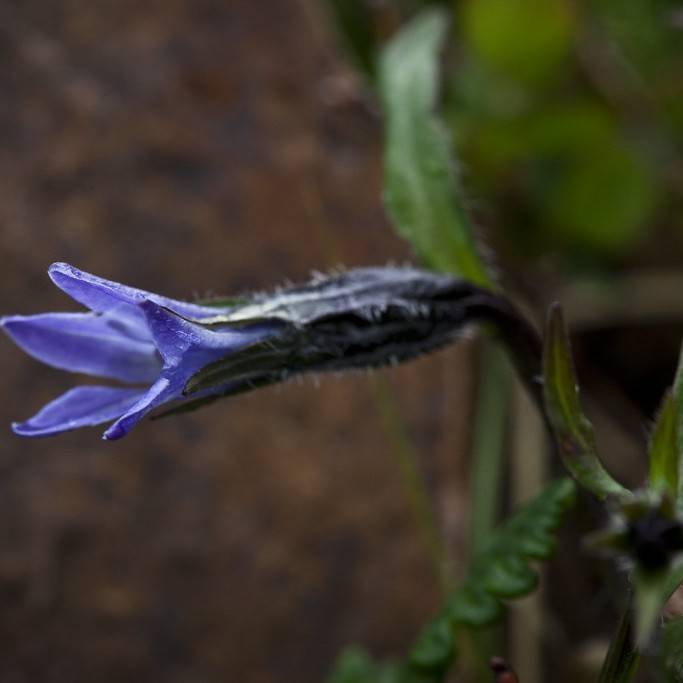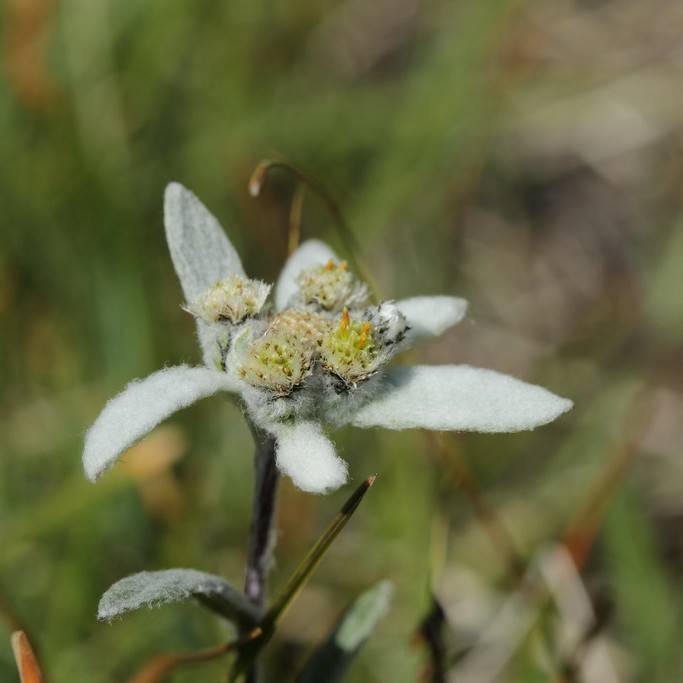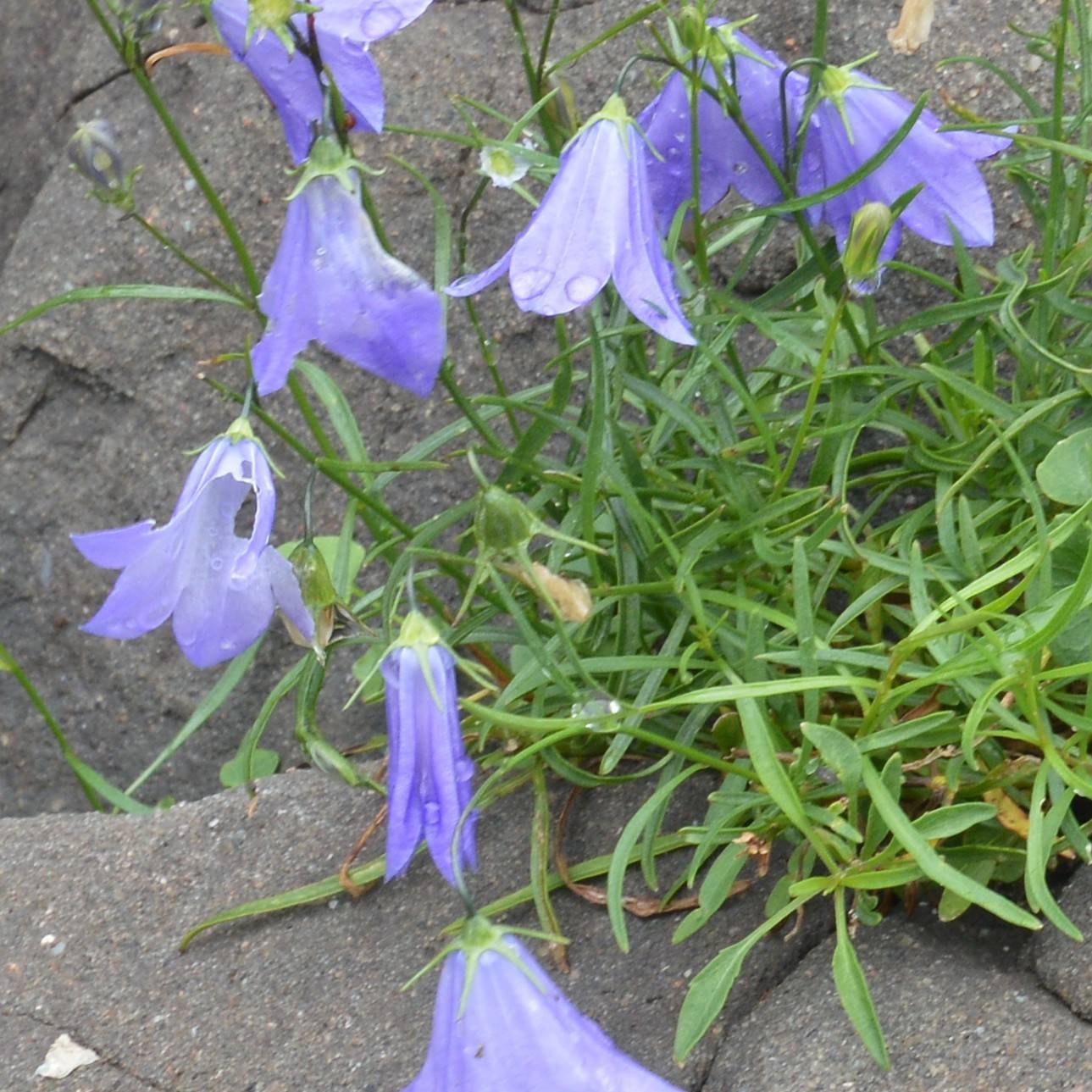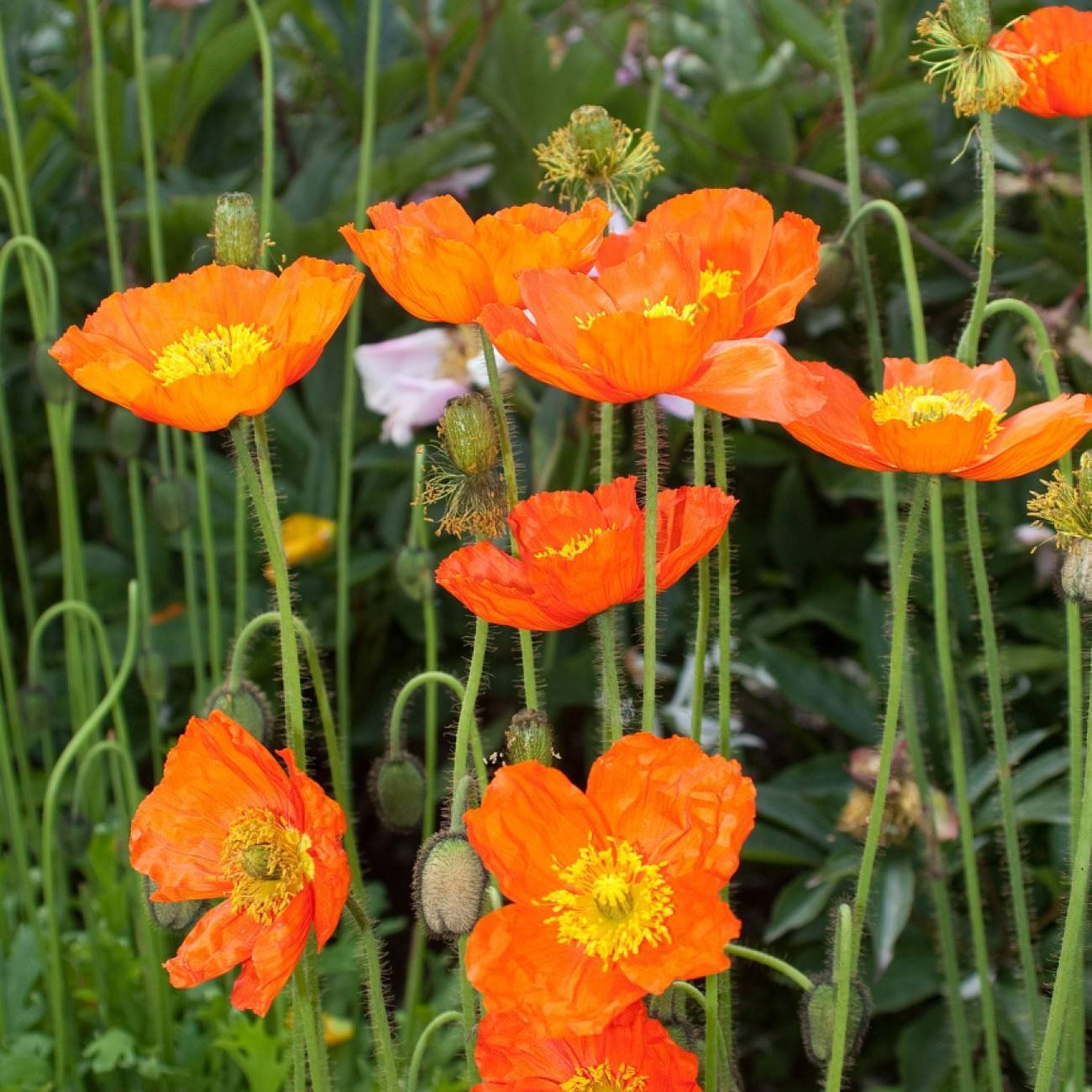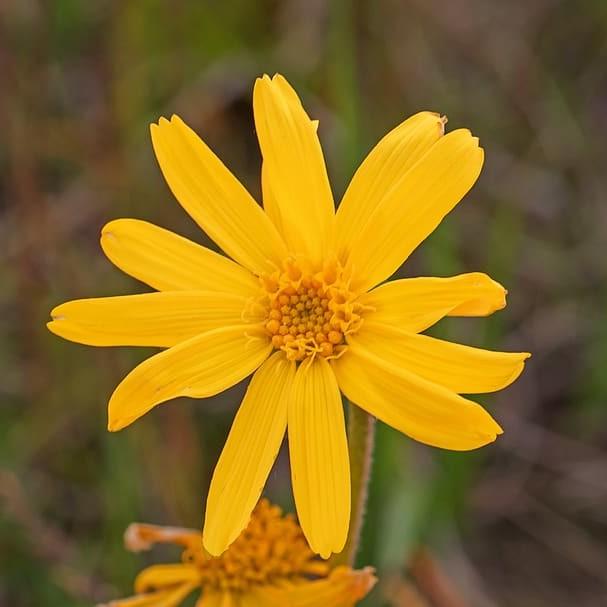
Lake Louise Arnica
Arnica louiseana
Overview
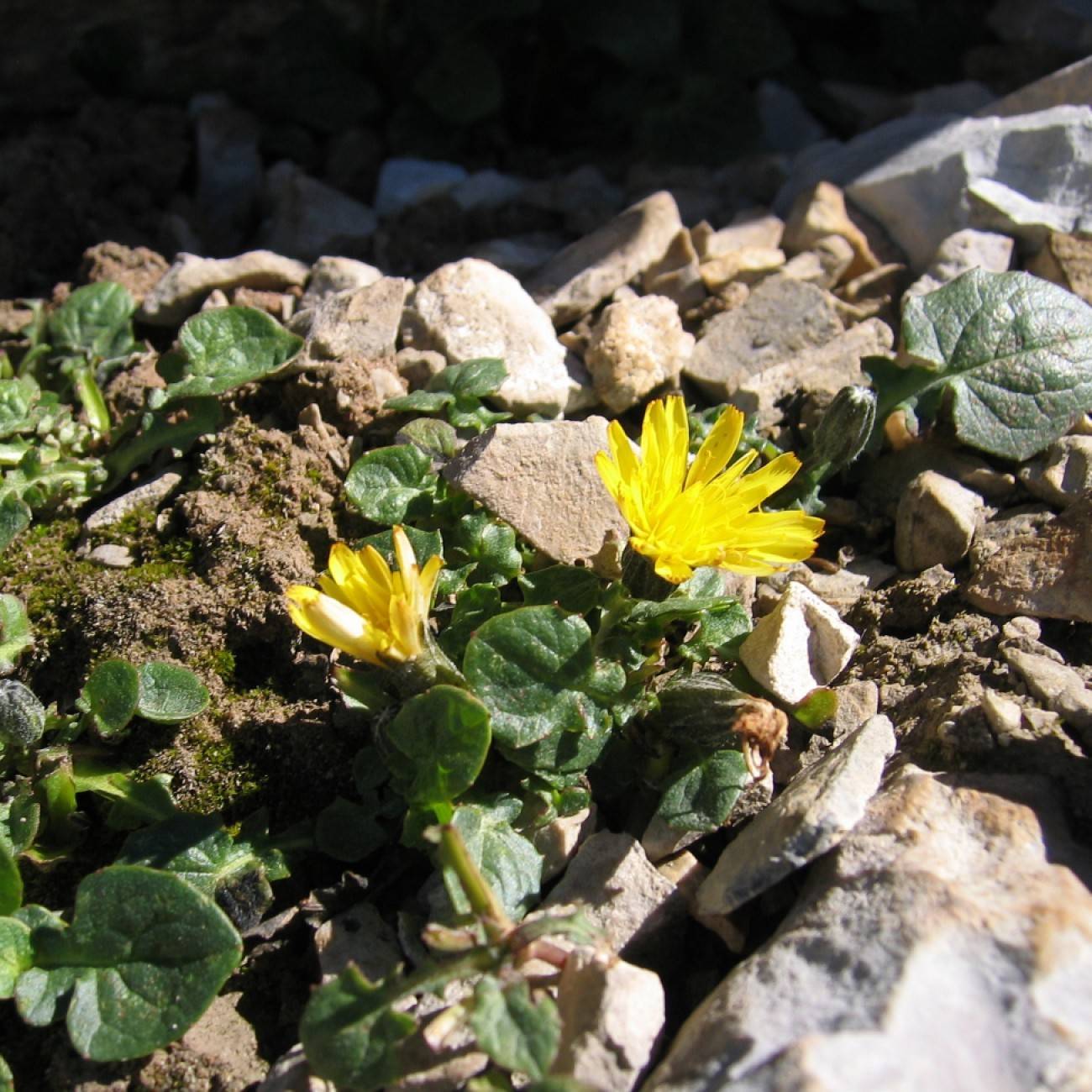
Lake Louise Arnica is a diminutive alpine herb named for the iconic Banff National Park lake where it was first formally documented. It thrives in harsh, high-elevation environments where few other flowering plants can survive, forming low, compact mats of fuzzy, gray-green foliage. Its cheerful yellow composite blooms appear in short summer windows, providing a critical nectar source for native alpine pollinators including bumblebees and solitary bees.
Care Guide
Watering
Water sparingly, allowing the soil to dry out almost completely between waterings; mimic its native alpine habitat where rainfall is frequent but well-drained, and avoid overwatering which quickly causes root rot. In winter, reduce watering significantly to match the drier, dormant conditions of its natural range, only giving small sips if the plant shows signs of desiccation.
Light
Requires full, direct sun for at least 6 hours per day to thrive, as it evolved in exposed alpine slopes with no tree cover to filter sunlight. In lower-elevation cultivation, it may tolerate very light afternoon shade in extremely hot climates, but excessive shade will cause leggy growth and reduce flowering.
Soil
Needs extremely well-drained, gritty, low-nutrient soil with a neutral to slightly acidic pH, ideally a mix of sandy loam, gravel, and crushed rock to replicate its native rocky alpine substrate. Heavy, water-retentive soils are fatal to this species, so amend planting areas or potting mixes generously with perlite or pumice to improve drainage.
Fertilizer
Fertilization is rarely needed, as this species is adapted to nutrient-poor alpine soils; excessive nutrients will cause soft, leggy growth that is prone to pest and disease issues. If grown in containers, apply a very dilute, balanced, low-nitrogen fertilizer once at the start of the growing season, and avoid fertilizing entirely in fall and winter during dormancy.
Temperature
Cold-hardy to USDA zones 2 through 6, tolerating extreme winter temperatures as low as -50°F (-46°C) under a layer of insulating snow. It does not tolerate high heat or humidity above 75°F (24°C) for extended periods, making it unsuitable for cultivation in warm, low-elevation regions without specialized alpine house cooling.
Pruning
Minimal pruning is required; simply snip off spent flower heads after blooming to encourage tidy growth and prevent unwanted self-seeding if desired. In late fall, trim back any dead or damaged foliage to keep the plant compact and reduce overwintering habitat for pests, taking care not to damage the healthy basal growth that will emerge the following spring.
Propagation
Most commonly propagated from seed, which requires a 3-month cold stratification period to break dormancy, mimicking the long, cold alpine winters it experiences in the wild. It can also be propagated by careful division of mature clumps in early spring, just as new growth emerges, though the plant has a delicate root system that is easily damaged during division.
Humidity
Prefers low to moderate humidity levels between 30% and 50%, matching the dry, breezy conditions of its native alpine habitat. High humidity above 60% increases the risk of fungal leaf spots and crown rot, so ensure good air circulation around plants at all times, especially in enclosed growing spaces.
Repotting
Container-grown plants only need repotting every 3 to 4 years, as they have small, shallow root systems and prefer to be slightly root-bound. Repot in early spring before new growth begins, using a fresh, gritty potting mix, and take care not to damage the fragile root system during the process to avoid transplant shock.
Uses & Symbolism
While related Arnica species are used in topical herbal remedies for muscle soreness and bruising, Lake Louise Arnica is rarely harvested commercially due to its limited range and small size, making it a priority for conservation in its native habitat. It is primarily cultivated by alpine plant enthusiasts for rock gardens, trough gardens, and alpine house displays, valued for its compact size and cheerful yellow blooms.
Diseases & Pests
The most common issues are fungal root rot and crown rot caused by overwatering or poorly draining soil, which can be avoided by following strict watering guidelines and using an appropriate gritty growing medium. It may occasionally be affected by aphids and spider mites, especially in enclosed growing spaces with poor air circulation, which can be controlled with insecticidal soap sprays or natural predatory insects.
Related plants
Other plants you might like if you grow Lake Louise Arnica.