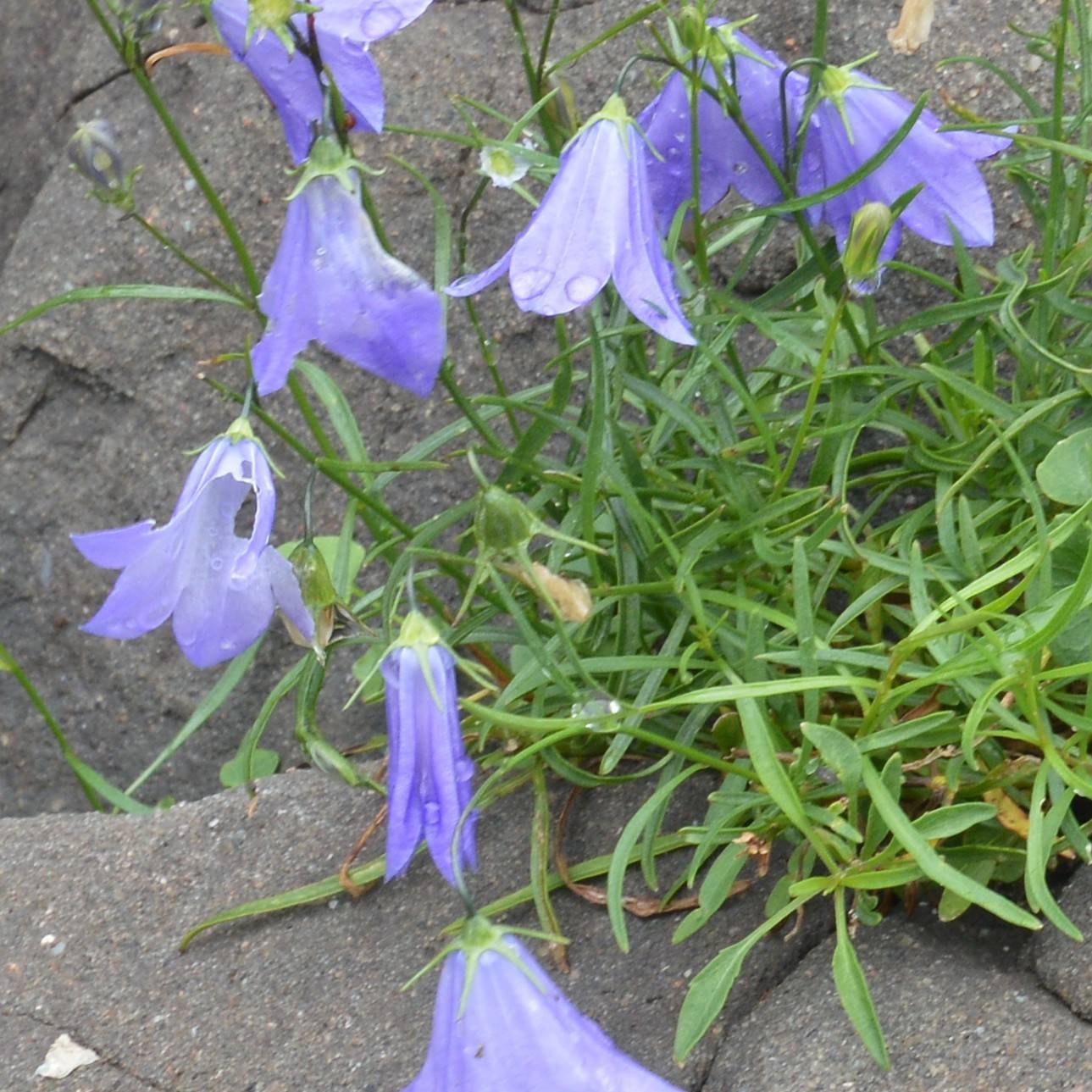
Giesecke's Bellflower
Campanula giesekiana
Overview
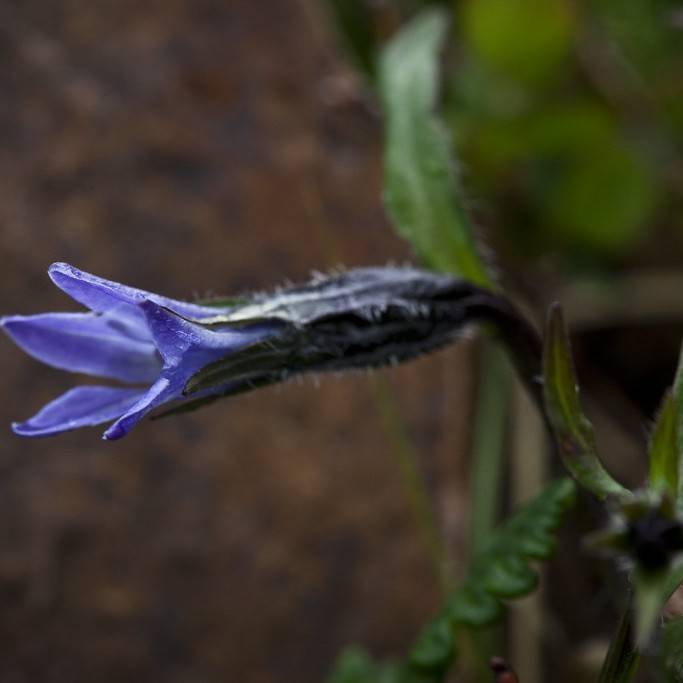
Giesecke's Bellflower is a compact, mat-forming alpine perennial adapted to cool, high-elevation habitats. It produces dense clusters of small, upward-facing pale blue bell flowers from late spring to mid-summer, held just above its rounded, slightly fuzzy green foliage. Naturally adapted to rocky, well-drained slopes, it thrives in environments that mimic its native alpine conditions, making it a popular choice for specialist rock garden enthusiasts.
Care Guide
Watering
Water regularly during the active growing season, keeping the soil evenly moist but never waterlogged, as soggy roots quickly lead to rot. Reduce watering significantly in winter, allowing the soil to dry out almost completely between waterings to mimic the drier dormant period of its native alpine habitat. Avoid overhead watering to prevent fungal growth on its dense low foliage.
Light
Grows best in full sun to partial shade, requiring at least 6 hours of direct sunlight daily to produce abundant blooms. In regions with very hot summer temperatures, provide light afternoon shade to prevent foliage scorch and reduce heat stress. In indoor alpine collections, place it near a south or west-facing window to meet its light requirements.
Soil
Requires extremely well-drained, gritty, low-nutrient soil with a neutral to slightly alkaline pH, typical of alpine rocky slopes. A mix of loam, coarse sand, crushed limestone, and perlite is ideal to ensure fast drainage and prevent root rot. Avoid heavy, clay-rich soils or mixes with high amounts of water-retentive peat moss.
Fertilizer
Fertilize very sparingly, only once at the start of the growing season with a diluted, low-nitrogen alpine plant fertilizer. Excess nitrogen will cause overly lush, weak foliage growth that reduces flowering and makes the plant more susceptible to pests and rot. Do not fertilize during the dormant winter period, as this will disrupt its natural growth cycle.
Temperature
Thrives in cool temperatures between 50-70°F (10-21°C) during the active growing season, and requires a cold dormant period in winter with temperatures between 20-40°F (-7-4°C) to bloom reliably the following year. It is hardy down to USDA zone 4, tolerating temperatures as low as -30°F (-34°C) when planted in well-drained soil. It struggles in hot, humid summer climates above 80°F (27°C) for extended periods.
Pruning
Deadhead spent flower stems after blooming to encourage a tidy growth habit and prevent unwanted self-seeding if desired. Cut back any damaged or yellowed foliage in late autumn before the plant enters dormancy to reduce the risk of overwintering fungal pathogens. Avoid heavy pruning, as the plant's compact mat-forming habit requires minimal shaping.
Propagation
Easily propagated by division in early spring just as new growth emerges, carefully separating small sections of the mat with attached roots and replanting them in gritty alpine soil. It can also be grown from seed sown in late winter or early spring, with seeds requiring a 4-6 week cold stratification period to germinate successfully. Softwood cuttings taken from non-flowering stems in early summer can also root successfully in a gritty, well-drained propagation medium.
Humidity
Prefers moderate to low humidity levels between 30-50%, typical of its native mountain habitats. High humidity, especially combined with warm temperatures, increases the risk of fungal diseases and root rot. Ensure good air circulation around the plant at all times, both in outdoor plantings and indoor collections, to reduce excess moisture around the foliage.
Repotting
Repot container-grown plants every 2-3 years in early spring, just before new growth starts, using fresh gritty alpine soil mix. Choose a wide, shallow pot with ample drainage holes to accommodate its spreading, shallow root system and prevent water pooling at the bottom. Avoid repotting during the hot summer months or dormant winter period to minimize stress on the plant.
Uses & Symbolism
Giesecke's Bellflower is primarily grown as an ornamental plant in rock gardens, alpine troughs, crevice gardens, and container collections for alpine enthusiasts. Its low, spreading habit makes it an excellent ground cover for small, well-drained sunny areas, where it forms a dense, flower-covered mat in late spring. It is also a popular choice for alpine plant shows and specialist native alpine plant conservation projects.
Diseases & Pests
The most common issues are root rot and crown rot caused by overwatering or poorly drained soil, which can kill the plant quickly if not addressed. Fungal leaf spots and powdery mildew may occur in conditions of high humidity or poor air circulation, especially if foliage remains wet for extended periods. Aphids and slugs may occasionally feed on young new growth, particularly in damp, shaded locations.
Related plants
Other plants you might like if you grow Giesecke's Bellflower.