Arctic Poppy
Papaver radicatum
Overview
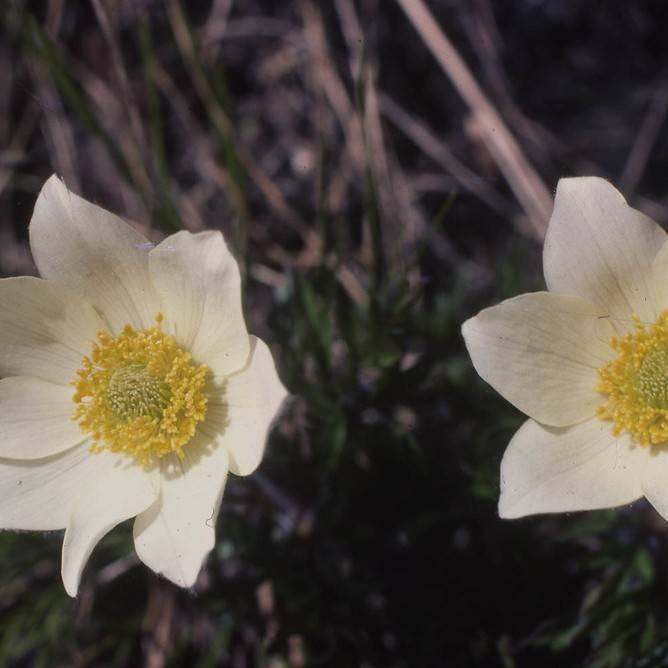
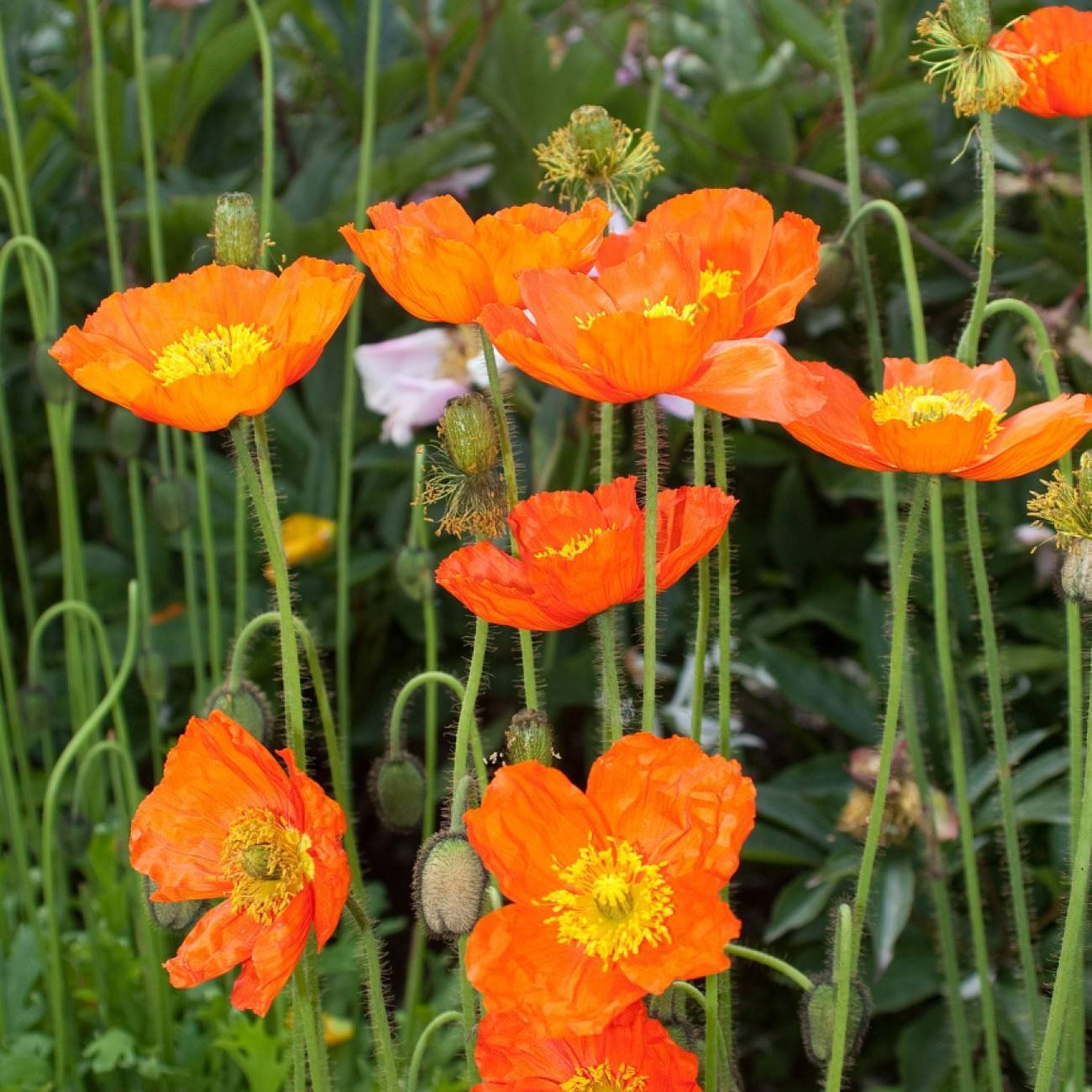
The Arctic poppy is a highly specialized tundra plant evolved to thrive in short, cool growing seasons and intense sunlight at high latitudes. Its cup-shaped flowers track the sun across the sky to trap heat, supporting pollinator activity even in cold temperatures. It has a deep, fleshy taproot that anchors it in rocky, thin soils and stores energy for rapid growth once snow melts. While it is primarily grown in alpine rock gardens or cold-climate native plant landscapes, it struggles in warm, humid temperate regions.
Care Guide
Watering
Water Arctic poppies sparingly, keeping the soil lightly moist but never waterlogged, as their taproots are highly susceptible to rot in saturated conditions. During the short active growing season, water only when the top 1-2 inches of soil are completely dry, and reduce watering to almost zero once the plant goes dormant in late summer. Avoid overhead watering to prevent foliage fungal issues, directing water at the base of the plant instead.
Light
Arctic poppies require full, direct sunlight for a minimum of 6 hours per day to support flower production and healthy growth, mimicking the long, intense daylight of their native Arctic summer habitat. They can tolerate very light, dappled shade only in the hottest, southernmost parts of their growing range, but too much shade will result in sparse foliage and no blooms. When grown in containers indoors, place them in a south-facing window or supplement with grow lights to meet their high light needs.
Soil
Plant Arctic poppies in extremely well-draining, poor to moderately fertile soil with a neutral to slightly alkaline pH, replicating their native rocky, gravelly tundra substrates. Heavy, clay-rich soils that retain moisture will quickly kill the plant, so amend planting areas with coarse sand, grit, or crushed rock to improve drainage drastically. Avoid adding rich compost or manure, as excess nutrients will cause leggy, weak growth that is prone to collapse.
Fertilizer
Arctic poppies are adapted to low-nutrient soils and require very little fertilization, with most specimens thriving with no additional feeding at all when planted in appropriate native soil. If grown in containers, apply a diluted, balanced slow-release fertilizer once at the start of the growing season, at 50% the recommended strength for flowering plants, to avoid overfeeding. Never fertilize after mid-summer, as this can disrupt the plant’s natural dormancy cycle and reduce cold hardiness.
Temperature
Arctic poppies are exceptionally cold-hardy, surviving winter temperatures as low as -40°F (-40°C) in USDA hardiness zones 1 through 7, and require a prolonged period of cold winter dormancy to thrive. They prefer cool summer temperatures between 50°F and 65°F (10°C to 18°C), and will quickly decline if exposed to sustained temperatures above 75°F (24°C), making them unsuitable for warm or subtropical climates. Winter mulch is not required, and in fact can trap moisture around the taproot, increasing the risk of rot.
Pruning
Pruning is minimal for Arctic poppies: deadhead spent blooms regularly throughout the growing season to encourage additional flower production and prevent unwanted self-seeding if desired. Once the foliage yellows and dies back naturally in late summer, leave the dead foliage in place to protect the crown through the winter, removing it only in early spring before new growth emerges. Avoid cutting back green foliage prematurely, as this will reduce the energy the plant can store in its taproot for the next growing season.
Propagation
Arctic poppies are most commonly propagated from seed, which requires a 6-8 week period of cold stratification to break dormancy, mimicking the long, cold Arctic winter. Sow seeds directly on the surface of well-draining soil in late fall or early spring, as light is required for germination, and avoid covering the seeds with soil. They do not transplant well due to their long taproot, so direct sowing is preferred over starting seeds indoors; if transplanting is necessary, do so when seedlings are very small to minimize root disturbance.
Humidity
Arctic poppies prefer low to moderate humidity levels between 30% and 50%, and are highly intolerant of high, prolonged humidity, which increases the risk of fungal leaf spots and root rot. They are well-adapted to the dry, windy conditions of tundra and alpine slopes, so ensure they are planted in a location with good air circulation to reduce moisture buildup around the foliage. Indoor-grown specimens should be kept away from humidifiers, bathrooms, or other high-humidity areas of the home.
Repotting
Arctic poppies have a long, fragile taproot that is easily damaged during repotting, so they should be repotted as infrequently as possible, ideally only once every 3-4 years when they have completely outgrown their container. Repot in early spring before new growth emerges, using a deep, narrow container to accommodate the taproot and a well-draining, gritty potting mix with minimal organic matter. Handle the root ball very carefully during repotting to avoid breaking the taproot, as damage often leads to plant death.
Uses & Symbolism
Arctic poppies are primarily used as ornamental plants in alpine rock gardens, cold-climate native landscapes, and trough gardens, where their bright early-summer blooms add color to otherwise stark, rocky sites. They are also valued in ecological restoration projects for Arctic and alpine habitats, as they provide a critical early-season food source for native pollinators such as bumblebees active in cold regions. Indigenous communities in the Arctic have historically used small quantities of the plant for traditional medicinal purposes, though its toxicity limits widespread use.
Diseases & Pests
Arctic poppies are relatively pest- and disease-free when grown in their preferred cool, dry, well-draining conditions, but are highly susceptible to root rot caused by overwatering or poorly draining soil, which is the most common cause of plant death. In humid, wet conditions, they may develop fungal leaf spots or downy mildew, which can be prevented by ensuring good air circulation and avoiding overhead watering. Aphids and slugs may occasionally feed on young foliage, though cold temperatures limit pest pressure in most of their native growing range.
Related plants
Other plants you might like if you grow Arctic Poppy.