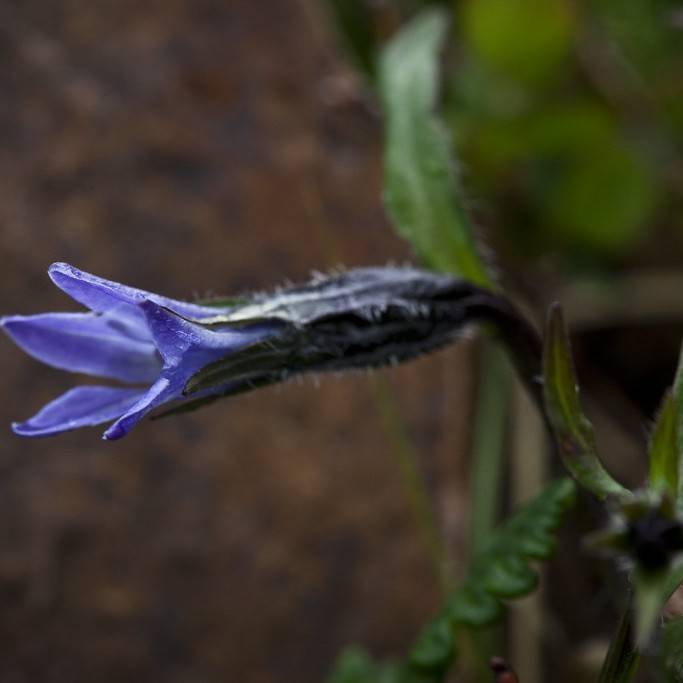
Arctic Harebell
Campanula uniflora
Overview
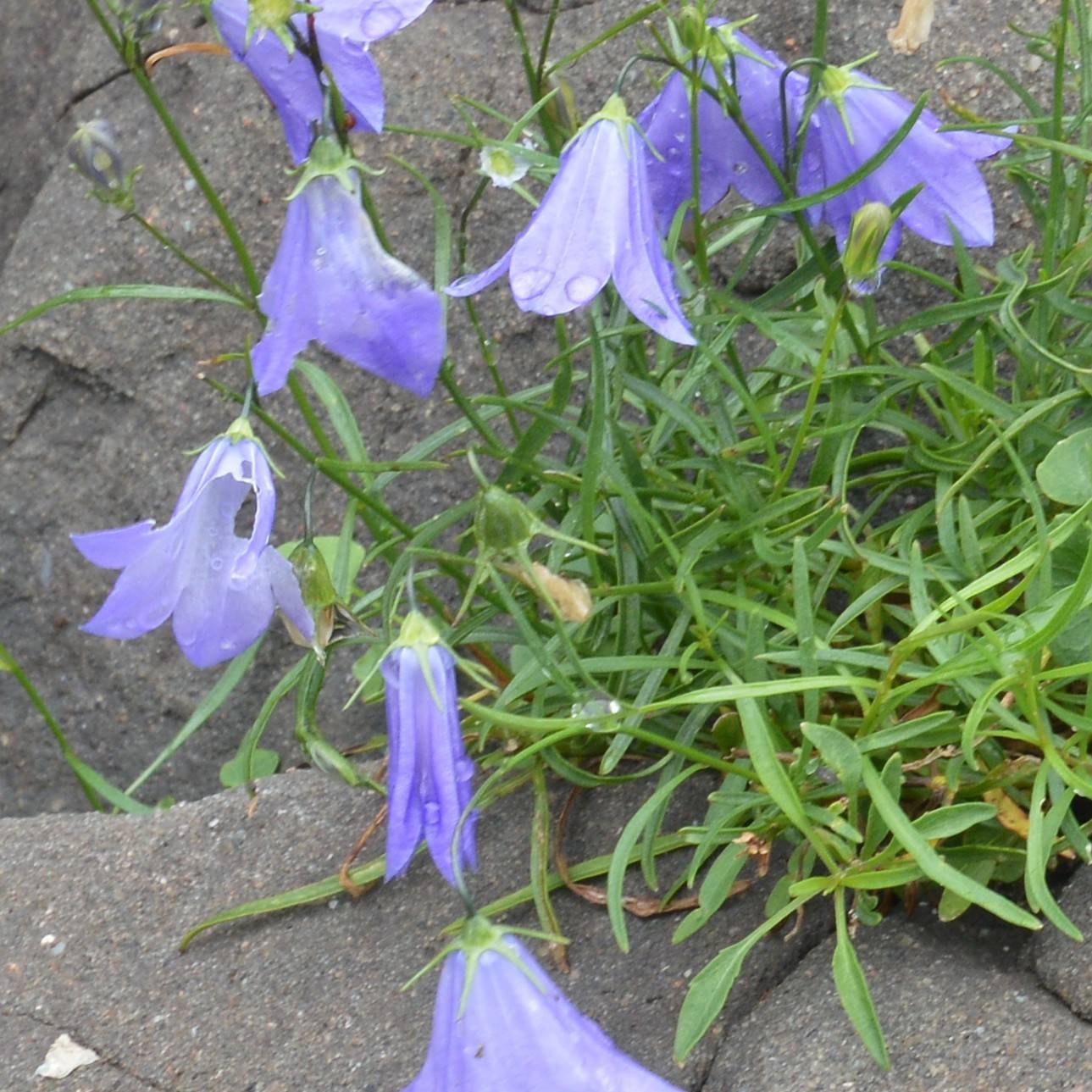
Arctic Harebell is a compact, low-growing perennial uniquely evolved to survive extreme cold, wind, and short growing seasons of northern tundra and high-elevation alpine zones. Its dainty, bell-shaped pale blue to violet flowers bloom singly on thin, upright stems, contrasting sharply with the rocky, sparse landscapes it inhabits. The plant forms small clumps of rounded, slightly hairy basal leaves that minimize exposure to harsh, drying winds in its native habitat. It is a key nectar source for small native pollinators active in short arctic summer windows.
Care Guide
Watering
Arctic Harebell requires consistently moist but sharply drained soil, as it is intolerant of standing water around its shallow root system. Water regularly during its short active growing season, reducing moisture almost entirely once foliage dies back in late fall to prevent root rot. Avoid overwatering in cultivation, as it is adapted to the low precipitation levels of tundra ecosystems.
Light
This species thrives in full, direct sunlight, as it evolved to take advantage of nearly 24-hour daylight during the short arctic summer growing season. It can tolerate very light dappled shade in warmer cultivation zones, but insufficient light will cause leggy growth and reduced flowering. For indoor or alpine house cultivation, provide a south-facing window with at least 6 hours of direct sunlight daily.
Soil
Arctic Harebell requires extremely well-drained, low-nutrient, sandy or gravelly soil with a neutral to slightly acidic pH, mimicking its native rocky tundra substrate. Heavy, clay-heavy or rich, organic soils will cause fatal root rot, so amend planting areas or potting mixes with large amounts of coarse sand, perlite, or crushed granite to improve drainage. Avoid adding compost or manure to its growing medium, as it is adapted to low-fertility conditions.
Fertilizer
This plant is adapted to very low-nutrient environments and requires almost no supplemental fertilization to thrive. A single, very dilute application of balanced, slow-release fertilizer at one-quarter the recommended strength may be applied once at the start of the growing season in nutrient-depleted growing media. Over-fertilization will cause excessive soft, leggy growth that is prone to damage and will reduce flowering.
Temperature
Arctic Harebell is exceptionally cold-hardy, tolerating winter temperatures as low as -40°F (-40°C) and below when dormant. It prefers cool summer temperatures between 40-60°F (4-15°C) and will not survive prolonged exposure to temperatures above 75°F (24°C), making it unsuitable for cultivation in warm, low-elevation regions. Winter dormancy is triggered by decreasing day length and cool temperatures, and the plant requires a 3-4 month cold dormancy period to regrow the following season.
Pruning
Pruning requirements are minimal for Arctic Harebell; spent flower stems may be pinched off after blooming to maintain a tidy clump appearance, if desired. Leave all basal foliage intact until it dies back naturally in late fall, as the leaves continue to photosynthesize and store energy for the next year’s growth throughout the growing season. Remove dead, brown foliage in early spring just before new growth emerges to prevent fungal growth around the crown.
Propagation
Arctic Harebell is most reliably propagated from seed, which requires a 6-8 week cold stratification period to break dormancy, mimicking the long, cold winters of its native range. Sow stratified seeds on the surface of well-drained, sandy growing medium in early spring, as seeds require light to germinate. It can also be propagated by careful division of established clumps in early spring, though its shallow, delicate root system is easily damaged during division, leading to low success rates.
Humidity
This species prefers low to moderate humidity levels between 30-50%, matching the dry, windy conditions of its native arctic and alpine habitats. It is intolerant of high, stagnant humidity, which can lead to fungal leaf spot and crown rot, especially in combination with warm temperatures. Ensure consistent air circulation around cultivated plants to reduce excess moisture on foliage and around the root crown.
Repotting
Arctic Harebell has a small, shallow root system and rarely needs repotting when grown in containers, as it prefers being slightly root-bound. Repot only every 3-4 years in early spring, before new growth emerges, using a fast-draining, gravelly potting mix and a shallow container with ample drainage holes to prevent waterlogging. Avoid disturbing the root ball as much as possible during repotting to minimize stress to the delicate root system.
Uses & Symbolism
Arctic Harebell is primarily cultivated as an ornamental plant in alpine rock gardens, trough gardens, and cold-climate xeriscapes, where its tiny, delicate blue blooms add subtle color to rocky, low-fertility planting areas. It is an important ecological species in its native range, providing a critical nectar source for small arctic bees, butterflies, and other pollinators during the short summer growing season. Indigenous communities in some arctic regions have historically used small amounts of the plant medicinally as a mild astringent for minor skin irritations, though it is not widely used in modern herbalism.
Diseases & Pests
Arctic Harebell is largely pest and disease free when grown in its preferred cool, well-drained conditions, though root rot is the most common issue caused by overwatering or poorly draining soil. Fungal leaf spot and powdery mildew may occur in conditions of high humidity, poor air circulation, or prolonged moisture on foliage, especially in warm temperatures. Aphids and spider mites may occasionally infest cultivated plants, particularly in indoor or protected growing environments, and can be controlled with gentle insecticidal soap or neem oil applications.
Related plants
Other plants you might like if you grow Arctic Harebell.