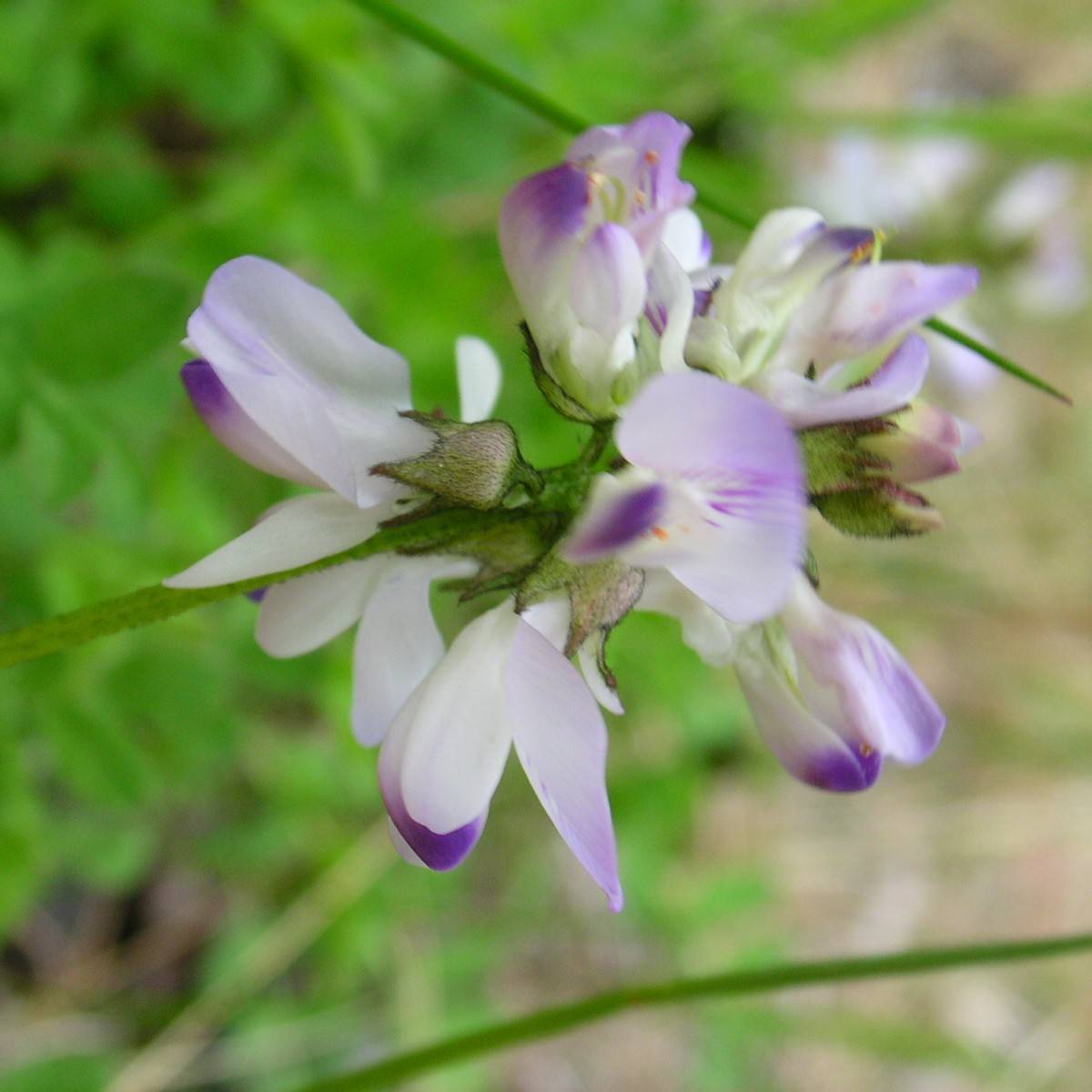
Alpine Milkvetch
Astragalus alpinus
Overview
Alpine milkvetch is a compact, mat-forming legume adapted to harsh, exposed cold environments, where it thrives in rocky, well-drained soils often low in nutrients. It produces clusters of small, pea-like pale purple or white flowers from late spring to mid-summer, which attract native pollinators including bumblebees and solitary bees. Like other members of the Astragalus genus, it forms symbiotic relationships with nitrogen-fixing bacteria in its root nodules, enriching the poor alpine soils it inhabits. It is an important forage species for high-altitude wildlife, though it carries toxicity risks for some grazing animals if consumed in excess.
Care Guide
Watering
Alpine milkvetch is highly drought-tolerant once established, adapted to the low rainfall of its native alpine and tundra habitats. It requires consistently moist but never waterlogged soil during its establishment phase, after which it only needs supplemental watering during extended periods of extreme drought. Overwatering, especially in cool weather, is the most common cause of root rot and plant death in cultivation.
Light
This species requires full, direct sunlight to thrive, as it evolved in exposed, treeless alpine and arctic habitats with no overhead shade. It can tolerate very light, dappled shade for short periods each day, but reduced sunlight will lead to sparse growth, fewer flowers, and a weaker root system. It is not suitable for cultivation in low-light or fully shaded locations.
Soil
Alpine milkvetch requires sharply drained, low-fertility soil with a neutral to slightly alkaline pH, mimicking the rocky, gravelly soils of its native range. It tolerates sandy or loam substrates as long as they drain freely, and will not survive in heavy clay or compacted soils that hold excess moisture around the roots. It does not require rich or amended soil, and high nutrient levels can lead to overly lush, weak growth that is prone to damage.
Fertilizer
This species is adapted to low-nutrient alpine soils and generally does not require regular fertilization to thrive. A very light application of a balanced, slow-release fertilizer in early spring, at half the recommended strength, can be used if plants are growing in extremely poor, nutrient-depleted substrate. Overfertilization will cause excessive soft foliage growth, reduce flowering, and increase susceptibility to cold damage and pest issues.
Temperature
Alpine milkvetch is exceptionally cold-hardy, tolerating winter temperatures as low as -40°F (-40°C) and thriving in regions with short, cool growing seasons. It prefers summer temperatures between 50-75°F (10-24°C), and will struggle in prolonged periods of heat above 80°F (27°C), which can cause wilting and dormancy. It is not suitable for cultivation in low-elevation regions with hot, humid summers.
Pruning
Pruning requirements for alpine milkvetch are minimal; spent flower stalks can be trimmed back after flowering to encourage a tidier growth habit and prevent unwanted self-seeding if desired. In late fall or early spring, any dead or damaged foliage can be gently removed to make room for new growth. Avoid heavy pruning, as the plant’s compact, slow-growing habit does not tolerate extensive cutting back well.
Propagation
Alpine milkvetch is most commonly propagated from seed, which requires a period of cold stratification for 30-60 days to break dormancy and encourage germination. Seeds can be sown directly outdoors in fall, or stratified indoors and sown in early spring once soil temperatures reach 45-55°F (7-13°C). It can also be propagated via careful division of mature clumps in early spring, though the plant has a delicate taproot that is easily damaged during division, making this method less reliable.
Humidity
This species prefers low to moderate humidity levels, adapted to the dry air of exposed alpine and arctic habitats. It tolerates average outdoor humidity in cool climates, but high humidity combined with warm temperatures will increase the risk of fungal leaf spot and root rot. It is not suited for cultivation in humid, tropical or subtropical environments.
Repotting
When grown in containers, alpine milkvetch should be planted in a shallow pot with ample drainage holes to accommodate its spreading, shallow root system and taproot. Repotting is only needed every 3-4 years, or when the plant has outgrown its current container, as it prefers to be slightly root-bound. When repotting, use a sharply draining rocky or sandy potting mix, and take care not to damage the taproot during the process to avoid transplant shock.
Uses & Symbolism
Alpine milkvetch is used in alpine and rock garden cultivation for its compact habit, delicate pale purple flowers, and ability to thrive in poor, rocky soils where few other plants survive. Its nitrogen-fixing root nodules make it a useful species for soil improvement and erosion control in high-elevation restoration projects, helping to stabilize disturbed rocky slopes and enrich low-nutrient soils. It also provides a valuable nectar source for native high-altitude pollinators, including bumblebees and solitary bees, supporting local alpine ecosystem health.
Diseases & Pests
Alpine milkvetch is relatively pest and disease resistant when grown in its preferred well-drained soil and full sun conditions, but it can be susceptible to root rot caused by overwatering or poorly draining substrates. Fungal leaf spot and powdery mildew may occur in conditions of high humidity or poor air circulation, especially during extended cool, wet periods. Aphids and spider mites may occasionally infest stressed plants, particularly those grown in overly warm or sheltered locations.
Related plants
Other plants you might like if you grow Alpine Milkvetch.