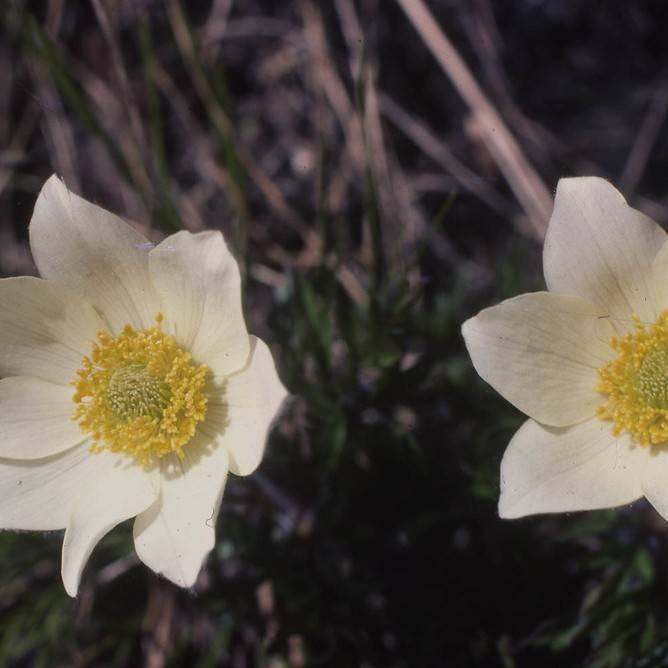
Alpine Anemone
Anemone alpina
Overview
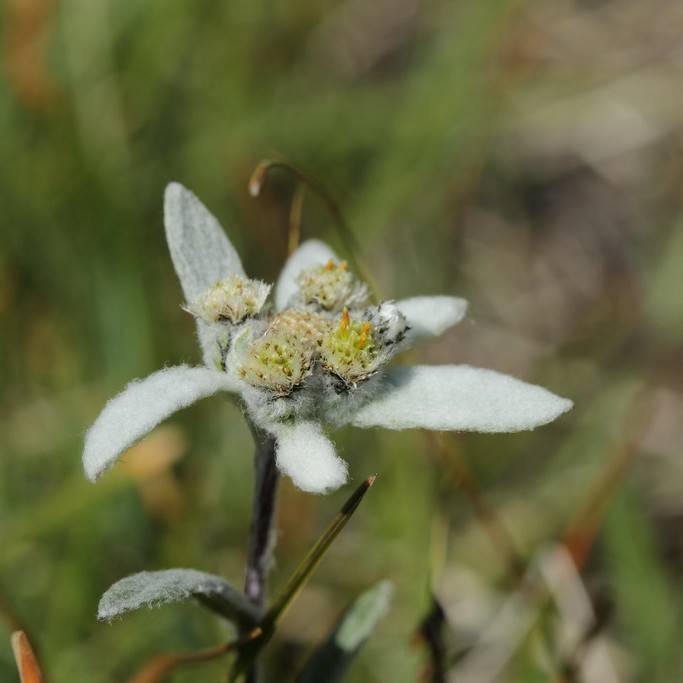
Alpine anemone is a compact, herbaceous perennial adapted to high-elevation, rocky mountain habitats, where it grows in meadows and crevices above the tree line. It produces delicate, cup-shaped flowers with prominent yellow stamens that rise above clumps of deeply lobed, dark green, fuzzy foliage. Adapted to harsh, cool conditions, it is a popular choice for rock gardens, alpine troughs, and cold-climate native plant landscapes.
Care Guide
Watering
Alpine anemone prefers consistently moist but well-drained soil; avoid overwatering, as soggy conditions will quickly rot its shallow root system. Allow the top 1 inch of soil to dry out slightly between waterings, and reduce watering frequency in winter when the plant is dormant. In hot summer climates, extra watering may be needed to prevent the soil from drying out completely.
Light
This species thrives in full sun to partial shade; in cooler alpine and northern climates, full sun encourages the most abundant flowering. In regions with hot, intense summer sun, provide light afternoon shade to prevent leaf scorch and keep the root zone cool. Too much deep shade will lead to sparse blooms and leggy growth.
Soil
Alpine anemone requires sharply drained, gritty, low-fertility soil with a neutral to slightly alkaline pH, mimicking its native rocky mountain habitat. Heavy clay or water-retentive soils are unsuitable; amend planting sites with coarse sand, gravel, or crushed limestone to improve drainage and adjust pH if needed. Container-grown plants do best in a specialized alpine potting mix with added perlite or pumice for extra drainage.
Fertilizer
This plant is adapted to low-nutrient mountain soils and requires very little fertilization; overfeeding will lead to soft, leggy growth and reduced flowering. A single light application of balanced, slow-release fertilizer in early spring, at half the recommended strength, is sufficient for the entire growing season. Avoid high-nitrogen fertilizers, as they promote excessive foliage growth at the expense of blooms.
Temperature
Alpine anemone is extremely cold-hardy, tolerating winter temperatures as low as -30°F (-34°C) and thriving in regions with cool summer temperatures below 75°F (24°C). It is poorly suited to hot, humid climates, where prolonged temperatures above 80°F (27°C) will cause the plant to go dormant early or die back. Winter snow cover is beneficial, as it insulates the roots from extreme temperature fluctuations.
Pruning
Minimal pruning is required for alpine anemone; simply snip off spent flower stems after blooming to keep the plant tidy and prevent self-seeding if desired. In late fall, after the foliage dies back naturally, cut back any dead leaves to the ground to reduce overwintering pest and disease habitat. Avoid cutting back green foliage while the plant is actively growing, as this will reduce its ability to store energy for the next season.
Propagation
Alpine anemone is most commonly propagated by seed sown in late fall or early winter, as the seeds require a period of cold stratification to germinate successfully. Mature clumps can also be divided in early spring, just as new growth emerges, taking care to keep the shallow root systems intact during the process. Cuttings are rarely successful, as the delicate stems do not root easily.
Humidity
This species prefers moderate to low humidity levels, consistent with its native dry, windy mountain habitat. High humidity, especially combined with warm temperatures, increases the risk of fungal leaf spots and root rot, so ensure good air circulation around plants in more humid climates. It does not require misting or supplemental humidity, even when grown in containers.
Repotting
Container-grown alpine anemone only needs repotting every 2-3 years, when the root system has filled the current pot and drainage slows. Repot in early spring, using a shallow, well-drained pot with fresh alpine potting mix, and avoid planting the crown too deeply, as this can cause rot. Choose a pot only 1-2 inches larger than the previous one, as excess soil will hold too much moisture around the roots.
Uses & Symbolism
Alpine anemone is primarily grown as an ornamental plant in rock gardens, alpine troughs, and native wildflower meadows, where its delicate early-season blooms add subtle color to cool-climate landscapes. It is also a valuable nectar source for early-emerging native pollinators, including bumblebees and solitary bees, in high-elevation ecosystems. Historically, small, diluted doses of the plant were used in traditional folk medicine to treat rheumatism and respiratory issues, though its toxicity makes internal use unsafe today.
Diseases & Pests
The most common issues affecting alpine anemone are fungal root rot and crown rot, caused by overwatering or poorly drained soil. Leaf spot and powdery mildew may occur in humid, poorly ventilated conditions, which can be prevented by spacing plants properly and avoiding overhead watering. Common pests include aphids and slugs, which feed on young foliage and flower buds; these can be controlled with insecticidal soap or organic slug baits, respectively.
Related plants
Other plants you might like if you grow Alpine Anemone.