Koreanspice Viburnum
Viburnum carlesii
Overview
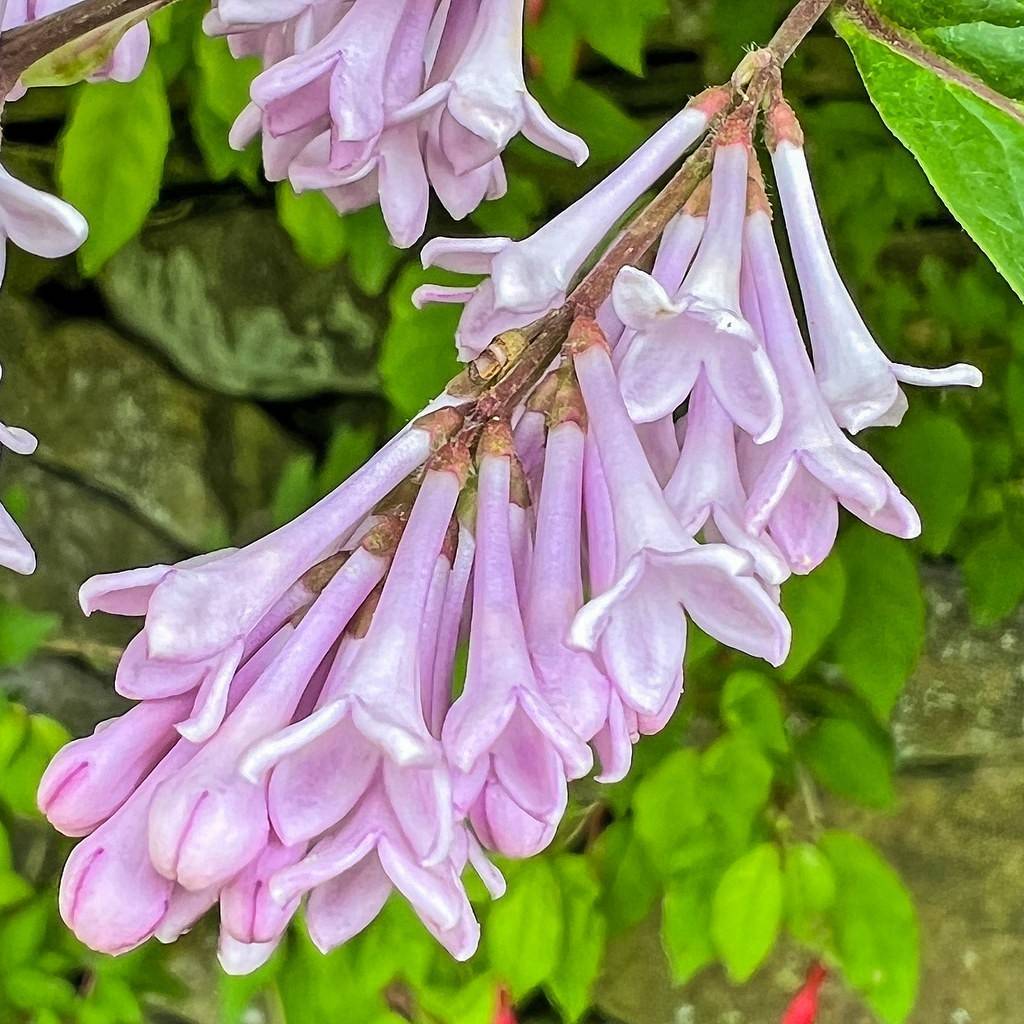
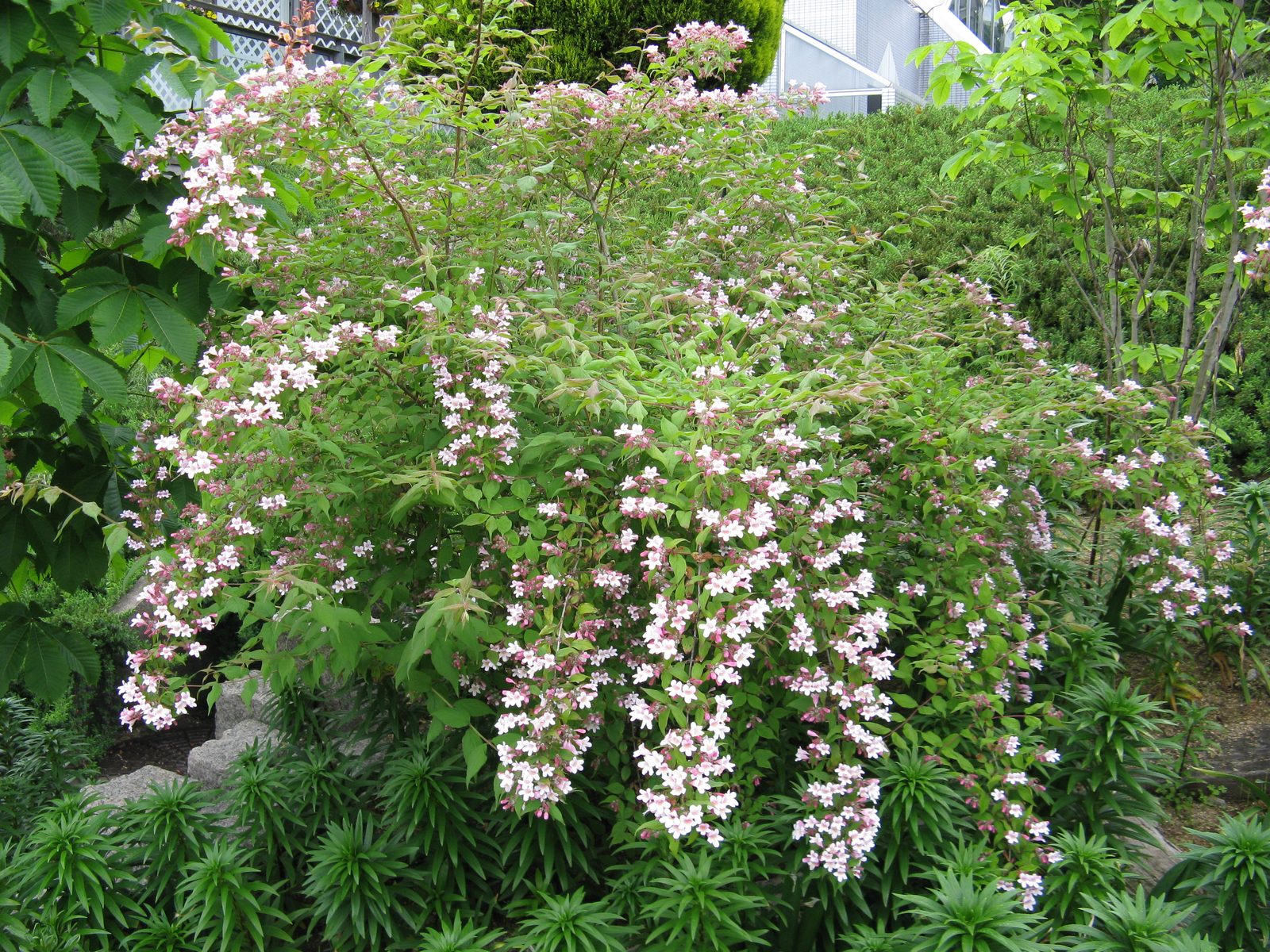
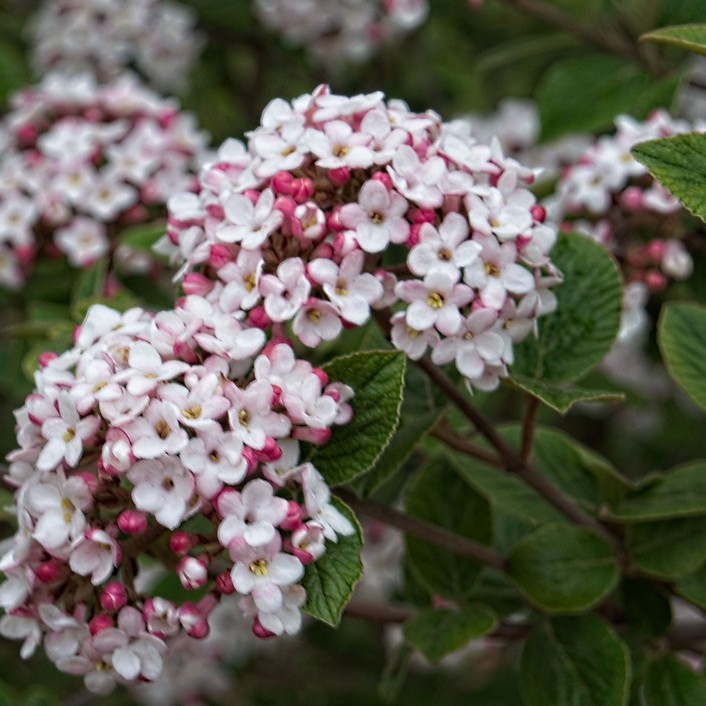
Koreanspice viburnum is a compact, rounded deciduous shrub celebrated as one of the most fragrant ornamental viburnums. In early spring, rounded clusters of pink buds open to pale pink, snowball-like flowers that release a rich, spicy-sweet scent that carries across large areas. After blooming, it produces small red berries that ripen to black in late summer, which attract birds, while its dark green, serrated leaves turn vivid shades of red and burgundy in autumn.
Care Guide
Watering
Water newly planted Koreanspice viburnum deeply once or twice weekly to establish a strong root system, keeping soil consistently moist but not waterlogged. Mature plants are moderately drought tolerant, requiring supplemental watering only during extended periods of hot, dry weather. Avoid overhead watering to reduce risk of foliar diseases, directing water at the base of the shrub instead.
Light
Grows best in full sun to partial shade, with at least 4-6 hours of direct sunlight daily to encourage abundant flowering and dense foliage growth. In regions with extremely hot summer climates, it benefits from light afternoon shade to prevent leaf scorch. Too much shade will reduce bloom production and lead to sparse, leggy growth.
Soil
Prefers moist, well-drained loamy soil with a slightly acidic to neutral pH range between 5.5 and 7.0, though it adapts to a wide range of soil types including clay and sandy soils as long as drainage is good. It does not tolerate waterlogged, soggy soil, which can cause root rot. Amend heavy or poor soils with compost or well-rotted organic matter at planting time to improve structure and nutrient content.
Fertilizer
Apply a balanced, slow-release shrub fertilizer in early spring before new growth emerges to support healthy foliage and abundant blooming. Avoid overfertilizing, especially with high-nitrogen formulas, which can promote excessive leaf growth at the expense of flowers and make the plant more susceptible to winter damage. An annual top-dressing of 2-3 inches of compost around the base of the plant can provide sufficient nutrients for mature shrubs in fertile soil, reducing the need for commercial fertilizer.
Temperature
Thrives in USDA hardiness zones 4 through 7, tolerating winter temperatures as low as -30°F (-34°C) once established. It requires a period of winter chilling to produce blooms the following spring, making it unsuitable for warm, frost-free climates. Late spring frosts can damage emerging flower buds, so planting it in a sheltered location away from cold, drying winds helps reduce cold injury.
Pruning
Prune immediately after flowering finishes in spring, as flower buds form on the previous year’s growth; pruning later in the season will remove the next year’s blooms. Remove dead, damaged, or crossing branches first to improve air circulation and maintain the shrub’s natural rounded shape. Mature shrubs can be rejuvenated by removing up to one-third of the oldest, woodiest stems at ground level every 2-3 years to encourage new, vigorous growth.
Propagation
Most commonly propagated from softwood cuttings taken in early summer, after new growth has hardened slightly but before it becomes woody. Dip cut end in rooting hormone, plant in a moist, well-drained rooting medium, and keep under high humidity with indirect light until roots form, usually within 4-6 weeks. It can also be grown from seed, though seeds require a long period of cold stratification and may take 2-3 years to germinate and produce flowering plants.
Humidity
Adaptable to a wide range of humidity levels, thriving in the moderate humidity typical of its native range and most temperate growing regions. It tolerates low humidity well as long as soil moisture is consistent, though extremely dry, windy conditions can cause leaf edge browning. Good air circulation around the foliage helps prevent fungal diseases in areas with high summer humidity.
Repotting
Koreanspice viburnum is primarily grown in the landscape, but if cultivated in a container, repot every 2-3 years in early spring before new growth begins. Use a high-quality, well-drained potting mix, and select a container 2-3 inches larger in diameter than the current pot to accommodate root growth. Mature container-grown plants can be root-pruned every 4-5 years to maintain size and prevent them from becoming root-bound.
Uses & Symbolism
Widely planted as a specimen shrub in home landscapes, foundation plantings, and mixed borders, where its spring fragrance can be enjoyed near patios, walkways, or entryways. Its dense growth habit makes it suitable for low, informal hedges and privacy screens, while its berries provide food for pollinators and songbirds. Cut branches with blooming flower clusters are often used in fresh floral arrangements for their long-lasting scent and attractive form.
Diseases & Pests
Generally resistant to most pests and diseases, though it can be susceptible to powdery mildew, leaf spot, and root rot in poorly drained soil or overly shaded, humid conditions. Common pests include aphids, spider mites, and viburnum leaf beetles, which feed on foliage and can cause defoliation if populations are left uncontrolled. Proper spacing to improve air circulation, avoiding overhead watering, and regular inspection for early signs of pest or disease damage help keep plants healthy.
Guides that mention Koreanspice Viburnum
Related plants
Other plants you might like if you grow Koreanspice Viburnum.
%22%2F%3E%0A%20%20%20%20%20%20%3Ccircle%20cx%3D%22920%22%20cy%3D%22180%22%20r%3D%2290%22%20fill%3D%22%23cfe8d5%22%2F%3E%0A%20%20%20%20%20%20%3Cpath%20d%3D%22M600%20590c-90-180-215-255-310-280%200%20165%20118%20296%20270%20296h40z%22%20fill%3D%22%2379b88e%22%2F%3E%0A%20%20%20%20%20%20%3Cpath%20d%3D%22M600%20590c80-150%20198-212%20302-228-8%20142-123%20255-270%20255h-32z%22%20fill%3D%22%235c9f73%22%2F%3E%0A%20%20%20%20%20%20%3Cpath%20d%3D%22M600%20610V360%22%20stroke%3D%22%234f8c64%22%20stroke-width%3D%2218%22%20stroke-linecap%3D%22round%22%2F%3E%0A%20%20%20%20%20%20%3Ctext%20x%3D%22600%22%20y%3D%22700%22%20text-anchor%3D%22middle%22%20font-family%3D%22Arial%2C%20sans-serif%22%20font-size%3D%2244%22%20fill%3D%22%23365c45%22%3E%0A%20%20%20%20%20%20%20%20Plant%20image%20coming%20soon%0A%20%20%20%20%20%20%3C%2Ftext%3E%0A%20%20%20%20%3C%2Fsvg%3E%0A%20%20)