%22%2F%3E%0A%20%20%20%20%20%20%3Ccircle%20cx%3D%22920%22%20cy%3D%22180%22%20r%3D%2290%22%20fill%3D%22%23cfe8d5%22%2F%3E%0A%20%20%20%20%20%20%3Cpath%20d%3D%22M600%20590c-90-180-215-255-310-280%200%20165%20118%20296%20270%20296h40z%22%20fill%3D%22%2379b88e%22%2F%3E%0A%20%20%20%20%20%20%3Cpath%20d%3D%22M600%20590c80-150%20198-212%20302-228-8%20142-123%20255-270%20255h-32z%22%20fill%3D%22%235c9f73%22%2F%3E%0A%20%20%20%20%20%20%3Cpath%20d%3D%22M600%20610V360%22%20stroke%3D%22%234f8c64%22%20stroke-width%3D%2218%22%20stroke-linecap%3D%22round%22%2F%3E%0A%20%20%20%20%20%20%3Ctext%20x%3D%22600%22%20y%3D%22700%22%20text-anchor%3D%22middle%22%20font-family%3D%22Arial%2C%20sans-serif%22%20font-size%3D%2244%22%20fill%3D%22%23365c45%22%3E%0A%20%20%20%20%20%20%20%20Plant%20image%20coming%20soon%0A%20%20%20%20%20%20%3C%2Ftext%3E%0A%20%20%20%20%3C%2Fsvg%3E%0A%20%20)
Dwarf Flowering Almond
Prunus glandulosa
Overview
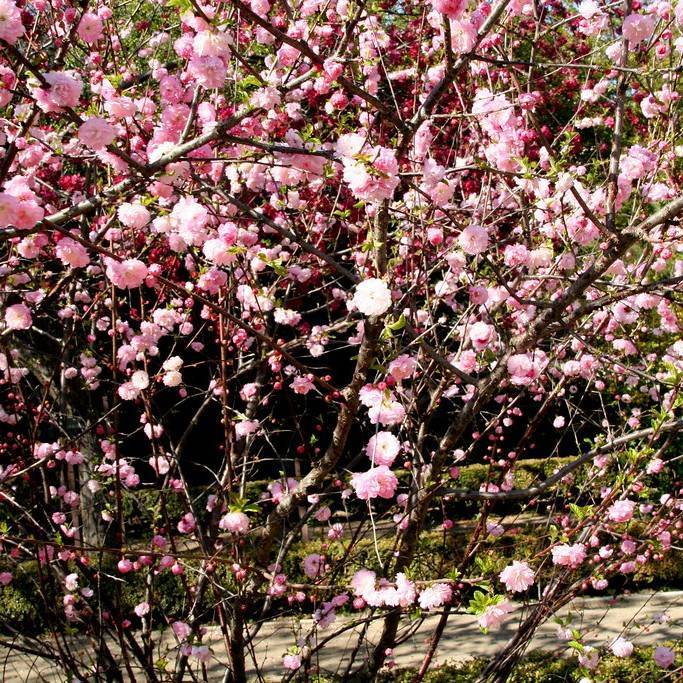
Dwarf Flowering Almond is a dense, multi-stemmed deciduous shrub celebrated for its prolific spring floral display, where bare branches become covered in clusters of small, double or single rosette-like flowers. After blooming, it produces small, ovate, serrated green leaves that remain attractive through the growing season, followed by tiny, inedible dark red drupes in late summer. Its compact size makes it ideal for small gardens, border plantings, and container growth, as it rarely outgrows its allocated space without aggressive pruning.
Care Guide
Watering
Water newly planted shrubs regularly to keep the soil consistently moist but not waterlogged for the first growing season, helping establish a deep, robust root system. Established plants are moderately drought-tolerant, requiring supplemental water only during extended dry periods of 2 weeks or more, and avoid overwatering to prevent root rot.
Light
Grow in full sun, defined as 6 or more hours of direct unfiltered sunlight daily, to encourage the most abundant and vibrant bloom production. It can tolerate light partial shade, but too much shade will result in sparse flowering, leggy growth, and increased susceptibility to fungal diseases.
Soil
Thrives in well-drained, loamy, sandy, or clay soils with a neutral to slightly alkaline pH range of 6.0 to 7.5, though it adapts to a wide range of soil types as long as drainage is sufficient. Avoid heavy, permanently waterlogged soils, as these will quickly cause root rot and kill the shrub; amend heavy clay soils with compost or coarse sand to improve drainage before planting.
Fertilizer
Feed in early spring before new growth emerges with a balanced, slow-release 10-10-10 granular fertilizer, spread evenly around the base of the shrub and watered in thoroughly to support healthy foliage and bloom development. Avoid fertilizing after mid-summer, as this can stimulate tender new growth that will be damaged by late fall or winter frosts.
Temperature
Adaptable to USDA hardiness zones 4 through 8, tolerating winter lows as low as -30°F (-34°C) and summer highs up to 90°F (32°C) with adequate moisture. Provide a layer of mulch around the root zone in late fall to insulate roots from extreme temperature fluctuations in colder regions, and avoid planting in low-lying frost pockets where late spring frosts can damage emerging flower buds.
Pruning
Prune immediately after flowering finishes in late spring, as blooms form on the previous year’s wood; removing spent flower clusters and cutting back up to one-third of older, woody stems will encourage vigorous new growth for the next year’s blooms. Remove any dead, damaged, or crossing stems annually to improve air circulation through the dense canopy, reducing the risk of fungal disease development.
Propagation
Most commonly propagated via softwood cuttings taken in early summer, when new growth is semi-mature; dip cuttings in rooting hormone, plant in a well-drained propagation medium, and keep consistently moist under indirect light until roots form in 4 to 6 weeks. It can also be propagated from seed, though seed-grown plants may not retain the double-flower trait of the parent cultivar, and seeds require a 3-month cold stratification period to germinate successfully.
Humidity
Tolerates average ambient humidity levels between 40% and 60%, which is typical of most temperate growing regions, and requires no special humidity adjustments when grown outdoors. In very humid, subtropical climates, ensure the shrub is planted in a location with good air circulation to prevent foliar fungal diseases like powdery mildew from developing on leaves.
Repotting
If grown in containers, repot every 2 to 3 years in early spring before new growth emerges, using a well-drained potting mix mixed with a small amount of compost to add nutrients. Choose a container with multiple drainage holes that is 2 to 3 inches larger in diameter than the current pot, and prune back up to one-quarter of the root ball if the plant has become root-bound to encourage new root growth.
Uses & Symbolism
Primarily grown as an ornamental landscape plant for its stunning spring floral display, used in mixed shrub borders, foundation plantings, cottage gardens, and as a low informal hedge. It is also a popular cut flower, as its bare blooming branches can be cut in early spring and forced to open indoors for long-lasting floral arrangements.
Diseases & Pests
Most susceptible to powdery mildew, a fungal disease that forms a white powdery coating on leaves in humid, poorly ventilated conditions, which can be prevented by ensuring good air circulation and treated with fungicidal sprays if necessary. Common pests include aphids, spider mites, and scale insects, which feed on sap and cause stunted or distorted growth; these can be controlled with insecticidal soap or horticultural oil applications.
Related plants
Other plants you might like if you grow Dwarf Flowering Almond.