Chinese Snowball Viburnum
Viburnum macrocephalum
Overview
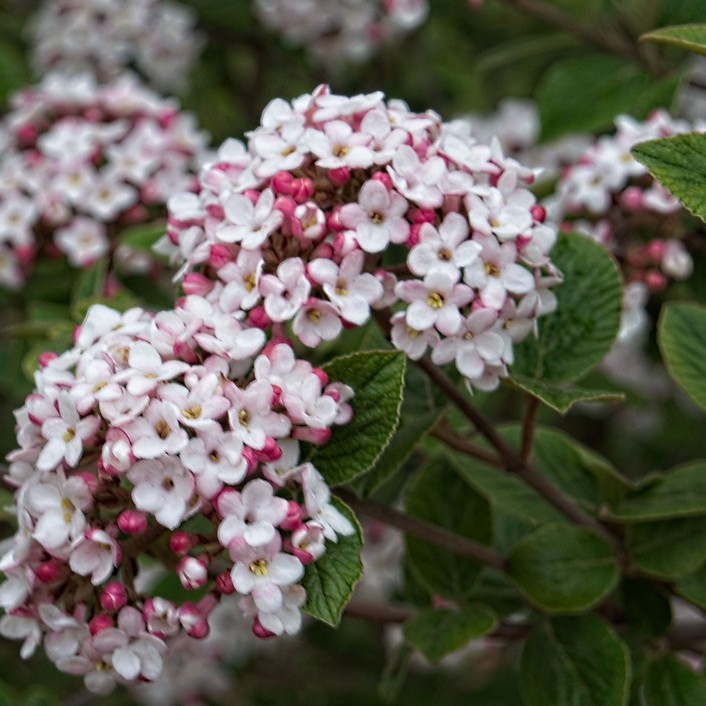
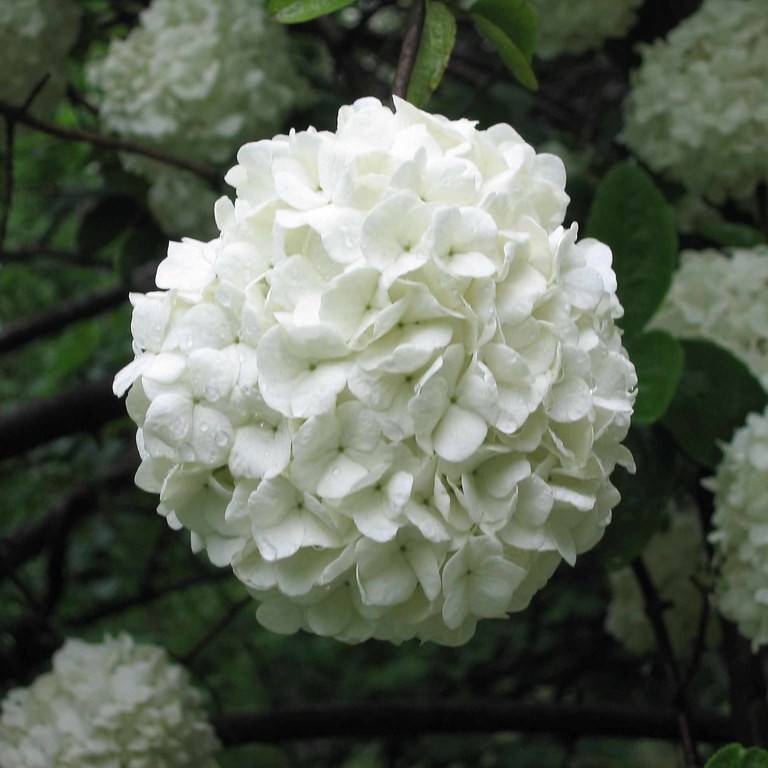
Chinese Snowball Viburnum is a deciduous shrub celebrated for its massive, 6-8 inch wide rounded flower clusters that emerge lime-green before maturing to bright, snowy white. Unlike many viburnums, its blooms are sterile and do not produce fruit, making it a low-mess option for landscape plantings. Its dense, dark green foliage turns a muted reddish-purple in fall, adding extended seasonal interest to gardens.
Care Guide
Watering
Water deeply and regularly during the first two growing seasons to establish a robust root system, keeping soil consistently moist but not waterlogged. Once established, it is moderately drought tolerant, requiring supplemental water only during extended periods of heat or dryness. Avoid overhead watering to reduce the risk of foliar fungal diseases.
Light
Thrives in full sun to partial shade, with at least 4-6 hours of direct sunlight daily to encourage abundant, large flower blooms. In regions with extremely hot, intense summer sun, provide light afternoon shade to prevent leaf scorch and reduce moisture stress. Too much deep shade will result in sparse flowering and leggy, weak growth.
Soil
Prefers rich, moist, well-drained loamy soil with a slightly acidic to neutral pH between 5.5 and 7.0. It can tolerate mild clay or sandy soils as long as drainage is adequate; amend heavy clay with compost or peat moss to improve structure before planting. Avoid waterlogged, poorly draining sites, as these can lead to fatal root rot.
Fertilizer
Apply a balanced, slow-release shrub fertilizer in early spring before new growth emerges, following package dosage instructions to avoid over-fertilization that can burn roots and reduce flowering. Top-dress the root zone with 2-3 inches of organic compost annually in fall to boost soil nutrient content and improve moisture retention. Skip fertilization for stressed or newly planted shrubs until they have established for one full growing season.
Temperature
Grows best in USDA hardiness zones 6 through 9, tolerating winter temperatures as low as -10°F (-23°C) once established. Young shrubs may require winter mulch and burlap wrapping in the coldest edges of its range to protect tender new growth from frost damage. Extreme summer heat above 95°F (35°C) may cause temporary leaf wilt, which resolves with adequate watering and afternoon shade.
Pruning
Prune immediately after flowering finishes in late spring, as this shrub blooms on old wood from the previous year’s growth; pruning in fall or winter will remove next season’s flower buds. Remove dead, damaged, or crossing branches first to improve air circulation through the dense canopy, then shape the shrub as desired to maintain its size and form. Limit heavy pruning to no more than one-third of the plant’s total growth per season to avoid stressing the shrub.
Propagation
The most reliable method for home gardeners is softwood cuttings taken in early summer, selecting 4-6 inch long healthy new growth stems, stripping lower leaves, dipping in rooting hormone, and planting in a moist, well-draining propagation mix. Keep cuttings under high humidity with indirect light for 4-6 weeks until roots develop, then transplant to individual pots to grow out before planting outdoors. Seed propagation is not viable for this sterile cultivar, as seeds will not grow true to the parent plant.
Humidity
Adaptable to a wide range of humidity levels, thriving in the moderate humidity common to most temperate growing regions. It tolerates mild dry air, but prolonged very low humidity may cause leaf tip browning, which can be mitigated with regular deep watering. High humidity paired with poor air circulation increases the risk of fungal leaf spot and powdery mildew, so space plants appropriately to allow airflow.
Repotting
Chinese Snowball Viburnum is rarely grown in containers long-term, as its large root system requires ample space to spread. If growing in a temporary pot, select a container at least 2 sizes larger than the root ball with drainage holes, and repot every 2-3 years in early spring before new growth starts. Once the shrub reaches 6 feet tall, it is best transplanted to a permanent in-ground location for optimal health.
Uses & Symbolism
Widely planted as a specimen shrub in landscape gardens, where its large, showy blooms serve as a striking focal point in spring. It also works well in mixed shrub borders, privacy hedges, or as a backdrop for lower-growing perennials. Cut flower stems are popular for fresh floral arrangements, as the large white clusters hold up well for 7-10 days in a vase.
Diseases & Pests
Common fungal issues include powdery mildew, leaf spot, and botrytis blight, which typically occur in wet, humid conditions with poor air circulation; these can be prevented by proper spacing, avoiding overhead watering, and removing infected foliage promptly. Pests include aphids, spider mites, and scale insects, which feed on sap and can cause leaf discoloration or stunted growth; treat minor infestations with insecticidal soap or horticultural oil. Root rot is a fatal condition caused by overwatering or poorly draining soil, so ensure planting sites have good drainage to avoid this issue.
Related plants
Other plants you might like if you grow Chinese Snowball Viburnum.
%22%2F%3E%0A%20%20%20%20%20%20%3Ccircle%20cx%3D%22920%22%20cy%3D%22180%22%20r%3D%2290%22%20fill%3D%22%23cfe8d5%22%2F%3E%0A%20%20%20%20%20%20%3Cpath%20d%3D%22M600%20590c-90-180-215-255-310-280%200%20165%20118%20296%20270%20296h40z%22%20fill%3D%22%2379b88e%22%2F%3E%0A%20%20%20%20%20%20%3Cpath%20d%3D%22M600%20590c80-150%20198-212%20302-228-8%20142-123%20255-270%20255h-32z%22%20fill%3D%22%235c9f73%22%2F%3E%0A%20%20%20%20%20%20%3Cpath%20d%3D%22M600%20610V360%22%20stroke%3D%22%234f8c64%22%20stroke-width%3D%2218%22%20stroke-linecap%3D%22round%22%2F%3E%0A%20%20%20%20%20%20%3Ctext%20x%3D%22600%22%20y%3D%22700%22%20text-anchor%3D%22middle%22%20font-family%3D%22Arial%2C%20sans-serif%22%20font-size%3D%2244%22%20fill%3D%22%23365c45%22%3E%0A%20%20%20%20%20%20%20%20Plant%20image%20coming%20soon%0A%20%20%20%20%20%20%3C%2Ftext%3E%0A%20%20%20%20%3C%2Fsvg%3E%0A%20%20)