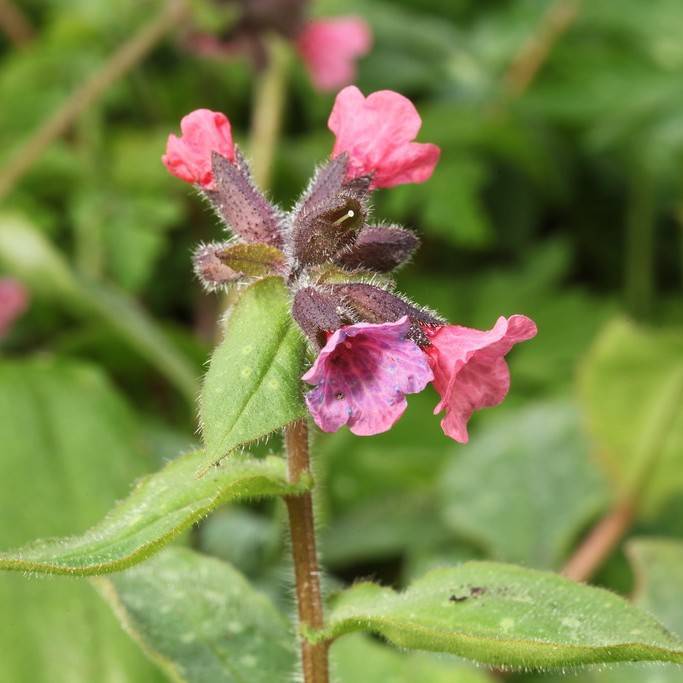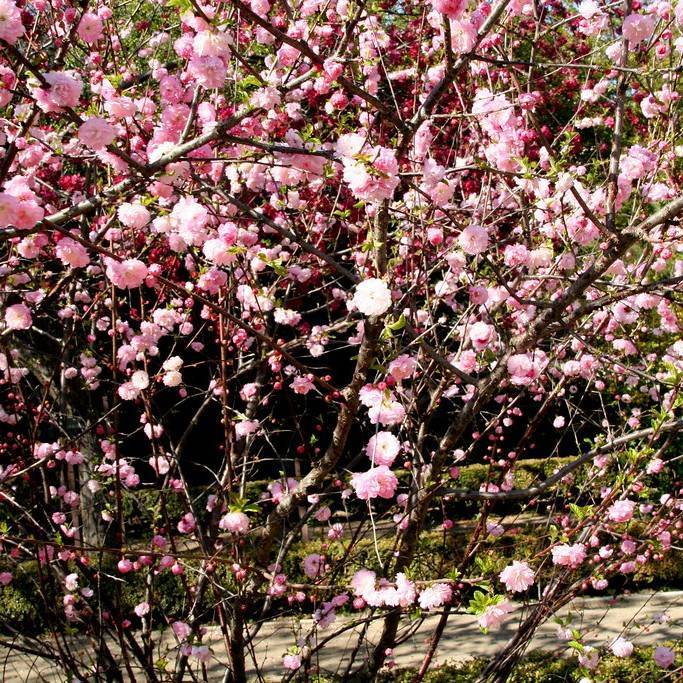
Flowering Almond
Prunus glandulosa
Overview
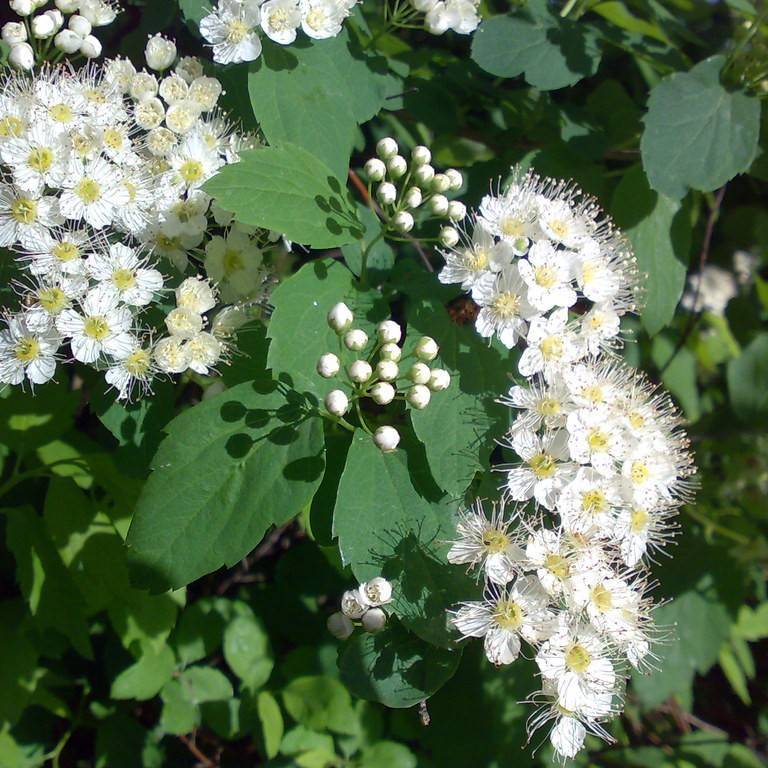
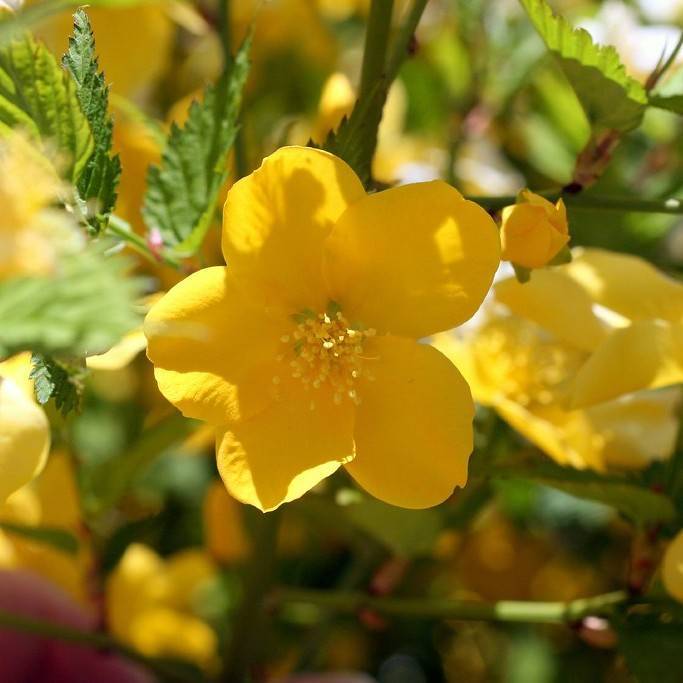
Flowering almond is a dense, multi-stemmed shrub that produces abundant, double or single 1-inch flowers in early spring before its narrow, green foliage emerges. It is a popular ornamental choice for small gardens, borders, and foundation plantings due to its compact size and eye-catching seasonal display. Unlike edible almond trees, it produces small, dry, inedible fruit that is rarely noticeable in home landscapes.
Care Guide
Watering
Water newly planted flowering almond regularly to keep the soil evenly moist but not waterlogged for the first growing season to establish a deep root system. Once established, it is moderately drought-tolerant, requiring supplemental watering only during extended periods of hot, dry weather. Avoid overwatering, as saturated soil can lead to root rot.
Light
Flowering almond thrives in full sun, which encourages the heaviest bloom production and maintains a dense, healthy growth habit. It can tolerate partial shade, but flowering will be reduced, and the shrub may become leggy over time. Plant it in a location that receives at least 6 hours of direct sunlight daily for best performance.
Soil
This adaptable shrub grows best in well-drained, loamy soil with a neutral to slightly alkaline pH, though it can tolerate a wide range of soil types including clay, sandy, and average garden soils. It does not perform well in constantly wet, poorly drained sites, so amend heavy clay soils with compost or peat moss to improve drainage before planting. Soil fertility can be average, as overly rich soil can promote excessive leaf growth at the expense of blooms.
Fertilizer
Feed flowering almond once per year in early spring before new growth emerges with a balanced, slow-release granular fertilizer formulated for woody ornamental plants. Avoid high-nitrogen fertilizers, as they can stimulate lush foliage growth and reduce flowering. Do not fertilize after mid-summer, as this can encourage tender new growth that is susceptible to winter damage.
Temperature
Flowering almond is hardy in USDA zones 4 through 8, tolerating winter temperatures as low as -30°F (-34°C) once established. It prefers cool to moderate spring and summer temperatures, and may struggle in regions with consistently high heat and humidity above 90°F (32°C), which can stress the plant and reduce bloom set the following year. Provide a layer of mulch around the base in late fall to insulate roots from extreme temperature fluctuations in cold climates.
Pruning
Prune flowering almond immediately after it finishes blooming in spring, as it produces flowers on the previous year’s wood; pruning later in the season will remove developing flower buds for the next year. Remove dead, damaged, or crossing branches first, then thin out up to one-third of the oldest stems to encourage new, vigorous growth and improve air circulation through the shrub. You can also lightly shape the plant to maintain its compact form at this time, avoiding heavy shearing that reduces natural flowering density.
Propagation
Flowering almond is most commonly propagated through softwood cuttings taken in early summer, after the current year’s growth has started to harden slightly. Dip cuttings in rooting hormone, plant them in a well-drained, sterile potting mix, and keep them warm and moist under indirect light until roots develop, which typically takes 4 to 6 weeks. It can also be propagated by dividing established suckering clumps in late fall or early spring while the plant is dormant.
Humidity
Flowering almond prefers average ambient humidity levels between 40% and 60%, which is typical of most temperate growing regions. It can tolerate slightly higher humidity in cooler climates, but prolonged high humidity combined with warm temperatures can increase the risk of fungal leaf diseases. Ensure good air circulation around the shrub to prevent moisture buildup on foliage in more humid growing zones.
Repotting
Flowering almond is rarely grown in containers long-term, but if potted, repot young plants every 2 to 3 years in early spring before new growth starts, using a well-drained potting mix and a container with drainage holes that is 1 to 2 inches larger than the previous pot. Mature shrubs in containers may only need repotting every 4 to 5 years, or when roots begin to grow out of the drainage holes. After repotting, water thoroughly and keep the plant in partial shade for a week to reduce transplant shock.
Uses & Symbolism
Flowering almond is primarily grown as an ornamental landscape shrub for its vibrant early spring blooms, used in mixed borders, foundation plantings, cottage gardens, and as a low informal hedge. Cut branches can be forced to bloom indoors in late winter, providing a cheerful early floral display for indoor arrangements. It also provides early season nectar for pollinators including bees and butterflies when few other food sources are available.
Diseases & Pests
Flowering almond is susceptible to common fungal diseases including powdery mildew, leaf spot, and fire blight, especially in humid conditions with poor air circulation. Common pests that affect it include aphids, scale insects, and Japanese beetles, which feed on foliage and can cause defoliation if populations are left untreated. Regular monitoring, proper spacing, and removal of infected plant material can help reduce the risk of severe pest and disease issues.
Related plants
Other plants you might like if you grow Flowering Almond.
%22%2F%3E%0A%20%20%20%20%20%20%3Ccircle%20cx%3D%22920%22%20cy%3D%22180%22%20r%3D%2290%22%20fill%3D%22%23cfe8d5%22%2F%3E%0A%20%20%20%20%20%20%3Cpath%20d%3D%22M600%20590c-90-180-215-255-310-280%200%20165%20118%20296%20270%20296h40z%22%20fill%3D%22%2379b88e%22%2F%3E%0A%20%20%20%20%20%20%3Cpath%20d%3D%22M600%20590c80-150%20198-212%20302-228-8%20142-123%20255-270%20255h-32z%22%20fill%3D%22%235c9f73%22%2F%3E%0A%20%20%20%20%20%20%3Cpath%20d%3D%22M600%20610V360%22%20stroke%3D%22%234f8c64%22%20stroke-width%3D%2218%22%20stroke-linecap%3D%22round%22%2F%3E%0A%20%20%20%20%20%20%3Ctext%20x%3D%22600%22%20y%3D%22700%22%20text-anchor%3D%22middle%22%20font-family%3D%22Arial%2C%20sans-serif%22%20font-size%3D%2244%22%20fill%3D%22%23365c45%22%3E%0A%20%20%20%20%20%20%20%20Plant%20image%20coming%20soon%0A%20%20%20%20%20%20%3C%2Ftext%3E%0A%20%20%20%20%3C%2Fsvg%3E%0A%20%20)