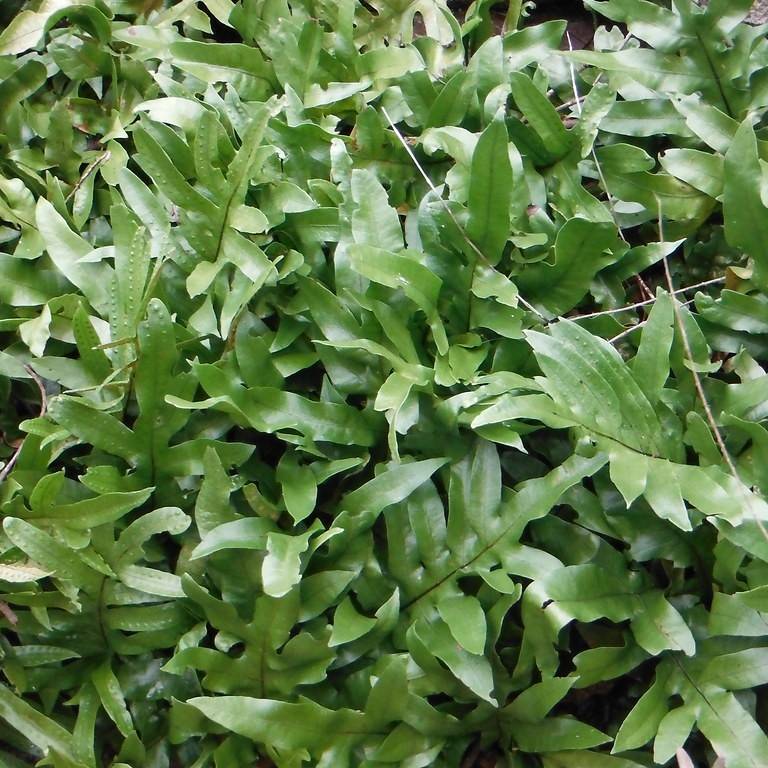
Kangaroo Fern
Microsorum pustulatum
Overview
Kangaroo fern, also sometimes called kangaroo paw fern, is an epiphytic or terrestrial fern recognized for its thick, leathery, deeply lobed fronds that have a subtle glossy sheen. In its native habitat, it grows on tree trunks, rock faces, and damp forest floors, forming dense, spreading clumps via creeping rhizomes. It is a popular houseplant choice for its tolerance of lower light and infrequent watering compared to many more delicate fern species.
Care Guide
Watering
Water your kangaroo fern when the top 1-2 inches of soil feels dry to the touch, typically every 7-10 days in warm months and every 10-14 days in cooler periods. Avoid overwatering or letting the plant sit in standing water, as this can cause rhizome rot; empty excess water from the saucer shortly after watering. As an epiphyte, it is more tolerant of occasional underwatering than constant saturated soil.
Light
Kangaroo fern thrives in bright, indirect light, such as the light from a north or east-facing window filtered through a sheer curtain. It can tolerate lower light conditions than many ferns, but extended deep shade will slow growth and reduce frond vibrancy. Avoid direct, harsh sunlight, which will scorch its leathery fronds and cause unsightly brown patches.
Soil
Use a well-draining, porous potting mix formulated for epiphytes or ferns, ideally blended with orchid bark, perlite, and peat moss or coco coir to improve aeration. The mix should retain slight moisture but drain quickly to prevent the rhizomes from sitting in damp soil for extended periods. Avoid heavy, compacted garden soil, which will suffocate the shallow root system and lead to rot.
Fertilizer
Feed your kangaroo fern once every 4-6 weeks during the active growing season (spring through summer) using a balanced, water-soluble houseplant fertilizer diluted to half the recommended strength. Do not fertilize in fall and winter, when the plant enters a period of dormancy and new growth slows significantly. Avoid applying fertilizer to dry soil, as this can burn the delicate root hairs.
Temperature
Kangaroo fern prefers consistent temperatures between 60-75°F (15-24°C), which aligns with typical indoor household temperatures. It can tolerate brief dips down to 50°F (10°C), but extended exposure to temperatures below this threshold will cause foliage damage and stunted growth. Keep it away from cold drafts, air conditioning vents, and direct heat sources like radiators to prevent frond desiccation.
Pruning
Prune your kangaroo fern as needed to remove yellowed, browned, or damaged fronds, cutting them off at the base of the stem using clean, sharp pruning shears. Regular pruning of spent fronds improves air circulation around the plant and redirects energy to new, healthy growth. You can also trim back overgrown rhizomes if the plant is spreading beyond its desired bounds in a pot or garden bed.
Propagation
The easiest way to propagate kangaroo fern is by division of the rhizome clump during repotting in early spring, carefully separating sections of the rhizome with at least 2-3 healthy fronds attached and planting each section in its own pot. It can also be grown from spores collected from the underside of mature fronds, though this method is much slower and less reliable for home growers. Ensure newly propagated divisions are kept in warm, humid conditions with bright indirect light until they establish new root growth.
Humidity
Kangaroo fern prefers moderate to high humidity levels between 50-70% to support healthy frond growth and prevent brown leaf tips. If your indoor space is dry, you can increase humidity by placing the pot on a tray filled with pebbles and water, grouping it with other humidity-loving plants, or using a small room humidifier nearby. It is more tolerant of average household humidity than many tropical fern species, making it a more forgiving choice for dry indoor environments.
Repotting
Repot your kangaroo fern every 2-3 years in early spring, or when you notice roots growing through the drainage holes or the rhizomes beginning to crowd the edge of the pot. Choose a pot that is 1-2 inches larger in diameter than the current one, with ample drainage holes to prevent waterlogging. When repotting, avoid burying the creeping rhizomes too deeply; leave them slightly exposed at the soil surface to prevent rot.
Uses & Symbolism
Kangaroo fern is primarily grown as an ornamental houseplant, perfect for hanging baskets, shelf displays, or shaded terrariums where its trailing fronds can be shown off. In mild, frost-free climates, it is also used as a groundcover in shaded garden beds, rock gardens, or planted at the base of trees to mimic its native epiphytic habitat. Its leathery fronds are sometimes used in cut flower arrangements for their long vase life and unique texture.
Diseases & Pests
Kangaroo fern is relatively pest-resistant, but it can occasionally be affected by common houseplant pests like scale, mealybugs, and spider mites, especially in dry, poorly ventilated conditions. Overwatering or poorly draining soil is the most common cause of issues, leading to rhizome rot, yellowing fronds, and wilting. Low humidity or exposure to direct sun can cause brown, crispy frond tips, which can be trimmed off to improve the plant’s appearance.
Related plants
Other plants you might like if you grow Kangaroo Fern.
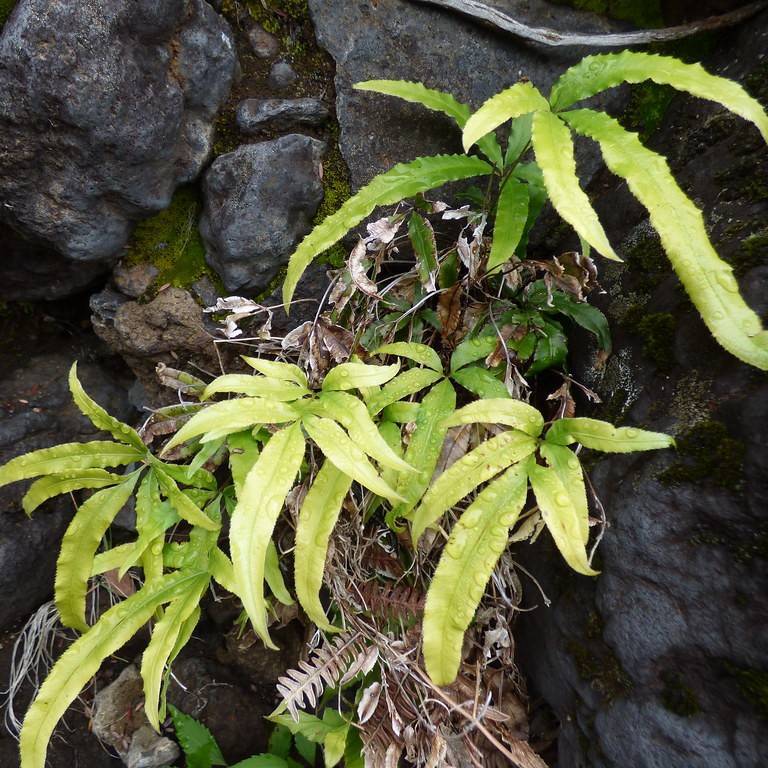
Cretan Brake
Pteris cretica
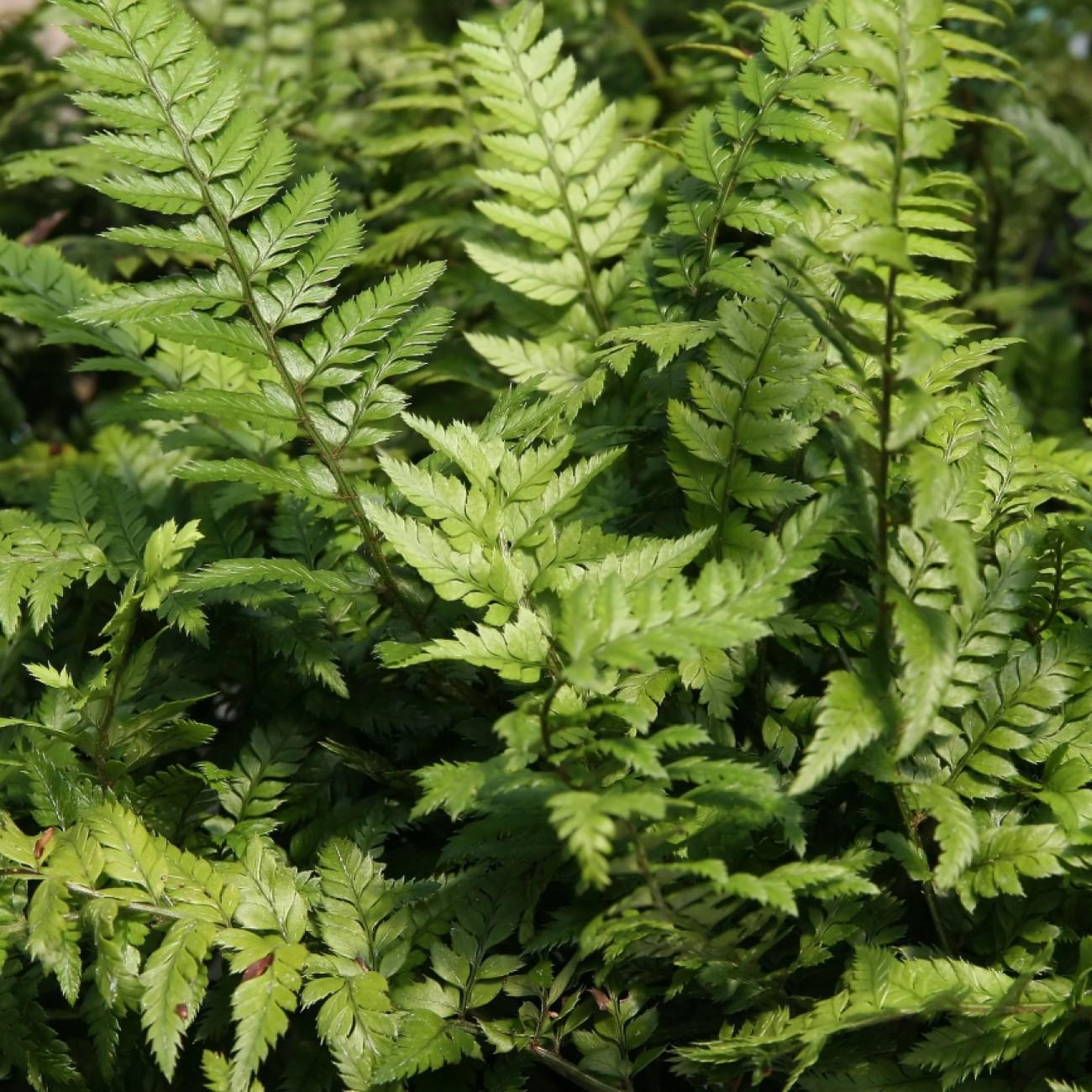
Korean Rock Fern
Polystichum tsus-simense
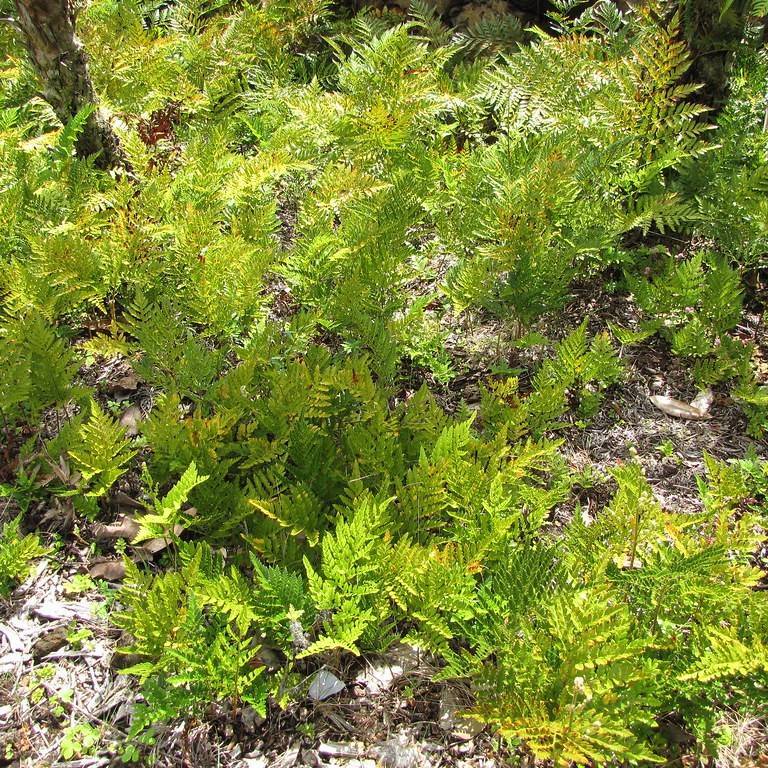
Leather Fern
Rumohra adiantiformis
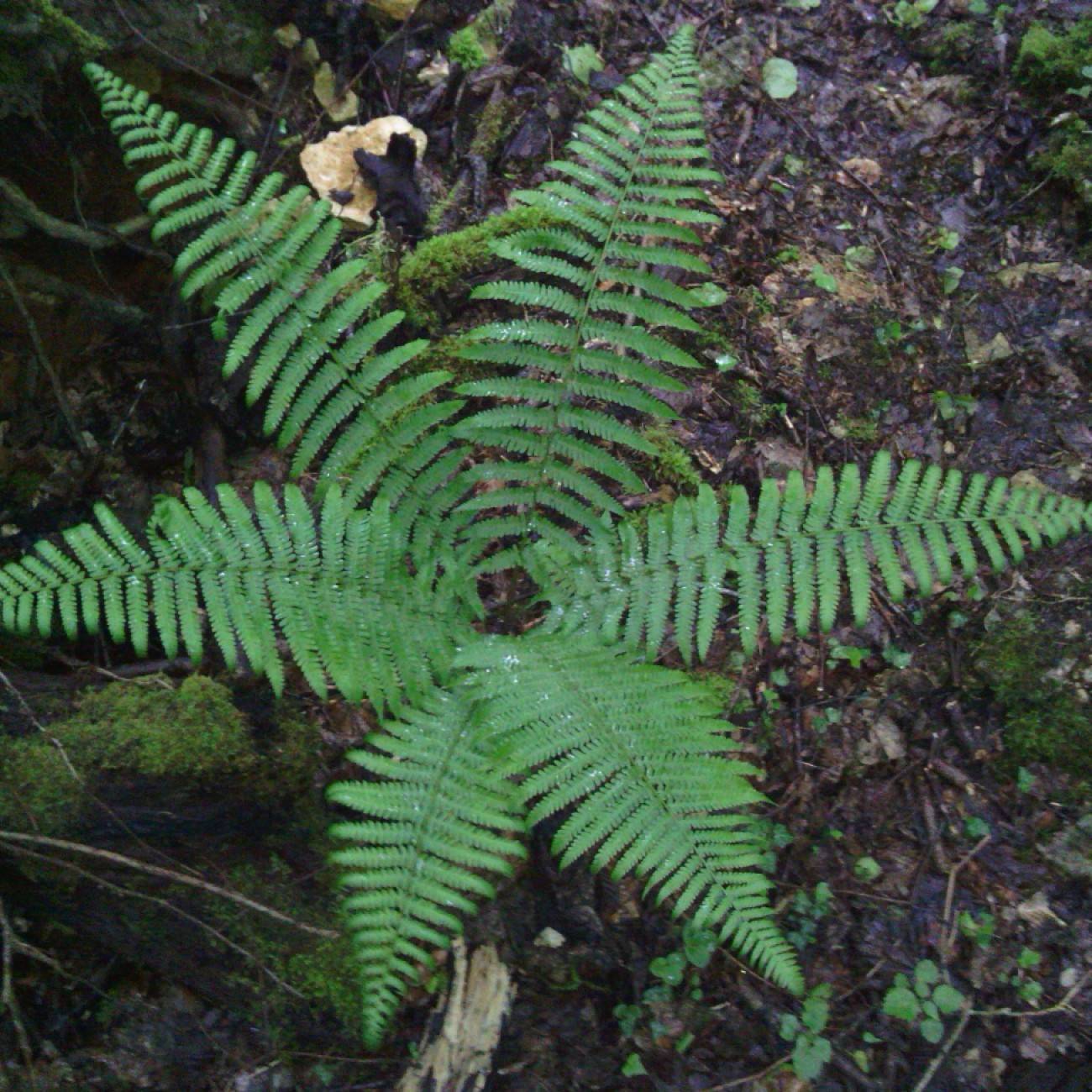
Dwarf Holly Fern
Cyrtomium falcatum 'Rochfordianum'
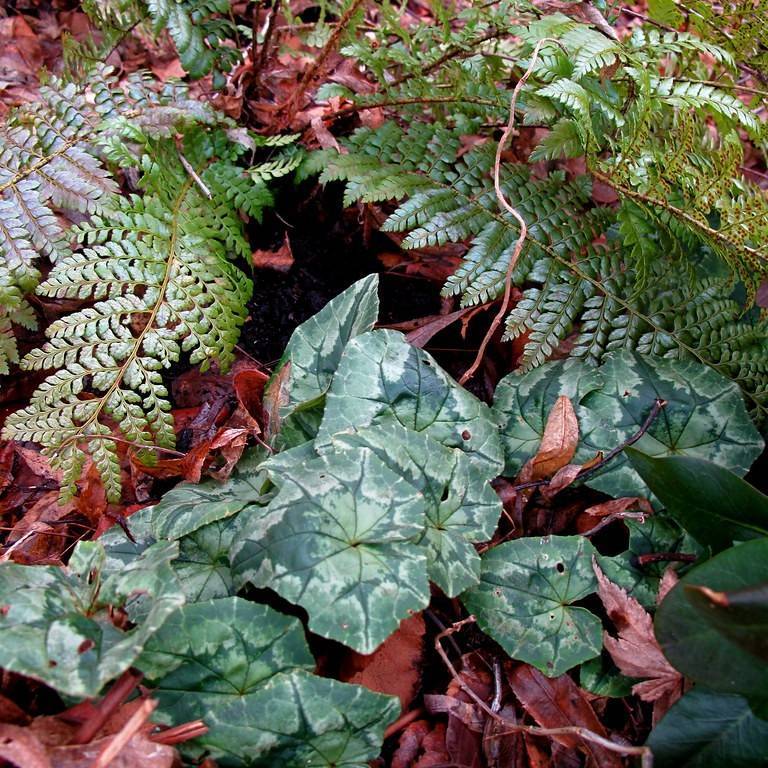
Dyce S Holly Fern
Cyrtomium fortunei 'Dycei'
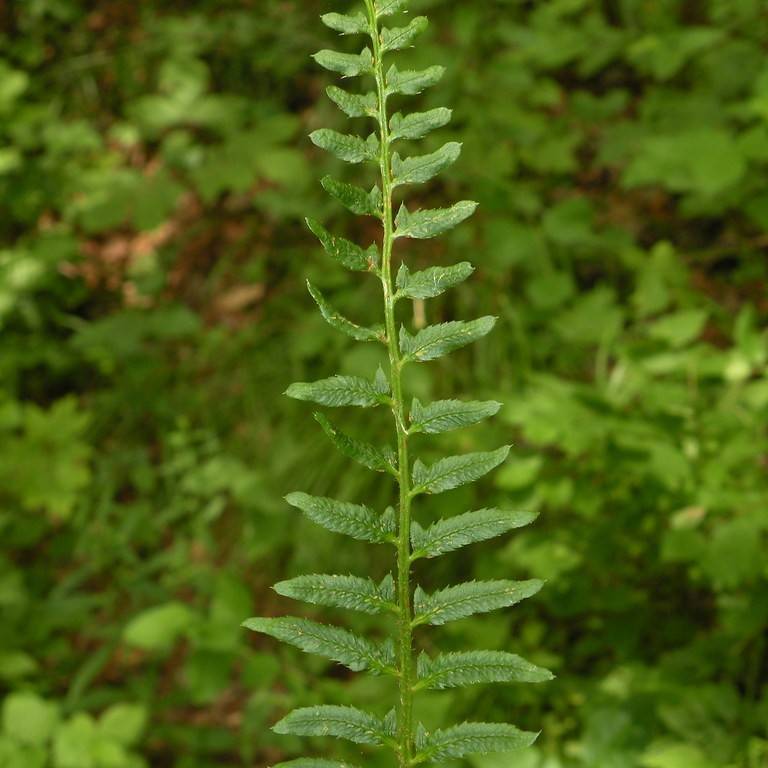
Christmas Fern
Polystichum acrostichoides
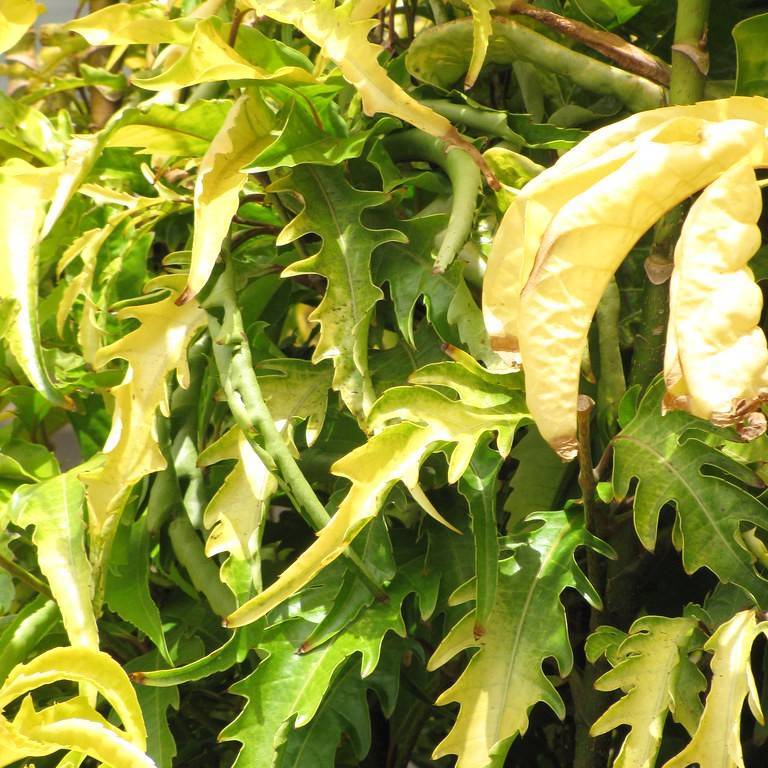
Fern Leaf Aralia
Polyscias filicifolia
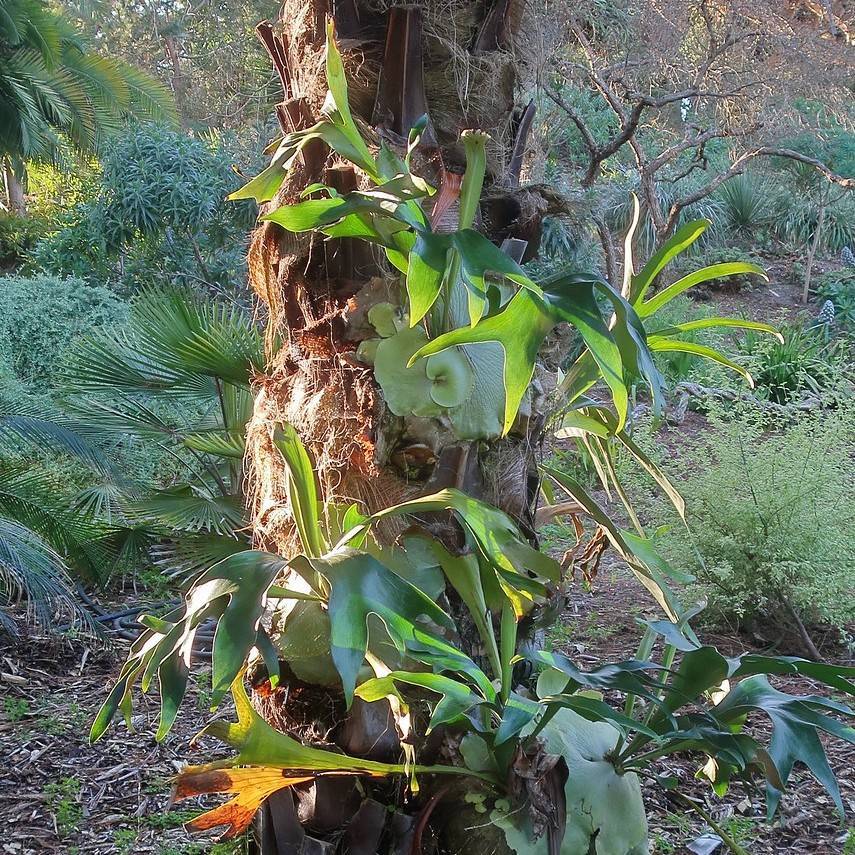
Elkhorn Fern
Platycerium bifurcatum