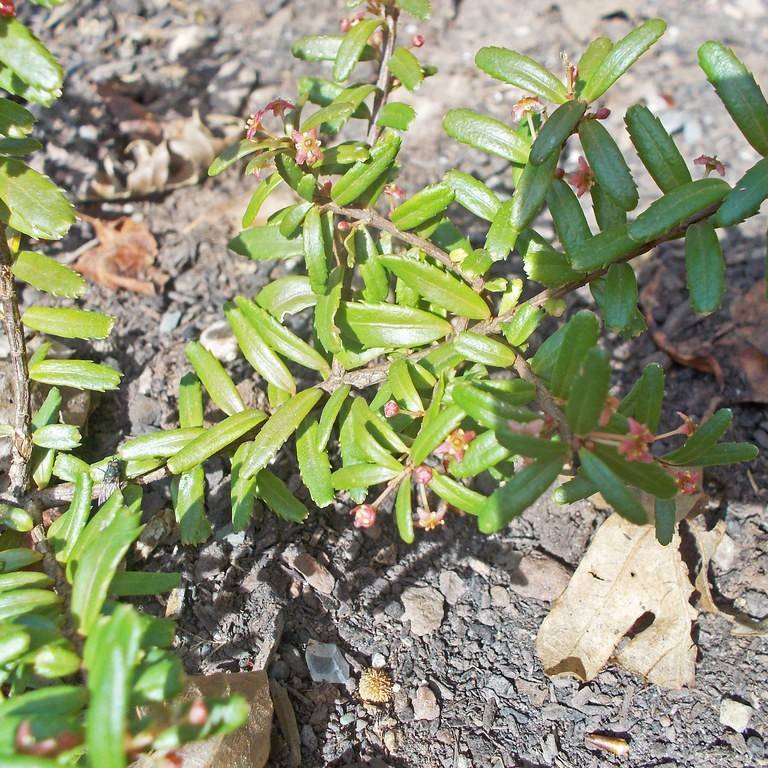
Cliff Green
Pellaea viridis
Overview
Cliff Green, a member of the maidenhair fern family, naturally grows on rocky outcrops, cliff faces, and well-drained stony slopes in its native range, earning its common name from its preferred habitat. Its leathery, pinnate fronds emerge bright lime green and deepen to a rich glossy green as they mature, forming a compact, clumping habit that rarely spreads beyond 1 foot in width. Unlike many ferns, it has low humidity requirements, making it a resilient choice for gardeners who struggle with more moisture-dependent fern species.
Care Guide
Watering
Allow the top 1 to 2 inches of soil to dry out completely between waterings, as Cliff Green is highly susceptible to root rot if left in saturated soil. Reduce watering frequency significantly during the winter dormant period, only moistening the soil when it is nearly fully dry to avoid stressing the plant. Use room-temperature, low-calcium water if possible, as it is sensitive to excessive mineral buildup in the soil.
Light
Thrives in bright, indirect light, such as that found near an east-facing window or under a shaded patio cover, and can tolerate short periods of direct morning sun. Avoid intense midday or afternoon direct sunlight, which will scorch its delicate fronds and cause unsightly brown tipping. It can survive in low light conditions for short periods, but growth will slow and frond color may fade without sufficient bright indirect exposure.
Soil
Requires extremely well-drained, porous soil with a slightly acidic to neutral pH, ideally a mix of potting soil, perlite, pumice, and crushed limestone to mimic its natural rocky habitat. Avoid heavy, moisture-retentive potting mixes that hold water for extended periods, as these will quickly lead to root rot. For outdoor rockery planting, situate it in crevices filled with gravelly, loamy soil that drains within minutes of watering.
Fertilizer
Feed sparingly with a diluted balanced liquid houseplant fertilizer (10-10-10) at half the recommended strength once every 2 to 3 months during the active growing season (spring and summer). Do not fertilize during the fall and winter, when the plant is dormant and nutrient uptake is minimal. Over-fertilization will cause leaf tip burn and stunted growth, so err on the side of under-fertilizing for best results.
Temperature
Prefers moderate temperatures between 60 and 75°F (15 to 24°C) during active growth, and can tolerate brief dips down to 40°F (4°C) as long as the soil is kept dry. Avoid extended exposure to temperatures below 40°F (4°C), which will kill the above-ground fronds and may damage the root system. Protect it from cold drafts and sudden temperature fluctuations, which can cause frond drop.
Pruning
Remove brown, dead, or damaged fronds at the base with clean, sharp pruning shears as they appear to encourage new healthy growth and maintain a tidy appearance. Cut back any fronds that show signs of fungal disease or pest infestation immediately to prevent spread to healthy foliage. No regular heavy pruning is required, as the plant maintains a naturally compact clumping habit over time.
Propagation
Most easily propagated by division of mature clumps in early spring, carefully separating the root ball into smaller sections with at least 3 to 4 healthy fronds each and planting them in individual pots with well-drained soil. It can also be grown from spores collected from the undersides of mature fronds, though this method is slower and less reliable for home gardeners. Ensure newly propagated plants are kept in warm, bright indirect light with consistent but not excessive moisture until they are fully established.
Humidity
Adaptable to average household humidity levels between 30 and 50%, making it far more tolerant of dry indoor air than most other fern species. It will benefit from occasional misting during periods of extremely low humidity, such as in heated homes during winter, to prevent leaf tip drying. Avoid placing it near heating vents or other sources of hot, dry air that can desiccate its fronds.
Repotting
Repot only every 2 to 3 years, as Cliff Green prefers to be slightly root-bound and will grow best when its root system is confined to a relatively small pot. Choose a pot with multiple drainage holes that is only 1 to 2 inches larger in diameter than the current pot to avoid excess soil holding unwanted moisture. The best time to repot is in early spring, just before the start of the active growing season, to minimize transplant stress.
Uses & Symbolism
Cliff Green is a popular low-maintenance houseplant for well-lit indoor spaces, often used in tabletop displays, hanging baskets, and terrariums designed for drier conditions. In warm, frost-free climates, it is planted in rock gardens, stone crevices, and xeriscape landscapes to add lush green foliage to low-water planting schemes. It is occasionally used in traditional African medicine to treat minor respiratory ailments and skin irritations, though clinical validation of these uses is limited.
Diseases & Pests
The most common issue affecting Cliff Green is root rot, caused by overwatering or poorly draining soil, which presents as yellowing, wilting fronds and a mushy, foul-smelling root system. It is susceptible to common houseplant pests including scale insects, mealybugs, and spider mites, which tend to colonize the undersides of fronds and can be controlled with neem oil or insecticidal soap sprays. Fungal leaf spot may occur if fronds are kept consistently wet, so avoid overhead watering and ensure good air circulation around the plant to prevent infection.
Related plants
Other plants you might like if you grow Cliff Green.
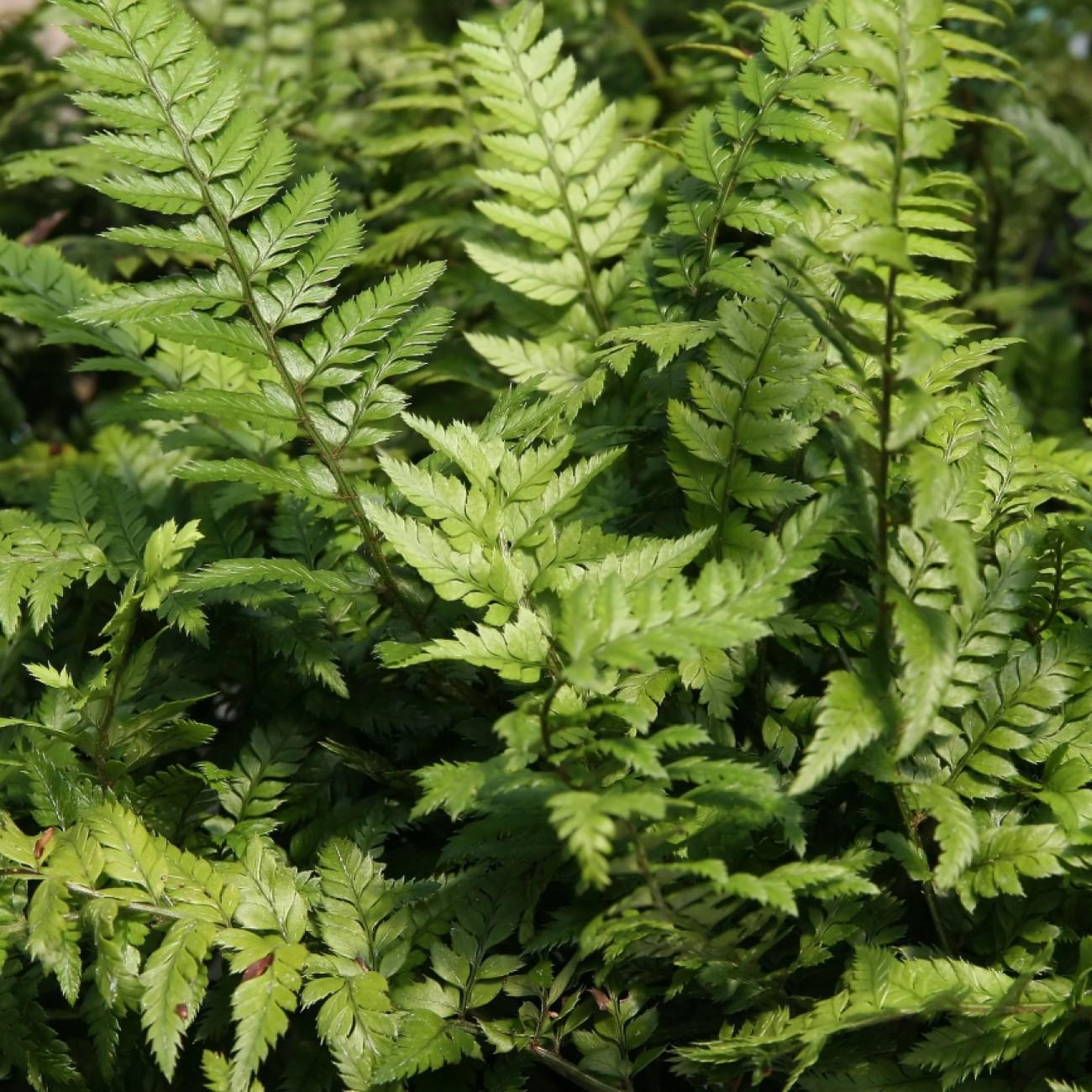
Korean Rock Fern
Polystichum tsus-simense
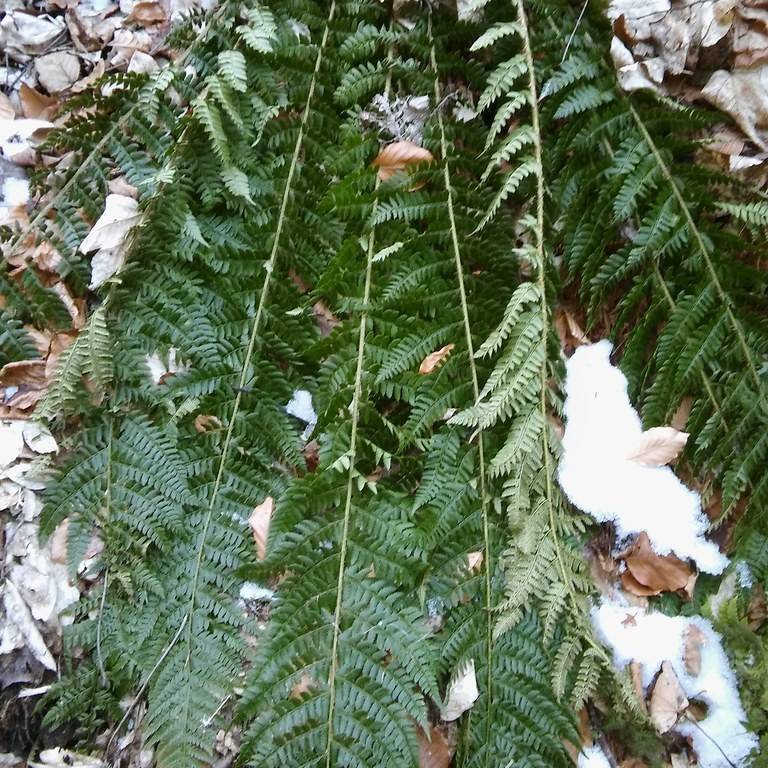
Braun's Holly Fern
Polystichum braunii
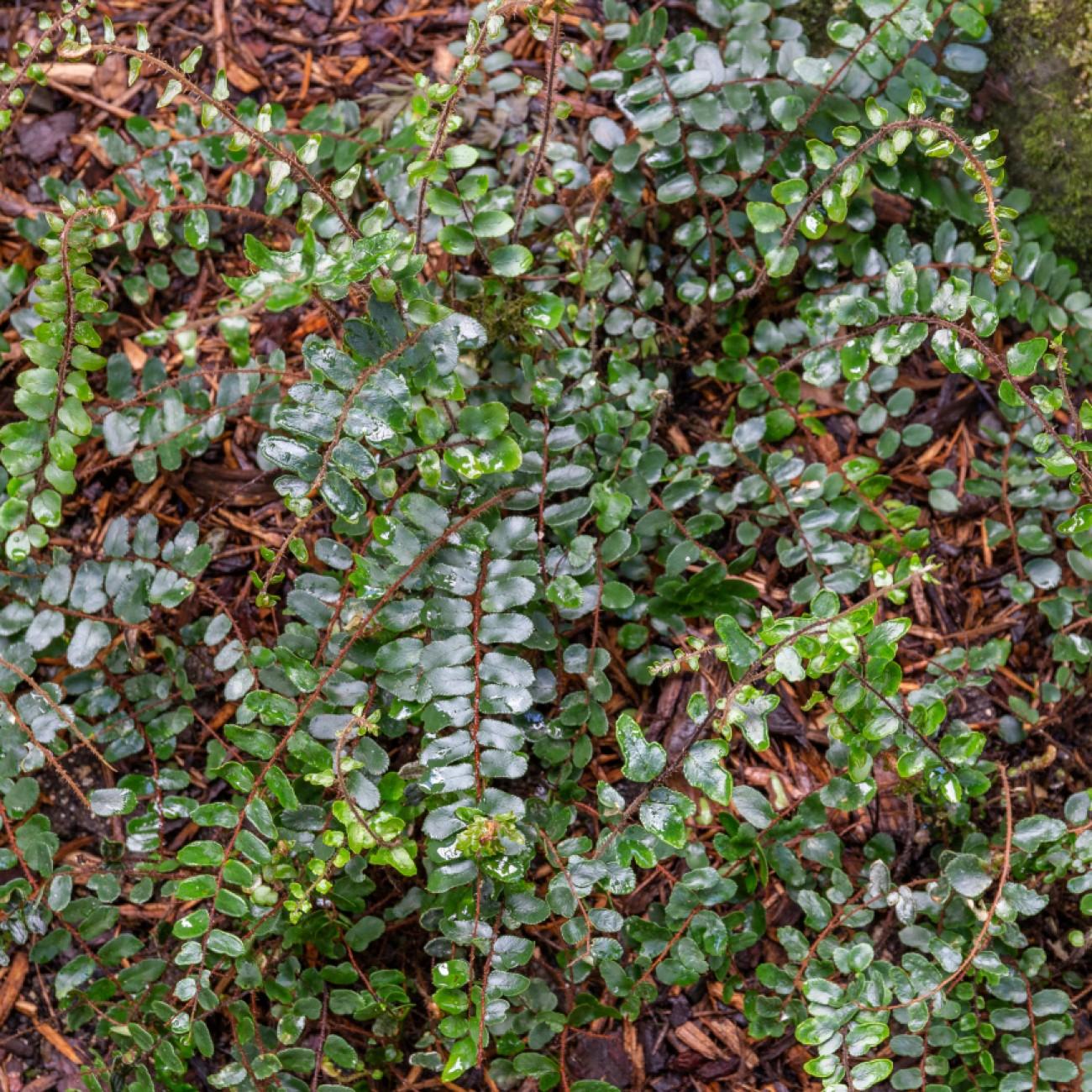
Button Fern
Pellaea rotundifolia
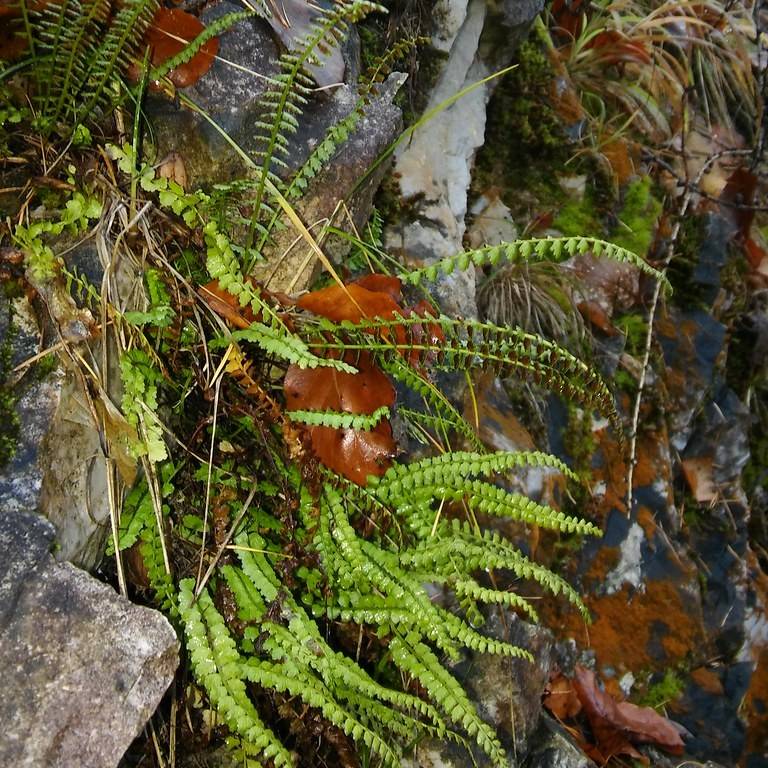
Green Spleenwort
Asplenium viride
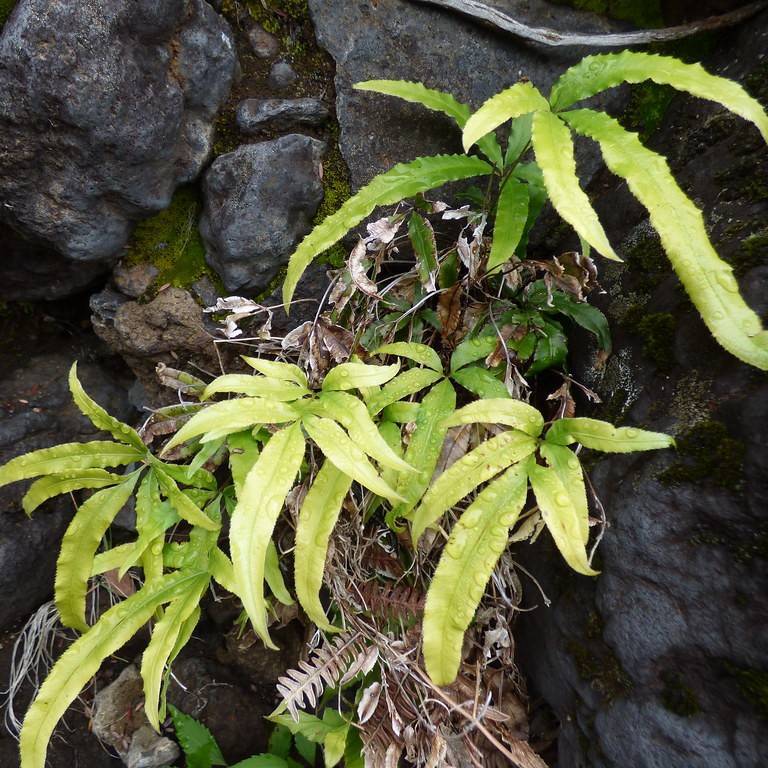
Cretan Brake
Pteris cretica
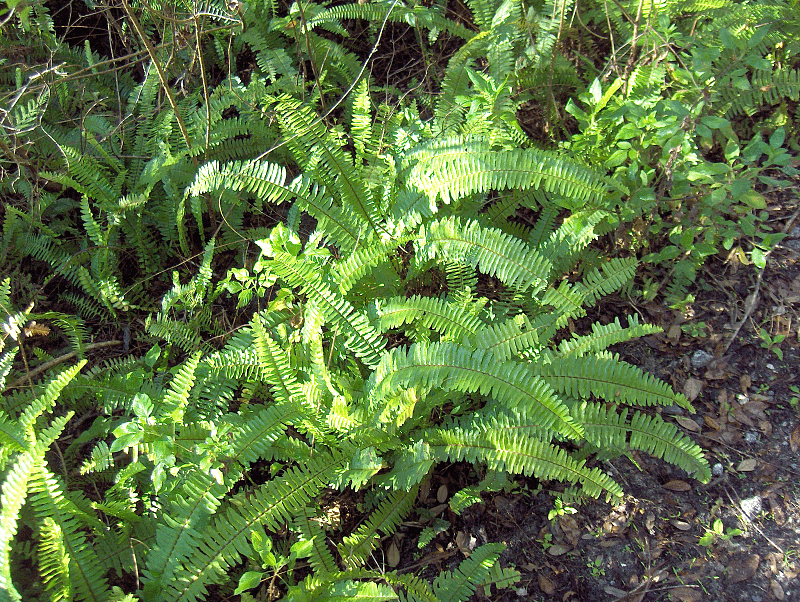
Boston Fern
Nephrolepis exaltata 'Bostoniensis'
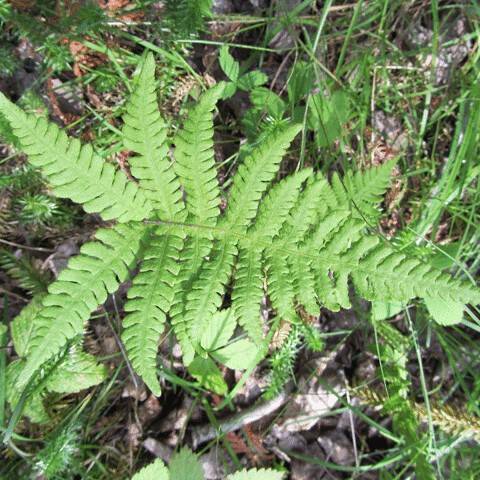
Broad Beech Fern
Phegopteris hexagonoptera
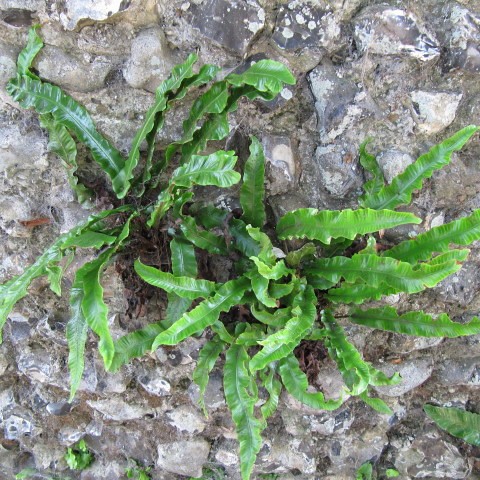
European Hart's Tongue Fern
Asplenium scolopendrium