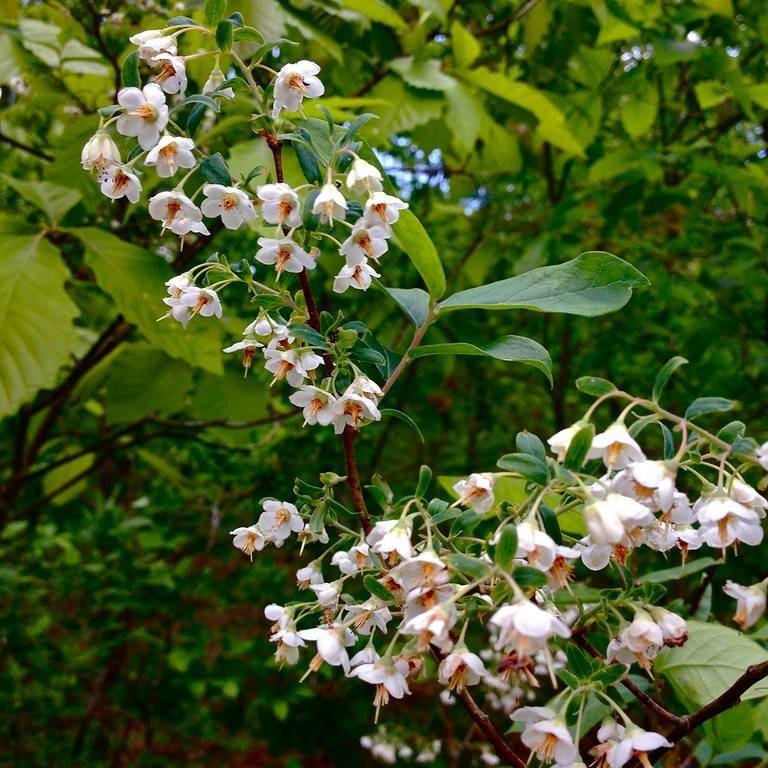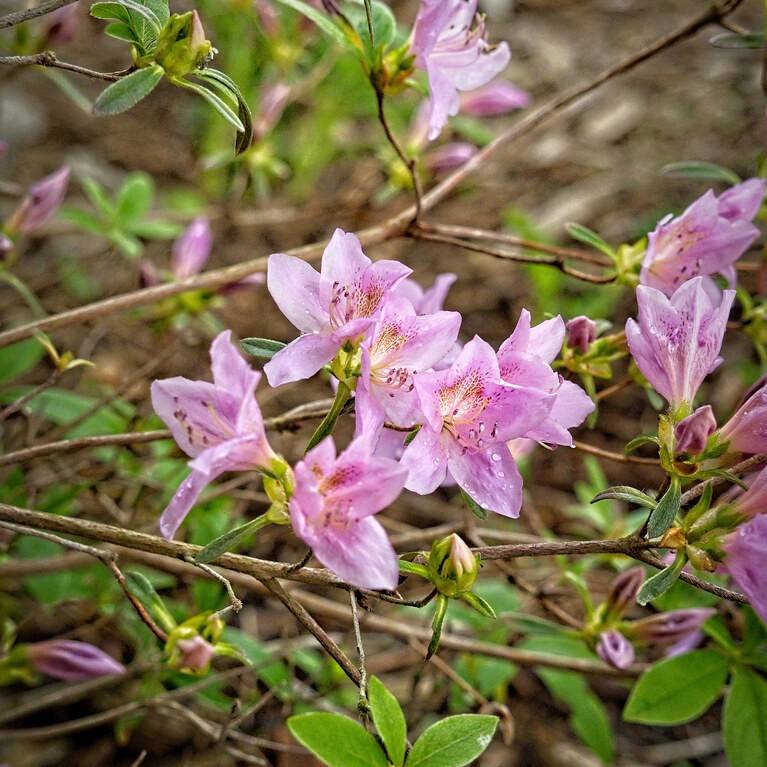
Korean Azalea
Rhododendron yedoense var. poukhanense
Overview
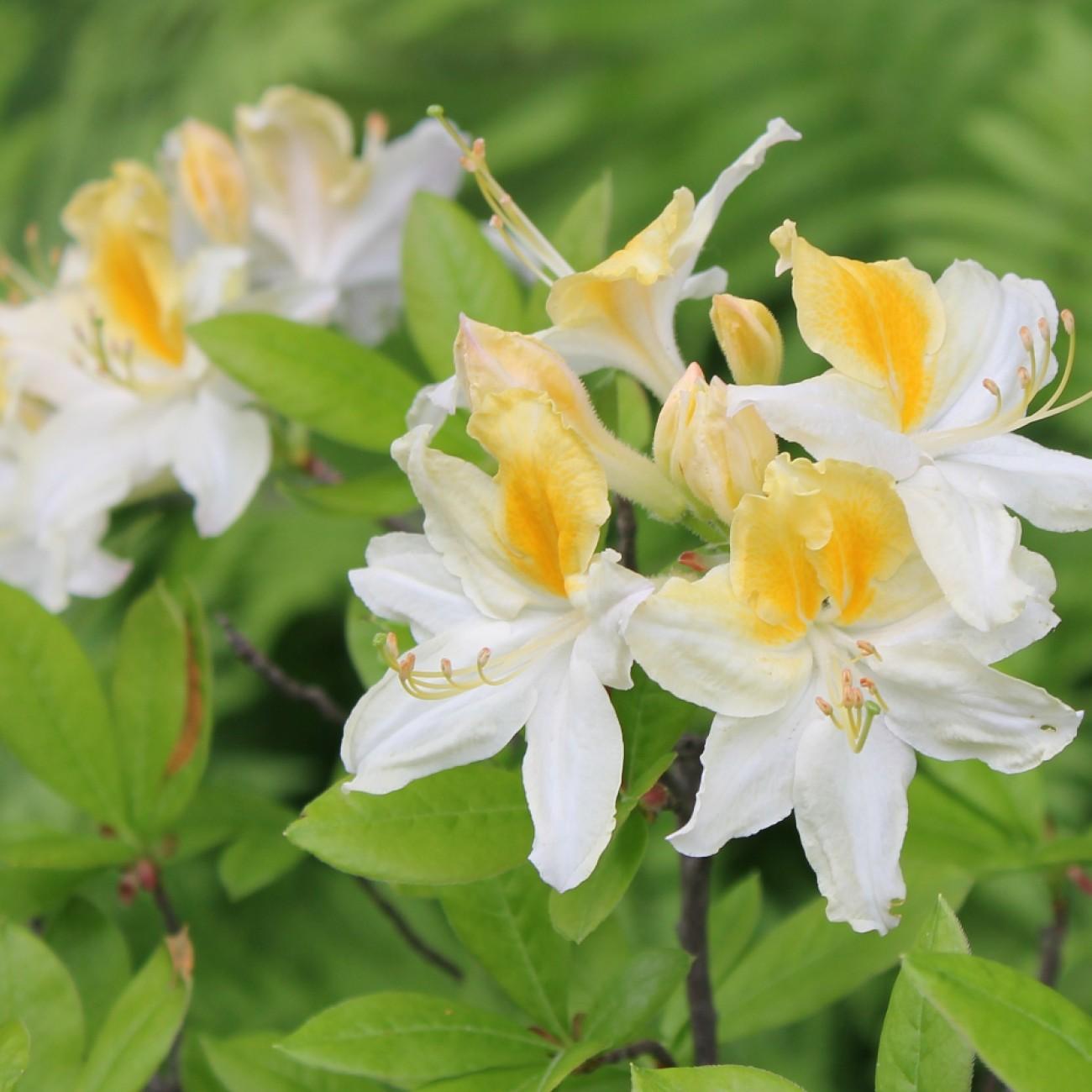
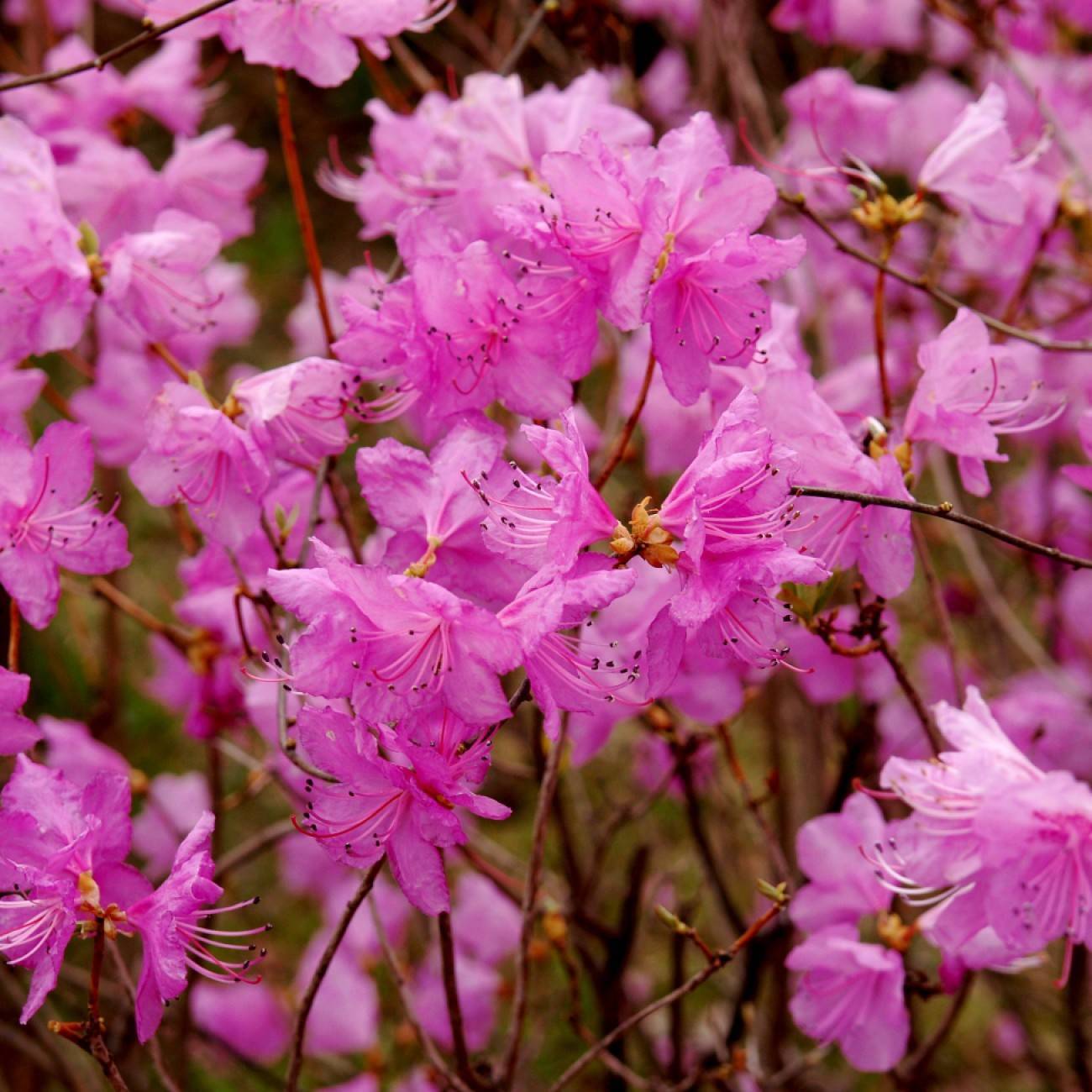
Korean azalea is a compact, deciduous shrub prized for its abundant, fragrant, funnel-shaped lavender-pink blooms that emerge in early spring before new foliage fully unfurls. Its dark green, elliptical leaves turn attractive shades of yellow, orange, and red in autumn, adding multi-season interest to gardens. This cold-hardy variety tolerates lower temperatures than many azalea species, making it a popular choice for temperate and cool-climate landscapes.
Care Guide
Watering
Water consistently to keep the soil evenly moist but not waterlogged, especially during dry spells and the first two years after planting to establish a strong root system. Avoid overhead watering to reduce the risk of leaf spot and fungal diseases, directing water at the base of the shrub instead. Reduce watering frequency in late fall to prepare the plant for winter dormancy.
Light
Thrives in partial shade with dappled sunlight, such as the filtered light under tall deciduous trees, which protects its foliage from scorching in intense midday sun. It can tolerate full sun in cooler climates if provided with consistent moisture, but excessive direct sunlight in warm regions may cause leaf burn and reduce bloom production. Too much deep shade will result in sparse flowering and leggy growth.
Soil
Requires well-draining, acidic soil with a pH between 4.5 and 6.0, rich in organic matter such as peat moss, pine bark, or leaf mold to support healthy root growth. Heavy clay soils that retain water should be amended extensively with organic material or planted in raised beds to prevent root rot, a common issue for azaleas in poorly drained conditions. Avoid alkaline soils, as they will cause nutrient deficiencies leading to yellowing foliage and stunted growth.
Fertilizer
Feed with a slow-release, acidic fertilizer formulated for azaleas, rhododendrons, and camellias in early spring just before new growth emerges, and again lightly after flowering finishes to support bud development for the next year. Do not fertilize after mid-summer, as this can stimulate tender new growth that will be damaged by early fall frosts. Over-fertilization can burn the shallow root system, so always follow package dosage instructions and avoid applying fertilizer directly to the root crown.
Temperature
Is highly cold-hardy, tolerating winter temperatures as low as -25°F (-32°C) when established, making it suitable for USDA hardiness zones 4 through 8. It prefers moderate summer temperatures between 60°F and 75°F (15°C to 24°C), and may require extra mulch around the root zone in the coldest parts of its range to insulate roots from extreme temperature fluctuations. Late spring frosts can damage emerging flower buds, so site the plant in a protected area if late cold snaps are common in your region.
Pruning
Prune immediately after flowering finishes in spring, before the plant sets new flower buds for the following year, to avoid cutting off next season’s blooms. Remove dead, damaged, or diseased branches first, then trim back overgrown stems to maintain the desired compact shape and encourage bushier, more floriferous growth. Avoid heavy pruning of more than one-third of the shrub’s total size in a single year, as this can stress the plant and reduce flowering for multiple seasons.
Propagation
Most commonly propagated from semi-hardwood cuttings taken in mid to late summer, using 4-6 inch stem tips from healthy, current-year growth, dipped in rooting hormone and planted in a moist, acidic rooting medium under high humidity. It can also be grown from seed, but seed-grown plants may not retain the exact flower color and growth habit of the parent plant, and take several years to reach flowering size. Grafting onto hardy rhododendron rootstock is sometimes used for commercial production to improve disease resistance and adaptability to different soil conditions.
Humidity
Prefers moderate to high humidity levels between 50% and 70%, typical of its native forest understory habitats, which supports healthy foliage and prevents leaf tip browning. In dry climates or indoor growing environments, regular misting or placing a tray of pebbles and water beneath the plant can help raise ambient humidity levels. Good air circulation is also important to prevent fungal diseases, so avoid planting Korean azaleas in overly crowded, stagnant air locations.
Repotting
If grown in containers, repot every 2 to 3 years in early spring before new growth starts, using a peat-based acidic potting mix formulated for ericaceous plants. Choose a pot only one size larger than the current one, as Korean azaleas have shallow root systems that prefer to be slightly root-bound, and an oversized pot can hold excess moisture leading to root rot. Gently loosen the outer roots when repotting to encourage new root growth into the fresh medium, and water thoroughly after planting to settle the soil around the roots.
Uses & Symbolism
Korean azalea is primarily used as an ornamental landscaping shrub, planted in foundation plantings, mixed shrub borders, woodland gardens, and mass plantings for its vibrant spring blooms and attractive autumn foliage. It is also a popular choice for bonsai cultivation due to its compact growth habit, small leaves, and abundant spring flowers, which respond well to pruning and training. Its nectar attracts pollinators such as bees and butterflies, making it a useful addition to wildlife-friendly native plant gardens in its suitable growing range.
Diseases & Pests
Common fungal diseases include leaf spot, powdery mildew, petal blight, and root rot, which are most prevalent in poorly drained soil or conditions with high humidity and poor air circulation. Common pests include azalea lace bugs, spider mites, aphids, and root weevils, which feed on foliage and roots, causing yellowing leaves, stunted growth, and reduced flowering if left untreated. Chlorosis, or yellowing of leaves due to iron deficiency, is a common issue in alkaline soils, and can be corrected by adjusting soil pH or applying chelated iron supplements.
Related plants
Other plants you might like if you grow Korean Azalea.
%22%2F%3E%0A%20%20%20%20%20%20%3Ccircle%20cx%3D%22920%22%20cy%3D%22180%22%20r%3D%2290%22%20fill%3D%22%23cfe8d5%22%2F%3E%0A%20%20%20%20%20%20%3Cpath%20d%3D%22M600%20590c-90-180-215-255-310-280%200%20165%20118%20296%20270%20296h40z%22%20fill%3D%22%2379b88e%22%2F%3E%0A%20%20%20%20%20%20%3Cpath%20d%3D%22M600%20590c80-150%20198-212%20302-228-8%20142-123%20255-270%20255h-32z%22%20fill%3D%22%235c9f73%22%2F%3E%0A%20%20%20%20%20%20%3Cpath%20d%3D%22M600%20610V360%22%20stroke%3D%22%234f8c64%22%20stroke-width%3D%2218%22%20stroke-linecap%3D%22round%22%2F%3E%0A%20%20%20%20%20%20%3Ctext%20x%3D%22600%22%20y%3D%22700%22%20text-anchor%3D%22middle%22%20font-family%3D%22Arial%2C%20sans-serif%22%20font-size%3D%2244%22%20fill%3D%22%23365c45%22%3E%0A%20%20%20%20%20%20%20%20Plant%20image%20coming%20soon%0A%20%20%20%20%20%20%3C%2Ftext%3E%0A%20%20%20%20%3C%2Fsvg%3E%0A%20%20)