%22%2F%3E%0A%20%20%20%20%20%20%3Ccircle%20cx%3D%22920%22%20cy%3D%22180%22%20r%3D%2290%22%20fill%3D%22%23cfe8d5%22%2F%3E%0A%20%20%20%20%20%20%3Cpath%20d%3D%22M600%20590c-90-180-215-255-310-280%200%20165%20118%20296%20270%20296h40z%22%20fill%3D%22%2379b88e%22%2F%3E%0A%20%20%20%20%20%20%3Cpath%20d%3D%22M600%20590c80-150%20198-212%20302-228-8%20142-123%20255-270%20255h-32z%22%20fill%3D%22%235c9f73%22%2F%3E%0A%20%20%20%20%20%20%3Cpath%20d%3D%22M600%20610V360%22%20stroke%3D%22%234f8c64%22%20stroke-width%3D%2218%22%20stroke-linecap%3D%22round%22%2F%3E%0A%20%20%20%20%20%20%3Ctext%20x%3D%22600%22%20y%3D%22700%22%20text-anchor%3D%22middle%22%20font-family%3D%22Arial%2C%20sans-serif%22%20font-size%3D%2244%22%20fill%3D%22%23365c45%22%3E%0A%20%20%20%20%20%20%20%20Plant%20image%20coming%20soon%0A%20%20%20%20%20%20%3C%2Ftext%3E%0A%20%20%20%20%3C%2Fsvg%3E%0A%20%20)
Deciduous Azalea
Rhododendron spp. (subgenus Pentanthera)
Overview
Deciduous azaleas drop their leaves in fall, often displaying striking red, orange, or gold autumn foliage before going dormant for winter. Unlike their evergreen azalea relatives, they tolerate much colder temperatures, with many varieties hardy to USDA zone 4. Their funnel-shaped, often fragrant blooms come in a wide range of hues including white, pink, yellow, orange, and red, attracting pollinators such as bees, butterflies, and hummingbirds.
Care Guide
Watering
Keep soil consistently moist but never waterlogged, as deciduous azaleas have shallow, fine roots that are prone to both drought stress and root rot. Water deeply at the base of the plant during dry spells, avoiding wetting the foliage to reduce fungal disease risk. Reduce watering frequency in fall as the plant prepares for dormancy, only providing supplemental water if the soil is extremely dry.
Light
Plant in partial shade with dappled sunlight, such as under tall, open-canopied trees, to protect blooms and foliage from scorching midday sun. They can tolerate full sun in cooler climates if provided with consistent moisture, but too much direct sun in warm regions will cause leaf burn and faded flowers. Too much deep shade will reduce blooming and lead to leggy, sparse growth.
Soil
Requires well-draining, acidic soil with a pH between 4.5 and 6.0, rich in organic matter such as peat moss, composted pine needles, or leaf mold. Heavy clay soils should be amended heavily with organic material, or plants can be grown in raised beds to improve drainage. Avoid planting too deeply, as shallow roots will suffocate if buried more than 1 inch (2.5 cm) below the soil surface.
Fertilizer
Feed lightly in early spring just before new growth emerges, using a slow-release, acidic fertilizer formulated for rhododendrons or azaleas. Avoid over-fertilizing, as excess nutrients can burn shallow roots and lead to leaf tip burn or reduced blooming. Do not fertilize after mid-summer, as this can stimulate tender new growth that will be damaged by early fall frosts.
Temperature
Most deciduous azalea cultivars are cold hardy to USDA zones 4 through 8, tolerating winter temperatures as low as -30°F (-34°C) when established. They require a period of winter chill between 32 and 45°F (0 and 7°C) for 1,000 to 2,000 hours to trigger healthy spring blooming. Protect young plants from harsh winter winds and extreme temperature fluctuations with a layer of mulch around the root zone.
Pruning
Prune immediately after flowering finishes in spring, before next year’s flower buds set in mid-summer, to avoid removing future blooms. Remove dead, damaged, or crossing branches first to improve air circulation through the canopy, then shape the plant as desired by cutting back to just above a healthy leaf node. Mature overgrown plants can be rejuvenated with hard pruning, cutting back to 1-2 feet (30-60 cm) above the soil line in late winter.
Propagation
The most reliable method for home gardeners is softwood cuttings taken in early summer, from new growth that is just starting to harden off. Dip cut end in rooting hormone, plant in a mix of peat moss and perlite, and keep in a humid, shaded environment until roots form in 2 to 3 months. Deciduous azaleas can also be grown from seed, but seed-grown plants will not retain the exact characteristics of the parent cultivar and may take 3 to 5 years to bloom.
Humidity
Prefer moderate to high humidity levels between 50 and 70%, which is naturally found in their native woodland habitats. In dry climates, increase humidity around plants by mulching heavily around the root zone to retain soil moisture, or grouping with other acid-loving shrubs to create a more humid microclimate. Avoid planting in areas with constant dry, blowing wind, which will desiccate foliage and reduce bloom longevity.
Repotting
If growing in containers, repot every 2 to 3 years in late winter or early spring before new growth begins, using an acidic potting mix formulated for rhododendrons. Choose a pot that is only 1 to 2 inches (2.5 to 5 cm) larger than the current root ball, as overly large pots will hold excess moisture and lead to root rot. Gently loosen tangled roots before planting, and water thoroughly after repotting to settle soil around the root system.
Uses & Symbolism
Deciduous azaleas are widely planted as ornamental shrubs in woodland gardens, mixed borders, and foundation plantings, prized for their dramatic spring blooms and vibrant fall foliage. Many cultivars are fragrant, making them popular for planting near patios, walkways, or outdoor seating areas where their scent can be enjoyed. Some native North American species have a history of traditional use by Indigenous communities for medicinal purposes, though their toxicity makes at-home use unsafe.
Diseases & Pests
Common fungal diseases include powdery mildew, leaf spot, and petal blight, which thrive in wet, poorly ventilated conditions and can be prevented by avoiding overhead watering and pruning to improve air flow. Root rot is a major issue in poorly draining or overwatered soil, leading to yellowing leaves, wilting, and eventual plant death if not corrected. Common pests include azalea lace bugs, spider mites, and rhododendron borers, which can be controlled with horticultural oil or insecticidal soap applied at the first sign of infestation.
Related plants
Other plants you might like if you grow Deciduous Azalea.
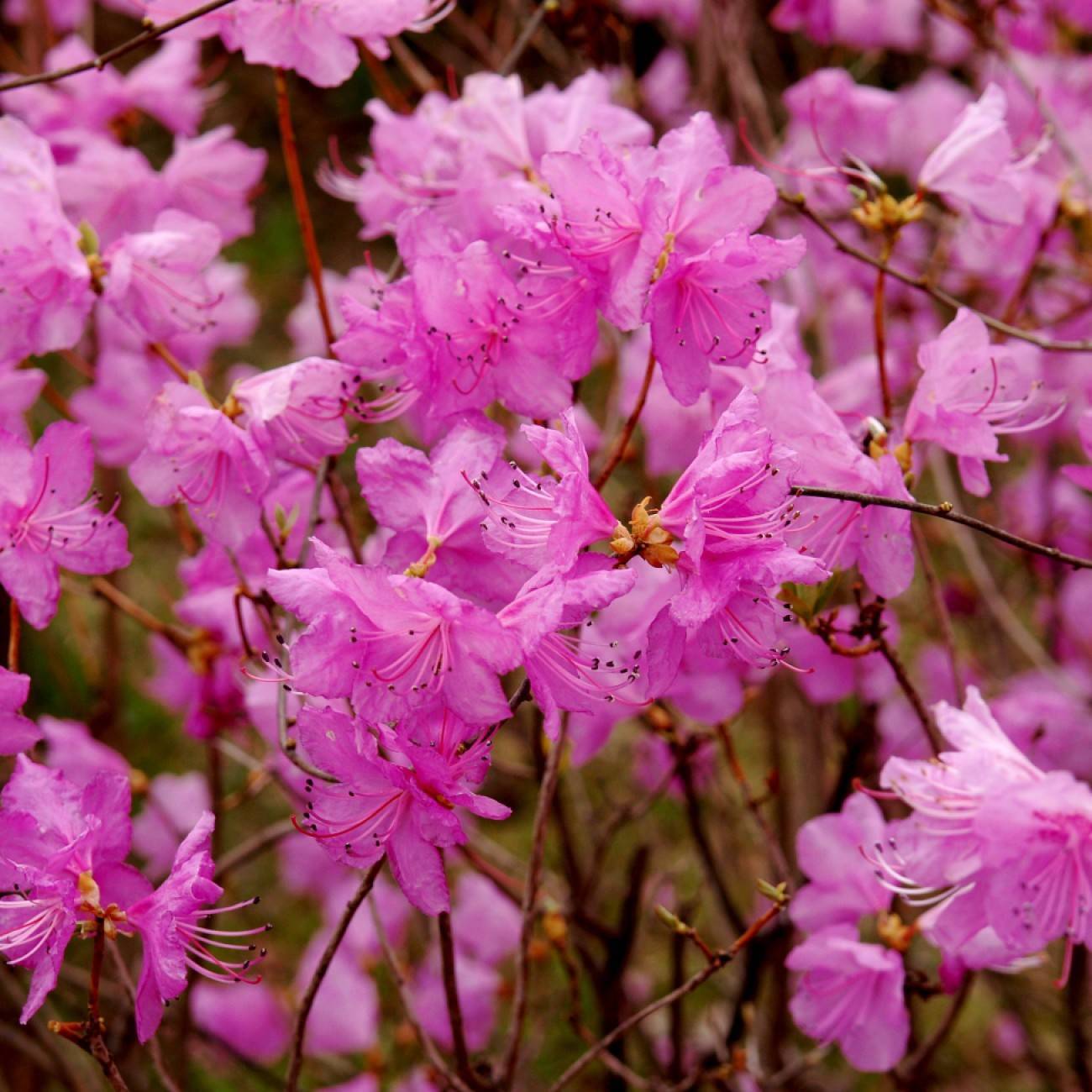
Korean Rhododendron
Rhododendron mucronulatum
Dahurian Rhododendron
Rhododendron dahuricum
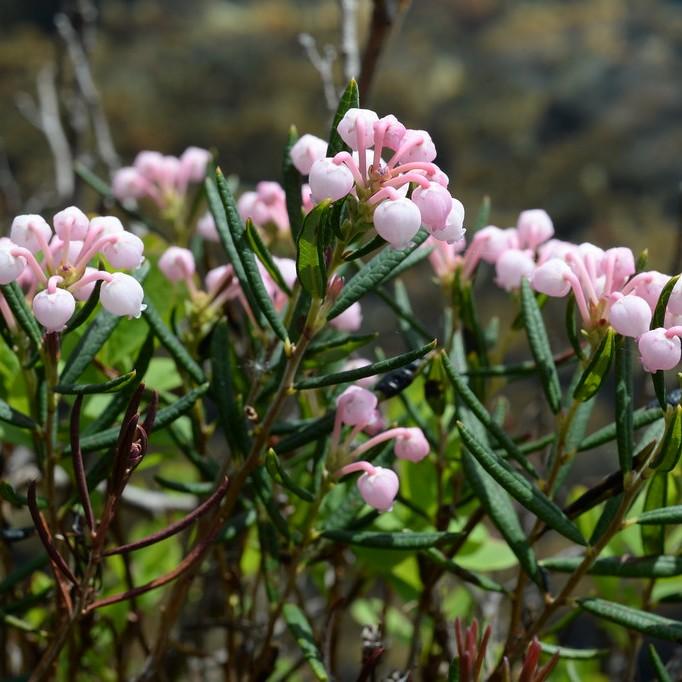
Bog Rosemary
Andromeda polifolia
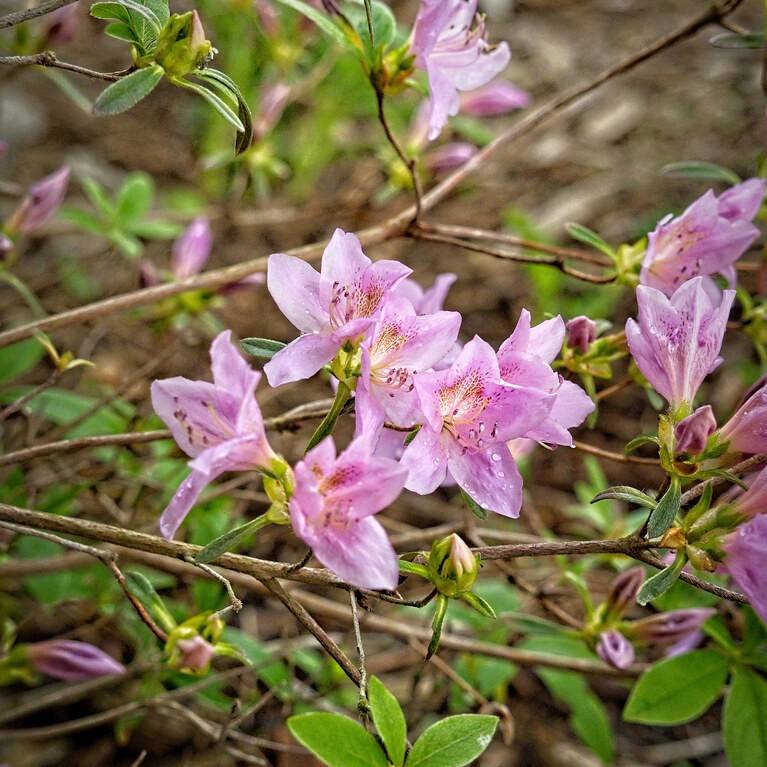
Korean Azalea
Rhododendron yedoense var. poukhanense
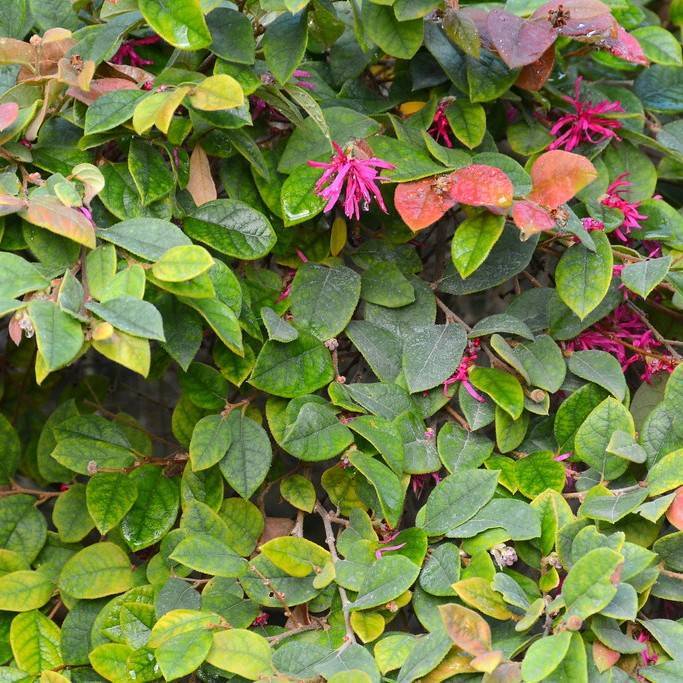
Chinese Fringe Flower
Loropetalum chinense
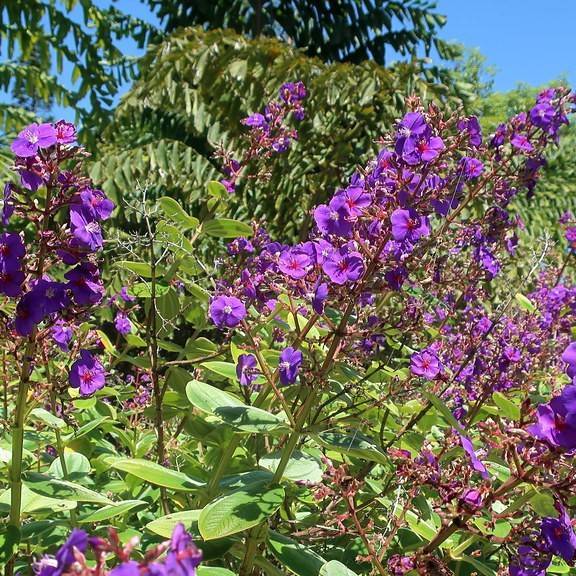
Glory Bush
Tibouchina urvilleana
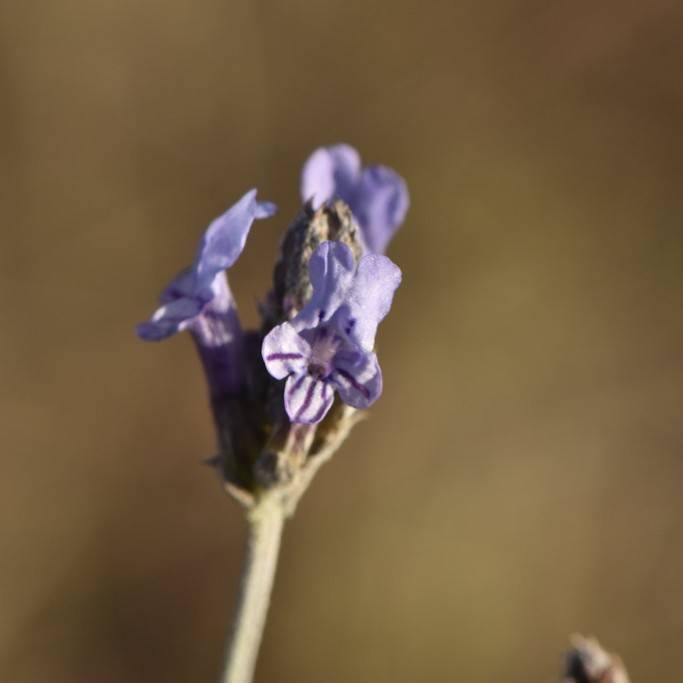
French Lace
Hydrangea macrophylla 'French Lace'
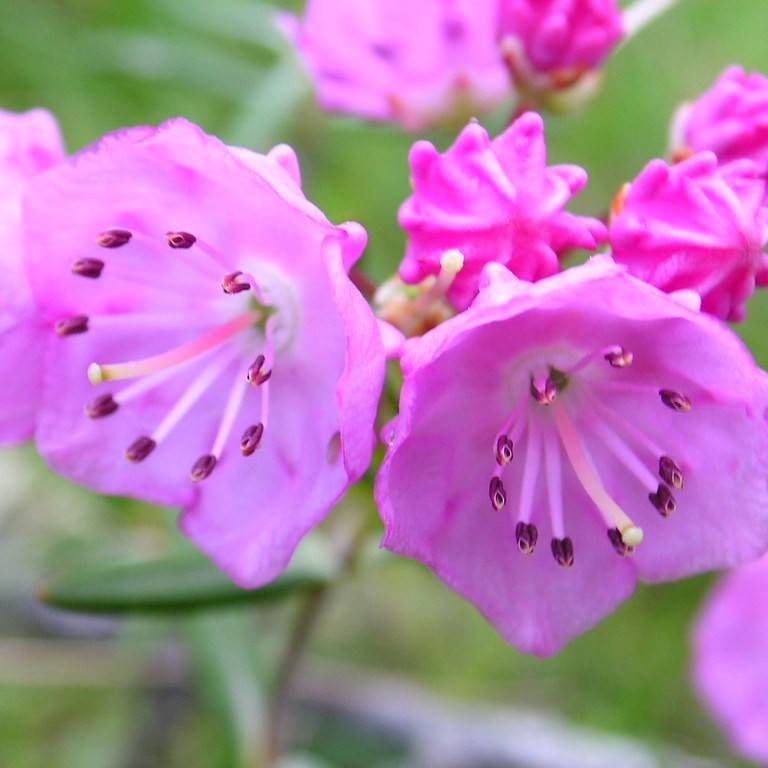
Bog Laurel
Kalmia polifolia