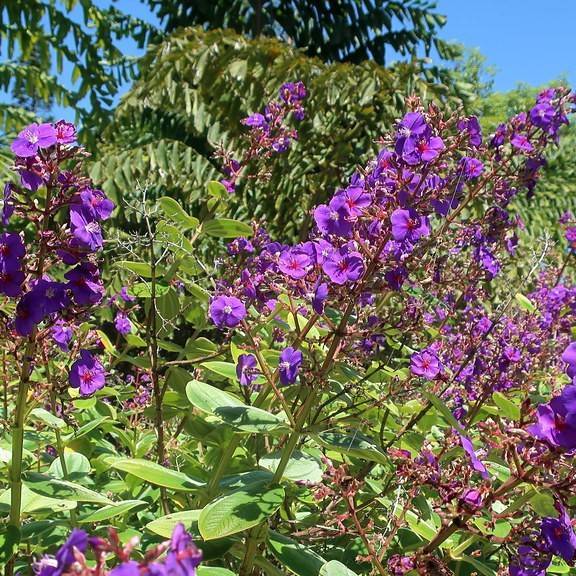
Glory Bush
Tibouchina urvilleana
Overview
Glory bush, also known as princess flower, is a showy evergreen shrub native to Brazil's warm coastal regions. It boasts large, rich purple, five-petaled flowers that bloom in flushes from summer through fall, paired with fuzzy, veined dark green leaves that often have a reddish underside. In tropical and subtropical climates it grows into a large, bushy landscape shrub, while in cooler regions it is widely grown as a potted houseplant or seasonal patio plant.
Care Guide
Watering
Keep the soil consistently moist but not waterlogged during the active growing season from spring to fall, allowing the top 1 inch of soil to dry out between waterings. Reduce watering frequency in winter when growth slows, taking care not to let the root ball dry out completely. Avoid using hard water with high lime content, as this can cause leaf yellowing and nutrient deficiencies.
Light
Grow glory bush in bright, indirect light for optimal flowering, with a few hours of direct morning sun to encourage bud development. Protect it from harsh midday and afternoon direct sun, which can scorch its delicate foliage and cause leaf drop. When grown indoors, place it near a south or east-facing window with a sheer curtain to filter intense light.
Soil
Plant glory bush in a well-draining, slightly acidic soil mix with a pH between 5.5 and 6.5 to support healthy root growth. A mix of peat moss, perlite, and pine bark works well, as it retains adequate moisture while preventing excess water from pooling around the roots. Avoid heavy, compacted clay soils that can lead to root rot in poorly drained sites.
Fertilizer
Feed glory bush every two weeks during the growing season with a balanced, water-soluble fertilizer formulated for acid-loving plants to support lush foliage and abundant flowering. Stop fertilizing entirely in late fall and winter when the plant enters its dormant growth phase. Avoid over-fertilizing, as this can cause excessive leaf growth at the expense of blooms and lead to salt buildup in the soil.
Temperature
Glory bush thrives in warm temperatures between 65-85°F (18-29°C) during the active growing season. It is not frost-tolerant, and temperatures below 50°F (10°C) can cause leaf drop and damage to the plant, so bring outdoor containers indoors before the first frost in cool climates. Avoid placing the plant near cold drafts from windows, doors, or air conditioning units, which can stress the foliage.
Pruning
Prune glory bush lightly in late winter or early spring before new growth emerges to shape the plant, remove dead or damaged branches, and encourage bushier, more compact growth. You can also pinch back the tips of young stems throughout the growing season to promote branching and more abundant flower production. Remove spent blooms regularly to extend the flowering period and prevent the plant from putting energy into seed production.
Propagation
Glory bush is most easily propagated from 4-6 inch long semi-hardwood stem cuttings taken in spring or early summer, just after a flush of new growth has hardened slightly. Remove the lower leaves from the cutting, dip the cut end in rooting hormone, and plant it in a moist, well-draining rooting medium, keeping it warm and humid until roots develop in 4-6 weeks. It can also be grown from seed, though seed-grown plants take longer to reach flowering maturity and may not retain the exact characteristics of the parent plant.
Humidity
Glory bush prefers moderate to high humidity levels between 50-70% to keep its foliage looking healthy and prevent leaf tip browning. Indoor-grown plants benefit from regular misting, placement on a pebble tray filled with water, or the use of a room humidifier during dry winter months when indoor air is particularly dry. Avoid placing the plant near heat sources like radiators or vents, which can dry out the air around it rapidly.
Repotting
Repot young glory bush plants annually in spring, moving them to a container one size larger than their current pot to accommodate their growing root system. Mature plants only need repotting every 2-3 years, or when roots start growing out of the drainage holes at the bottom of the pot. After repotting, water the plant thoroughly and place it in a shaded spot for a few days to help it adjust to its new container before returning it to its regular growing location.
Uses & Symbolism
Glory bush is a popular ornamental plant grown in warm climate gardens as a focal point, hedge, or container specimen for its long-lasting, vivid purple blooms. In cooler regions it is widely grown as a houseplant or seasonal patio plant to add tropical color to indoor and outdoor living spaces. Its attractive foliage and vibrant flowers also make it a popular choice for cut flower arrangements, though blooms only last a few days once cut.
Diseases & Pests
Glory bush is susceptible to common houseplant pests including aphids, spider mites, and mealybugs, which can be controlled with regular inspection, neem oil applications, or insecticidal soap sprays. Overwatering or poorly draining soil can lead to root rot, a fungal condition that causes yellowing leaves, wilting, and eventual plant death if not addressed quickly. It may also develop leaf spot diseases in overly humid or poorly ventilated conditions, which can be managed by removing affected leaves and improving air circulation around the plant.
Related plants
Other plants you might like if you grow Glory Bush.
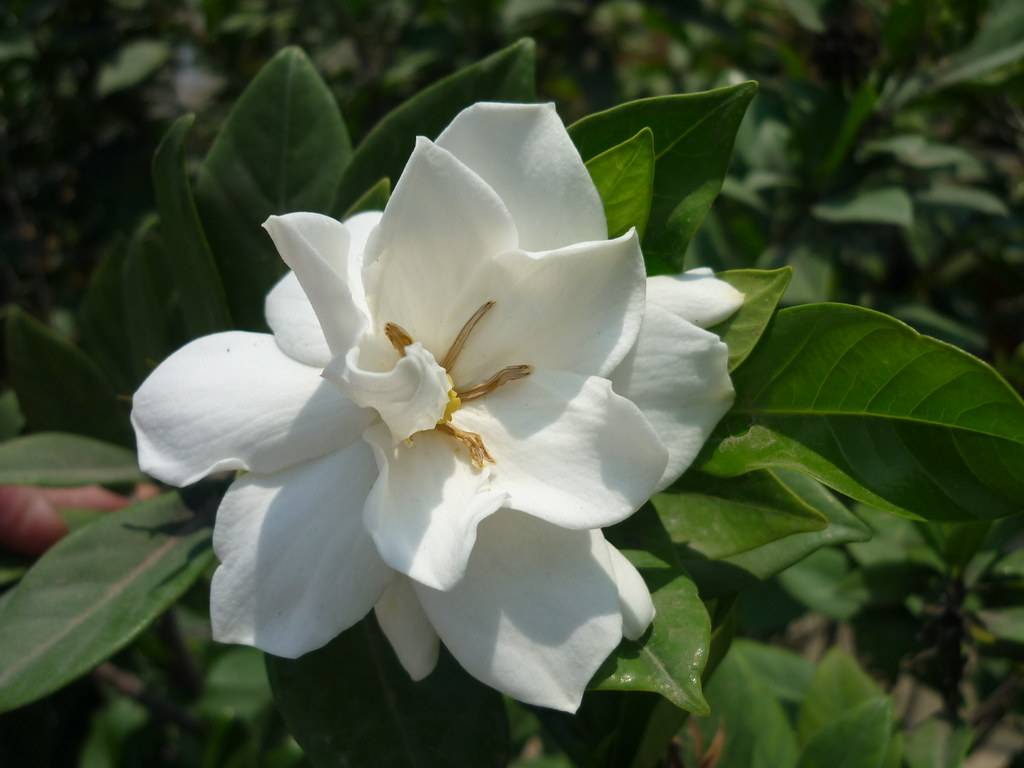
Gardenia
Gardenia jasminoides
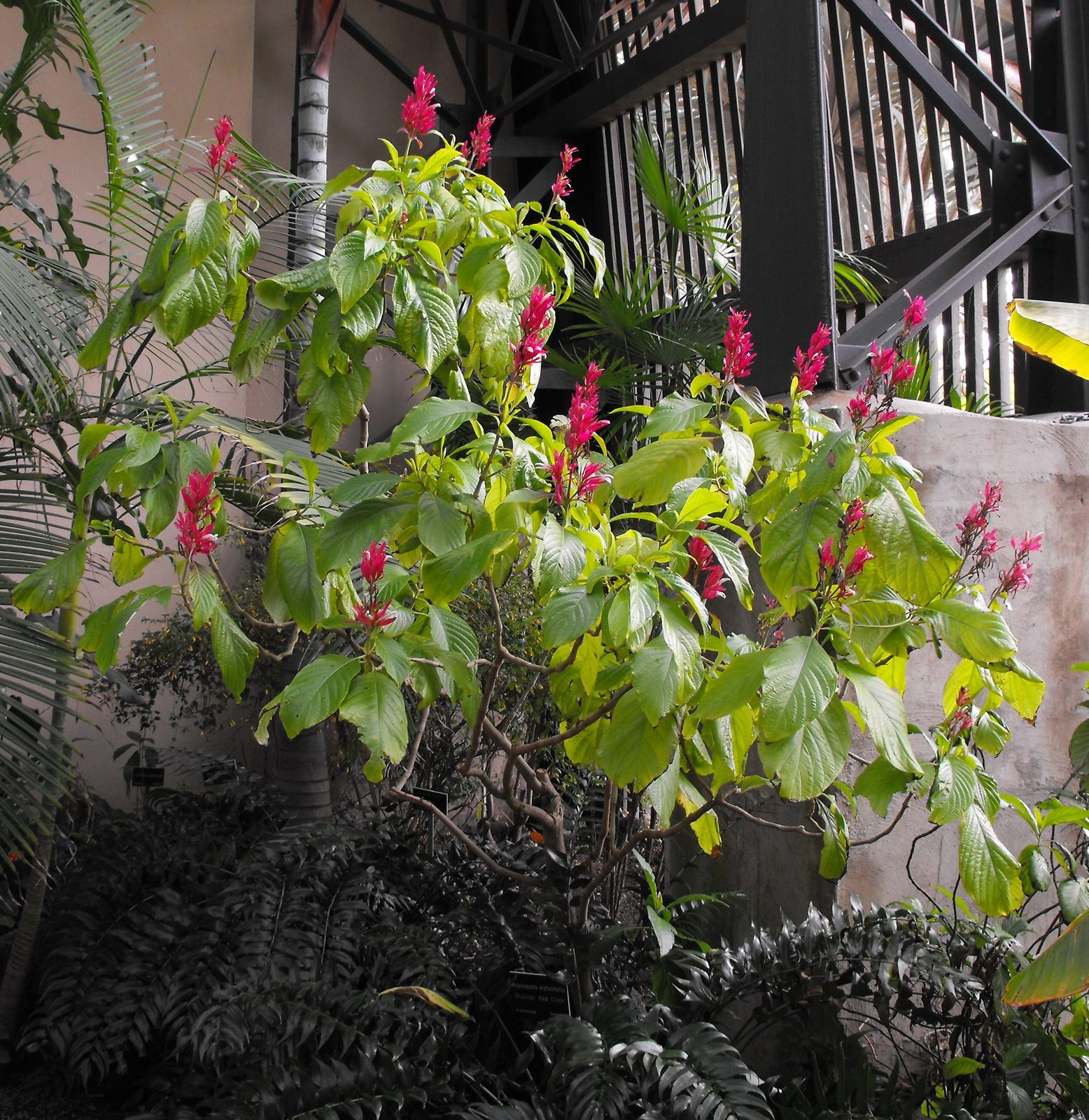
Brazilian Red Cloak
Megaskepasma erythrochlamys
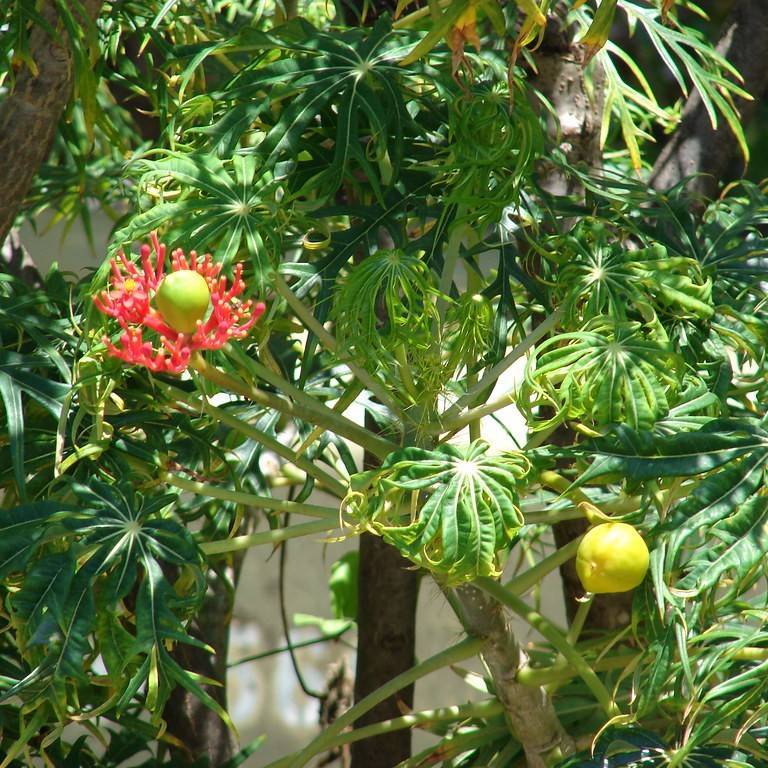
Coralbush
Jatropha multifida
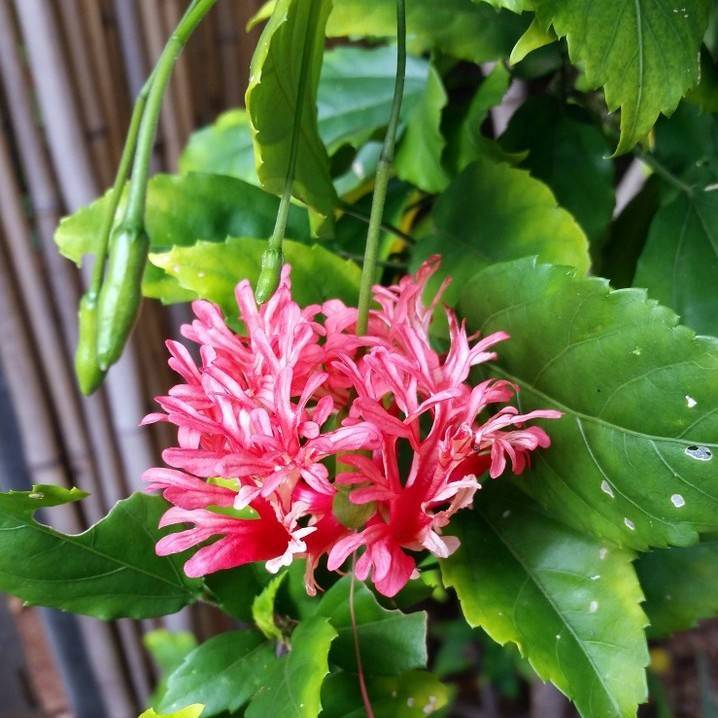
Fringed Rosemallow
Hibiscus schizopetalus
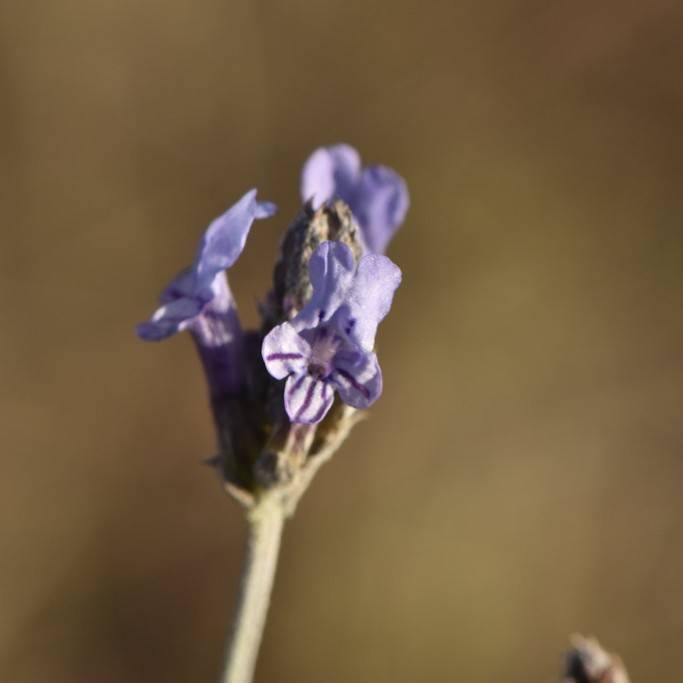
French Lace
Hydrangea macrophylla 'French Lace'
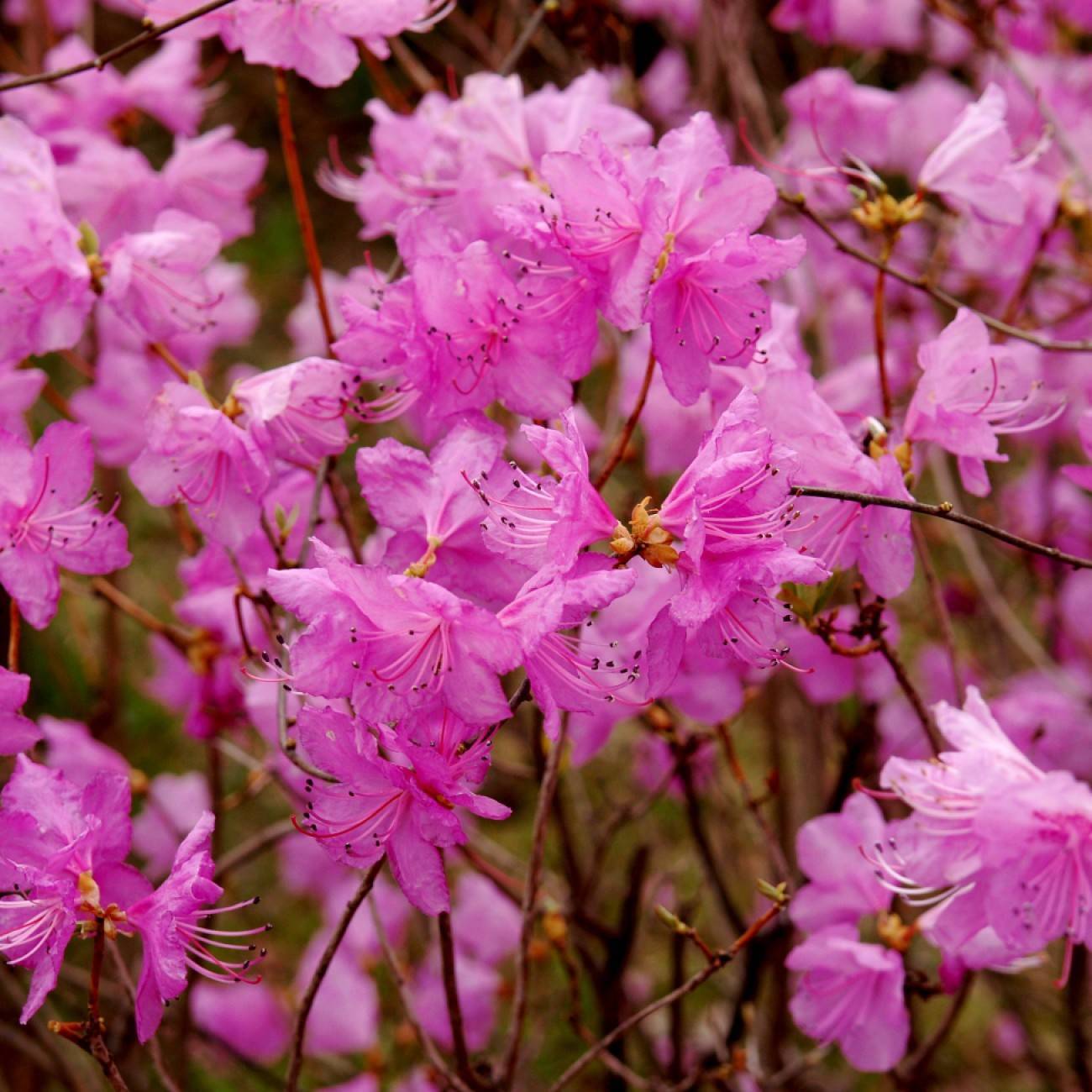
Korean Rhododendron
Rhododendron mucronulatum
%22%2F%3E%0A%20%20%20%20%20%20%3Ccircle%20cx%3D%22920%22%20cy%3D%22180%22%20r%3D%2290%22%20fill%3D%22%23cfe8d5%22%2F%3E%0A%20%20%20%20%20%20%3Cpath%20d%3D%22M600%20590c-90-180-215-255-310-280%200%20165%20118%20296%20270%20296h40z%22%20fill%3D%22%2379b88e%22%2F%3E%0A%20%20%20%20%20%20%3Cpath%20d%3D%22M600%20590c80-150%20198-212%20302-228-8%20142-123%20255-270%20255h-32z%22%20fill%3D%22%235c9f73%22%2F%3E%0A%20%20%20%20%20%20%3Cpath%20d%3D%22M600%20610V360%22%20stroke%3D%22%234f8c64%22%20stroke-width%3D%2218%22%20stroke-linecap%3D%22round%22%2F%3E%0A%20%20%20%20%20%20%3Ctext%20x%3D%22600%22%20y%3D%22700%22%20text-anchor%3D%22middle%22%20font-family%3D%22Arial%2C%20sans-serif%22%20font-size%3D%2244%22%20fill%3D%22%23365c45%22%3E%0A%20%20%20%20%20%20%20%20Plant%20image%20coming%20soon%0A%20%20%20%20%20%20%3C%2Ftext%3E%0A%20%20%20%20%3C%2Fsvg%3E%0A%20%20)
Dahurian Rhododendron
Rhododendron dahuricum
Deciduous Azalea
Rhododendron spp. (subgenus Pentanthera)