Chinese Fringe Flower
Loropetalum chinense
Overview
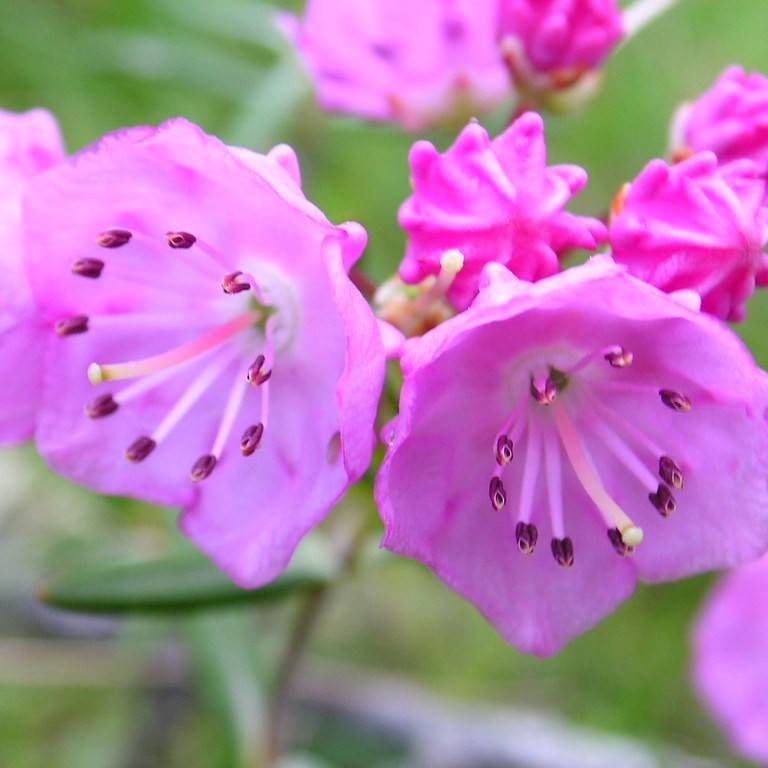
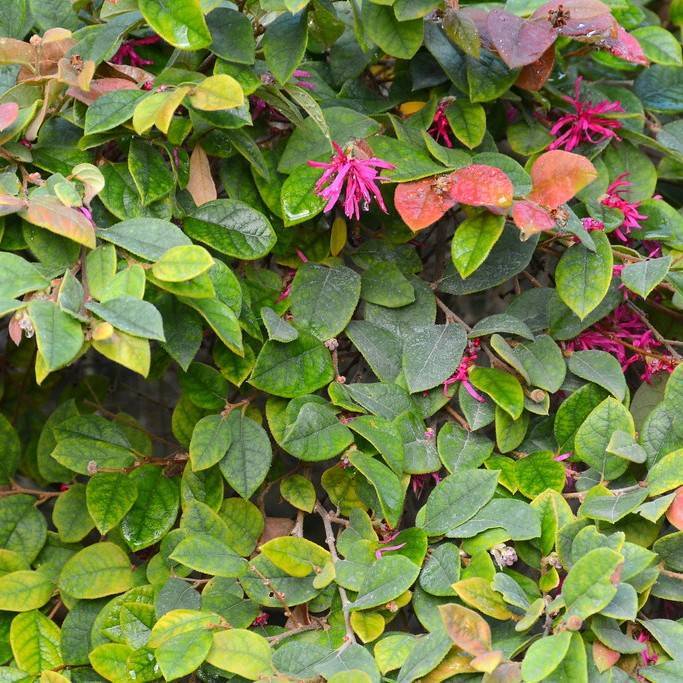
Chinese fringe flower is a versatile evergreen shrub cherished for its eye-catching, ribbon-like flowers that bloom in dense clusters in early spring, often with a light, subtle fragrance. Many popular cultivars feature deep burgundy or purple foliage that retains its color year-round, while green-leafed varieties offer a lush, classic hedge look. It grows in a naturally rounded, bushy form that requires minimal shaping to maintain an attractive structure.
Care Guide
Watering
Water newly planted Chinese fringe flower regularly to keep the soil consistently moist but not waterlogged for the first 1-2 growing seasons as it establishes its root system. Once established, it is moderately drought tolerant, only requiring supplemental water during extended periods of hot, dry weather. Avoid overwatering, as soggy soil can lead to root rot, especially in poorly draining locations.
Light
Grow Chinese fringe flower in full sun to partial shade for the best foliage color and most abundant bloom production. Full sun (6+ hours of direct light daily) intensifies the rich purple hue of dark-leafed cultivars and encourages heavier flower clusters. In extremely hot, arid climates, provide light afternoon shade to prevent leaf scorch and reduce water stress.
Soil
Chinese fringe flower thrives in acidic, well-drained, loamy soil rich in organic matter, with a pH range between 4.5 and 6.5. It will not tolerate heavy, compacted clay soil or alkaline conditions, which can cause nutrient deficiencies leading to yellowing foliage. Amend planting sites with peat moss, compost, or pine bark fines to improve drainage and lower soil pH if needed.
Fertilizer
Feed Chinese fringe flower in early spring, just before new growth emerges, with a slow-release, acidic fertilizer formulated for azaleas, rhododendrons, or other acid-loving plants. Avoid over-fertilizing, as excess nitrogen can cause sparse blooms and reduce the intensity of purple foliage color. A light topdressing of compost or pine straw in fall can provide slow-release nutrients and help maintain soil acidity over time.
Temperature
This shrub is hardy in USDA zones 7-10, tolerating minimum winter temperatures down to 0°F (-18°C) once established. Young plants may need temporary frost protection during unexpected cold snaps in their first 2-3 years to prevent tip damage. In regions with consistently hot summer temperatures above 90°F (32°C), ensure adequate moisture and partial afternoon shade to prevent heat stress.
Pruning
Prune Chinese fringe flower immediately after it finishes blooming in spring, to avoid cutting off next year’s flower buds, which form on old wood. Light pruning to shape the shrub, remove dead or damaged branches, or control size is all that is required for most cultivars, as it naturally grows in a neat, rounded form. Avoid heavy shearing, as this can reduce bloom production the following year and disrupt the plant’s natural attractive shape.
Propagation
Chinese fringe flower is most commonly propagated via semi-hardwood cuttings taken in mid to late summer, from healthy, non-flowering stems of the current year’s growth. Dip cut end in rooting hormone, plant in a well-drained, sterile rooting medium, and keep under high humidity with indirect light until roots develop in 4-8 weeks. It can also be grown from seed, though seeds require cold stratification and may not grow true to the parent cultivar’s foliage or flower characteristics.
Humidity
Chinese fringe flower prefers moderate to high humidity levels between 40-70%, which supports healthy foliage and consistent bloom production. It can tolerate average indoor humidity if grown as a houseplant, though dry air from heating or cooling vents may cause leaf browning at the edges. Outdoor plants in arid climates benefit from occasional misting during hot, dry periods to raise surrounding humidity.
Repotting
If grown in a container, repot Chinese fringe flower every 2-3 years in early spring, before new growth starts, using a acidic, well-drained potting mix formulated for acid-loving shrubs. Choose a container that is 2-3 inches larger in diameter than the current pot, with adequate drainage holes to prevent waterlogging. After repotting, water thoroughly and keep in partial shade for 1-2 weeks to reduce transplant shock while the root system acclimates.
Uses & Symbolism
Chinese fringe flower is a popular landscape shrub used for foundation plantings, hedges, mass plantings, and specimen displays, where its colorful foliage and spring blooms provide year-round visual interest. Dwarf cultivars are well-suited for container growth on patios or as indoor houseplants in bright, cool locations. Its dense, evergreen growth also provides shelter and nesting sites for small birds and pollinators in residential gardens.
Diseases & Pests
Chinese fringe flower is relatively pest and disease resistant, though it can be susceptible to root rot if planted in poorly drained, overly wet soil. Common minor pests include aphids, spider mites, and scale insects, which can be controlled with horticultural oil or insecticidal soap applications. In alkaline soil, it often develops iron chlorosis, causing yellowing foliage that can be corrected by amending the soil to lower pH and applying chelated iron supplements.
Related plants
Other plants you might like if you grow Chinese Fringe Flower.
%22%2F%3E%0A%20%20%20%20%20%20%3Ccircle%20cx%3D%22920%22%20cy%3D%22180%22%20r%3D%2290%22%20fill%3D%22%23cfe8d5%22%2F%3E%0A%20%20%20%20%20%20%3Cpath%20d%3D%22M600%20590c-90-180-215-255-310-280%200%20165%20118%20296%20270%20296h40z%22%20fill%3D%22%2379b88e%22%2F%3E%0A%20%20%20%20%20%20%3Cpath%20d%3D%22M600%20590c80-150%20198-212%20302-228-8%20142-123%20255-270%20255h-32z%22%20fill%3D%22%235c9f73%22%2F%3E%0A%20%20%20%20%20%20%3Cpath%20d%3D%22M600%20610V360%22%20stroke%3D%22%234f8c64%22%20stroke-width%3D%2218%22%20stroke-linecap%3D%22round%22%2F%3E%0A%20%20%20%20%20%20%3Ctext%20x%3D%22600%22%20y%3D%22700%22%20text-anchor%3D%22middle%22%20font-family%3D%22Arial%2C%20sans-serif%22%20font-size%3D%2244%22%20fill%3D%22%23365c45%22%3E%0A%20%20%20%20%20%20%20%20Plant%20image%20coming%20soon%0A%20%20%20%20%20%20%3C%2Ftext%3E%0A%20%20%20%20%3C%2Fsvg%3E%0A%20%20)