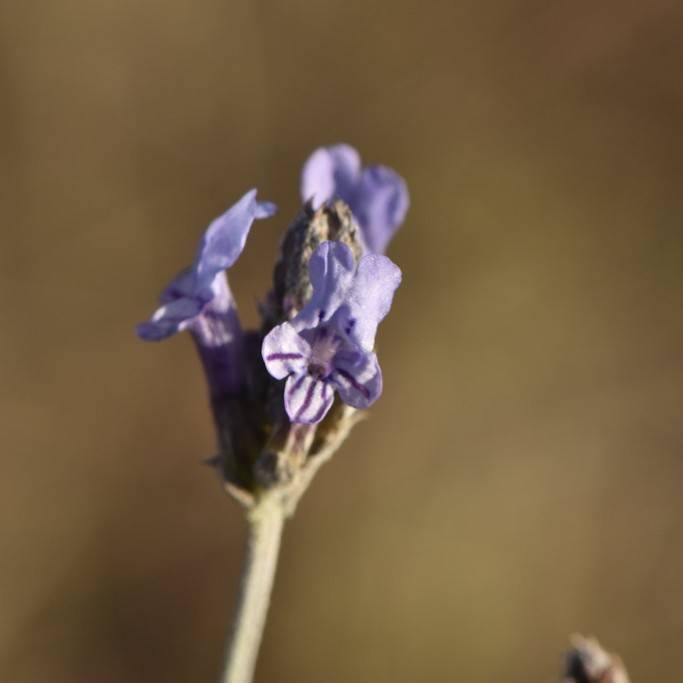
French Lace
Hydrangea macrophylla 'French Lace'
Overview
French Lace is a deciduous mophead hydrangea cultivar distinguished by its unique, flattened lacecap flower heads composed of small fertile florets surrounded by larger, ruffled sterile blooms. Unlike many bigleaf hydrangeas, its compact, bushy growth habit makes it suitable for smaller garden beds, containers, and even indoor potted display in bright, cool spaces. Bloom color ranges from soft sky blue in acidic soil (pH below 6.0) to pale pink in alkaline soil, with creamy white hues in neutral conditions, creating a delicate, ethereal look from mid-summer to early fall.
Care Guide
Watering
Keep soil consistently moist but never waterlogged, as French Lace is prone to root rot if left in saturated conditions. Water deeply 1-2 times per week during dry periods, reducing frequency in cooler months when growth slows. Avoid wetting foliage directly to lower the risk of fungal leaf spot.
Light
Plant in partial shade with 3-6 hours of dappled morning sunlight and protection from harsh midday and afternoon sun, which can scorch delicate leaves and cause blooms to fade prematurely. Indoor specimens thrive near a bright east-facing window that receives gentle morning light.
Soil
Grow in rich, well-drained, loamy soil with a high organic matter content for optimal growth. Adjust soil pH with aluminum sulfate to encourage blue blooms, or garden lime to produce pink blooms, amending soil 2-3 months before the blooming season for the best color results. Container plants do well in a peat-based potting mix formulated for acid-loving plants.
Fertilizer
Feed with a balanced, slow-release fertilizer formulated for acid-loving shrubs in early spring just as new growth emerges, and again in mid-summer to support blooming. Avoid high-nitrogen fertilizers, which can promote excessive leaf growth at the expense of flower production. Do not fertilize after late summer, as this can stimulate tender new growth vulnerable to frost damage.
Temperature
French Lace grows best in temperatures between 60-75°F (15-24°C), and is hardy in USDA zones 5-9 with winter protection for new growth in colder regions. Indoor specimens should be kept away from hot heating vents and cold drafty windows to prevent leaf drop. Late spring frosts can damage emerging flower buds, so cover plants with a frost cloth if a cold snap is predicted.
Pruning
Prune immediately after flowering ends in late summer, removing spent bloom heads and any dead, damaged, or crossing stems to improve air circulation and shape the plant. Avoid heavy pruning in fall or early spring, as this cultivar blooms on old wood from the previous year’s growth; cutting back old stems will remove developing flower buds. Thin out up to one-third of older, woody stems every 2-3 years to encourage vigorous new growth that will produce blooms in subsequent seasons.
Propagation
The easiest method of propagation is softwood stem cuttings taken in early summer, selecting 4-6 inch cuttings of healthy, non-flowering new growth, dipping the cut end in rooting hormone, and planting in moist, well-drained potting mix under high humidity. Cuttings typically root within 4-6 weeks, and can be transplanted to their permanent location once they develop a strong root system. As a cultivated cultivar, growing from seed will not produce plants true to the parent French Lace variety.
Humidity
Prefers moderate to high humidity levels between 50-70% to support healthy foliage and bloom development. Indoor plants benefit from regular misting, a pebble tray filled with water placed under the pot, or placement near a humidifier during dry winter months. Low humidity can cause leaf edges to brown and blooms to wilt prematurely.
Repotting
Container-grown French Lace should be repotted every 2-3 years in early spring before new growth emerges, moving to a pot one size larger with fresh, acidic potting mix. Gently loosen bound roots before repotting to encourage healthy root expansion, and water thoroughly after transplanting to help the plant settle into its new container. Mature, well-established plants can have their top 2-3 inches of potting mix replaced annually instead of full repotting to refresh nutrient levels.
Uses & Symbolism
French Lace is a popular ornamental plant used in shaded garden borders, cottage gardens, and container displays for its delicate, long-lasting blooms and compact growth habit. Cut flowers are highly prized for fresh floral arrangements and dried flower crafts, retaining their soft color and shape for months when dried properly. It is also grown as a seasonal indoor houseplant in cool, bright spaces for its showy, low-maintenance blooms.
Diseases & Pests
French Lace is susceptible to common hydrangea pests including aphids, spider mites, and scale insects, which can be controlled with neem oil or insecticidal soap applied at the first sign of infestation. Fungal diseases such as powdery mildew, leaf spot, and botrytis blight are common in humid, poorly ventilated conditions, and can be prevented by ensuring proper air circulation around the plant and avoiding overhead watering. Root rot can occur in waterlogged soil, so ensure proper drainage and avoid overwatering to prevent this fatal condition.
Related plants
Other plants you might like if you grow French Lace.
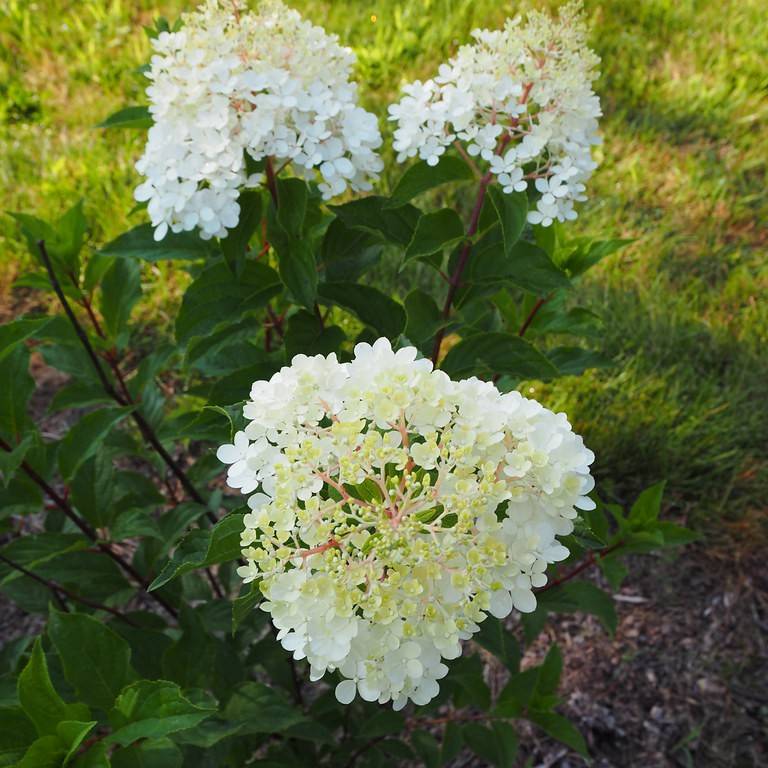
Cascade Hydrangea
Hydrangea seemannii
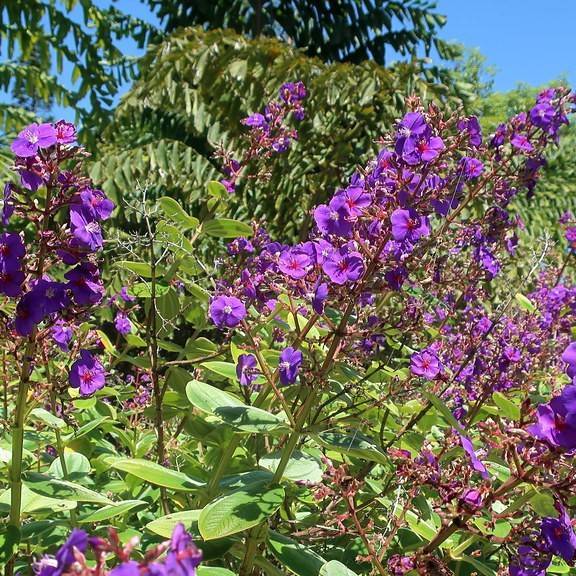
Glory Bush
Tibouchina urvilleana
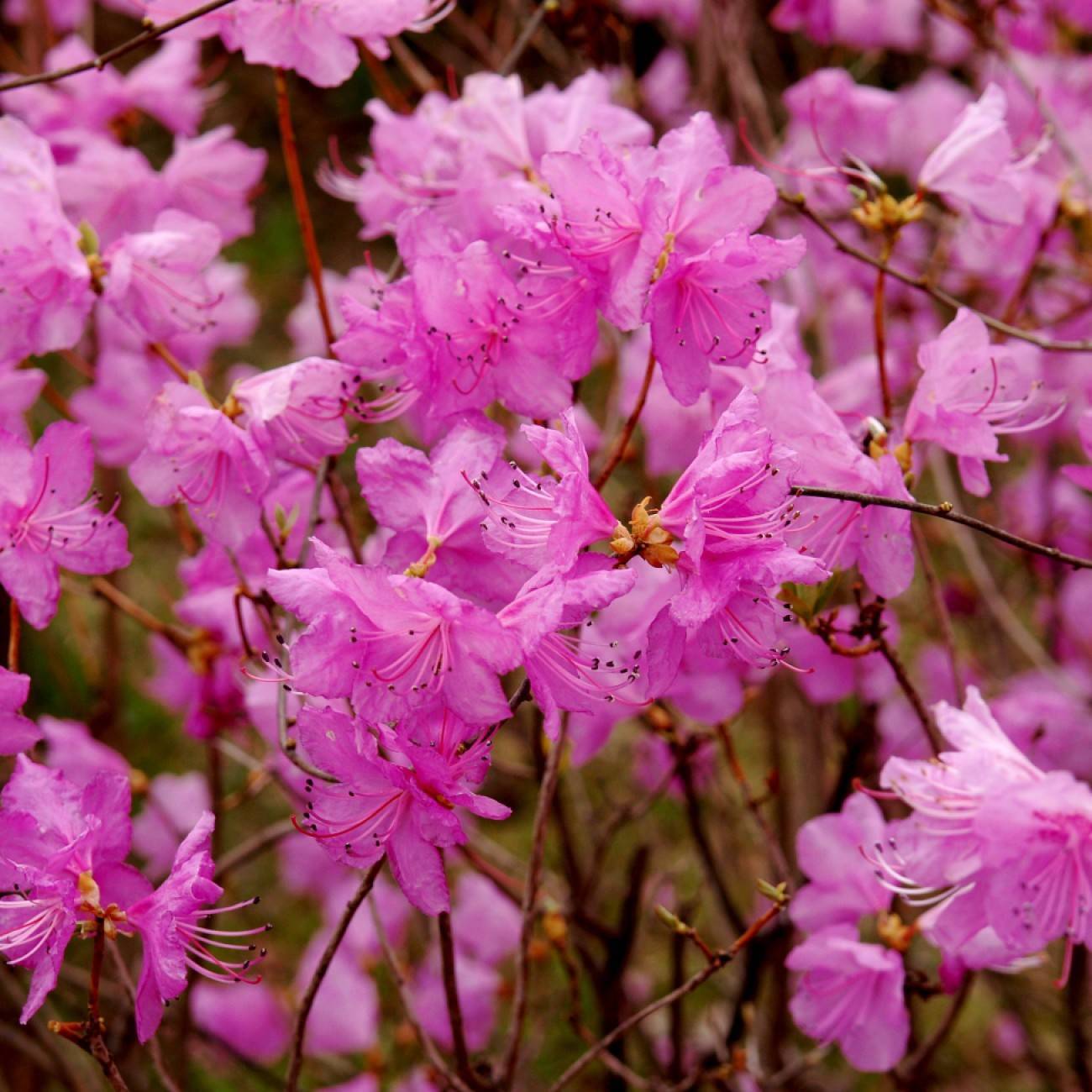
Korean Rhododendron
Rhododendron mucronulatum
%22%2F%3E%0A%20%20%20%20%20%20%3Ccircle%20cx%3D%22920%22%20cy%3D%22180%22%20r%3D%2290%22%20fill%3D%22%23cfe8d5%22%2F%3E%0A%20%20%20%20%20%20%3Cpath%20d%3D%22M600%20590c-90-180-215-255-310-280%200%20165%20118%20296%20270%20296h40z%22%20fill%3D%22%2379b88e%22%2F%3E%0A%20%20%20%20%20%20%3Cpath%20d%3D%22M600%20590c80-150%20198-212%20302-228-8%20142-123%20255-270%20255h-32z%22%20fill%3D%22%235c9f73%22%2F%3E%0A%20%20%20%20%20%20%3Cpath%20d%3D%22M600%20610V360%22%20stroke%3D%22%234f8c64%22%20stroke-width%3D%2218%22%20stroke-linecap%3D%22round%22%2F%3E%0A%20%20%20%20%20%20%3Ctext%20x%3D%22600%22%20y%3D%22700%22%20text-anchor%3D%22middle%22%20font-family%3D%22Arial%2C%20sans-serif%22%20font-size%3D%2244%22%20fill%3D%22%23365c45%22%3E%0A%20%20%20%20%20%20%20%20Plant%20image%20coming%20soon%0A%20%20%20%20%20%20%3C%2Ftext%3E%0A%20%20%20%20%3C%2Fsvg%3E%0A%20%20)
Dahurian Rhododendron
Rhododendron dahuricum
Deciduous Azalea
Rhododendron spp. (subgenus Pentanthera)
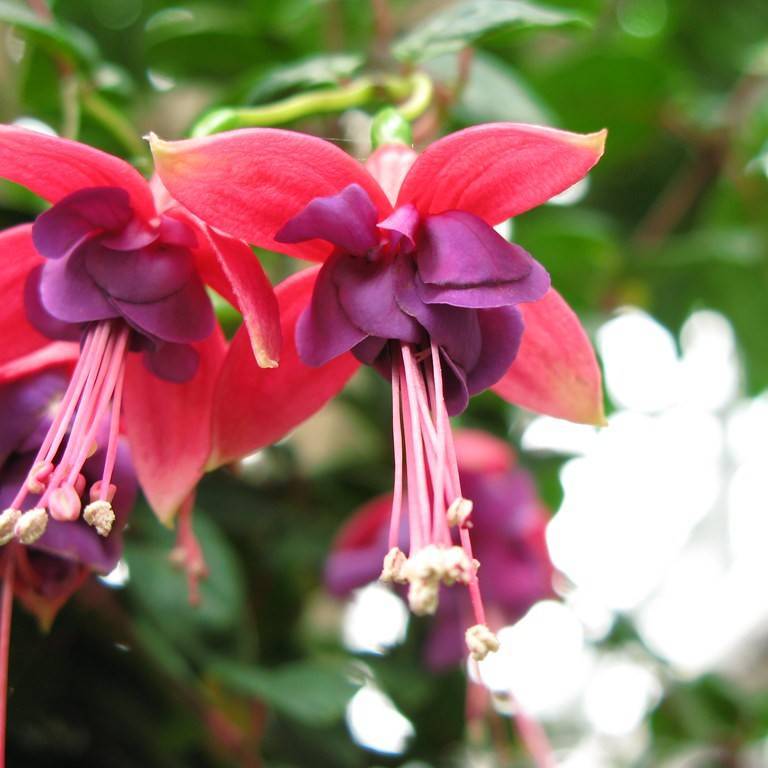
Lady's Eardrops
Fuchsia triphylla 'Gartenmeister Bonstedt'
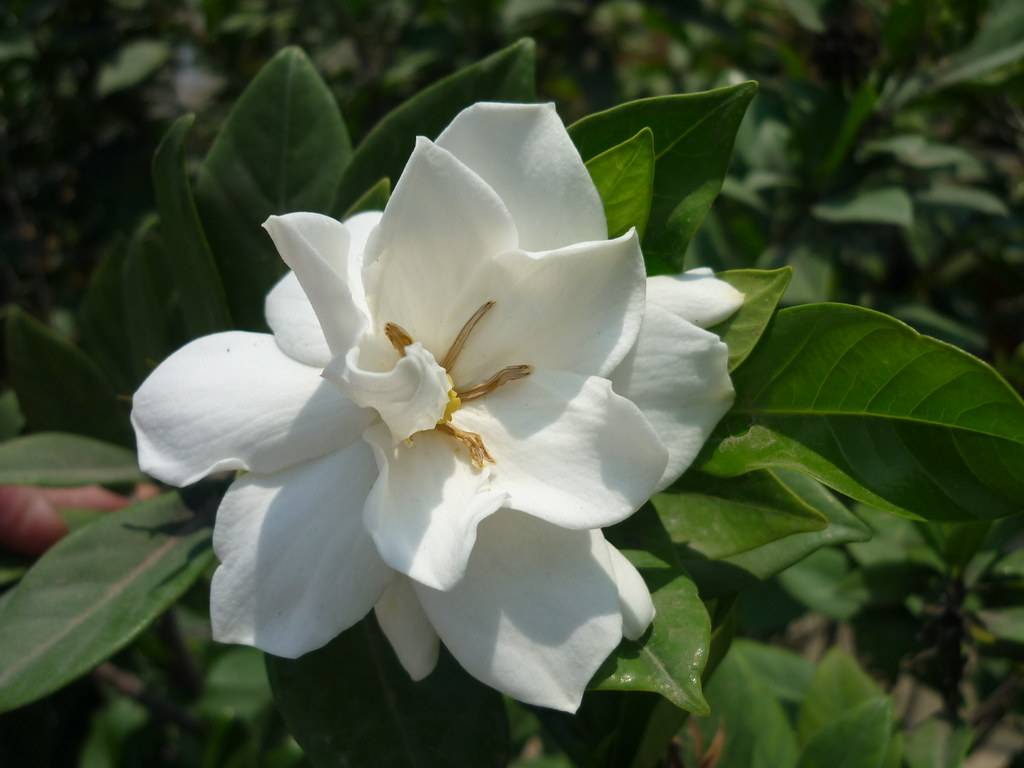
Gardenia
Gardenia jasminoides
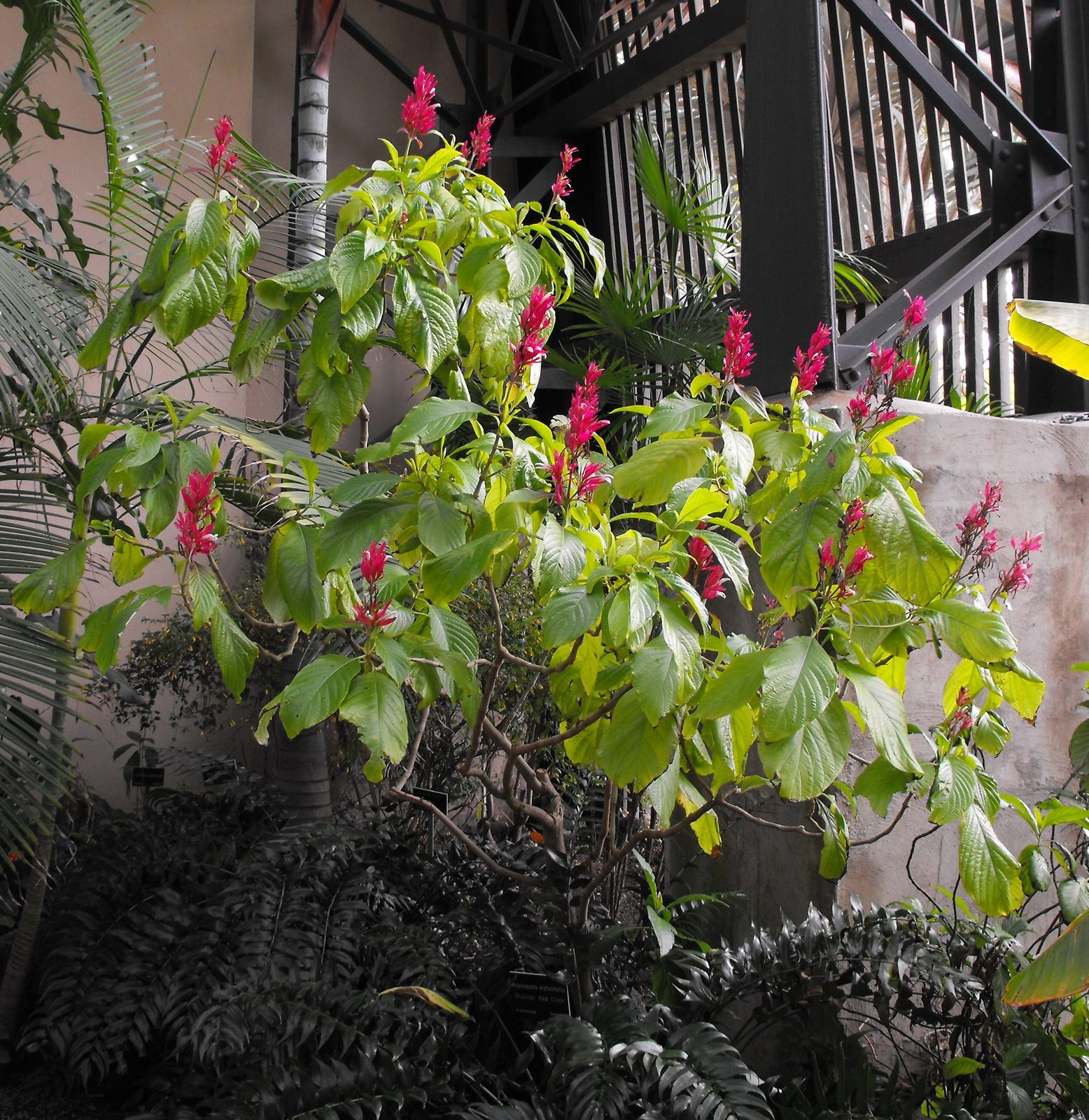
Brazilian Red Cloak
Megaskepasma erythrochlamys