Bog Rosemary
Andromeda polifolia
Overview
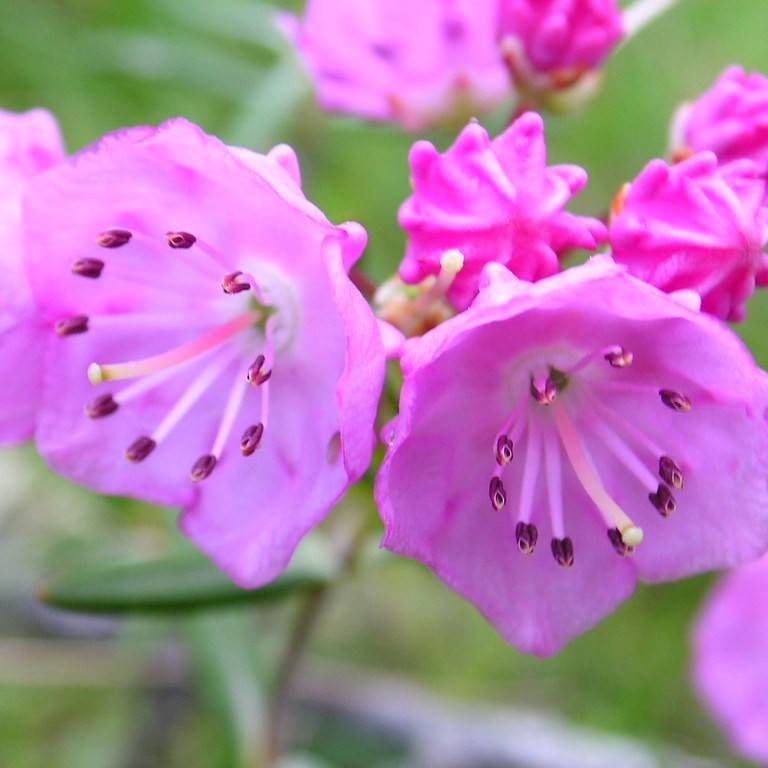
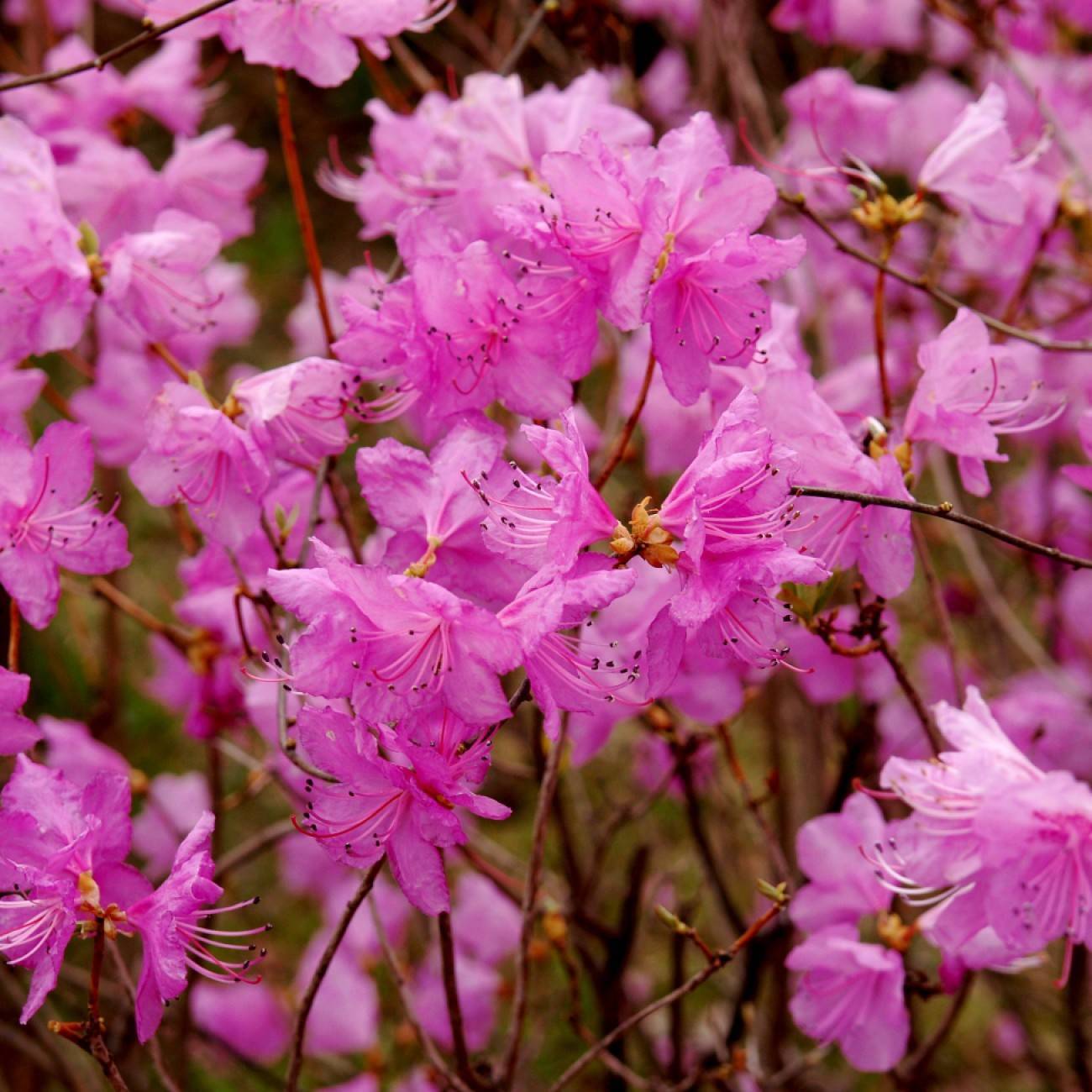
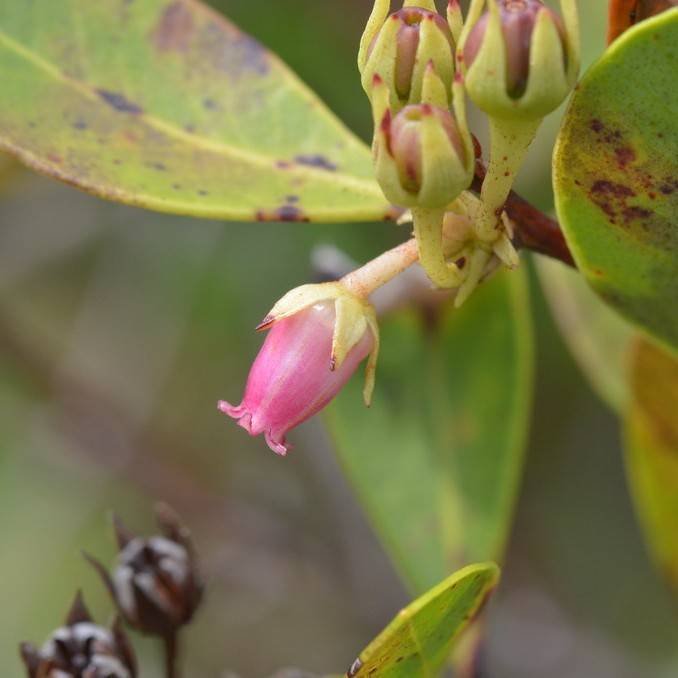
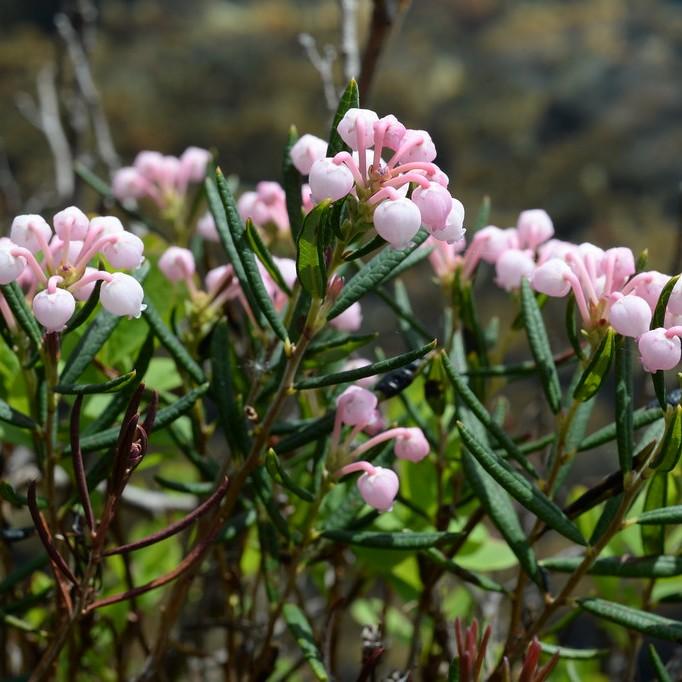
Bog rosemary is a compact, cold-hardy evergreen shrub named for its narrow, gray-green foliage that resembles common rosemary, though it is unrelated to that herb. In spring, it produces clusters of small, urn-shaped pale pink or white flowers that attract native pollinators including bumblebees. It thrives in saturated, nutrient-poor acidic soils, making it a signature species of undisturbed northern peat bog ecosystems.
Care Guide
Watering
Bog rosemary requires consistently moist to saturated, lime-free water at all times, as it is adapted to perpetually wet bog conditions; never allow the soil to dry out completely. Use rainwater or distilled water if your tap water is alkaline, as hard water will raise soil pH and damage the plant over time. In outdoor plantings, situate it in a low-lying spot where water collects naturally to maintain consistent moisture levels.
Light
This shrub grows best in full sun to partial shade, with full sun encouraging denser foliage and more abundant flowering in cool northern climates. In regions with hot, intense summer sun, provide light afternoon shade to prevent leaf scorch and reduce excessive moisture evaporation from the root zone. Indoor specimens require a bright, south-facing window with at least 6 hours of direct light daily to thrive.
Soil
Bog rosemary needs extremely acidic, poor, well-aerated peat soil with a pH between 3.5 and 5.0, with no added compost or fertilizer that would raise nutrient levels or pH. A standard mix for this plant consists of 70% sphagnum peat moss and 30% perlite or coarse sand, with no garden soil or lime amendments included. Avoid any potting mixes containing fertilizer or alkaline components like limestone, which will quickly kill this acid-loving species.
Fertilizer
Bog rosemary is adapted to nutrient-poor bog soils and requires no regular fertilization, as excess nutrients will burn its delicate root system and cause foliage dieback. If grown in a container for multiple years, a single, extremely diluted application of ericaceous fertilizer at 1/4 the recommended strength can be applied once in early spring only if growth appears stunted. Never use standard, balanced fertilizers, as their high nitrogen and alkaline content are toxic to this species.
Temperature
This cold-hardy shrub tolerates winter temperatures as low as -40°F (-40°C) in its native range, and grows best in cool summer temperatures between 50°F and 70°F (10°C and 21°C). It does not tolerate high heat and humidity above 75°F (24°C) for extended periods, making it unsuitable for cultivation in warm temperate or tropical regions without specialized cool growing conditions. Indoor specimens require cool winter temperatures between 40°F and 50°F (4°C and 10°C) to enter a proper dormancy period.
Pruning
Bog rosemary requires very little pruning, as it maintains a compact, low-growing form naturally with minimal intervention. Remove any dead, damaged, or diseased stems in early spring before new growth emerges to improve air circulation and maintain plant health. Avoid heavy pruning, as the shrub does not regrow well from old, woody stems, and excessive cutting can stunt or kill the plant.
Propagation
Bog rosemary is most commonly propagated via semi-hardwood stem cuttings taken in late summer, rooted in moist sphagnum peat moss under cool, high-humidity conditions. It can also be grown from fresh, cold-stratified seed sown on the surface of acidic peat medium in early spring, though germination is slow and inconsistent, often taking 2-3 months. Division of established clumps is not recommended, as the plant has a delicate, shallow root system that is easily damaged during the division process.
Humidity
Bog rosemary thrives in high humidity levels between 60% and 80%, consistent with its native bog habitat, and will suffer leaf drop if exposed to dry air for extended periods. Indoor specimens benefit from regular misting with rainwater, placement on a pebble tray filled with water, or positioning near a humidifier to maintain adequate ambient moisture. Outdoor plants in dry climates should be sited near a water feature or in a closed bog garden to trap moisture in the surrounding air.
Repotting
Container-grown bog rosemary only needs repotting every 3-4 years, when its root system has completely filled the current pot, as it prefers being slightly root-bound. Repot in early spring before new growth begins, using a fresh acidic peat-perlite mix, and take care not to disturb the delicate shallow root system more than necessary. Use a shallow, wide pot with drainage holes, and consider placing the pot in a tray of standing water to maintain consistent root saturation.
Uses & Symbolism
Bog rosemary is primarily used in specialized bog gardens, rain gardens, and water feature edges for its attractive evergreen foliage and delicate spring flowers, providing year-round interest in cool climate landscapes. It is also grown in container displays for ericaceous plant collections, where its specific acidic, wet soil requirements can be easily managed. While it has no edible or medicinal uses due to its toxicity, it provides valuable early spring forage for native bumblebees in bog ecosystems.
Diseases & Pests
Bog rosemary is relatively pest and disease free when grown in its preferred acidic, saturated conditions, but can be susceptible to root rot if planted in poorly draining or alkaline soil. Fungal leaf spot may occur in conditions of poor air circulation and excessive moisture on foliage, which can be prevented by spacing plants appropriately and avoiding overhead watering. In alkaline conditions, it will quickly develop chlorosis (yellowing of leaves) and dieback, which is irreversible if soil pH is not adjusted immediately.
Related plants
Other plants you might like if you grow Bog Rosemary.
%22%2F%3E%0A%20%20%20%20%20%20%3Ccircle%20cx%3D%22920%22%20cy%3D%22180%22%20r%3D%2290%22%20fill%3D%22%23cfe8d5%22%2F%3E%0A%20%20%20%20%20%20%3Cpath%20d%3D%22M600%20590c-90-180-215-255-310-280%200%20165%20118%20296%20270%20296h40z%22%20fill%3D%22%2379b88e%22%2F%3E%0A%20%20%20%20%20%20%3Cpath%20d%3D%22M600%20590c80-150%20198-212%20302-228-8%20142-123%20255-270%20255h-32z%22%20fill%3D%22%235c9f73%22%2F%3E%0A%20%20%20%20%20%20%3Cpath%20d%3D%22M600%20610V360%22%20stroke%3D%22%234f8c64%22%20stroke-width%3D%2218%22%20stroke-linecap%3D%22round%22%2F%3E%0A%20%20%20%20%20%20%3Ctext%20x%3D%22600%22%20y%3D%22700%22%20text-anchor%3D%22middle%22%20font-family%3D%22Arial%2C%20sans-serif%22%20font-size%3D%2244%22%20fill%3D%22%23365c45%22%3E%0A%20%20%20%20%20%20%20%20Plant%20image%20coming%20soon%0A%20%20%20%20%20%20%3C%2Ftext%3E%0A%20%20%20%20%3C%2Fsvg%3E%0A%20%20)