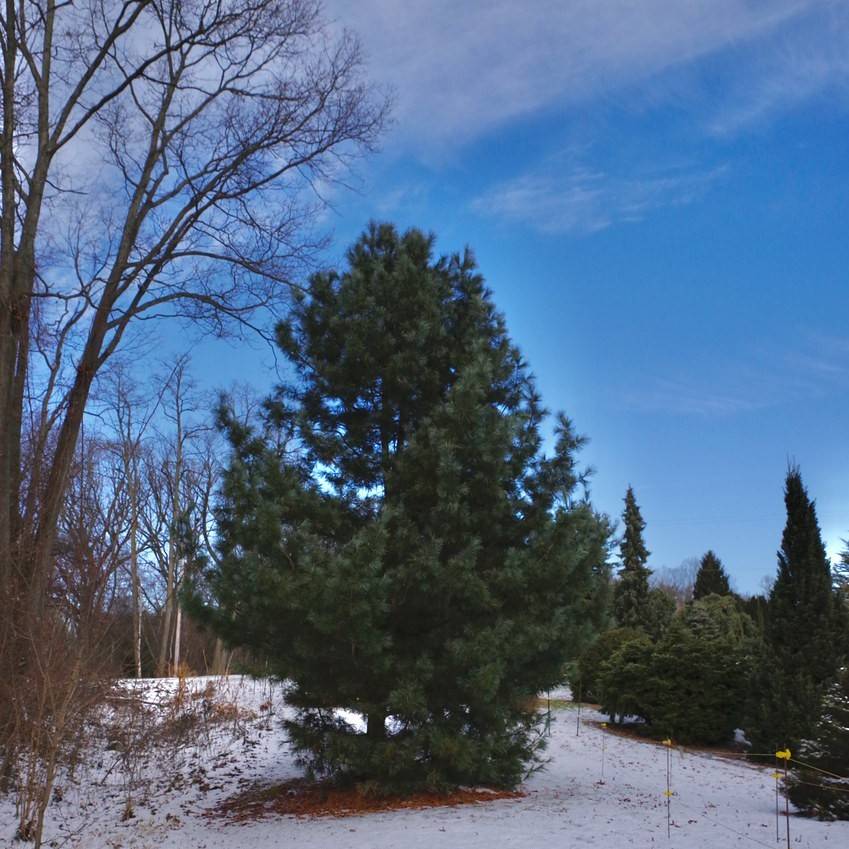
Korean Pine
Pinus koraiensis
Overview
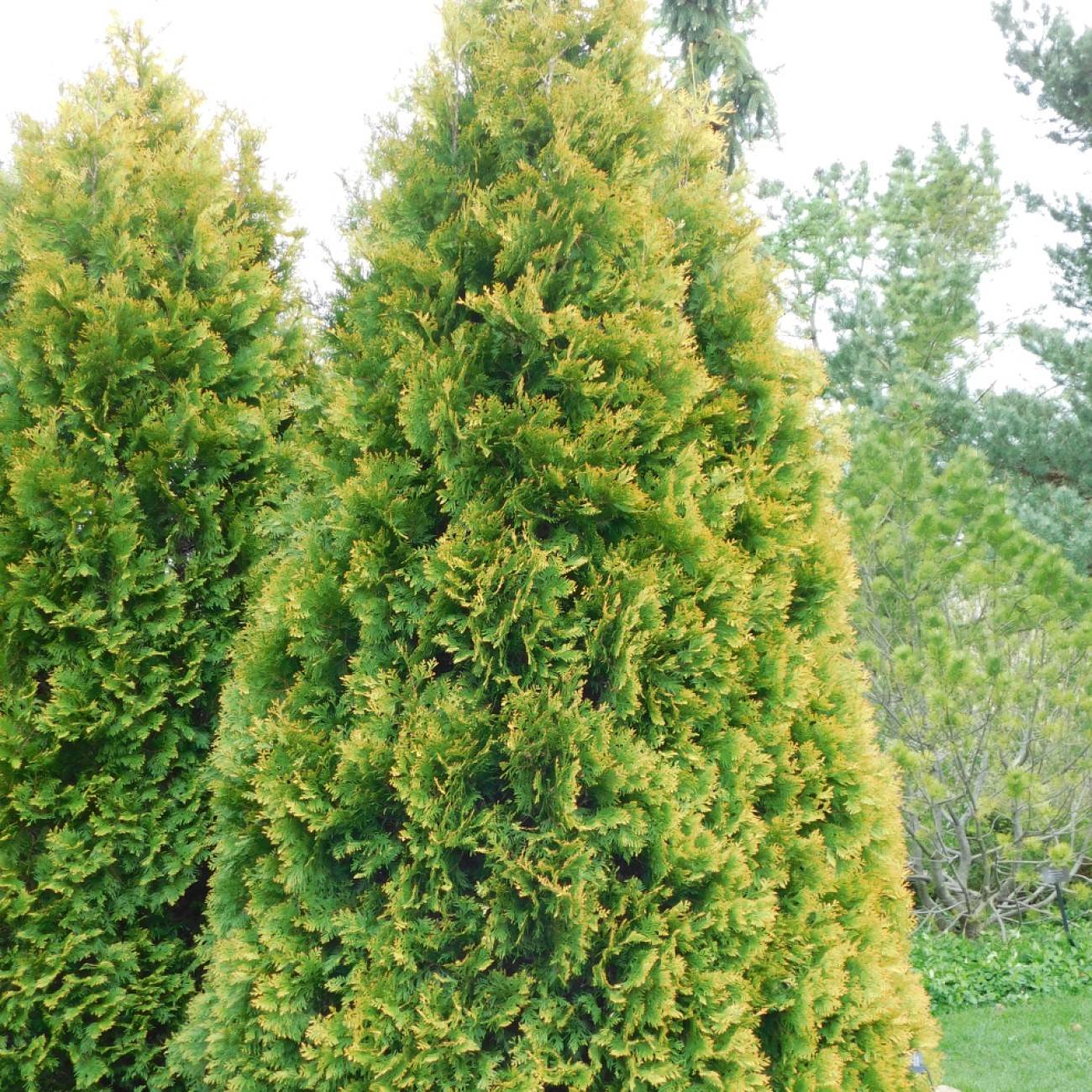
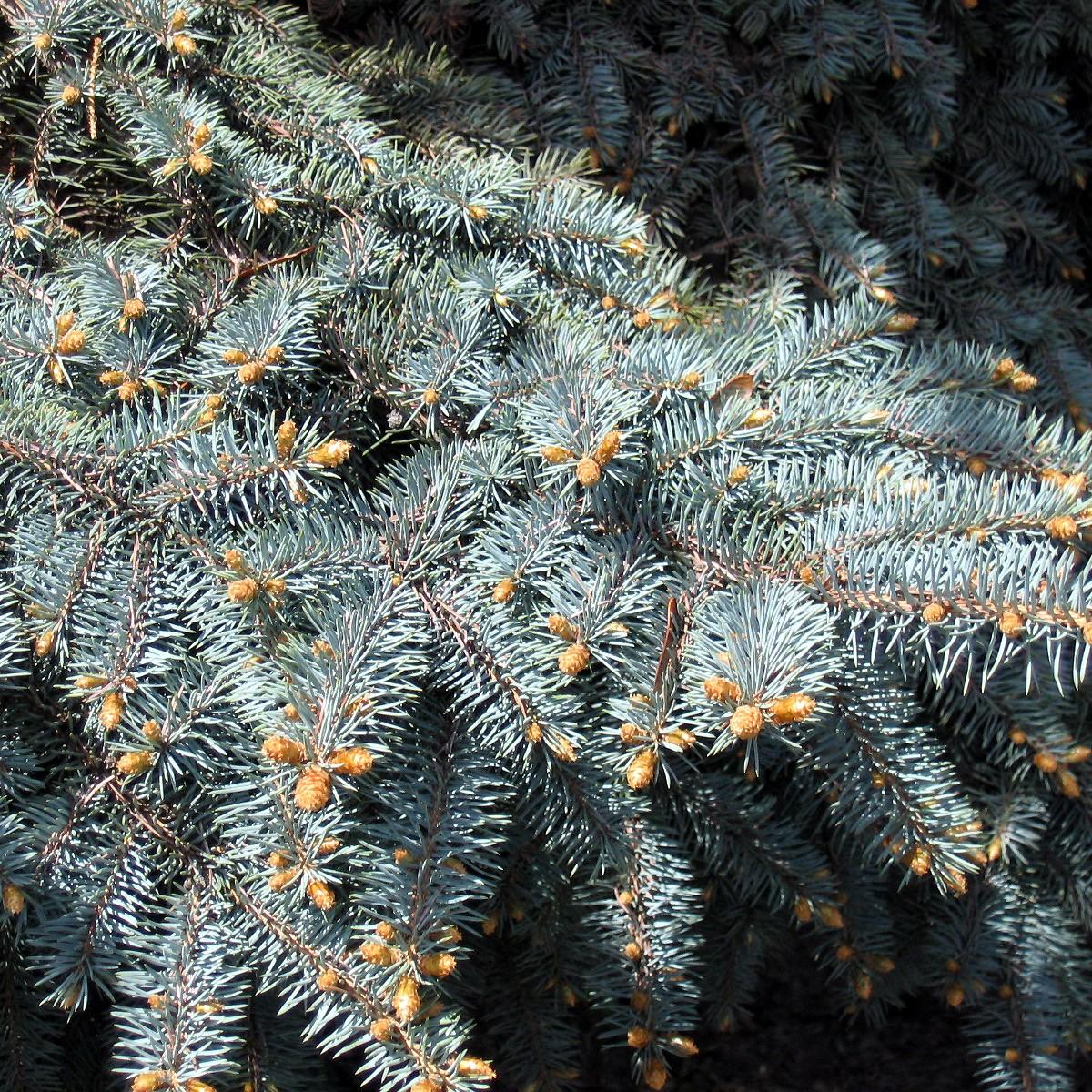
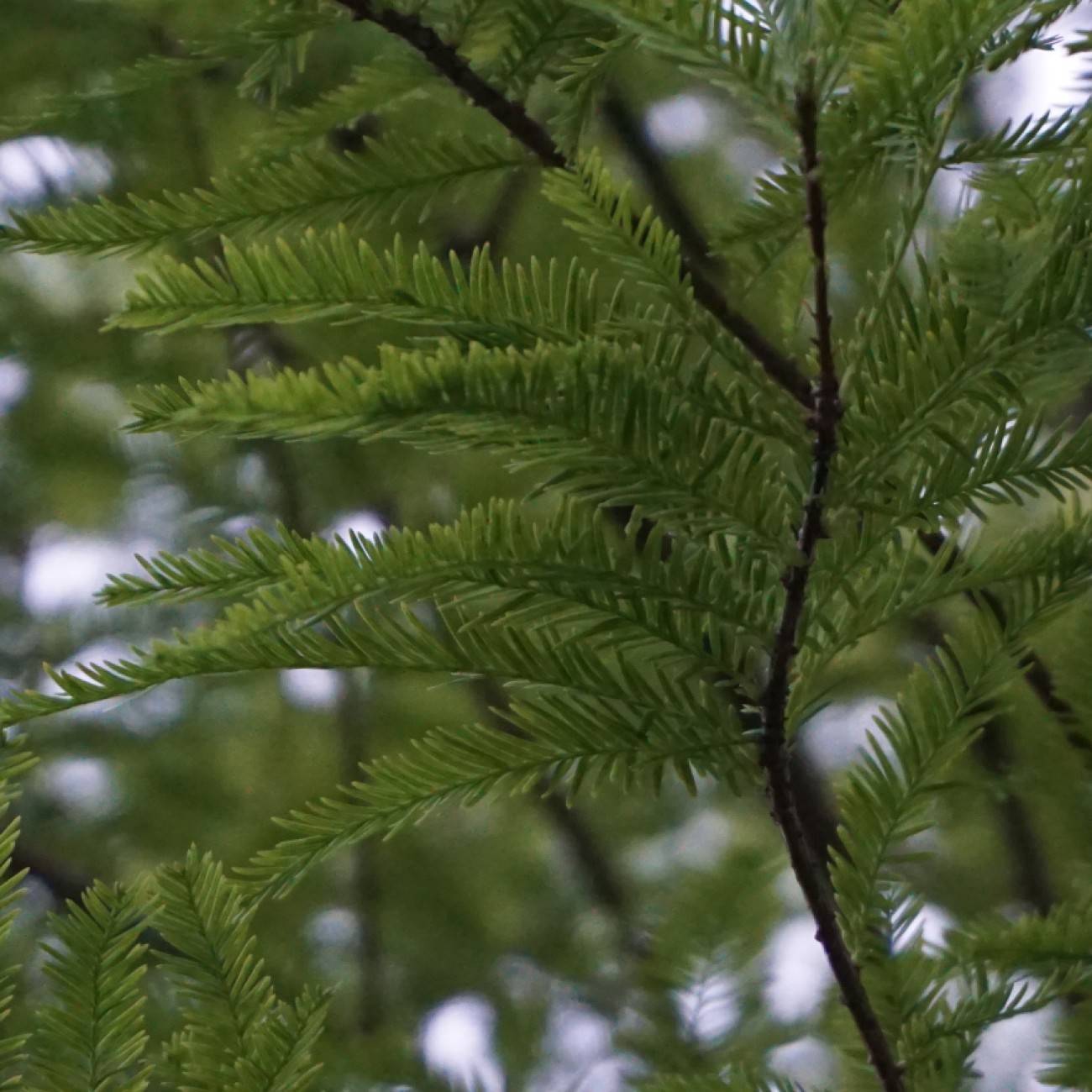
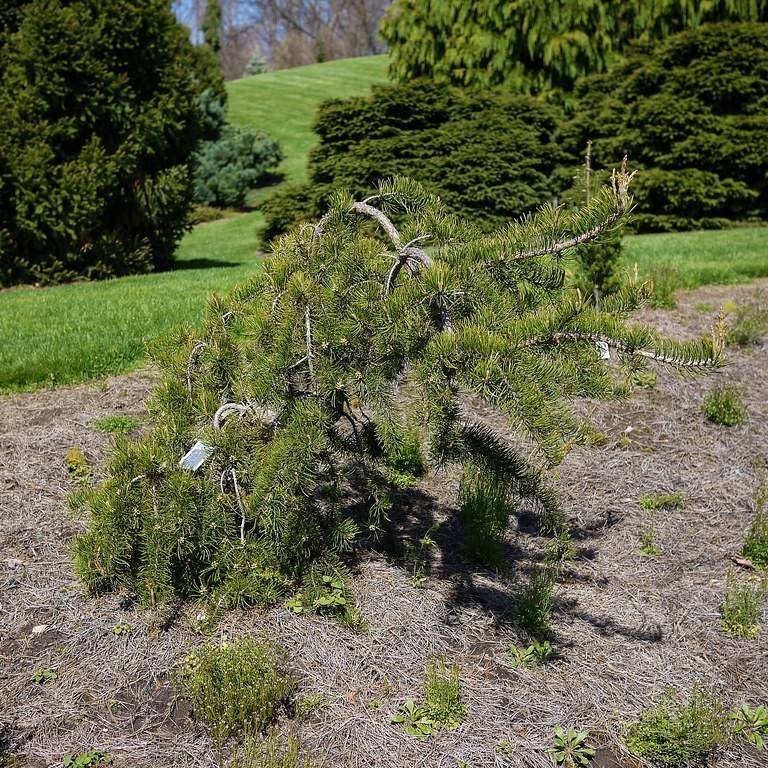
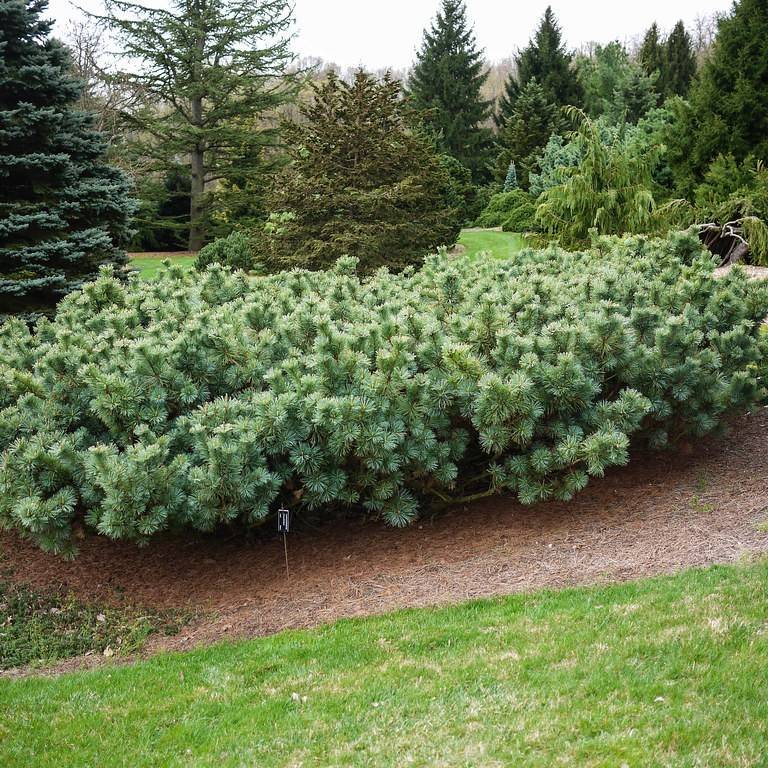
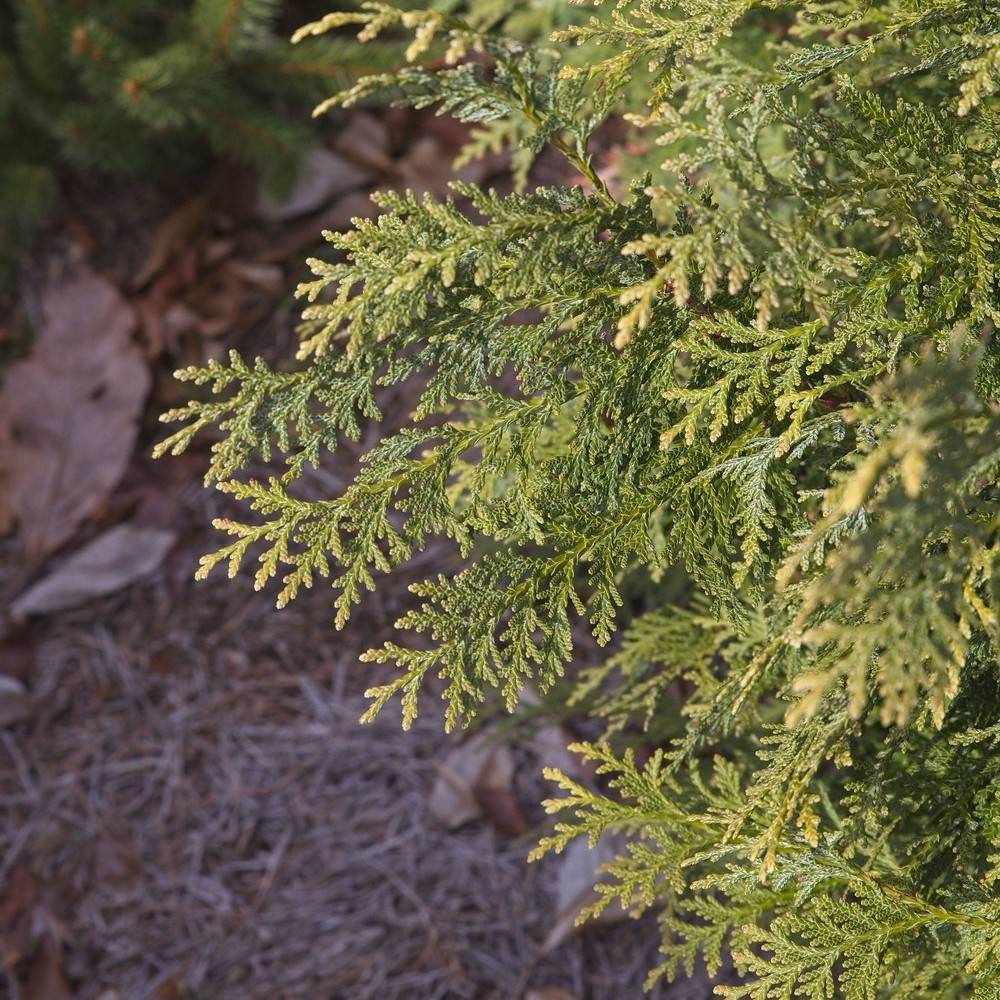
Korean Pine is a slow-growing evergreen conifer with a broad, pyramidal growth habit that matures into a stately, wide-canopied tree. It produces long, glossy blue-green needles grouped in bundles of five, and distinctive large, woody cones that take two years to mature. The species is ecologically important in its native range, providing food and shelter for wildlife, and is widely cultivated for both commercial and ornamental purposes.
Care Guide
Watering
Water newly planted Korean Pines regularly for the first 2-3 years to establish a deep root system, keeping soil evenly moist but not waterlogged. Mature trees are highly drought-tolerant, requiring only occasional supplemental watering during extended periods of hot, dry weather. Avoid overwatering, as saturated soil can lead to root rot and fungal issues.
Light
Korean Pine thrives in full, direct sunlight, requiring a minimum of 6 hours of unobstructed light per day for optimal growth and cone production. It can tolerate light partial shade, but prolonged low light conditions will result in sparse foliage and reduced vigor. For landscape planting, select a site with unshaded southern or western exposure to support healthy development.
Soil
This species adapts well to a wide range of well-drained soil types, including sandy loam, loam, and slightly clay soils, with a preferred pH range of 5.0 to 7.5. It does not tolerate heavy, poorly drained or compacted soils, which can stunt growth and increase susceptibility to root disease. Amending heavy planting sites with organic matter such as compost or pine bark will improve drainage and support better root establishment.
Fertilizer
Young Korean Pines benefit from a slow-release, balanced evergreen fertilizer applied once annually in early spring before new growth emerges. Mature trees rarely require fertilization if planted in nutrient-rich soil, but a light application of nitrogen-rich fertilizer can support growth if foliage appears pale or sparse. Avoid over-fertilizing, especially with high-nitrogen formulas, as this can cause excessive, weak new growth that is prone to winter damage.
Temperature
Korean Pine is exceptionally cold-hardy, tolerating winter temperatures as low as -50°F (-46°C) and thriving in USDA hardiness zones 3 through 7. It is well-adapted to cool, temperate climates and does not perform well in hot, humid regions south of zone 8, where high summer temperatures can cause foliage scorch and stress. Young trees may benefit from a winter mulch layer to protect roots from extreme temperature fluctuations in their first few years.
Pruning
Korean Pine requires minimal pruning, with only dead, damaged, or diseased branches needing removal to maintain tree health. If shaping is desired, prune lightly in late winter or early spring before new growth begins, avoiding heavy cutting into old wood, as the species does not readily resprout from bare, mature branches. Remove any lower branches that droop to the ground only if they impede access, as the tree’s natural pyramidal form is ornamental on its own.
Propagation
Korean Pine is most commonly propagated from seed, which requires 3-4 months of cold stratification to break dormancy before sowing in well-drained seed starting mix. Cuttings are rarely successful for home gardeners, as they require specialized rooting hormone and consistent high humidity to develop roots, and even then have a very low success rate. Grafting onto hardy rootstock is the preferred method for commercial propagation of cultivars with desirable traits, such as consistent high nut production.
Humidity
Korean Pine prefers moderate humidity levels between 40% and 60%, which are typical of its native cool temperate forest habitats. It tolerates dry air well once established, making it suitable for regions with low winter humidity, though young trees may experience slight needle browning in extremely dry, windy conditions. Occasional misting of young foliage during prolonged dry spells can help reduce stress, but is not required for mature trees.
Repotting
Korean Pine is rarely grown in containers long-term due to its large mature size, but young saplings may be repotted every 2-3 years in early spring before new growth starts. Use a well-drained, acidic potting mix formulated for conifers, and select a container with ample drainage holes that is 2-3 inches larger than the current root ball. Once the tree outgrows container culture, transplant it to a permanent landscape location in fall or early spring when the tree is dormant.
Uses & Symbolism
Korean Pine is commercially cultivated for its large, nutrient-dense edible pine nuts, which are harvested from mature cones and used in cuisines worldwide. It is a popular ornamental tree for large landscapes, parks, and windbreaks, valued for its attractive evergreen foliage and cold-hardy nature. The wood is also used in construction, furniture making, and paper production, while its resin has traditional medicinal uses in East Asian cultures.
Diseases & Pests
Korean Pine is relatively resistant to most pests and diseases, but can be susceptible to pine wilt nematode, which is spread by sawyer beetles and causes rapid yellowing and death of foliage. Fungal diseases such as needle blight and root rot may occur in poorly drained, overly moist conditions, leading to brown, dropping needles and stunted growth. Common pests include pine aphids, spider mites, and pine sawflies, which feed on needles and can cause defoliation if populations are left unmanaged.
Related plants
Other plants you might like if you grow Korean Pine.